How to Turn Self-Reflection into a Powerful Learning Tool
16 August 2026
Have you ever felt like you keep making the same mistakes over and over again? Or maybe you're learning tons of new stuff but still feel like nothing's really sticking? Yeah, we’ve all been there. The truth is, learning isn’t just about cramming information into our brains. Sometimes, what we really need is a good ol’ heart-to-heart with ourselves — enter self-reflection.
Self-reflection isn’t just a fluffy feel-good exercise. Nope, when done right, it becomes one of the most powerful learning tools in your personal and educational journey. So, grab a notebook, clear your mind, and let’s figure out how to make self-reflection your secret weapon for real growth.
What Exactly Is Self-Reflection?
Okay, first things first — what are we even talking about?Self-reflection is the process of thinking deeply about your own thoughts, actions, decisions, and experiences. It's like rewinding a movie scene in your head and analyzing what went right, what went wrong, and what could’ve been done differently.
It’s not dwelling or beating yourself up (big no-no ?), but rather making sense of what happened so you can do better next time.
Why Bother with Self-Reflection Anyway?
Let’s be honest. Life is busy. Between deadlines, exams, job responsibilities, and social commitments, who has time to sit and think, right?Well, here’s the kicker: Self-reflection turbocharges your learning. Here’s how:
- It uncovers patterns: You start noticing recurring behaviors and triggers.
- It strengthens memory: Reflecting helps you retain what you’ve learned.
- It boosts self-awareness: You become more in tune with what makes you tick.
- It builds confidence: You see how far you’ve come and where you can go.
- It improves decision-making: You learn from past choices (the good and the not-so-good ones).
In short: reflection turns experiences into wisdom.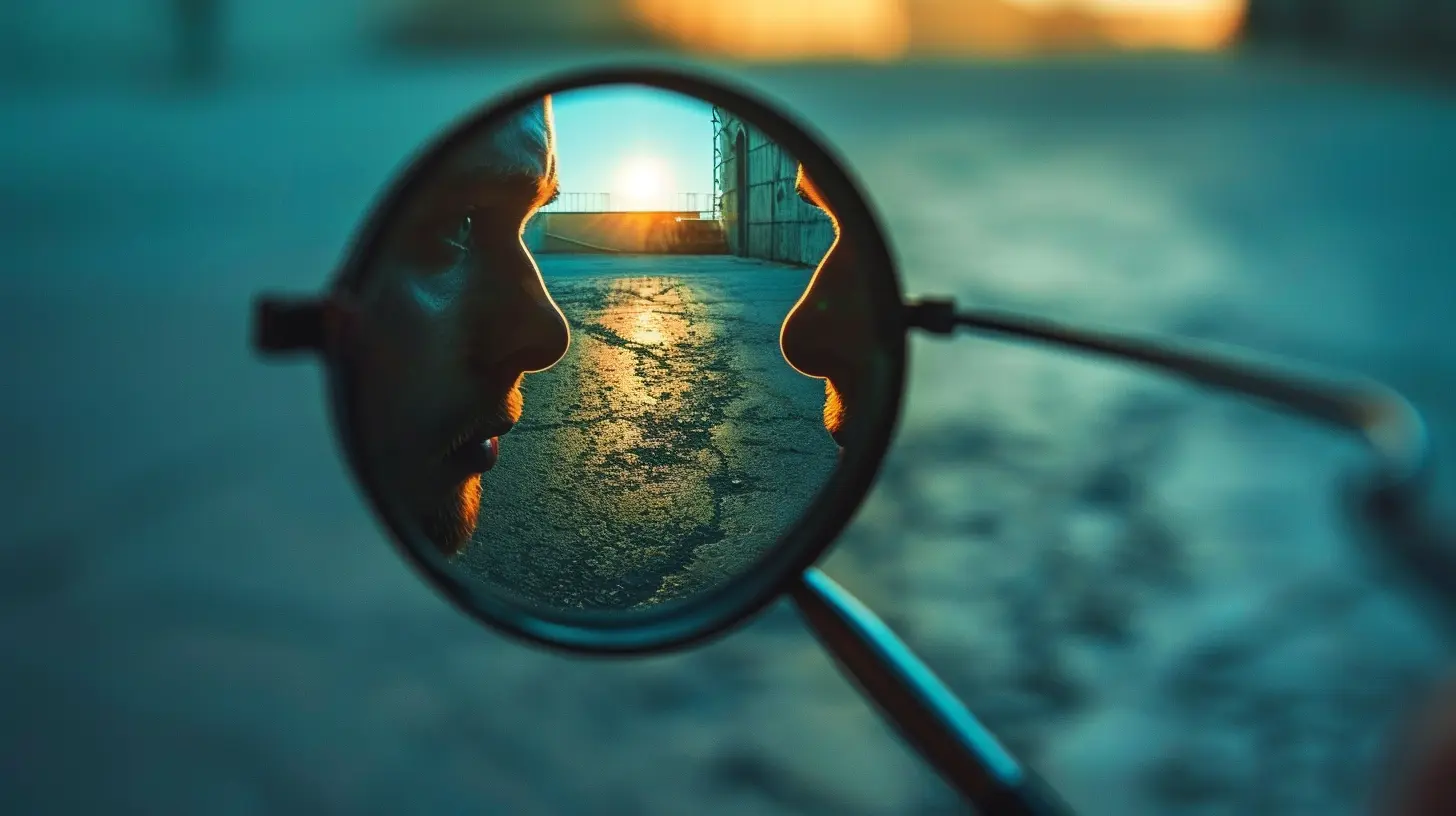
The Brain Science Behind Reflection
Let’s geek out for a second. ?Studies in cognitive psychology show that when we reflect, we're engaging our metacognitive skills — basically our ability to “think about thinking.” This mental habit helps us evaluate how we learn, what strategies work, and which ones flop.
By reflecting, you’re not just replaying an experience — you’re processing it in a deeper, more structured way. This makes learning more meaningful and long-lasting.
How to Start a Self-Reflection Habit
Alright, now we’re getting to the good stuff. How do you actually make reflection a regular thing (without it feeling like a chore)?1. Schedule Time for It
Don’t wait for the magical “perfect moment.” Set a time—daily, weekly, or after specific events like a test or project. Even just 10 minutes can work wonders.2. Ask Yourself the Right Questions
Good questions are the fuel of quality reflection. Try these:- What went well?
- What didn’t go so well?
- What would I do differently next time?
- What did I learn about myself?
- How can I apply this moving forward?
Sounds simple, but sometimes those five questions are all it takes to ignite serious insights.
3. Keep a Reflection Journal
Yes, a journal. Writing things down clarifies your thoughts and gives you something to look back on. It doesn’t have to be fancy—a Google Doc or a few notes on your phone works just fine.4. Use Voice Notes or Videos
Not a fan of writing? No worries. Record yourself talking through your day or experience. Think of it as your personal TED Talk. Bonus: it forces you to articulate your thoughts out loud.5. Make It a Habit, Not a Hurdle
Start small. Reflect after one class, one meeting, or one conversation. Slowly, it’ll become second nature.Different Ways to Reflect (Because One Size Doesn’t Fit All)
We all have different learning styles, right? So it makes sense that reflection should also be personalized. Here’s a quick breakdown of methods you can experiment with:Visual Reflection
- Mind maps- Doodles
- Flowcharts
- Vision boards
Creative types tend to love this. It helps connect the dots in a non-linear way.
Written Reflection
- Journals- Essay-style summaries
- Bullet point reviews
- Reflection prompts from books, blogs, or apps
Perfect for people who love structure and narrative.
Verbal Reflection
- Talking with a mentor, friend, or study buddy- Coaching sessions
- Audio diaries
Great for external processors who need to "talk it out."
Action Reflection
- Role-playing different outcomes from past situations- Changing your workflow or habits based on past experiences
- Trying new approaches with conscious awareness
Ideal for kinesthetic learners—those who learn best by doing.
Turning Reflection into Real Learning
Here’s the deal. Reflection alone won’t transform you unless you actually use what you’ve learned from it. That’s where most people get stuck — they think, “Well, I thought about it, so I should be good now.”Not quite.
You've got to connect the dots between reflection and action. Here's how to do it:
1. Set Micro-Goals
After reflecting on a situation, set a small goal to improve one thing. For example:- If you realized you get distracted easily during online lectures, your new goal could be to turn off notifications next time.
Simple. Clear. Doable.
2. Track Your Progress
Check in with yourself. Did you actually follow through on your goals? If not, why? What needs adjusting?Think of it as your personal feedback loop.
3. Apply It Immediately
Don’t wait for “someday.” Apply insights to your next task, class, or project. The faster you use it, the deeper it sticks.4. Reflect on Your Reflection
Yes, really. Every now and then, reflect on your reflection process. Are your questions helping? Is your journal system working? Tweak as needed.Common Pitfalls (And How to Dodge Them)
Let’s keep it real. Self-reflection isn't always smooth sailing. Here are a few common hiccups and how to handle them:Overthinking Everything
Reflection isn’t about spiraling into “what-if” mode. If you find yourself stressing more than learning, dial it back. Focus on facts, not fears.Being Too Hard on Yourself
This isn’t a blame game. Treat yourself like a student you're mentoring—not judging. Growth mindset, always.Making It Too Complicated
You don’t need an elaborate system. What matters is doing it consistently, not perfectly.Ignoring Positive Outcomes
It’s not just about fixing what went wrong. Celebrate your wins, too. They teach you just as much — if not more.Real-Life Examples of Reflection in Action
Need some inspiration? Here are a few ways people are using self-reflection to level up:- Students reviewing their exam errors to understand where they tripped up — and not making the same mistake twice.
- Teachers journaling after each lesson to refine their teaching strategies.
- Athletes watching game footage to evaluate their performance.
- Writers reflecting on feedback to improve their voice and clarity.
- Entrepreneurs analyzing failed launches to pivot smarter next time.
If they can do it, so can you.
Tools and Apps That Help
Technology can give your reflection routine a little boost. Here are some beginner-friendly tools to try out:- Day One – A clean, easy-to-use journaling app.
- Notion – Great for creating customizable reflection templates.
- Penzu – Private and secure online diary.
- Headspace or Calm – Helpful for guided mindfulness and mental clarity.
- Google Keep or Apple Notes – For quick note-taking on the go.
Pick one that fits your style and stick with it.
Final Thoughts: Reflection is Like Your Inner GPS
Think about this: You wouldn’t take a road trip without checking your GPS now and then, right? Self-reflection works the same way. It keeps you on course, helps you reroute when needed, and shows you how far you've come.It’s not about being perfect. It’s about being present and intentional. And that, my friend, is where the real learning happens.
So the next time you're stuck, unsure, or even celebrating a win — take a moment. Reflect. The answers you’re looking for might already be inside you.
all images in this post were generated using AI tools
Category:
Self AssessmentAuthor:

Anita Harmon
Discussion
rate this article
2 comments
Lysander Coffey
Self-reflection can feel like staring at your own reflection in a funhouse mirror-sometimes warped, but always revealing something new. Embrace the quirks and insights that pop up. It's like a treasure hunt for your thoughts, turning those "aha" moments into real learning gems. Happy reflecting!
September 6, 2026 at 7:54 AM
Anita Harmon
Thanks for sharing such a vivid analogy! Embracing those quirks can definitely lead to unexpected insights. Happy reflecting to you too!
Skye Wilkins
Great insights! Self-reflection truly enhances learning.
August 30, 2026 at 11:40 AM