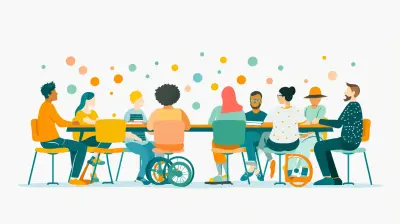
How to Encourage Student Engagement with Open Educational Resources
30 August 2026
Let’s be real — students today are bombarded with more learning materials, tools, and platforms than ever before. With all the noise out there, how do you get them to actually care about their studies, let alone dive into Open Educational Resources (OERs) with genuine interest?
Well, that’s the million-dollar question! But here's the thing: encouraging student engagement with OERs isn't rocket science. It just takes a little creativity, empathy, and an understanding of what students really want from their learning experience.
In this post, we’re diving deep into how you can make OERs not just accessible, but irresistible to students. Whether you’re an educator, instructional designer, or just someone passionate about education — this one's for you.
What Are Open Educational Resources, Anyway?
Before we jump into the magic sauce of engagement, let’s get clear on what we’re talking about.OERs are teaching, learning, and research resources that are free to use and openly licensed. Think textbooks, videos, quizzes, courses, and even lesson plans — all without the soul-crushing price tag of traditional educational materials.
Sounds great, right? But here's the catch...
Just because it's free doesn’t mean students will automatically use it — or like it.
That’s where engagement comes in.
Why Student Engagement with OERs Even Matters
Let’s cut to the chase: engaged students learn better. Period.If students aren’t connecting with the material, they’re zoning out. And no one wants that.
When students are actively involved with OERs, they're not just reading stuff — they’re questioning, applying, discussing, and owning their learning experience.
Plus, OERs are flexible and modifiable, making them a powerful tool to tailor content to student needs. So why not make the most of that?
Tip #1: Let Students Be Co-Creators, Not Just Consumers
One of the biggest perks of OERs is that they’re customizable. So, why not involve students in the process??️ Instead of just handing them an open textbook, let them help remix or revise the content.
Maybe they create a study guide or a set of quiz questions based on the material. Or they make a short explainer video summarizing a chapter. When students create something, they connect with it on a whole new level.
This is what educators call "open pedagogy" — and it’s a game-changer. It turns learning into collaboration, not consumption.
Tip #2: Make It Relevant, or Forget It
Students are more likely to engage with resources that actually relate to their lives.If an OER is full of dry, outdated examples, forget it. Keep their attention by connecting content to real-world problems, current events, or their future careers.
For example, if you’re teaching environmental science, link the lesson to local climate issues or ask students to explore how the material applies to their hometown.
The more personal it feels, the more they care.
Tip #3: Use Multimedia Wisely
Let’s face it — a wall of text isn’t exactly thrilling. But throw in a relevant video, an interactive diagram, or even a gamified quiz, and now we’re talking!OERs come in all shapes and formats. Use that to your advantage.
? Use short videos to break down complex topics.
? Include podcasts for students who prefer audio.
? Add interactive simulations or games to reinforce concepts.
The trick is to mix things up while keeping the focus on learning. Too many bells and whistles can be distracting, so balance is key.
Tip #4: Make Navigation Seamless (Because Frustration Kills Engagement)
Ever tried to find something online and gave up because the site was a mess? Yeah, students feel that too.When using OERs, ensure everything is easy to access and navigate.
- Use a clean, organized layout.
- Label sections clearly.
- Use hyperlinks that actually work (seriously, broken links are the worst).
- Offer downloadable options for offline access.
Basically, don’t make your students play hide-and-seek with their learning materials.
If the experience is smooth, students are more likely to stick with it.
Tip #5: Foster Community Around the Content
Learning isn’t a solo sport. And with OERs, you can build a sense of community around the resources.? Set up discussion forums or study groups where students can talk about the OER content.
? Encourage students to share how they’ve used the material or what they found interesting about it.
? Ask them to suggest improvements or new resources to add.
When students feel like their voice matters, they’re far more engaged — not just with the material, but with the class as a whole.
Tip #6: Give Feedback That Actually Matters
No one likes handing in assignments and getting vague comments like “good job” or “needs work.”If your students are working with OER-based tasks, give feedback that helps them improve and feel seen. Be specific, timely, and encouraging.
Better yet, allow for peer feedback. Let students comment on each other’s OER-based projects or contributions. This builds accountability and fosters connection.
Tip #7: Integrate OERs Into Assessment
Often, OERs are seen as "extra" resources — optional, supplemental, easy to skip.One way to boost engagement? Build them right into your course assessments.
? Assign readings from an open textbook and quiz students on the content.
? Design projects that require students to use specific OER tools or datasets.
? Use data from open repositories for a research assignment.
By making OERs a fundamental part of the course — not just an afterthought — students are more likely to dive in fully.
Tip #8: Celebrate Student Contributions
Did a student create a cool video tutorial for an OER? Add it to the course content (with their permission, of course).Got a group that developed a better explanation or example than what’s in the provided resource? Highlight it in class!
When students know their work might actually influence the course (and maybe even benefit future students), they bring their A-game.
Recognition is a powerful motivator.
Tip #9: Provide Guidance — Don’t Just Point and Hope
Throwing students a list of open resources and saying, “Figure it out!” is not gonna fly.Provide structure. Give them a roadmap.
Break down how to use the material. Guide them on what to focus on. Offer reflection questions or prompts to dig deeper.
Think of it like giving someone a treasure map instead of just dropping them in the middle of the jungle.
Tip #10: Keep Checking In
Student engagement isn’t a one-and-done deal. It requires constant tweaking.Ask for feedback regularly. What’s working? What’s boring them to tears? What would they change?
Adjust your approach based on what they say.
Also, stay updated on new OERs. The landscape is constantly evolving, and there are some incredibly innovative tools being created all the time.
The Bottom Line: Meet Students Where They Are
At the end of the day, all students really want is to feel that their time and effort matter — that what they’re learning is valuable, doable, and theirs.Open Educational Resources have the potential to revolutionize learning. But only if we make them engaging, relevant, and human.
So, don’t just toss an open textbook into your syllabus. Get creative. Get collaborative. And most importantly — get student feedback. Because when students are part of the journey, they’re way more likely to stick around for the ride.
Final Thoughts
OERs are more than just a cost-effective alternative to traditional materials. They’re an opportunity to reshape how we think about education itself.When students are given the chance to own their learning, to shape it, and to see themselves in it — that’s when the magic happens.
So, the next time you’re building a course or lesson plan, ask yourself:
? How can I make this matter to students?
? How can I bring them into the process?
? How can I create something with them, not just for them?
That’s the recipe for real engagement.
all images in this post were generated using AI tools
Category:
Open Educational ResourcesAuthor:

Anita Harmon
Discussion
rate this article
2 comments
Fatima Watson
Great article! Open Educational Resources can truly transform classroom dynamics. By promoting accessibility and collaboration, they not only enhance learning but also empower students to take charge of their education. Encouraging usage is key to fostering engagement.
September 18, 2026 at 4:20 AM
Blair Ford
This article provides valuable insights into enhancing student engagement through Open Educational Resources. By promoting accessibility and collaboration, educators can foster a more interactive learning environment. It's encouraging to see a focus on innovative approaches that empower students to take an active role in their education. Well done!
September 4, 2026 at 10:33 AM
Anita Harmon
Thank you for your thoughtful feedback! I'm glad you found the insights helpful. Engaging students through these resources is crucial, and it's exciting to see the potential they offer.