How AI Will Revolutionize Learning Management Systems by 2027
18 May 2026
Let me paint you a picture. It's 2027. You're logged into your Learning Management System, but it doesn't feel like a clunky web portal from 2015. It feels like a personal tutor who knows your coffee order, your attention span, and the exact moment you start zoning out during a video lecture. No, really. That's where we're heading.
I've spent a lot of time thinking about how education tech is evolving, and I'll be honest: the current state of most LMS platforms is a bit like a digital filing cabinet. You log in, you click through modules, you maybe watch a video, you take a quiz. It works, but it's not exactly smart. It doesn't adapt to you. It doesn't learn from you.
But by 2027, that's going to change in a big way. Artificial intelligence is about to turn these static platforms into living, breathing ecosystems. And I'm not just talking about adding a chatbot that says "Did you mean X?" I'm talking about a full-blown revolution in how we teach, learn, and track progress. Strap in, because this is going to be fun.
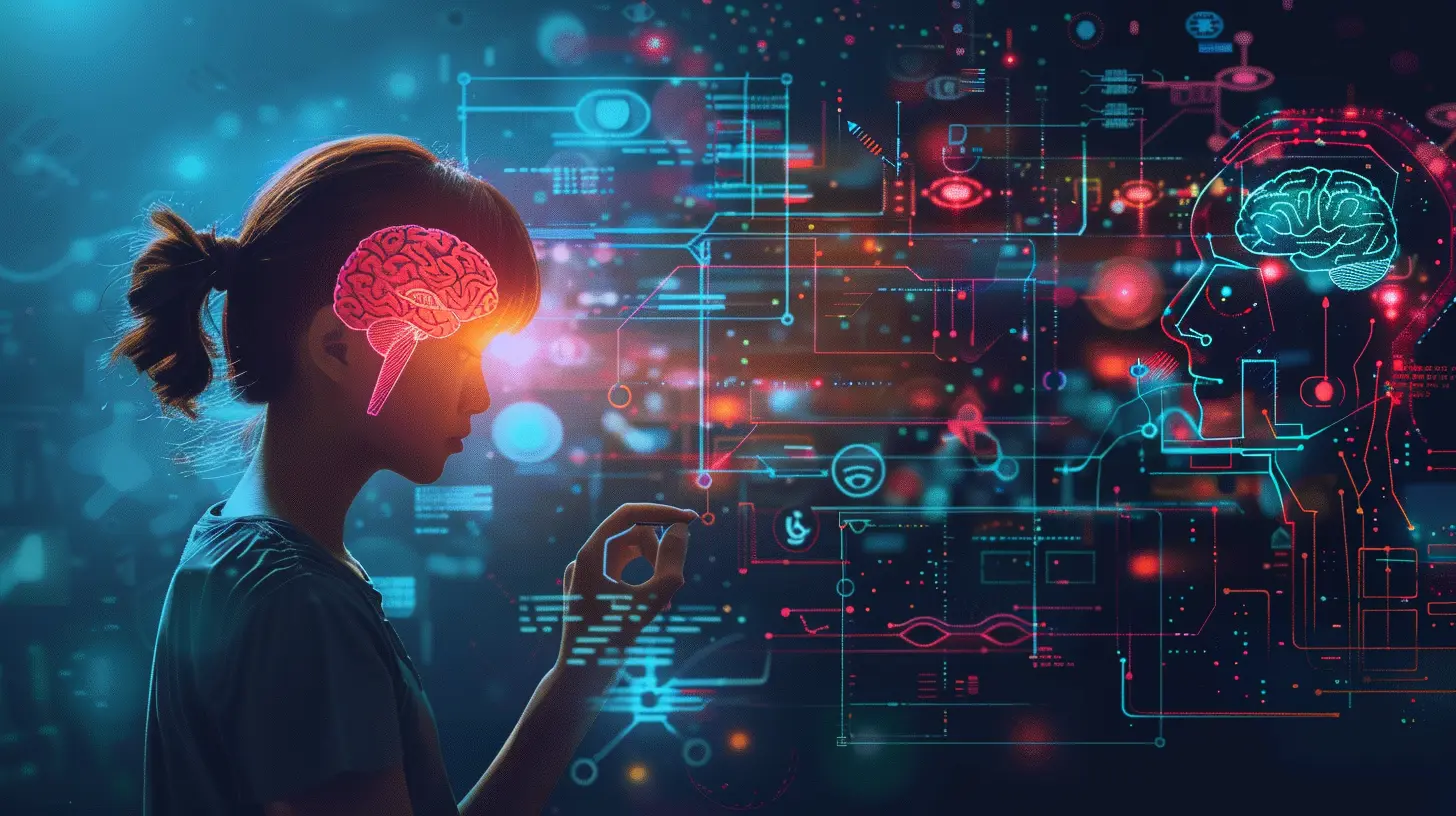
The End of One-Size-Fits-All Learning
Remember the last time you sat through a training module that was clearly designed for someone else? Maybe you already knew the basics, but the system made you click through 20 slides anyway. Or maybe you were completely lost, but the course just kept going, assuming you were fine.That's the old way. By 2027, AI will kill the one-size-fits-all approach for good. Instead of a static course path, your LMS will dynamically shape itself around you. Think of it like a GPS for your brain. If you're already ahead on a topic, the system will fast-track you. If you're struggling with a concept, it will slow down, offer extra resources, or even change the way it presents the material.
How will this work? Simple. The AI will track your every interaction. Not in a creepy way, but in a helpful way. It will notice that you spent five minutes on a particular slide, or that you rewatched a video segment twice. It will see that you aced a quiz on one subject but bombed another. Then, in real time, it will adjust your learning path. It might offer you a different video format, a text summary, or a practical exercise. It's like having a teacher who only has eyes on you.
Hyper-Personalized Content That Reads Your Mind (Almost)
Let's talk about content. Right now, most LMS content is static. A PDF is a PDF. A video is a video. But AI will make content alive.Imagine a system that doesn't just show you a video, but generates a custom one. You're a visual learner? The AI will create more diagrams and animations. You prefer reading? It will summarize the key points in a text format. You learn best through stories? It will rewrite examples using analogies from your own field of work.
By 2027, AI will analyze your past behavior, your job role, your learning history, and even your current mood (yes, through tone analysis in your responses or typing speed) to serve you content that actually sticks. It's like a chef who doesn't just serve you a menu, but cooks exactly what you're craving right now.
And here's the kicker: the content won't be pre-recorded. It will be generated on the fly. Need a refresher on a concept you learned six months ago? The AI will pull up a quick, personalized recap, not the same old module you already completed. It's the difference between a dusty textbook and a friend who knows exactly what you forgot.

The Death of the "Next" Button
You know that feeling when you're clicking "Next" just to get through a course? We've all done it. You're not learning; you're just checking a box. That's a sign of a broken system.AI will make the "Next" button obsolete. Instead of linear progression, learning will become a conversation. The system will ask you questions, not just at the end of a module, but throughout. It will probe your understanding, challenge your assumptions, and guide you through Socratic-style reasoning.
By 2027, your LMS will be a proactive coach, not a passive repository. It will say things like, "You seem confident about this topic. Let's skip the basics and try a real-world scenario." Or, "You got that wrong. Let's back up and look at the underlying principle." It will use natural language processing to understand your typed responses, not just multiple-choice answers. You'll be able to ask questions in plain English and get instant, contextual answers.

Predictive Analytics: The Crystal Ball of Education
One of the coolest (and slightly unsettling) things AI will bring is true predictive analytics. I'm not talking about simple dashboards showing completion rates. I'm talking about the system knowing, with high accuracy, who is about to drop out, who is struggling with a specific concept, and who is ready for advanced material.How? By analyzing patterns. Maybe a learner starts logging in later, or their quiz scores dip, or they spend less time on interactive elements. The AI will spot these trends before they become problems. Then, it will act. It might send a nudge, offer a different learning resource, or even suggest a study buddy.
For instructors, this is a game-changer. Instead of waiting for a student to fail an exam, you can intervene early. The AI will hand you a list of students who need attention, along with specific recommendations. It's like having a teaching assistant who never sleeps and has superhuman pattern recognition.
Assessment That Actually Measures Understanding
Let's be real: multiple-choice quizzes are terrible at measuring deep understanding. They mostly test memorization. By 2027, AI will change how we assess learning.Imagine an assessment that adapts to your answers. You get a question right? The next one gets harder. You get one wrong? The AI probes deeper to find the root of your misunderstanding. It might ask you to explain your reasoning in your own words, then analyze that explanation for logical gaps.
This is called adaptive assessment, and it's already being used in some high-end testing platforms. But by 2027, it will be baked into every LMS. You won't just get a score. You'll get a detailed map of your knowledge, showing what you truly understand and where you have holes. No more guessing your way to a passing grade.
The Rise of AI Tutors and Coaches
Forget the old idea of a chatbot that spits out FAQ answers. By 2027, your LMS will have a full-fledged AI tutor. This tutor will be available 24/7, never get tired, and never judge you for asking a "dumb" question.This AI tutor won't just answer questions. It will teach. It will break down complex topics into bite-sized pieces, offer analogies, and guide you through problem-solving steps. It will remember every conversation you've ever had with it, so it can build on previous knowledge.
Think of it like having a patient, brilliant professor on speed dial. Need help with a calculus problem at 3 AM? The AI tutor is there. Want to practice a foreign language dialogue? The AI will role-play with you. It will even adjust its tone and teaching style based on your personality. If you respond well to encouragement, it will be cheerleader-like. If you prefer direct feedback, it will be blunt.
Automated Course Creation and Curation
This one is huge for educators and trainers. Right now, building a course is a massive time sink. You have to write content, record videos, create quizzes, and structure everything. AI will automate most of that grunt work.By 2027, you'll be able to tell your LMS, "I need a course on project management for mid-level managers, focusing on agile methodologies." The AI will then scan your existing content library, pull from reputable external sources, and generate a draft course in minutes. It will write the text, suggest video clips, create quiz questions, and even design the learning path.
Of course, you'll still need to review and tweak it. But the heavy lifting will be done. This means more courses can be created faster, and they can be updated instantly as new information becomes available. No more outdated modules that nobody has time to update.
Social Learning Gets a Brain
Learning isn't just a solo activity. We learn from each other. But most LMS discussion forums are ghost towns. AI will breathe life into them.Imagine an AI that can analyze what your peers are struggling with and automatically form study groups. It can suggest a conversation between two learners who have complementary strengths and weaknesses. It can even moderate discussions, highlight insightful comments, and summarize long threads so you don't have to read everything.
By 2027, your LMS will facilitate connections you never knew you needed. It will say, "Hey, three other people in your cohort are also stuck on this module. Want to start a group chat?" Or, "Jane from accounting just aced this topic. She might be a good person to ask for help." It turns a solitary experience into a collaborative one, guided by an intelligent matchmaker.
Gamification That Doesn't Feel Like a Gimmick
Gamification in learning often feels forced. "Congratulations! You earned a badge for watching a video!" Yawn. But AI will make gamification meaningful.Instead of generic badges, the AI will design challenges that are personally relevant. It will track your progress not just through courses, but through skills. You'll earn "experience points" for actually helping a peer, or for applying a concept in a real-world scenario. The game will adapt to your play style. If you're competitive, it will pit you against others with similar skill levels. If you're a completionist, it will offer hidden challenges and Easter eggs.
By 2027, your LMS will feel more like a well-designed video game than a corporate training tool. You'll actually want to level up, because the rewards will be tied to genuine mastery, not just participation.
Accessibility for Everyone
This is one of the most important revolutions. AI will make learning accessible to people who were previously left out. For learners with visual impairments, the AI will generate detailed audio descriptions. For those with hearing impairments, it will provide real-time captions and sign language avatars. For non-native speakers, it will translate content on the fly and even adjust the language complexity.The AI will also adapt to cognitive differences. If a learner has ADHD, the system might break content into shorter, more engaging chunks with frequent breaks. If someone has dyslexia, it will offer a specialized font and read-aloud options. By 2027, the LMS will not just accommodate disabilities; it will actively design experiences that work for every unique brain.
The Data Privacy Tightrope
Now, I have to be honest. All this amazing personalization comes with a big question: who owns your learning data? By 2027, this will be a hot topic. The AI will know a lot about you: your knowledge gaps, your learning pace, your areas of weakness. That's powerful, but also sensitive.Smart LMS platforms will need to be transparent about data usage. You should be able to see what the AI knows about you and control how it's used. The best systems will treat your data like a private conversation between you and your tutor. No sharing with HR, no selling to third parties. The revolution will only succeed if trust is built in from the start.
What This Means for You
So, what does all this mean for the average learner or educator? It means the end of boring, passive learning. It means a future where your training actually works, where you retain more, and where you enjoy the process. It means educators can focus on what they do best: inspiring and mentoring, while the AI handles the logistics and personalization.By 2027, the LMS won't be a tool you use. It will be a partner in your growth. It will know you, challenge you, and support you in ways that feel almost human. And that's a future I'm genuinely excited about.
all images in this post were generated using AI tools
Category:
Learning Management SystemsAuthor:

Anita Harmon
Discussion
rate this article
1 comments
Gianna McLean
By 2027, AI might teach my dog to study... but I'm still skeptical about math!
June 18, 2026 at 4:29 AM
Anita Harmon
I get your skepticism! AI could change how we learn, even for our pets. Who knows, maybe math is next on the list.