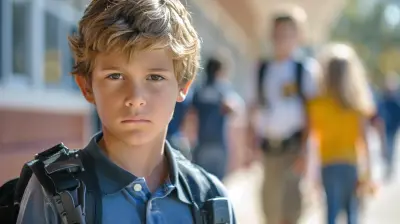
How Teachers Can Foster a Bully-Free Classroom Environment
11 September 2026
Let’s be honest—classrooms are like tiny societies. They’re filled with unique personalities, budding relationships, and the occasional conflict. With all this interaction, the unfortunate reality is that bullying can sneak its way in. As a teacher, the role you play in shaping a safe and welcoming learning space is massive. You're not just an instructor—you’re a mentor, a guide, and often the first line of defense when things go south.
Creating a bully-free classroom isn’t just about laying down rules and hoping for the best. It’s about being proactive, empathetic, and consistent. It’s about building a community where every student feels seen, heard, and valued. So, how do you do that? Let’s break it down.
Understanding the Roots of Bullying
Before we dive into the practical stuff, let’s take a moment to understand why bullying happens in the first place.Bullying isn't just about one kid being mean to another. It's often a reflection of deeper issues—whether it's a struggle for power, a cry for attention, or even a mirror of what’s happening at home. Kids who bully may not feel in control of their own lives, so they try to control others. Sometimes it’s peer pressure. Sometimes it’s insecurity.
Understanding this helps to shift our approach from punishment alone to prevention and support.
Be the Example: Model Respect and Kindness
Ever heard the phrase "Monkey see, monkey do"? Well, students watch everything teachers do—more than we sometimes realize. If we want our students to be respectful and kind, we need to model that behavior ourselves.Treat your students with the same respect you'd expect from them. Say "please" and "thank you." Listen when they talk. Apologize when you make a mistake. These small gestures can set the tone for how students should treat one another.
It’s like planting seeds—you might not see the fruit right away, but those behaviors start to take root.
Set Clear Expectations from Day One
Clarity is key. Kids feel more secure when they know what’s expected of them. So, from the very first day of school, lay out the ground rules—not just about academics, but about how students are expected to treat each other.Here’s a tip: don’t just tell them—build the rules together. Have a class discussion about respect, kindness, and safety. Ask questions like:
- What does respect look like?
- How does it feel to be included? Left out?
- What should we do if someone is being mistreated?
Collaboratively creating a "Classroom Code of Conduct" gives students ownership and makes them reflect on their actions.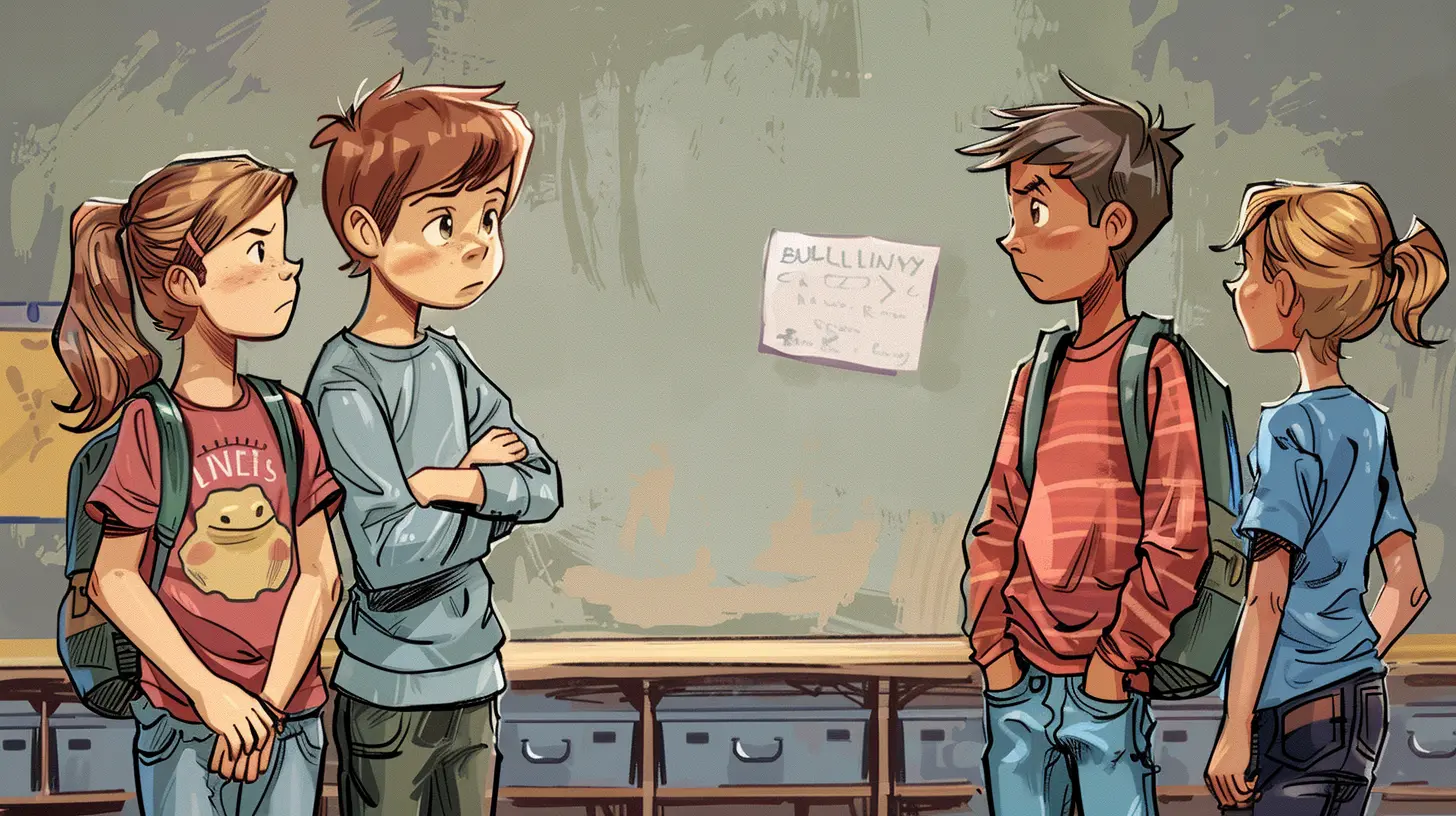
Build Strong Relationships with Students
You know what’s underrated? Just getting to really know your students.When students trust you, they’re more likely to open up when something’s wrong—and less likely to engage in harmful behavior themselves. It’s hard to bully someone you feel connected to. And it’s hard to ignore bullying when you care about your peers.
So take time to talk with them. Ask about their weekends. Learn their hobbies. Celebrate their successes, big or small. You don't have to be their best friend. You just need to make it clear you're in their corner.
Spot the Signs Early
Bullying isn’t always obvious. In fact, it's often subtle—snide remarks, exclusion from groups, eye rolls that cut deeper than words.Being able to spot these small red flags makes all the difference. Keep an eye out for:
- Sudden changes in behavior or mood
- A drop in grades
- Students isolating themselves
- Unexplained physical injuries
- Reluctance to come to school
And remember, it’s not just the victims who need help. Kids who bully often need support too.
Create Opportunities for Team Building
You know what breaks down barriers fast? Working together toward a common goal.Regular team-building activities and cooperative learning tasks encourage students to interact with classmates they might not normally talk to. This builds empathy and fosters a sense of unity.
It doesn’t have to be anything elaborate. Simple games, group projects, or classroom debates can do the trick. The goal is to help students see each other as teammates, not rivals.
Make Reporting Safe and Easy
One of the reasons bullying thrives is silence. Victims don’t speak up because they fear things will get worse. Bystanders stay quiet because they don’t want to be targeted themselves.As a teacher, it’s your job to create a safe space for reporting bullying. That might mean:
- An anonymous comment box
- Scheduled one-on-one check-ins
- An open-door policy where students know they can come talk to you anytime
But it’s not just about having systems in place. It’s about actively encouraging students to use them—and reassuring them that their voices matter.
Involve the Whole Class in Creating a Positive Culture
Stopping bullying isn’t a solo project. It takes a team effort, and that includes your entire class.Encourage students to be "upstanders" instead of bystanders. Talk about what they can do if they see someone being mistreated. Sometimes, just standing next to someone or saying, "That’s not cool," can be powerful.
You can even assign kindness challenges, host empathy circles, or create a "kindness wall" where students post compliments or encouraging notes to each other.
Think of it like building muscle—the more they practice kindness, the stronger it becomes.
Partner with Parents and Caregivers
What happens at home has a huge impact on classroom behavior. That’s why keeping parents in the loop is so important.If you notice bullying behavior, don’t just deal with it in isolation. Reach out to the parents—of both the child being bullied and the one doing the bullying. Frame the conversation around finding a solution, not placing blame.
And even when there’s nothing wrong, regular communication builds trust so that when issues do arise, you’ve already got a solid relationship in place.
Educate About Bullying (Not Just Discipline It)
Sometimes kids don’t even realize their behavior is bullying. That’s where education comes in.Integrate lessons about empathy, diversity, and communication into your curriculum. Use real-life scenarios, stories, role-plays—anything that helps them step into someone else's shoes.
You can even talk about social media and online behavior. Cyberbullying is real, and it can be just as damaging as face-to-face bullying. Helping students navigate the digital world responsibly is part of fostering a completely safe environment.
Respond Quickly and Consistently
When bullying does happen—and let’s be real, it sometimes will—how you respond matters.Ignoring it or brushing it off sends all the wrong messages. It tells the bully that their behavior is acceptable, and it tells the victim that their pain doesn't matter.
That doesn’t mean launching into punishment-mode with no discussion. It means responding in a way that’s firm, fair, and focused on growth.
Have a clear procedure for addressing incidents. Talk to everyone involved. Involve counselors if needed. And always follow up to make sure the behavior doesn’t continue.
Celebrate Differences and Promote Inclusion
One of the best ways to prevent bullying is to build a culture that celebrates differences rather than mocking them. That could be through:- Multicultural days
- Inclusive classroom libraries
- Displays that highlight diverse heroes and role models
- Open conversations about biases and stereotypes
When kids learn to appreciate what makes each person unique, they’re less likely to target those differences—and more likely to defend them.
Keep Learning and Growing as a Teacher
Even the best teachers don’t have all the answers—and that’s okay.Attend workshops. Read books. Talk to colleagues. Learn from your students. The more you understand about bullying and student behavior, the better equipped you’ll be to create a safe environment.
And don’t be afraid to ask for help. School counselors, psychologists, and administrators are there to support you just like you support your students.
Final Thoughts: You’ve Got This
Creating a bully-free classroom isn’t about being perfect. It’s about being present. It’s about showing your students that they matter, that you care, and that your classroom is a place where everyone belongs.It takes time, intentionality, and a whole lot of heart—but it’s absolutely worth it. Because when students feel safe, they can focus on what really matters: growing, learning, and becoming the kind and confident humans they’re meant to be.
And you? You’re the one helping to make that happen. Every single day.
all images in this post were generated using AI tools
Category:
Bullying PreventionAuthor:

Anita Harmon
Discussion
rate this article
2 comments
Payton McLaury
Creating a bully-free classroom starts with empathy. Teach kindness, encourage dialogue, and watch respect flourish.
October 8, 2026 at 11:46 AM
Zephyros Gonzalez
This article offers valuable insights for creating a supportive and respectful classroom. When teachers prioritize kindness, they can truly transform the school experience for every student. Great read!
September 10, 2026 at 10:31 PM
Anita Harmon
Thank you for your kind words! I'm glad you found the article insightful. Creating a supportive environment is key to fostering respect and kindness in the classroom.