How Self-Reflection Prepares You for Lifelong Learning
22 August 2026
Let’s be honest for a second—how often do you hit the pause button and actually reflect on what you’ve done, how you’ve reacted, or what you’ve learned in any given day or week?
In a world that moves a hundred miles a minute, self-reflection often feels like a luxury. But what if I told you it’s one of the most powerful tools you can use to prep yourself for lifelong learning?
Sounds a little philosophical, I know. But hang tight because in this piece, we’re diving deep into how self-reflection isn't just about navel-gazing—it’s a key habit you need if you want to keep growing, learning, and evolving throughout your life.
What Exactly Is Self-Reflection?
Before we get too far ahead, let’s break it down. Self-reflection is the process of looking back on your experiences, your thoughts, and your actions to evaluate how you responded and what you can learn from them.Think of it like holding up a mirror—not to your face but to your mind and behavior.
You’re not just asking yourself what happened. You're asking:
- Why did I make that choice?
- How could I have handled it differently?
- What did I learn from that?
It’s not about beating yourself up—far from it. It’s about being real with yourself. It’s about growth.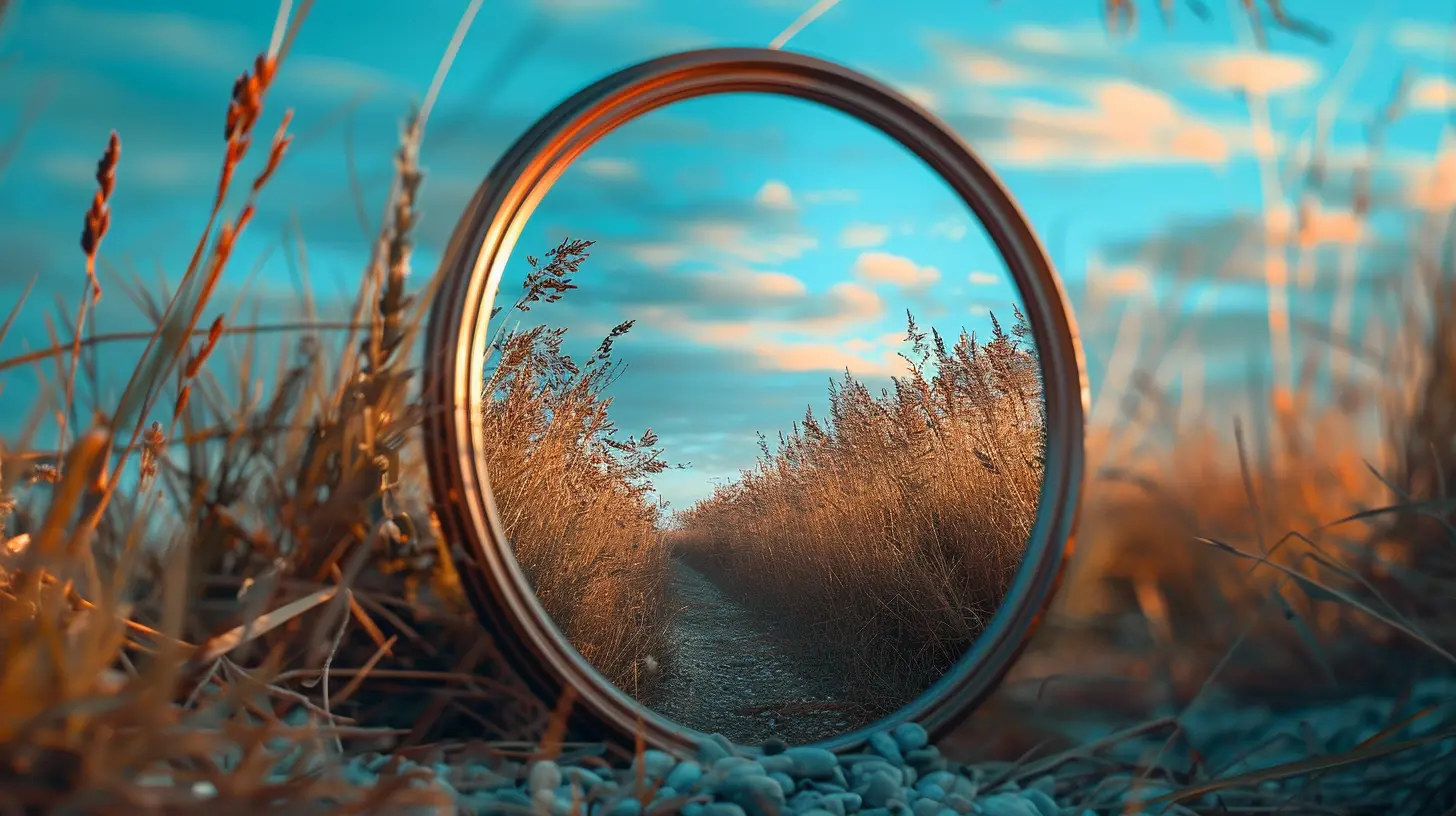
Lifelong Learning Isn’t Just a Buzzword
Let’s get another thing straight—lifelong learning isn’t just for people stuck in classrooms or pursuing another degree. It’s for everyone.Whether you’re 22 or 72, learning never stops. It happens:
- When you pick up a new skill at work.
- When you read a book that changes your perspective.
- When you mess up and figure out how to do better next time.
Lifelong learning is the mindset of always staying curious, open-minded, and adaptable. And guess what? Self-reflection helps you do just that.
Let’s break down how.
1. Self-Reflection Builds Self-Awareness
Imagine trying to read a map without knowing where you are. That’s what learning without self-awareness looks like.Self-awareness is your internal GPS—it tells you your strengths, your weaknesses, and how you react to different situations.
And how do you build it? You guessed it—through self-reflection.
When you frequently reflect, you start spotting patterns in your behavior and thinking. That awareness helps guide your learning journey. You begin to:
- Recognize the areas you need to improve.
- Understand what styles of learning suit you best.
- Avoid repeating past mistakes.
In simple terms, you become your own best coach.
2. It Encourages a Growth Mindset
Let’s talk about the two mindsets that shape our learning: fixed vs. growth.A person with a fixed mindset believes their abilities are carved in stone. But someone with a growth mindset? They think, “I can improve if I put in the effort.”
Self-reflection reinforces a growth mindset because it nudges you to ask questions like:
- What did I try?
- What worked?
- What didn’t?
- What’s my next step?
When you reflect like this, failure doesn’t feel like the end—it feels like data. Valuable, real-life data you can use to pivot and grow.
3. Reflection Makes Your Learning More Effective
Let’s be real: Mindless repetition doesn’t help much. It’s like trying to memorize a song’s lyrics by just listening, but never actively thinking about the words.Reflection helps you slow down and digest what you’ve learned. You start to connect the dots, see patterns, and find deeper meaning in whatever you're studying or experiencing.
Here’s an analogy—think of your brain like a sponge. Without reflection, you might pour water (knowledge) over it, but it just drips off. With reflection? That sponge soaks it right up.
4. It Helps You Adapt to Change
The only constant in life is change—cheesy but true.Technology evolves, workplace cultures shift, career paths twist and turn. To stay relevant, you’ve got to keep learning, unlearning, and relearning.
Self-reflection plays a massive role here. When things change, reflection helps you:
- Reassess what you know.
- Let go of outdated beliefs or habits.
- Build strategies to adjust.
For example, if a new software disrupts your workflow, reflecting on your past adaptability can give you the confidence and curiosity to tackle it—rather than feeling overwhelmed or defeated.
5. Reflection Strengthens Emotional Intelligence
Lifelong learning isn't just about hard skills like coding or writing. It’s also about soft skills—like emotional intelligence (EQ).And here’s where reflection really shines.
Reflecting on your emotions, how you respond under stress, or how you interact with others builds empathy and emotional resilience. You’re not just learning facts—you’re learning how to navigate the complex human experience.
Ask yourself:
- Why did that conversation go sideways?
- How did my tone affect the outcome?
- What could I do differently next time?
These little check-ins allow for emotional growth that’s just as important as book smarts.
6. It Boosts Motivation and Confidence
Ever feel like you’re spinning your wheels, not making progress?Reflection helps you see just how far you’ve come.
By reviewing past achievements—even the small wins—you build confidence. You're reminded that you’ve overcome challenges before and can do it again.
Plus, celebrating progress (even mental or emotional growth) gives you that extra burst of motivation to keep pushing forward.
7. Helps You Personalize Your Learning Style
One size never fits all—especially when it comes to learning.Some people thrive in visual environments. Others prefer hands-on experiences or need complete silence to focus. The only way to truly understand how you learn best is by reflecting.
Ask yourself:
- When do I retain information the best?
- What types of study environments help me stay focused?
- What distracts or demotivates me?
When you tailor your learning approach based on reflection, learning becomes not just more efficient but way more enjoyable.
8. Reflection Fosters Critical Thinking
Let’s say you’re learning about climate change, data science, or even Shakespeare. Simply absorbing information is one thing—but being able to question, interpret, and apply that knowledge? That’s next-level.Self-reflection trains your brain to think critically because you’re constantly:
- Analyzing situations from different angles.
- Challenging assumptions.
- Asking “why” instead of just accepting things at face value.
This kind of thinking doesn’t just serve you in academic environments—it spills over into your job, your relationships, and your everyday decisions.
9. Builds Better Decision-Making Skills
Let’s connect the dots...If you’re regularly reflecting on your actions, the results, and your thought processes, guess what that develops?
Your decision-making muscle.
Regular reflection means you’re more likely to consider consequences, think through different outcomes, and make thoughtful choices—not knee-jerk reactions. This kind of decision-making is at the heart of mature learning and personal development.
10. Creates a Feedback Loop for Improvement
Ever heard of the “feedback loop”? It’s a cycle where your actions lead to outcomes, outcomes are analyzed, and insights from that analysis influence your next actions.Self-reflection fits perfectly into this loop. It provides that layer of analysis that turns any experience—good or bad—into a stepping stone for improvement.
It’s like being your own life coach and quality control expert, all rolled into one.
Practical Tips to Start Self-Reflecting (Even If You're Busy)
Alright, so you’re convinced that self-reflection is important. But how do you actually make time for it?Here are a few stress-free ways to start:
1. Start a Reflection Journal
Write just 5-10 minutes a day. Use prompts like:- What challenged me today?
- What am I proud of?
- What can I do better tomorrow?
2. Schedule Weekly Check-Ins
Dedicate 15-20 minutes every week to sit quietly and think over your week. No phone. No distractions. Just you and your thoughts.3. Use Voice Notes
Hate writing? Record your reflections as voice memos. It’s like having a conversation with Future You.4. Reflect With Others
Talk to a friend, mentor, or coach about what you’re learning and how you’re growing. Sometimes saying it out loud brings clarity.Final Thoughts
Here’s the truth: Learning doesn’t happen just by absorbing information. Real, lasting growth comes when you take time to process, evaluate, and internalize what you’ve experienced.That’s where self-reflection comes in.
It’s not just some feel-good buzzword. It’s the secret ingredient that fuels curiosity, deepens understanding, builds resilience, sharpens critical thinking, and turns everyday experiences into powerful lessons.
So, if you're on a journey of lifelong learning (and you absolutely should be), make reflection your travel buddy.
You might be surprised how much more you learn—not just about the world, but about yourself.
all images in this post were generated using AI tools
Category:
Self AssessmentAuthor:

Anita Harmon
Discussion
rate this article
2 comments
Zacharias Torres
This article beautifully highlights the importance of self-reflection. It's inspiring to see how taking time to understand ourselves can enhance our learning journeys. Thank you for sharing!
September 11, 2026 at 4:51 AM
Anita Harmon
Thank you for your kind words! I'm glad the article resonated with you. Self-reflection truly is a key part of our learning journeys.
Amira Banks
This article beautifully captures the essence of self-reflection. It's a powerful reminder that taking time to understand ourselves not only enriches our learning journey but also fuels our personal growth. Thank you for sharing!
August 24, 2026 at 11:02 AM
Anita Harmon
Thank you for your kind words! I'm glad the article resonated with you and highlighted the importance of self-reflection.