The Benefits of Multilingualism: Why Learning a Second Language Matters
18 July 2026
Have you ever thought about learning a second language but shrugged it off thinking, “Eh, everyone speaks English anyway”? You’re not alone. But here’s the thing—being bilingual (or multilingual) is so much more than just a party trick or a way to impress someone on vacation. It’s like unlocking a secret level in the game of life.
Let’s dive deep into the real, tangible, life-changing benefits of multilingualism. Spoiler alert: it’s not just about grammar and vocab!
What Is Multilingualism, Really?
Okay, let’s break it down. Multilingualism simply means being able to communicate in more than one language. That could be fluently, conversationally, or even just enough to get through a coffee order and ask for directions. Whether you grew up juggling multiple languages at home or picked one up later in life—it counts.And guess what? You don’t need to be perfectly fluent to reap the benefits. Just making the effort to learn another language opens up a whole new world (literally and metaphorically).
Boosts Brain Power (Yes, Seriously!)
Let’s start with your brain. When you learn a second language, your brain gets a serious workout. It’s like CrossFit for your grey matter.Improved Memory and Focus
Studies show multilingual people tend to have stronger memory retention, better problem-solving skills, and a sharper ability to focus. Why? Because switching between languages trains your brain to filter out distractions and focus on what’s important.In short: language learning = mental gains.
Delays Cognitive Decline
Here’s a nugget worth remembering—bilingual individuals tend to show symptoms of Alzheimer’s and other forms of dementia 4-5 years later than monolingual folks. That’s not magic; it’s science. Speaking multiple languages keeps your brain active and continuously challenged, just like a muscle that’s constantly being stretched and strengthened.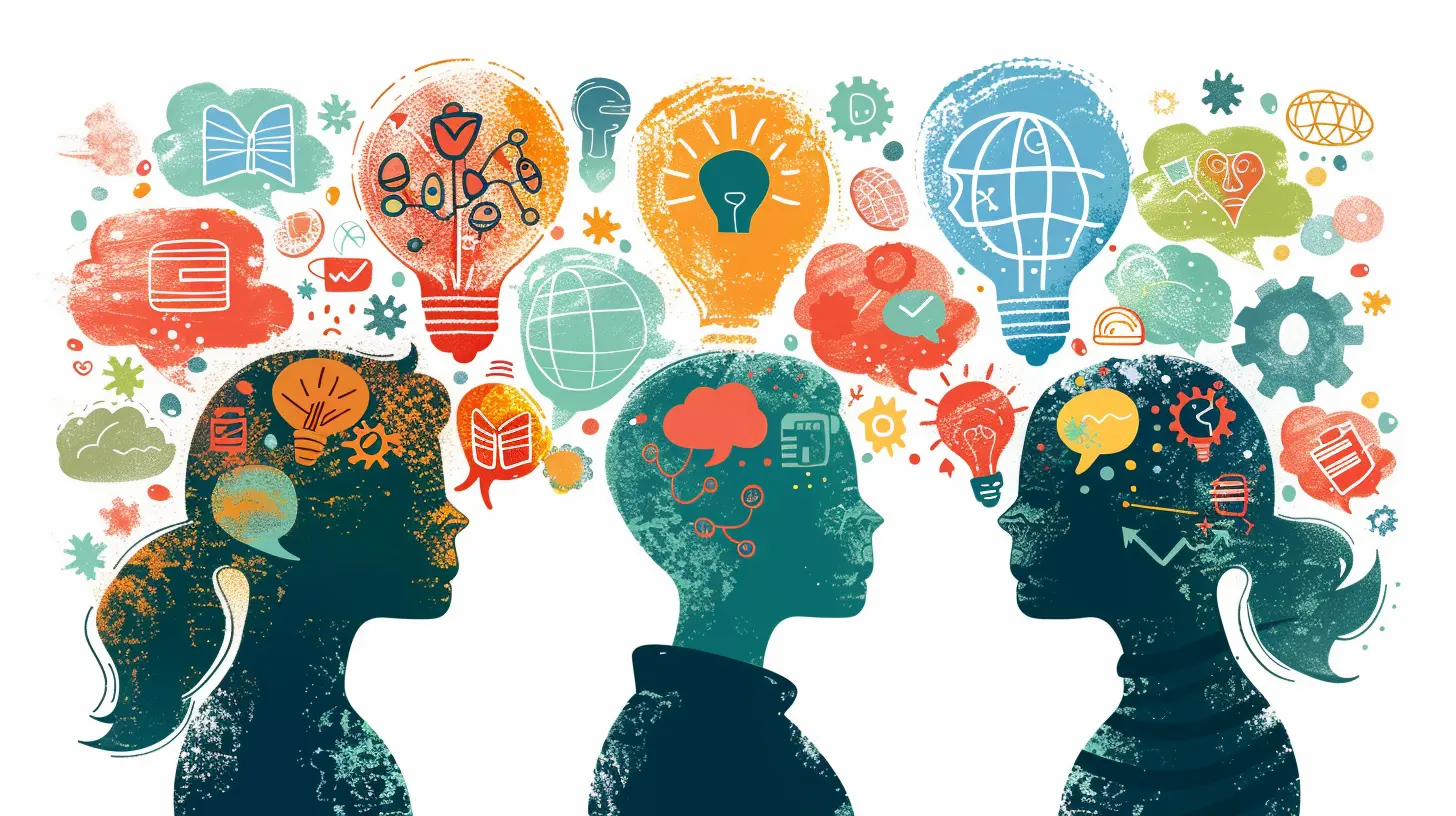
Enhances Career Opportunities
Let’s talk business. In today’s globalized world, speaking more than one language gives you a serious edge in the job market.More Than Just a Resume Booster
Employers looove bilingual candidates. Why? Because they can connect with more customers, collaborate across borders, and adapt to multicultural work environments. Bilingual employees are also seen as better communicators and problem-solvers. Whether you’re in marketing, healthcare, education, tech, or international relations—multilingualism opens doors.Bigger Paychecks
Here’s the cherry on top: many bilingual job positions come with higher salaries. Yep, your second language could literally pay off. Depending on the industry and the language, bilingual professionals can earn anywhere from 5% to 20% more than their monolingual peers. Not too shabby, right?
Improves Travel Experiences Tenfold
Ever been in a foreign country and felt completely lost because you didn’t speak the language? We’ve all been there. Now imagine being able to ask for directions, order off the local menu with confidence, and actually chat with the locals. That’s not just convenience—it’s connection.Authentic Cultural Experiences
Let’s face it—tourist traps can be fun, but if you really want to experience the soul of a place, speaking the local language is a game-changer. It breaks down barriers and shows respect for the culture. Locals tend to be warmer and more open when you make the effort—even if you mess up a few words. It’s the thought that counts.Safety and Confidence
Knowing the local language can also keep you safer while traveling. You can read signs, ask for help, navigate transportation, and understand warnings or safety instructions. It just makes everything smoother and less stressful.Builds Empathy and Cultural Awareness
Learning another language isn’t just about conjugating verbs. It's about understanding a different way of life. When you learn a language, you’re also learning cultural norms, values, humor, and history.Walk in Someone Else’s Shoes
It’s easy to stick to our own little bubble, but language learning bursts that bubble in the best way possible. It helps you develop empathy by offering a window into someone else’s world. Suddenly, you start to “get” their jokes, habits, and perspectives. That’s powerful stuff.Breaks Down Stereotypes
Let’s be real—misunderstandings and stereotypes often come from a lack of knowledge. Learning a second language encourages curiosity and opens up respectful dialogues between cultures. It helps you see beyond headlines and generalizations, giving you a more nuanced understanding of the world.Strengthens Social Connections
Language brings people together. It’s the glue of communication. So when you know a second language, guess what? You instantly expand your social circle.Connect with More People
Whether it’s chatting with a classmate, getting to know a colleague, or making friends while traveling, multilingualism builds bridges. It shows openness, curiosity, and a willingness to learn—traits that naturally attract others.Family and Community Ties
For many people, learning a second language is about connecting with their roots. Whether it’s speaking the language of your grandparents or your heritage culture, it deepens family ties and helps preserve traditions. Plus, being able to pass the language on to your kids? That’s a beautiful legacy.Makes You a Better Learner Overall
Once you learn one language, your brain becomes better at picking up others. It’s like unlocking a superpower.Improved Learning Techniques
Language learners often develop great study habits—like using flashcards, practicing consistently, and immersing themselves in the material. These skills transfer easily to other subjects.Cross-Language Connections
Learning Spanish makes it easier to learn Italian. Knowing German gives you a head start in Dutch. Languages are like siblings—connected, sometimes confusing, but with plenty in common. The more you learn, the easier it becomes to learn more.Boosts Creativity and Problem-Solving
Trying to express yourself in a new language forces you to get creative. You might have to explain something in a roundabout way or come up with synonyms on the spot. That kind of thinking builds mental flexibility.Multilinguals often approach problems with more than one perspective—which is a huge strength in both personal and professional settings. You’re not just thinking outside the box; you’re thinking in a whole other language.
Encourages Lifelong Learning
The moment you start learning a new language, you tap into a mindset of growth. You realize how much you don’t know—and that’s not scary, it’s exciting.Language learning keeps your mind active, curious, and open. It reminds you that it’s never too late to learn new skills, meet new people, or understand new ideas. And in a world that’s always changing, that mindset is gold.
How to Start Learning a Second Language
Feeling inspired but unsure where to start? Don’t worry—everyone begins somewhere.Pick a Language You’re Curious About
Choose a language that excites you. Maybe it’s the language of your ancestors. Maybe it’s the language spoken in your dream travel destination. Or maybe you just think Japanese sounds really cool. Curiosity is the best motivator.Use Modern Tools
We live in an amazing time. There are apps, podcasts, YouTube channels, language exchanges, and online tutors—many of them free or affordable. You don’t need to sit in a classroom or buy a stack of textbooks anymore.Be Okay With Making Mistakes
This one’s huge. You will mess up. You’ll say something weird. You might get embarrassed. That’s all part of the journey! Language learning is messy and wonderful, and the only way to get good is to keep going.Final Thoughts: It’s Not Too Late
If you’ve ever told yourself, “I’m too old to learn a new language,” I’m calling you out—gently, of course. Language learning isn’t just for kids. Adults bring discipline, experience, and purpose to their learning. So whether you’re 18 or 80, it’s never too late to become multilingual.The benefits of multilingualism reach every part of your life—your brain, your career, your relationships, your worldview. It’s not just about speaking—it’s about connecting, growing, and understanding.
So what are you waiting for? Pick a language, start small, and enjoy the ride. You've got this.
all images in this post were generated using AI tools
Category:
Second Language AcquisitionAuthor:

Anita Harmon
Discussion
rate this article
1 comments
Penelope Jennings
Multilingualism opens doors to new cultures and opportunities.
July 23, 2026 at 4:16 AM
Anita Harmon
Absolutely! Embracing multiple languages enriches our understanding and connections with diverse cultures, making us more adaptable in today's world.