How Open Educational Resources Can Foster Collaborative Learning Communities
31 July 2026
In today’s fast-paced digital world, traditional education is evolving. Students and educators alike are embracing new ways of learning, and one of the most transformative forces in this shift is Open Educational Resources (OER).
But here’s the thing—OER isn't just about free textbooks or online courses. It’s about creating a dynamic learning environment where collaboration thrives, knowledge is shared, and communities grow stronger.
So, how exactly do OER foster collaborative learning communities? Let’s break it down. 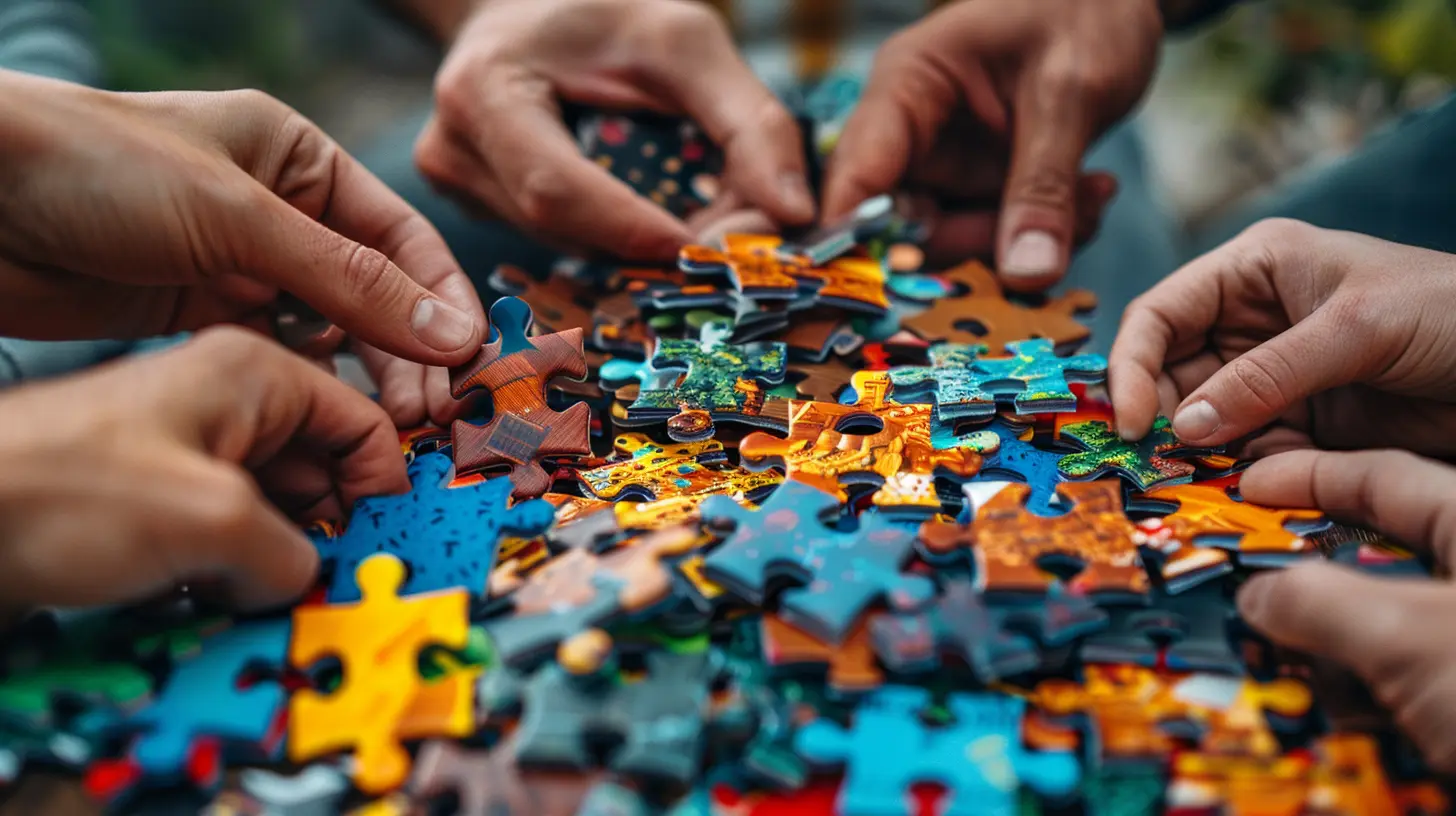
? What Are Open Educational Resources (OER)?
Before we dive into the collaborative aspect, let’s get clear on what Open Educational Resources actually are.OER are free and openly licensed educational materials that can be used for teaching, learning, research, and beyond. They come in various forms, including:
- Textbooks ? (Goodbye, expensive books!)
- Online Courses ? (Think MOOCs and free academic lectures)
- Videos & Podcasts ? ?️ (Learning made engaging)
- Research Papers & Articles ? (No more paywalls)
- Software & Tools ?️ (For an interactive learning experience)
Because these resources are openly accessible, anyone—students, teachers, or self-learners—can use, adapt, and share them. This removes the barriers of cost and accessibility, fostering a culture of inclusion and collaboration. 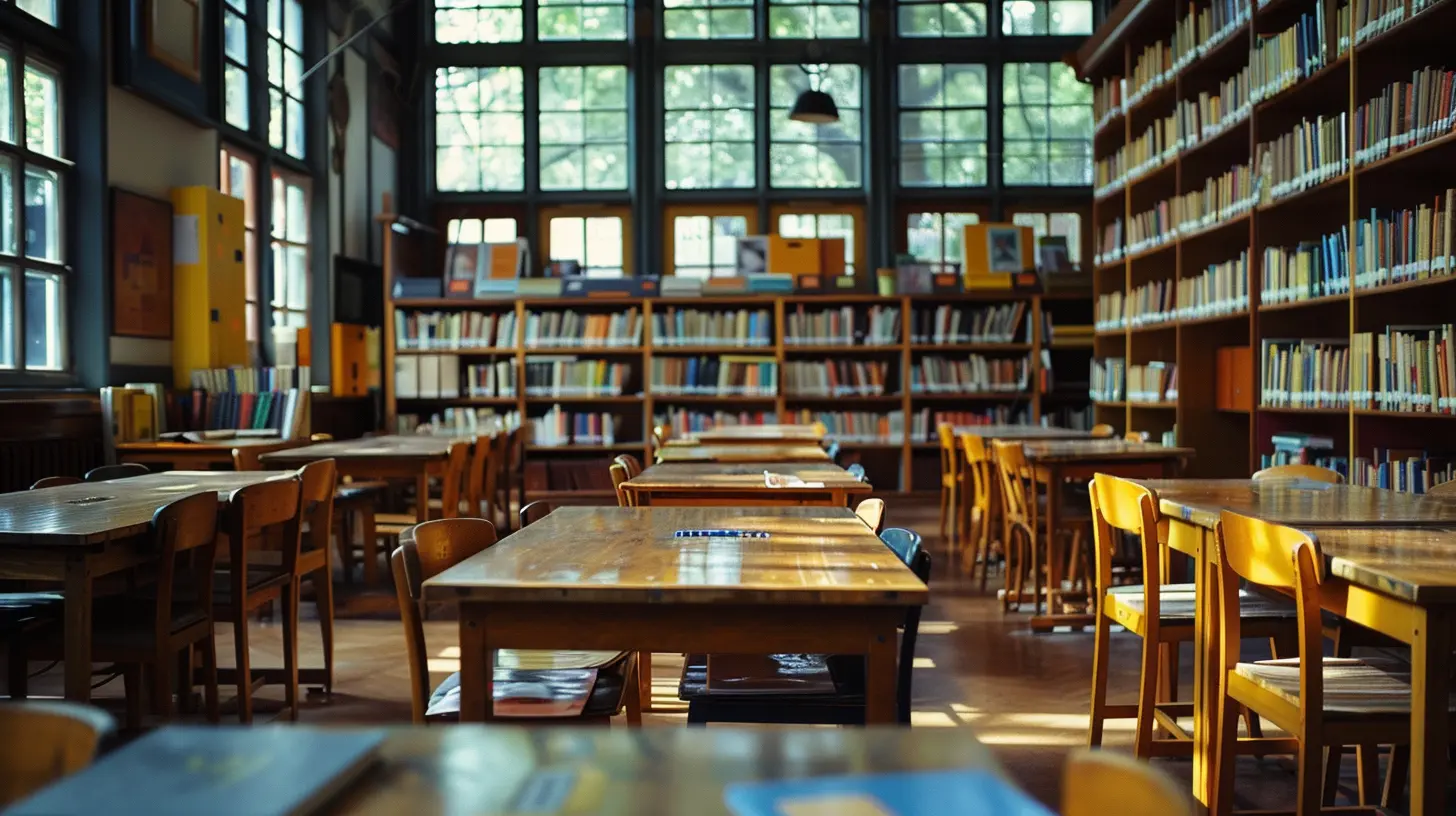
? The Power of Collaborative Learning
Now, let's talk about why collaborative learning is a game-changer.Collaborative learning is all about students and educators working together to achieve common goals. Instead of learning in isolation, individuals share ideas, question concepts, and build on each other’s knowledge.
Think of it like a digital study group—but instead of being confined to a classroom, it’s happening across the globe. Students from different backgrounds, cultures, and perspectives come together to learn, co-create, and innovate.
And here’s where OER step in as the ultimate enabler of collaboration. 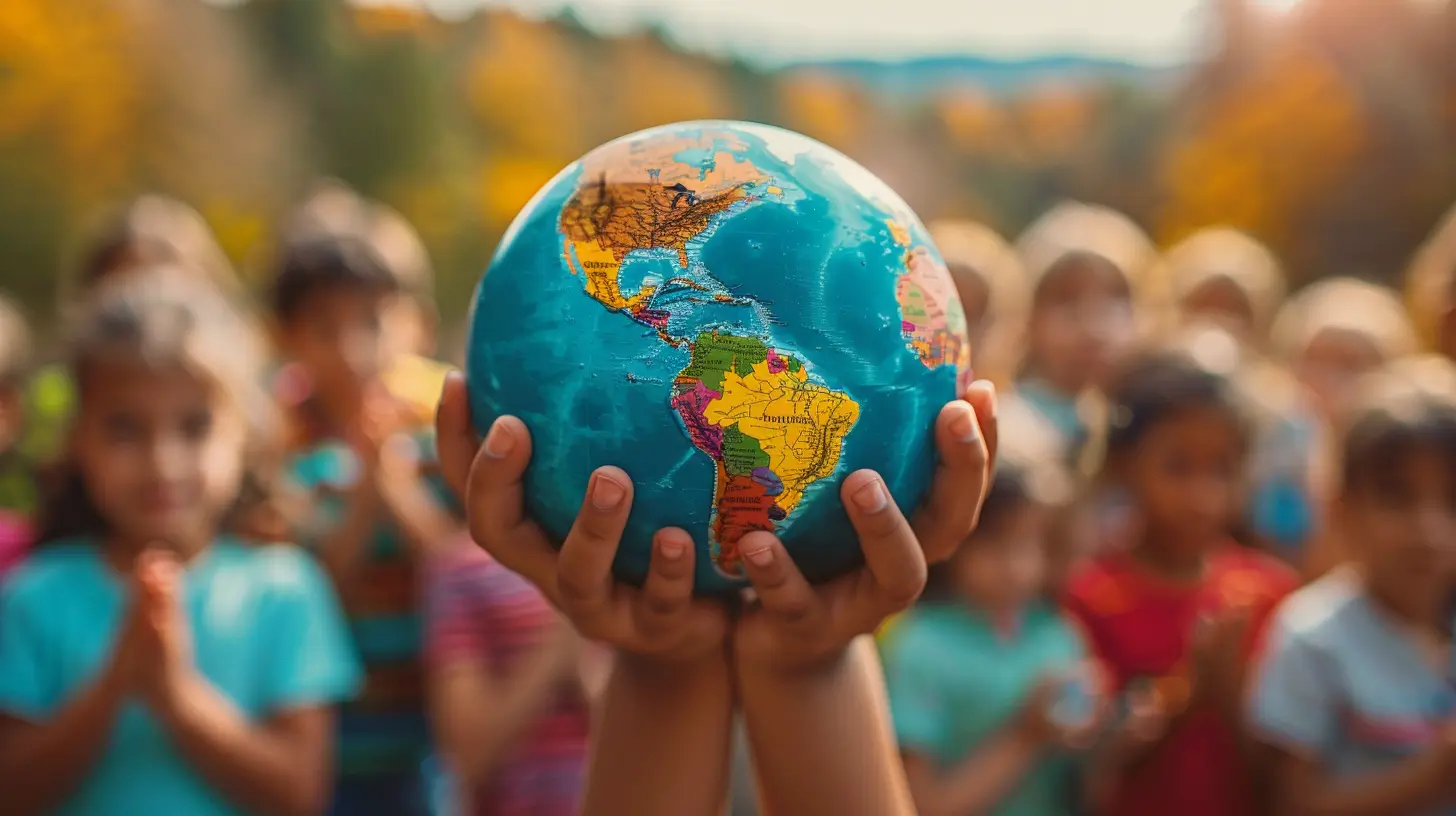
? How OER Foster Collaborative Learning Communities
1️⃣ Breaking Down Barriers to Education
Let’s face it—traditional education can be expensive. Many students struggle with the high cost of textbooks, course materials, and tuition.OER levels the playing field by making quality educational materials accessible to everyone, regardless of financial background. When students aren’t held back by costs, they can focus on learning and engaging with their peers.
This affordability also means that educators and students can collaborate without worrying about financial constraints, leading to more inclusive learning environments.
2️⃣ Encouraging Knowledge Sharing & Open Discussions
Imagine you're working on a research project, and you find an amazing open-access paper. Instead of keeping it to yourself, you share it with your classmates. They read it, add their own insights, and soon, you’re having a deep discussion on the topic.That’s the magic of OER!
When educational resources are freely available, students and educators are more likely to share insights, collaborate on academic work, and participate in open discussions. This exchange of knowledge stimulates critical thinking and problem-solving skills, making learning a truly interactive process.
3️⃣ Enhancing Peer-to-Peer Collaboration
OER platforms often come with interactive features, such as:- Discussion forums ?️
- Peer-reviewed contributions ✔️
- Collaborative editing tools (like Wikis) ?
These tools encourage students to co-create educational content, review each other’s work, and contribute to a larger knowledge base.
Think of Wikipedia—it's one of the best examples of an open, collaborative knowledge-sharing platform built entirely on the principles of OER!
4️⃣ Giving Educators the Freedom to Customize and Adapt
Traditional textbooks and lesson plans are rigid. If a teacher finds outdated information or wants to cater better to their students’ needs, there’s little they can do.OER, on the other hand, are flexible and modifiable. Educators can:
✅ Adapt resources to fit their unique classroom needs
✅ Combine different OER materials for a more engaging curriculum
✅ Encourage students to contribute to learning materials
This adaptability not only makes learning more student-centered but also encourages collaboration between educators and students.
5️⃣ Building Global Learning Communities
With OER, students and educators aren’t limited to their local institutions. They can connect with people from around the world, engaging in discussions, sharing findings, and working on collaborative projects.Some well-known platforms driving this global collaboration include:
- MIT OpenCourseWare (Providing free university-level courses)
- Khan Academy (Educational videos on countless subjects)
- Coursera & edX (Offering open courses from prestigious universities)
These platforms bring together learners from different cultures and backgrounds, helping create a connected global learning community.
6️⃣ Promoting Lifelong Learning & Open Innovation
OER aren’t just for students in school or university. They play a crucial role in lifelong learning and continuous skill development.By offering free and open access to high-quality learning materials, OER empower people to learn at their own pace, anytime, anywhere.
And let’s not forget innovation—when knowledge is open and freely shared, new ideas emerge, industries evolve, and society benefits. 
? Overcoming Challenges in OER-Based Collaboration
While OER have massive potential, there are still a few challenges:- Quality Control – Not all OER materials are high-quality or accurate.
- Lack of Awareness – Many educators and students have yet to discover the full potential of OER.
- Digital Divide – Not everyone has equal access to technology or the internet.
However, with increasing global initiatives and support from educational institutions, these challenges are gradually being tackled. The more people embrace OER, the stronger learning communities will become.
? Final Thoughts
Open Educational Resources are more than just free learning materials—they are the foundation of collaborative learning communities. By breaking down barriers, encouraging knowledge sharing, and fostering a spirit of openness, OER create inclusive, engaging, and dynamic educational experiences.So, whether you’re a student, teacher, or self-learner, why not dive into the world of OER and start collaborating today? Who knows—you might just change the way education works for good!
all images in this post were generated using AI tools
Category:
Open Educational ResourcesAuthor:

Anita Harmon
Discussion
rate this article
1 comments
Evren Bell
Open Educational Resources truly empower collaboration. They break down barriers to knowledge, allowing diverse voices to contribute and creating richer learning experiences.
August 1, 2026 at 4:26 AM
Anita Harmon
I completely agree. Open Educational Resources not only enhance access but also invite diverse perspectives, enriching the learning process for everyone involved.