Breaking Down Barriers with Open Educational Resources
20 June 2026
Education should be a right, not a privilege. But let's be real—many learners around the world struggle to access quality learning materials due to financial, geographical, or institutional barriers. Enter Open Educational Resources (OERs)—the game-changer that’s reshaping the way we think about learning.
OERs are free, accessible, and adaptable educational materials that empower students, educators, and lifelong learners. But what makes them so powerful? And how are they breaking down the roadblocks that stand between learners and knowledge? Let's dive in.
What Are Open Educational Resources (OERs)?
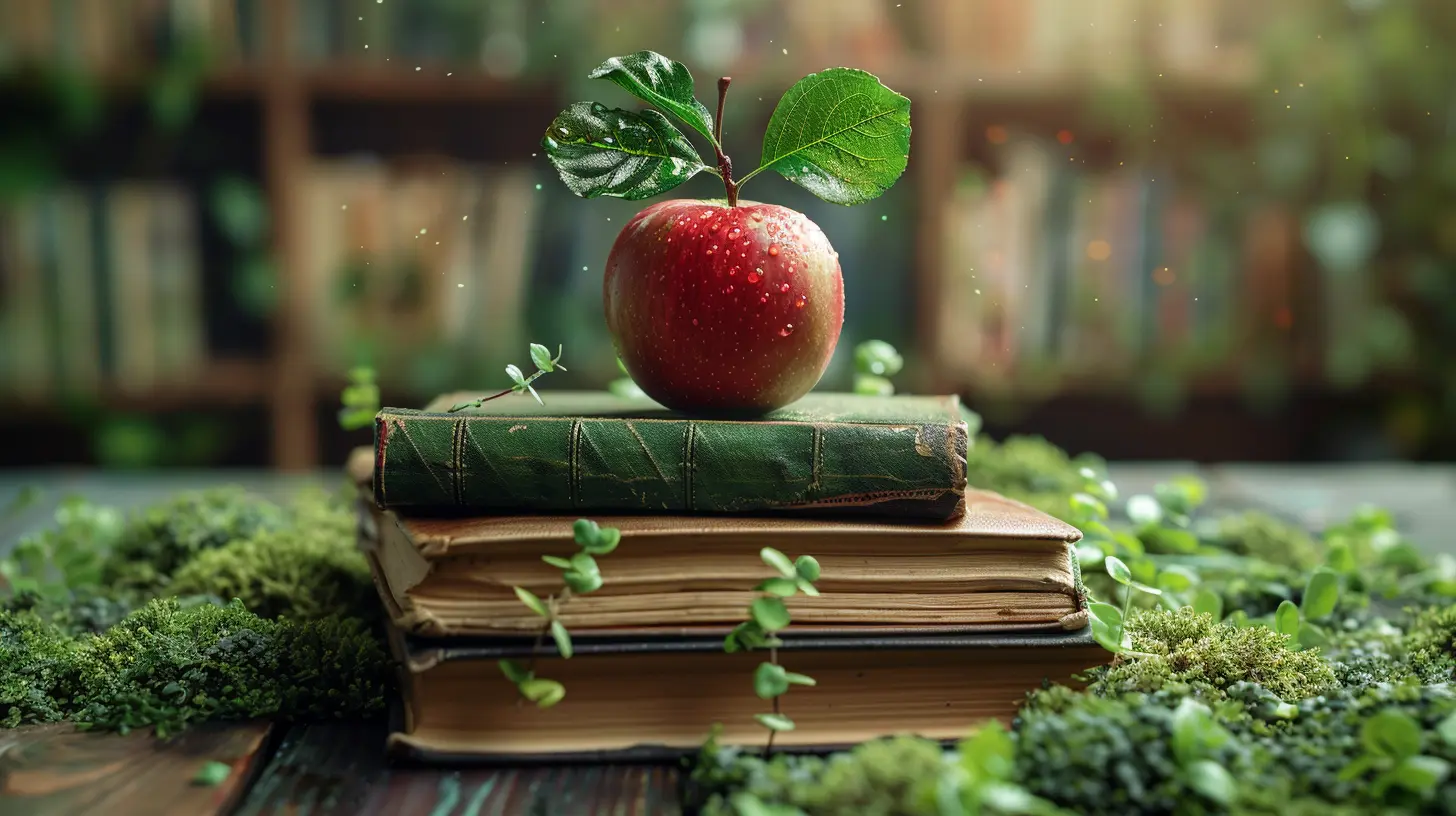
Simply put, OERs are learning materials that anyone can use, adapt, and share for free. These resources include textbooks, course materials, syllabi, lecture notes, quizzes, and even entire courses.The key feature? They're openly licensed, meaning they can be freely modified and distributed without breaking copyright laws. The most common licenses used for OERs come from Creative Commons (CC), which allows educators and students to remix, tweak, and improve resources to fit their needs.
Some examples of OERs include:
- Open textbooks like those from OpenStax
- Massive Open Online Courses (MOOCs) from platforms like Coursera and edX
- Lecture videos and podcasts from top universities
- Interactive learning modules and simulations
Now that we know what OERs are, let’s talk about why they matter.
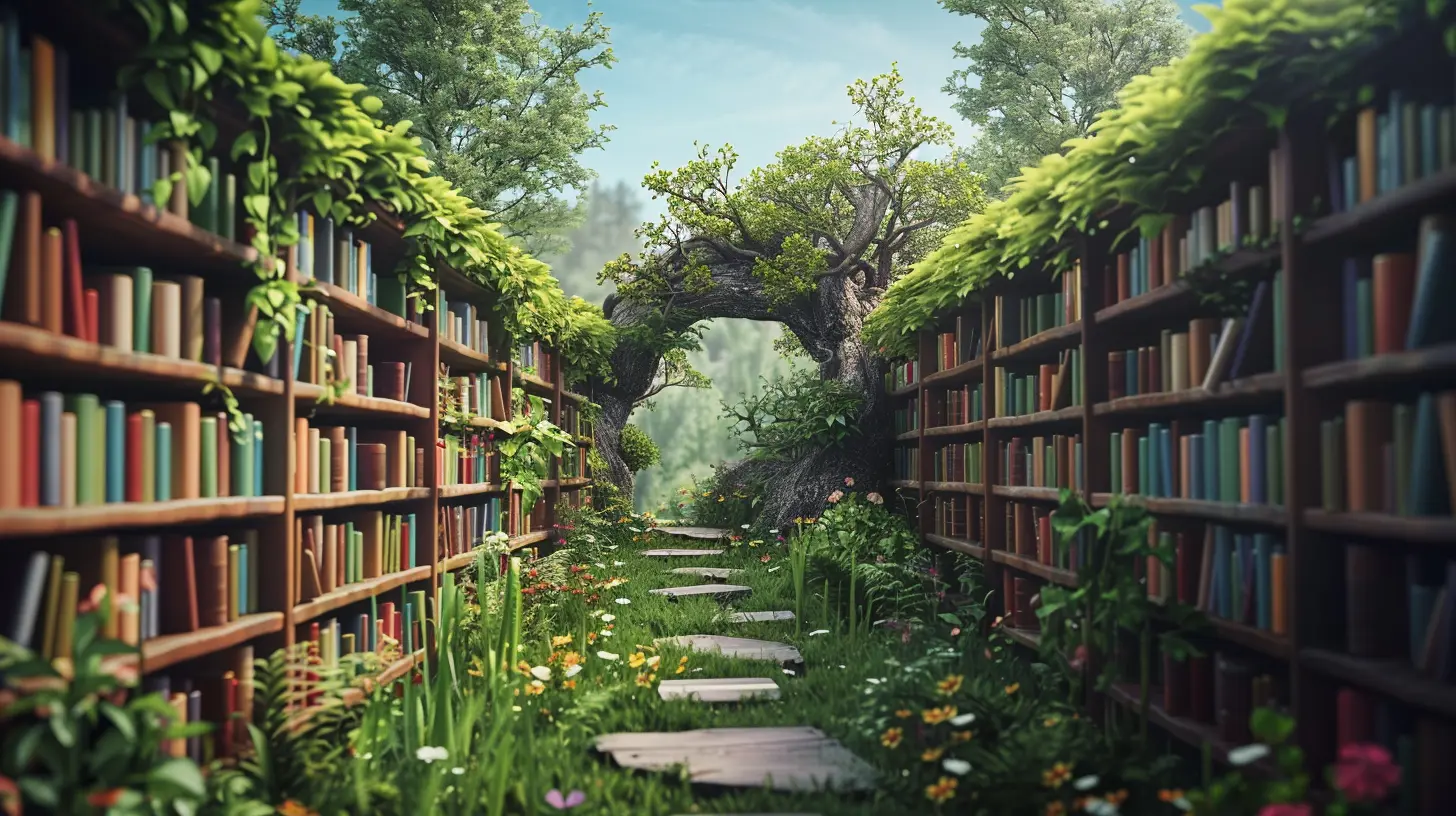
The Barriers to Education
Despite technological advancements, education is still out of reach for millions due to:1. Financial Constraints
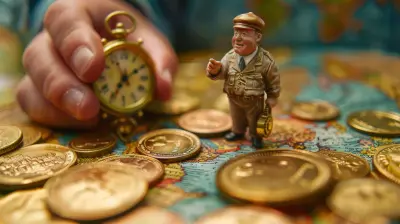
Traditional textbooks and course materials can be ridiculously expensive. The cost of higher education, especially in countries like the U.S., deters many from even considering college. OERs eliminate this barrier by providing high-quality resources for free.2. Limited Availability of Resources
Not every school or university has access to the latest books, research, or courses. In underprivileged and rural areas, students often rely on outdated materials that don’t reflect current knowledge. With OERs, the latest educational content is just a click away.3. Language and Cultural Barriers
Most traditional textbooks are written in English or in a way that may not resonate with learners from diverse backgrounds. Since OERs can be translated and localized, they offer a more inclusive learning experience.4. Institutional Barriers
Many educational institutions have strict access policies for learning materials. Locked behind paywalls, these resources remain out of reach for students who aren't enrolled in specific programs. OERs break down these walls, making content available to anyone, anywhere.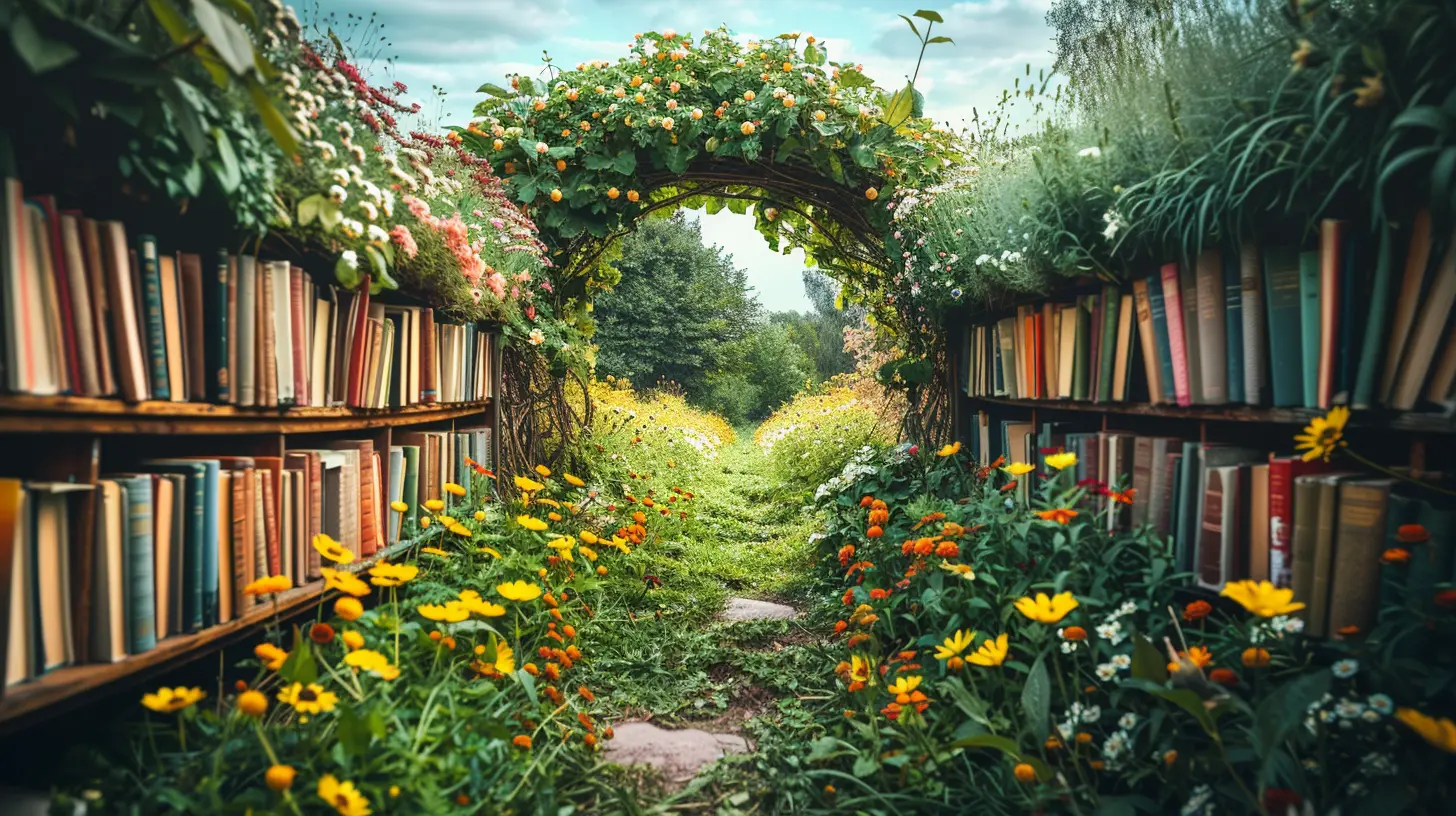
How OERs Are Changing the Game
OERs aren’t just about free textbooks—they’re about reshaping education for the better. Here’s how they’re making a difference:1. Affordable Learning for Everyone
Why should knowledge come with a price tag? OERs ensure that students don’t have to choose between buying a textbook or paying for groceries. By using open resources, students save hundreds, sometimes thousands, of dollars throughout their academic journey.2. Empowering Educators
Teachers and professors can modify OERs to better suit their students’ needs. Instead of being stuck with a single textbook, they can curate content from multiple sources, create their own materials, and keep information up-to-date.3. Lifelong Learning Opportunities
OERs benefit not just students, but everyone who wants to learn. Whether you're a working professional trying to upskill, a stay-at-home parent rekindling a passion for education, or a retiree diving into a new subject, OERs provide knowledge without financial strain.4. Bridging the Digital Divide
Since many OERs can be downloaded or printed, they also help learners in areas with limited internet access. Digital resources that work offline ensure that even in remote areas, students aren’t left behind.5. Encouraging Collaboration and Innovation
Because OERs are open for modification, educators worldwide are collaborating like never before. They're creating better, more engaging materials that can be continuously improved to reflect the latest discoveries and teaching methods.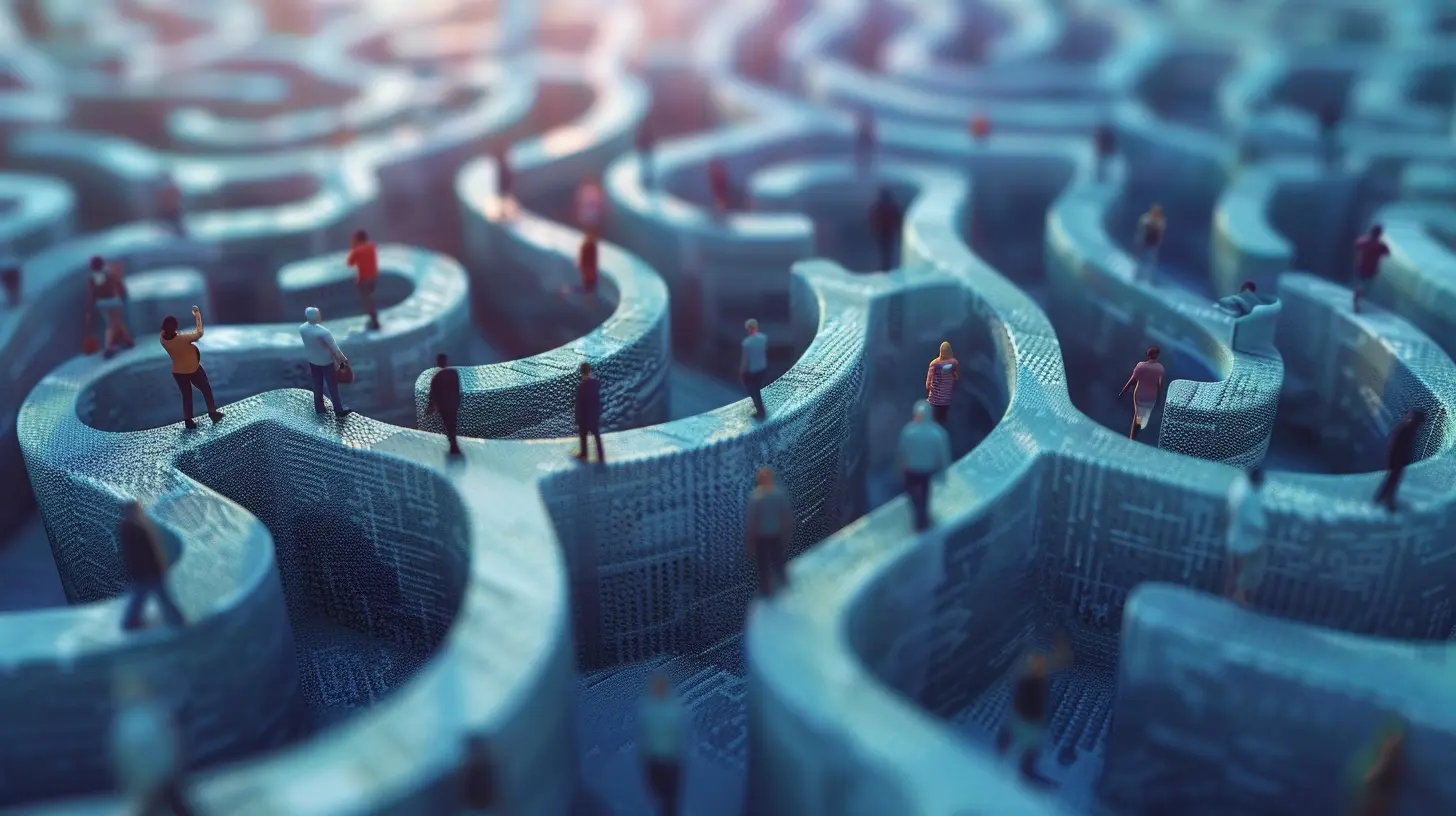
Challenges and Criticisms of OERs
OERs aren’t without challenges. While they offer a wealth of knowledge, there are some concerns, such as:1. Quality Control
Since anyone can create OERs, there’s sometimes a lack of peer review. However, many platforms now have rigorous vetting processes to ensure the content is reliable and credible.2. Awareness and Adoption
Many educators and students still don’t know about OERs. Institutions need to promote open resources and integrate them into curricula to maximize their impact.3. Technological Barriers
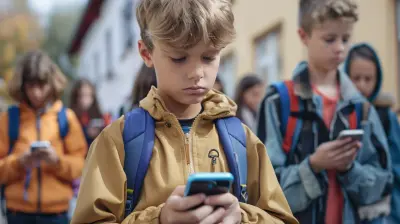
Although online resources are accessible, not everyone has a stable internet connection or a device to access them. Investing in digital infrastructure is crucial to making OERs truly universal.The Future of OERs
With the rapid growth of technology and the push toward inclusive education, the future looks promising for OERs. Governments, universities, and educational organizations worldwide are increasingly supporting open education, making learning more accessible than ever.What Can You Do?
- If you’re a student, explore OERs to find free textbooks and resources. Try platforms like OpenStax, MIT OpenCourseWare, or Khan Academy.- If you’re an educator, consider adopting OERs in your teaching, customizing materials to fit your students’ needs.
- If you’re passionate about education, advocate for OER use in schools and universities. The more people know about them, the bigger the impact.
Conclusion
Education isn’t just about getting degrees—it’s about gaining knowledge and skills that empower lives. Open Educational Resources are dismantling the traditional barriers of cost, accessibility, and exclusivity, making learning available for everyone, everywhere.By supporting OERs, we're advocating for a future where education is truly open and borderless—a world where knowledge isn’t locked away behind paywalls but shared freely for the betterment of society.
It’s time to break down those barriers and make learning a right, not a privilege.
all images in this post were generated using AI tools
Category:
Open Educational ResourcesAuthor:

Anita Harmon
Discussion
rate this article
1 comments
Quillan Martinez
Great insights! Open educational resources truly empower learners and promote inclusivity. Together, we can create a more accessible education for all.
June 25, 2026 at 10:25 AM
Anita Harmon
Thank you! I completely agree-open educational resources have the potential to make education more inclusive and accessible for everyone.