How Experiential Learning Prepares Students for Real-World Success
25 August 2026
Let’s be honest—traditional classroom learning has its perks. But how much can you really understand leadership from a textbook? Or teamwork from a PowerPoint slide? Not much, right? That’s where experiential learning comes in—a game-changer in education that's shaking things up and getting students ready for the real world.
You’ve probably heard the phrase “learning by doing,” and that sums it up pretty well. Experiential learning isn’t about memorizing facts just to forget them after the exam. It’s about rolling up your sleeves, getting hands-on, and making sense of concepts by actually living them.
So, if you're curious about how experiential learning actually works and why it's becoming the go-to method to prep students for real-world success, buckle up. We’re diving into the whys, the hows, and the wow moments of this powerful learning approach.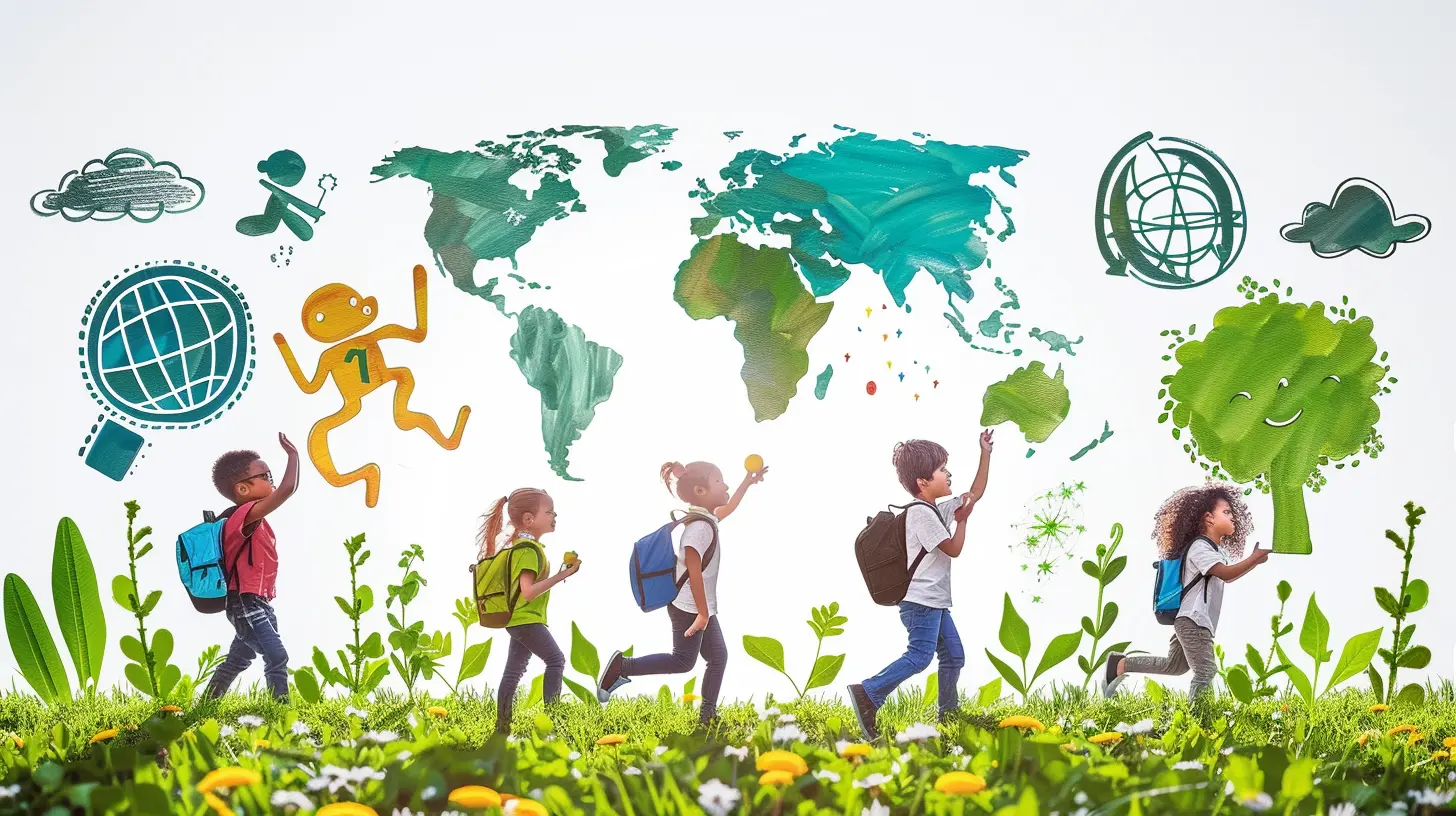
What Is Experiential Learning, Anyway?
Let’s start with the basics. Experiential learning is exactly what it sounds like—gaining knowledge through experience. Instead of sitting through lectures or reading endless chapters, students get engaged in activities that require active participation.Think internships, simulations, service learning, study abroad programs, lab experiments, group projects, and even role-playing. These aren’t just “fun extras”—they’re critical ways for students to connect theory with practice.
In the words of educational theorist David Kolb, who championed experiential learning: “Learning is the process whereby knowledge is created through the transformation of experience.” In simpler terms? Experience first. Understanding second.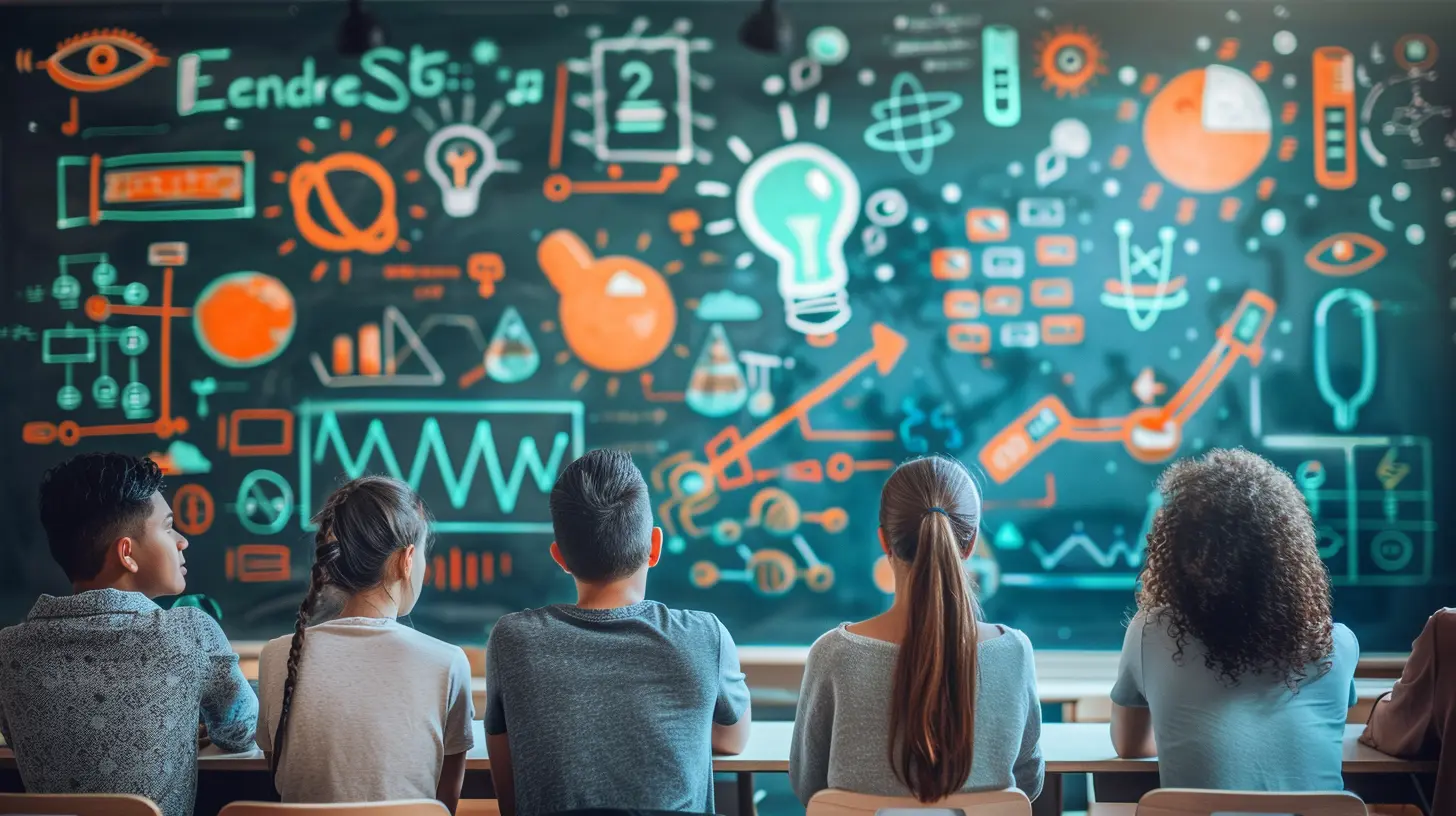
Why Traditional Learning Falls Short
Let’s not throw shade at traditional learning totally—it has its time and place. We’ve all needed a solid foundation of facts and theories before we could start forming our own ideas. But the problem is, it often stops there.Imagine learning how to swim by reading a manual. You could ace the written test and still sink like a rock the first time you jump into a pool. That’s what happens when students graduate with high GPAs but feel lost when they step into the workforce.
Experiential learning fills that gap. It bridges the classroom and the real world in a way that lectures and textbooks can’t.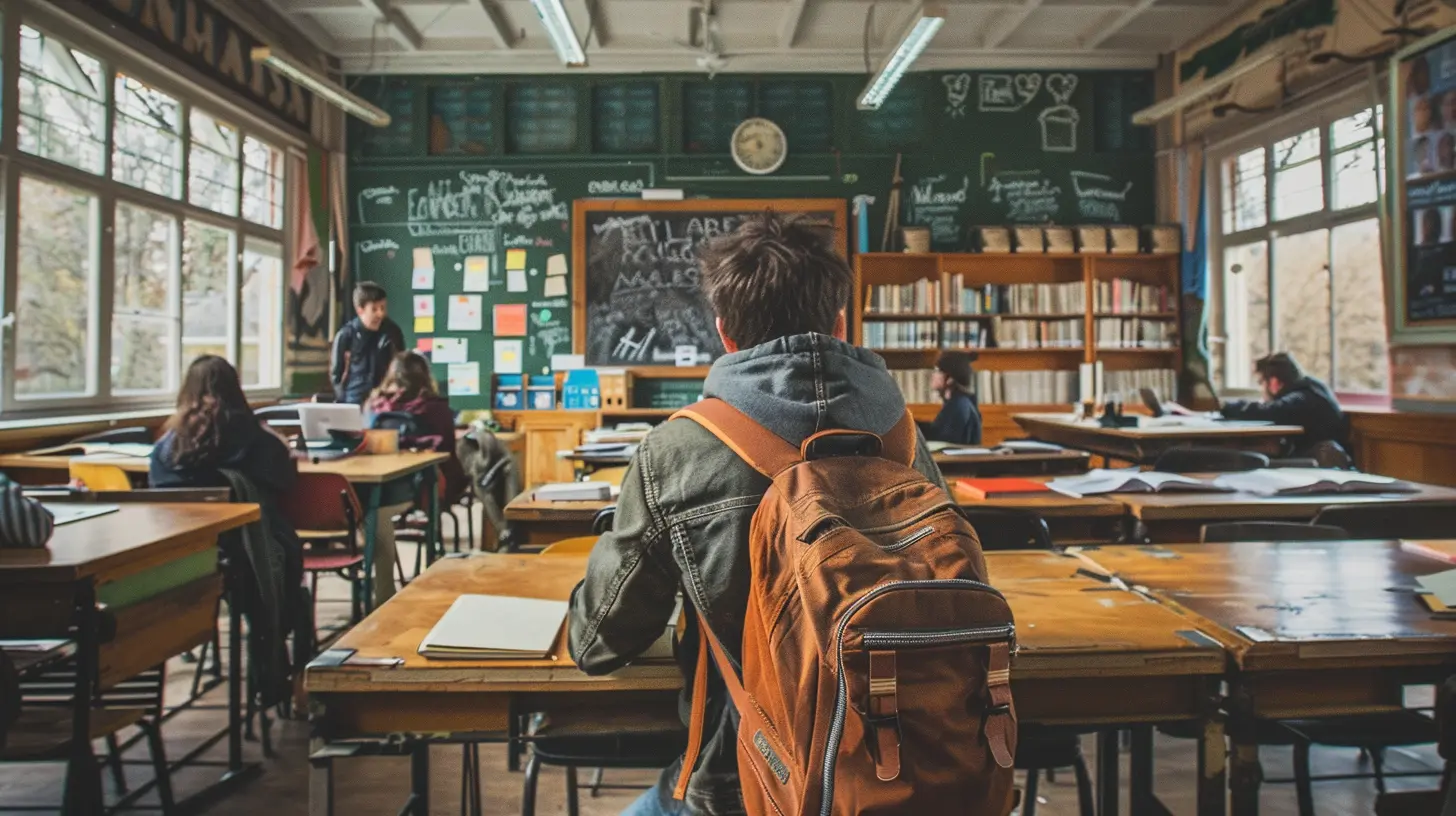
The Core Benefits of Experiential Learning
1. Builds Real-World Skills
Let’s get real—employers these days are less interested in what you know and more interested in what you can do.Through experiential learning, students develop critical soft skills like:
- Communication
- Leadership
- Creativity
- Problem-solving
- Time management
- Collaboration
These are the exact skills needed in the workplace. Think about a group project that involves managing deadlines, dividing responsibilities, and troubleshooting issues—that’s a full-blown simulation of any workplace scenario.
2. Boosts Confidence and Independence
There’s something empowering about solving problems on your own or learning from real experiences—even failures. Experiential learning gives students space to try, mess up, reflect, and try again. That cycle boosts their confidence big time.Remember that feeling when you finally figured out how to ride a bike after falling a dozen times? That’s experiential learning in action. And it sticks with you longer than anything you memorized for a quiz.
3. Encourages Critical Thinking and Reflection
This isn’t just about doing—it’s about thinking while doing. Experiential learning encourages ongoing self-evaluation. After a project, students ask questions like:- What went well?
- What could I have done differently?
- How can I apply this experience elsewhere?
It's that reflection piece that makes the experience meaningful. It helps students grow and adapt, just like they’ll need to in real-life challenges.
4. Bridges the Gap Between Theory and Practice
Ever sat in class wondering, “When am I ever going to use this?” You’re not alone.Experiential learning provides that “aha!” moment where the abstract suddenly feels relevant. Whether it’s applying economic theory during a mock business simulation or using biology knowledge in a conservation field trip, students see the why behind the what.
That connection is gold—it makes learning feel purposeful.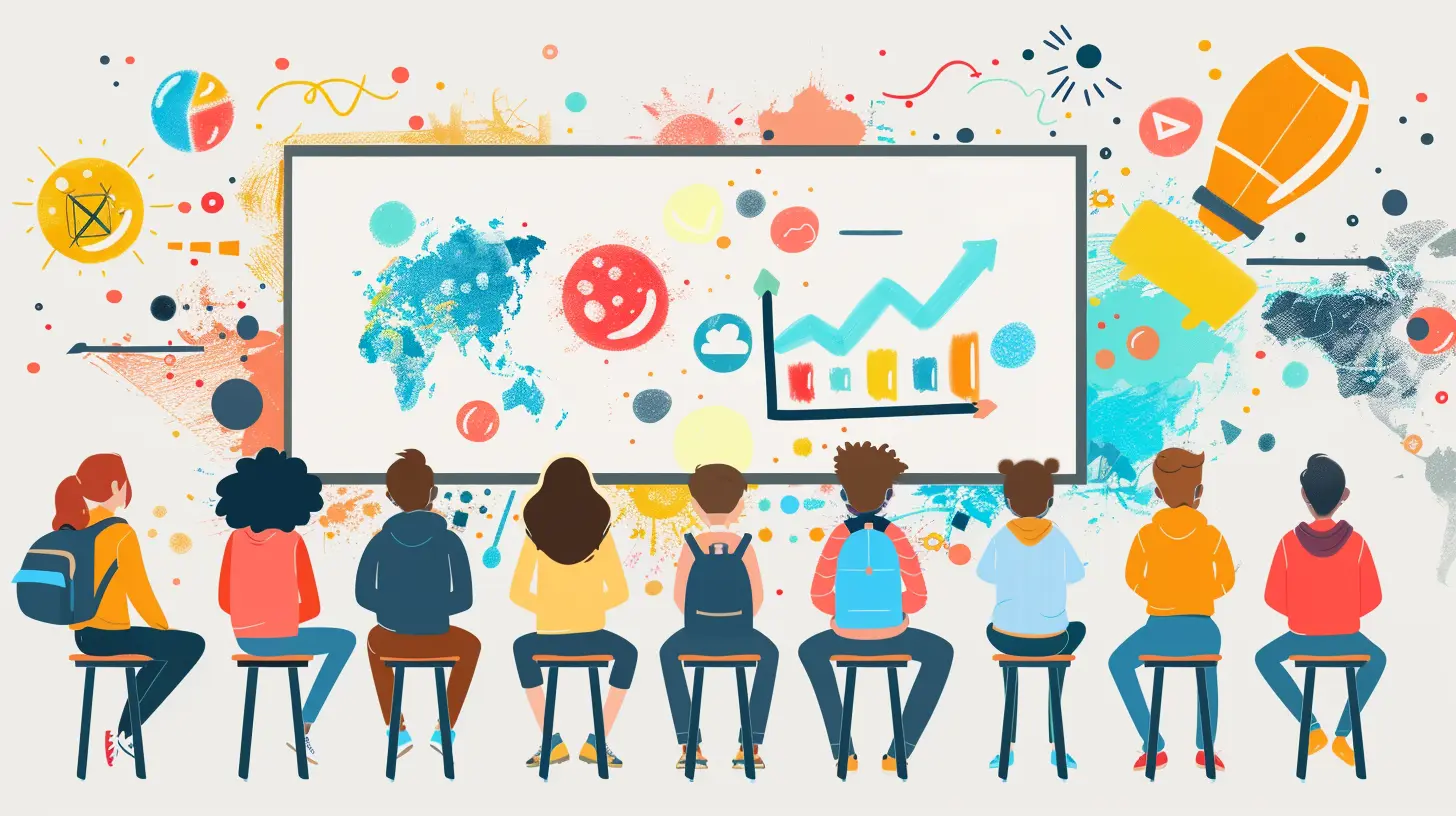
Types of Experiential Learning That Lead to Success
Experiential learning isn’t one-size-fits-all. It comes in all shapes and sizes. Let’s take a closer look at some of the most effective examples.1. Internships and Work-Based Learning
Nothing beats real work experience. Internships, externships, co-op programs—they all provide a taste of the professional world.Students gain industry insights, build networks, and understand what it’s really like to work in their chosen field. Plus, let’s be real—it looks great on a resume.
2. Service-Learning Projects
Service-learning is all about combining community service with academic learning. Students volunteer their time to work on real issues while reflecting on what they're learning in class.It’s education with heart. Beyond skill development, students build empathy, social responsibility, and cultural awareness.
3. Study Abroad and Cultural Immersion
Traveling isn’t just for vacations—it’s a powerful tool for learning. Study abroad programs throw students into new cultures and environments where they have to adapt quickly.They learn communication skills, global perspectives, and get a true taste of independence.
4. Simulations and Role-Playing
From mock trials in law school to business strategy games in MBA programs, simulations mimic real-world scenarios in a safe environment. Students get to experiment, take risks, and learn from the outcomes.It’s like playing “real life” with a safety net.
5. Entrepreneurial Projects
Have a business idea? Experiential learning can help students bring concepts to life through startup incubators, pitch competitions, and innovation labs.These opportunities sharpen everything from budgeting to branding, and they’re a crash course in persistence and adaptability.
The Role of Educators in Experiential Learning
Of course, none of this works without teachers and faculty who embrace the approach. Educators aren’t just delivering content anymore—they’re facilitators, mentors, and sometimes even co-creators of learning experiences.They design opportunities that are hands-on, reflective, and tied to clear learning outcomes. They ask powerful questions, encourage curiosity, and push students to dig deeper.
That kind of teaching leaves a mark. Students remember those professors for life because they helped them become rather than just learn.
How Schools and Colleges Can Support Experiential Learning
It takes a village, right? Schools and institutions play a huge part in making experiential learning the norm rather than the exception.Here’s how they can help:
- Develop partnerships with local businesses, nonprofits, and startups for student placements.- Incorporate experience-based assignments into the curriculum.
- Provide resources like labs, maker spaces, and innovation hubs.
- Encourage interdisciplinary projects that break down silos between departments.
- Support faculty training to help instructors shift from traditional models to experiential teaching styles.
When schools invest in these areas, students thrive—and so does their future.
Real Students, Real Success Stories
Let’s make it real with a couple of student examples.Take Aisha, a political science major who worked on a community outreach project during her service-learning course. She didn’t just read about policy—she helped shape it by working with local leaders to improve voter access.
Or James, an engineering student who interned at a sustainable tech startup. He didn’t just learn how solar panels work—he helped design a prototype that could be used in off-grid communities.
These experiences didn’t just pad their resumes. They changed the way they saw the world—and how they saw themselves in it.
Final Thoughts: It's Not Just Learning—It's Becoming
In a world that’s changing faster than ever, students need more than facts and figures. They need adaptability, resilience, collaboration, and a deep understanding of how to apply knowledge in messy, unpredictable situations.That’s the magic of experiential learning.
It’s not just about preparing students for careers. It’s about preparing them for life.
So whether you're a student looking to make the most of your education, a parent wanting the best future for your child, or an educator aiming to reinvent the classroom—make room for experience. Because real-world success starts with real-world learning.
all images in this post were generated using AI tools
Category:
Education ReformAuthor:

Anita Harmon
Discussion
rate this article
2 comments
Lindsey Harper
This article highlights the importance of hands-on experiences in education. By integrating real-world challenges, educators can equip students with essential skills and confidence, ultimately leading to greater success in their future careers.
September 21, 2026 at 6:58 AM
Anita Harmon
I appreciate your insight. Hands-on experiences truly bridge the gap between theory and practice, empowering students for real-world challenges.
Rylan McQuaid
Experiential learning: the key to real success.
September 2, 2026 at 3:59 AM