How Educators Can Support Students Who Witness Bullying
19 September 2026
Bullying is like that one bad smell in a classroom—it lingers, spreads, and no one wants to talk about it, but everyone knows it’s there. While there’s a lot of emphasis on protecting victims and addressing bullies, we often forget about the silent spectators—the students who witness bullying.
These kids are in a tricky spot. They see what’s happening, they know it’s wrong, but they don’t always know what to do. That’s where educators come in! Teachers, counselors, and school staff play a crucial role in guiding these bystanders on how to react, support victims, and help build a bully-free school culture.
So, let’s jump into the nitty-gritty—how can educators support students who witness bullying? 
Understanding the Bystander Effect
We’ve all seen it before: A student gets bullied in the hallway, and a crowd forms. But instead of jumping in to help, most students just stand there—watching, whispering, maybe even laughing nervously. This is called the bystander effect, and it’s a real problem.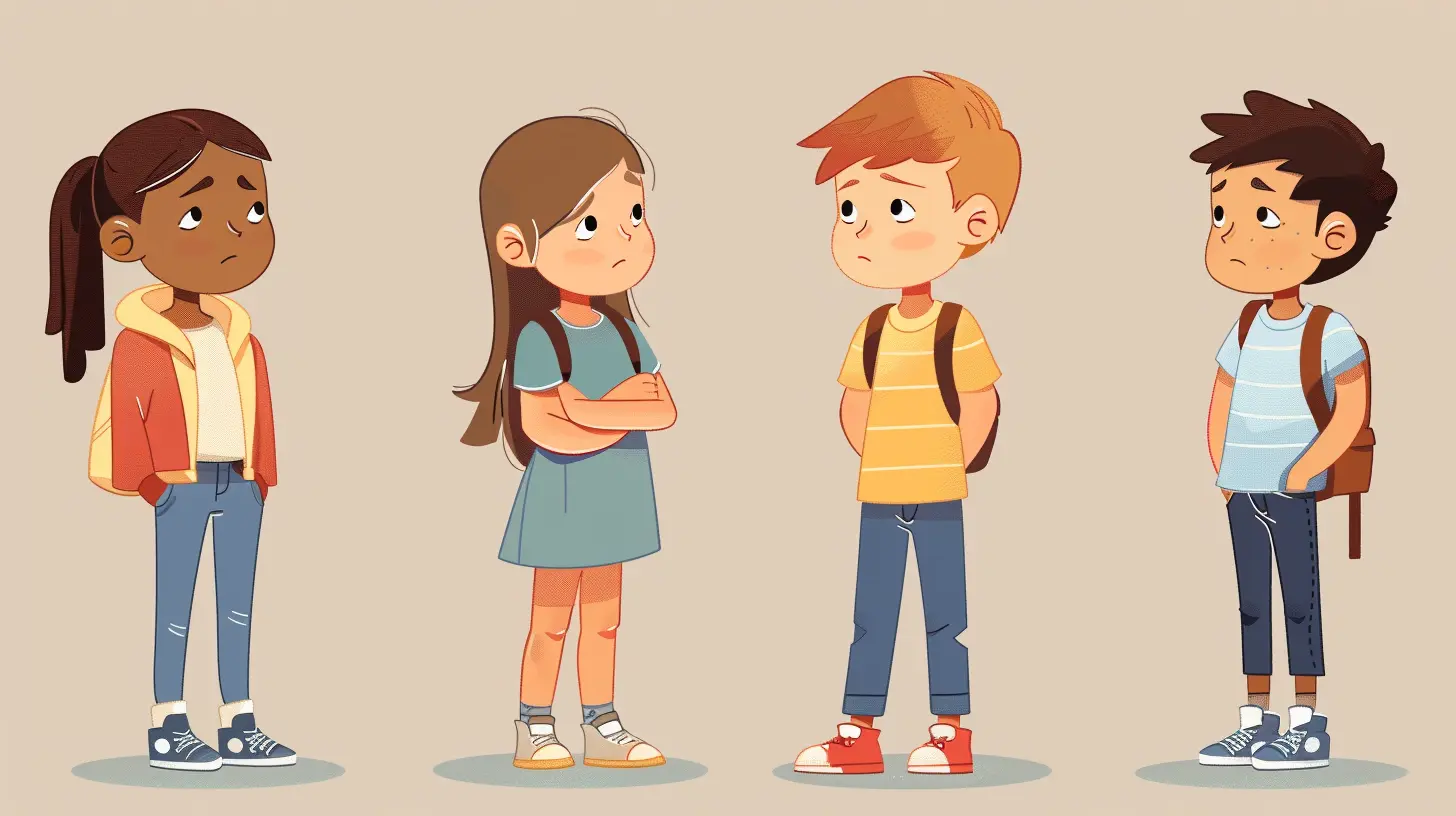
Why Don’t They Speak Up?
Well, imagine you're in a packed elevator and someone sneezes—HARD. It’s gross, it’s loud, but no one says anything. Why? Because everyone is waiting for someone else to react first.That’s the bystander effect in action. When students witness bullying, they often hesitate because:
- They're afraid of becoming the next target.
- They assume someone else will step in.
- They don’t know how to help without making things worse.
But here’s the thing—bystanders have serious power. If we can guide them to step up, we can change the entire school environment. 
How Educators Can Help Students Respond to Bullying
1. Teach Them That Silence Equals Approval
One of the simplest (yet most powerful) lessons educators can teach bystanders is this: If you do nothing, the bully thinks you’re on their side.That’s a tough pill to swallow, but it’s true. When a bully doesn’t get any opposition, they feel encouraged to keep going. Educators should emphasize that staying silent is the same as giving a bully a high-five.
Encourage students to:
✅ Verbally stand up for the victim (if safe).
✅ Report the bullying to a teacher or staff member.
✅ Show support to the victim after the incident.
Even small actions—like making eye contact with the victim or not laughing along with the bully—can make a difference.
2. Role-Playing to Build Confidence
Let’s be honest: Telling students to "just speak up" is about as useful as giving a fish a bicycle. If they’ve never practiced what to say, they’re not going to magically become anti-bullying superheroes overnight.That’s where role-playing comes in. Set up scenarios where students can practice:
- How to calmly tell a bully to stop.
- How to distract the bully (change the subject, ask a random question, etc.).
- How to support the victim afterward.
When kids rehearse these actions, they’ll feel WAY more confident using them in real-life situations.
3. Make Reporting Normal (Not Tattling!)
Nobody wants to be labeled a snitch. And unfortunately, many students see reporting bullying as "tattling" rather than protecting their classmates.It’s crucial for educators to reframe reporting. Instead of making it seem like "telling on someone," emphasize that it’s about keeping the school safe and standing up for what's right.
Ways to encourage reporting:
? Set up an anonymous reporting system (a "bully box" or online form).
? Praise students who report incidents (without embarrassing them).
? Remind kids that reporting isn’t about getting someone in trouble—it’s about preventing harm.
4. Foster a School Culture of Kindness
Bullying thrives in toxic environments. If kindness is the norm, bullying becomes the weird, out-of-place behavior that no one wants to be a part of.Educators can promote a culture of kindness by:
? Leading by example—show respect to all students.
? Encouraging empathy—ask students how they would feel if they were in the victim’s shoes.
? Creating class discussions that focus on inclusivity and respect.
? Acknowledging kind acts—small rewards or shout-outs for students who help others.
If a school feels like a team, bullies are less likely to find support.
5. Educate the Educators
Let’s be real—some teachers and staff members still believe "kids will be kids" when it comes to bullying. That outdated mindset needs to go.Schools should provide training for educators on:
? The different types of bullying (physical, verbal, cyber, social).
? How to recognize when a student is affected by bullying—even if they aren’t the victim.
? Effective strategies for handling bullying situations.
When educators are equipped with the right knowledge, they can step in before bullying escalates.
6. Encourage Peer Support Programs
Sometimes, students listen to other students more than they listen to adults. That’s just a fact of teenage life. So why not use that peer influence for good?Schools can implement peer mentoring programs where older students support younger ones. This way:
✔ Students feel more comfortable opening up about bullying.
✔ Bystanders learn from role models who are closer to their age.
✔ A sense of school unity is strengthened.
When students know they have each other’s backs, bullies lose their power.
7. Address Cyberbullying Too!
Bullying doesn’t just happen in the hallways anymore—it follows students home through their screens. Witnesses of cyberbullying often feel even more powerless because everything happens online.Educators should teach students how to:
? Screenshot and report cyberbullying.
? Avoid engaging with online bullies (don’t "feed the trolls").
? Support the victim privately (sending a kind message can go a long way).
The internet can be a wild place, but students can still be allies in the digital world. 
Final Thoughts: Small Actions = Big Change
Educators play a huge role in shaping how bystanders react to bullying. By teaching students that their voices matter, giving them the tools to respond, and fostering a school culture of kindness, we can turn bystanders into upstanders.Remember, stopping bullying isn’t about one big heroic act—it’s about small, everyday actions that add up over time. And trust me, a school full of students who have each other’s backs? That’s the kind of place where bullying struggles to survive.
So, let’s get out there and turn our schools into safe, supportive communities—one informed bystander at a time!
all images in this post were generated using AI tools
Category:
Bullying PreventionAuthor:

Anita Harmon