How Blockchain Technology Can Revolutionize Educational Credentials
14 February 2026
Imagine a world where a single click can verify your college degree, certifications, or academic transcripts—without emails, phone calls, or third-party services. Sounds futuristic? Well, thanks to blockchain technology, that future is knocking on our doorsteps.
In this article, let’s dig into how blockchain technology can revolutionize educational credentials. If you're a student, educator, or employer, hang tight—this is something you’ll definitely want to know. We’ll break it down in plain English, no techie jargon here!
What Is Blockchain Anyway?
Before diving into how it ties into education, let’s get one thing straight: what the heck is blockchain?To put it simply, blockchain is a digital ledger—kind of like a notebook that’s impossible to erase or fake. It records data in a chain of blocks (hence the name), and once information is added, it’s locked in permanently. Everyone in the network can see the same data, but no one can mess with it without leaving a trace.
Think of it like a group project on Google Docs, where every edit is saved, visible, and timestamped—but on steroids.
Why Educational Credentials Need a Makeover
Let’s be real. The current way of managing educational credentials is… messy, outdated, and way too slow.Have you ever tried to get your college transcript sent to a new employer or another school? You fill out a form, wait days (or sometimes weeks), and probably pay a fee. Then there’s always that anxious moment—“Did they even receive it?”
Besides the hassle:
- Fraud is rampant: Fake degrees and certificates are easier than ever to create.
- Paper-based records fade or get lost: Hello, water-damaged diplomas!
- Global mobility is limited: Students and professionals moving across borders face huge red tape and delays.
Isn’t it about time we upgraded this system? That’s where blockchain swoops in like the superhero tech we didn’t know we needed.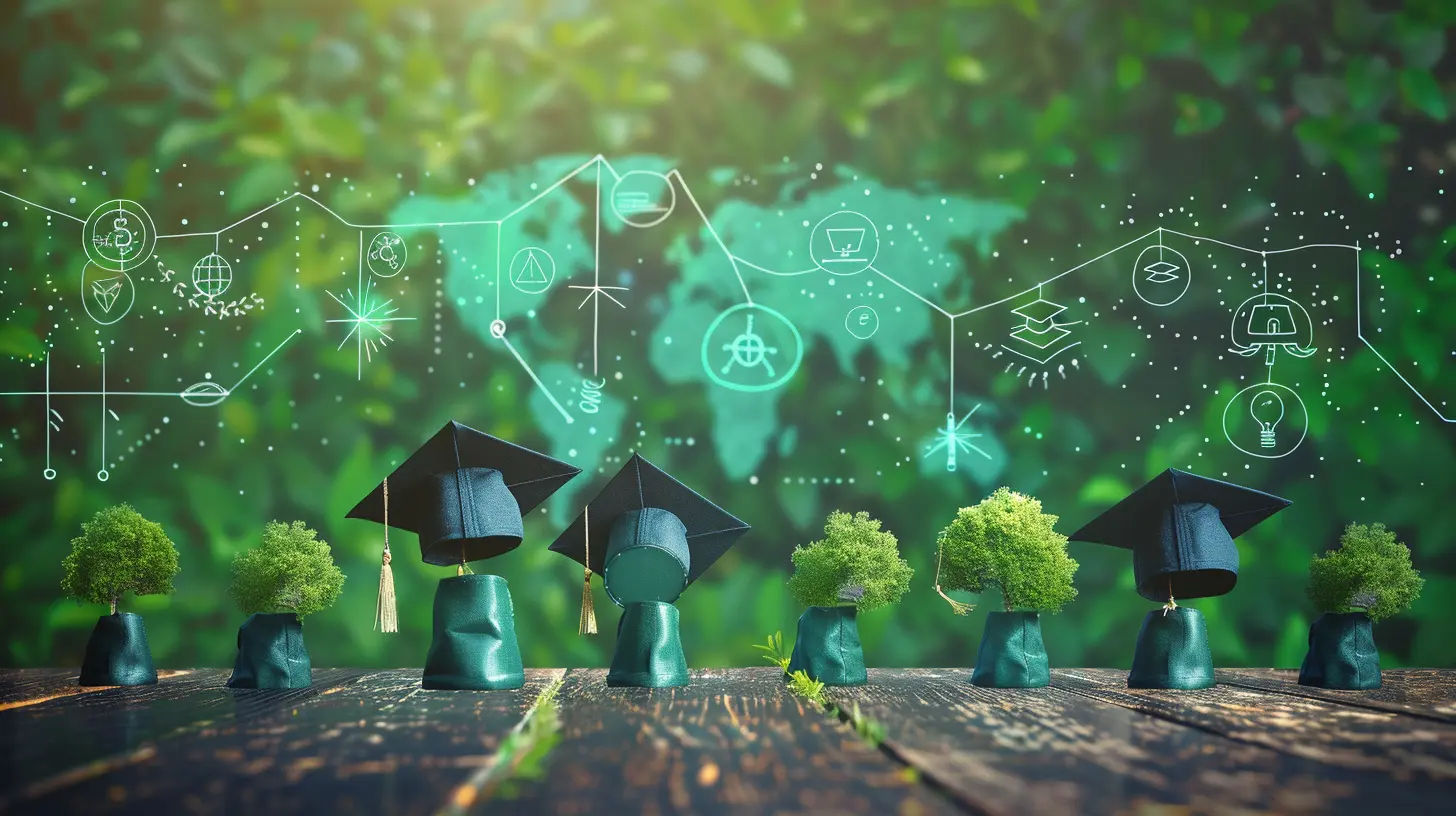
Blockchain + Education = A Perfect Match
Now let’s get into the fun part—how exactly blockchain can flip the table on traditional educational credentials.1. Instant Verification of Credentials
With blockchain, once your degree or certification is issued, it’s stamped onto the blockchain. That stamp is permanent, unchangeable, and publicly accessible to those you grant permission.No more back-and-forth emails, no more waiting weeks for credential checks. Employers could verify your degree while you're still in the interview chair.
Think of it like a digital passport for your academic life.
2. Tamper-Proof Records
One of blockchain’s biggest flexes is security. Because the records are decentralized and encrypted, it’s nearly impossible to forge them.That means:
- No more fake diplomas
- No altering grades post-graduation
- No lying on resumes (Sorry, serial falsifiers!)
It brings trust back to educational credentials—and that's a big deal for employers, schools, and students alike.
3. Ownership of Academic Achievements
Right now, your school “owns” your diploma. You might get a printed copy, but they control the official record.With blockchain, you become the rightful owner of your academic achievements. You can carry your credentials in your digital wallet and share them how and when you want.
You finally get to control your own story. How empowering is that?
4. Lifelong Learning Records
Learning doesn’t stop after high school or college. Between online courses, certifications, workshops, and nanodegrees, we’re constantly upskilling. But where do these achievements go?Usually, nowhere.
Blockchain allows for a comprehensive digital portfolio that follows you for life. Whether it's a university degree or a Coursera certificate, it’s all stored safely and accessibly in one place.
That means your entire education journey becomes a cohesive record—imagine a LinkedIn profile, but way more legit and verified.
5. Seamless Global Recognition
Many of us study in one country but work in another. The red tape involved in transferring and validating credentials internationally is enough to make you scream into a pillow.Blockchain makes cross-border recognition a breeze.
- It’s standardized
- Easily sharable
- Valid internationally
No matter if you completed your MBA in New York or New Delhi—your credentials can be verified just as easily.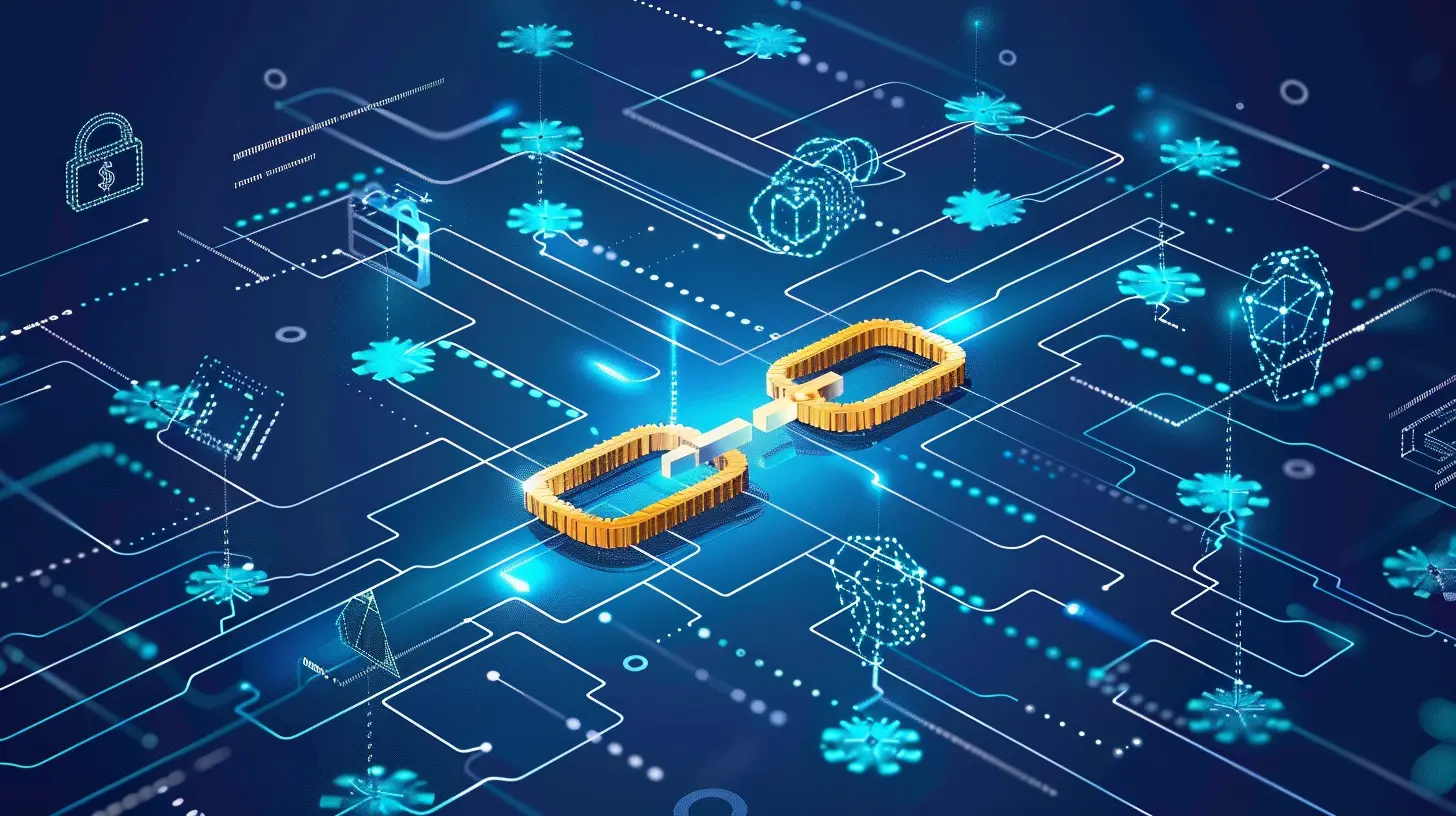
Real-Life Examples of Blockchain in Education
Let’s not just talk big. This isn’t just theory—some schools and institutions are already walking the walk.MIT’s Digital Diplomas
The Massachusetts Institute of Technology (MIT) has been piloting blockchain-based diplomas. Students receive a traditional paper diploma and a digital one that can be verified instantly from anywhere in the world. Super cool, right?The University of Nicosia
This institution in Cyprus was actually the first to issue academic certificates on the blockchain. They’ve even incorporated blockchain tech into their academic programs. Pioneers in every sense.Learning Machine
This startup (backed by blockchain platform Blockcerts) partners with educational institutions to issue blockchain credentials. It’s bridging the gap between education and employability in a sleek, digital way.The Challenges We Can’t Ignore
Of course, no technology comes without its fair share of hurdles. Blockchain in education is powerful, but it's not a magic wand.1. Technical Barriers
Many schools (especially underfunded ones) may not have the tech infrastructure or staff training needed to adopt blockchain. It's not as easy as flipping a switch.2. Privacy Concerns
Public blockchains are transparent—great for verification, but what about sensitive academic records? Balancing transparency and privacy will be a tightrope to walk.3. Standardization
We need global standards. If every school or country adopts a different blockchain system, we’re back to square one with incompatibility.4. Accessibility
Not every student has equal access to devices or the internet. We must ensure that blockchain doesn’t widen the education gap—it should close it.The Road Ahead: What Needs to Happen
So, where do we go from here?Building Awareness
First, more people need to understand what blockchain is and why it matters. That includes teachers, school admins, and even students. Education about blockchain is the key to revolutionizing education. Ironic, right?Government and Policy Involvement
Without policy support, blockchain in education will remain a niche solution. Governments must step in to create legal frameworks and support adoption.Public-Private Partnerships
Schools alone can’t do this. Collaborations between tech companies and educational institutions are essential. These partnerships will drive innovation while keeping real-world needs in mind.Final Thoughts: A Revolution in the Making
Educational credentials have remained stuck in the 20th century for too long. With blockchain, we have a shot at modernizing the way we validate, share, and own our educational achievements.No more red tape. No more wondering if your resume will be scrutinized unfairly. Just clean, verifiable, secure credentials at your fingertips.
The road won’t be without bumps. But if you ask me, blockchain is more than just a buzzword—it’s a bridge to a smarter, more inclusive, and efficient educational future.
So, the next time someone talks about blockchain, don’t just think Bitcoin. Think classrooms, diplomas, lifelong learning—and a whole new way to own your education.
all images in this post were generated using AI tools
Category:
Educational TechnologyAuthor:

Anita Harmon
Discussion
rate this article
2 comments
Madalyn Scott
Great insights! Excited to see blockchain's potential in education!
February 27, 2026 at 3:34 AM
Anita Harmon
Thanks for your enthusiasm! The possibilities are truly exciting.
Thor McNeal
Exciting potential! Blockchain could enhance transparency and security in educational credentials, ensuring trust and reducing fraud.
February 14, 2026 at 5:51 AM
Anita Harmon
Thank you! I'm glad you see the potential. Blockchain indeed offers innovative solutions for ensuring trust and security in educational credentials.