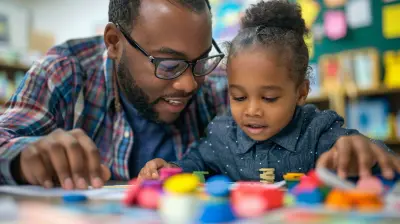
Preparing Special Needs Students for Life Beyond High School
30 January 2026
Transitioning from high school to adulthood is a huge step for any teenager. But for special needs students, that step can feel like a gigantic leap. It’s not just about choosing a college or career — it’s about building the skills to live independently, communicate effectively, and navigate a world that’s often not designed with them in mind.
If you're a parent, teacher, or caregiver, you might find yourself asking: “What comes next?” That’s exactly what we’re diving into today — preparing special needs students for life after high school. Let’s break it down into bite-sized, practical tips with heart and humanity.
Why Preparing Special Needs Students for Adulthood Matters
Think back to when you left high school. There were nerves, excitement, maybe even a little fear. Now, imagine feeling all that while also trying to decode a world that moves at a pace and style that doesn’t always make sense. That’s where a strong transition plan comes in.The truth is, many special needs students don't get the level of preparation they truly need. According to the National Center for Education Statistics, students with disabilities are less likely to attend postsecondary institutions or secure full-time jobs after high school.
So how do we change the narrative? Preparation — thoughtful, early, and personalized.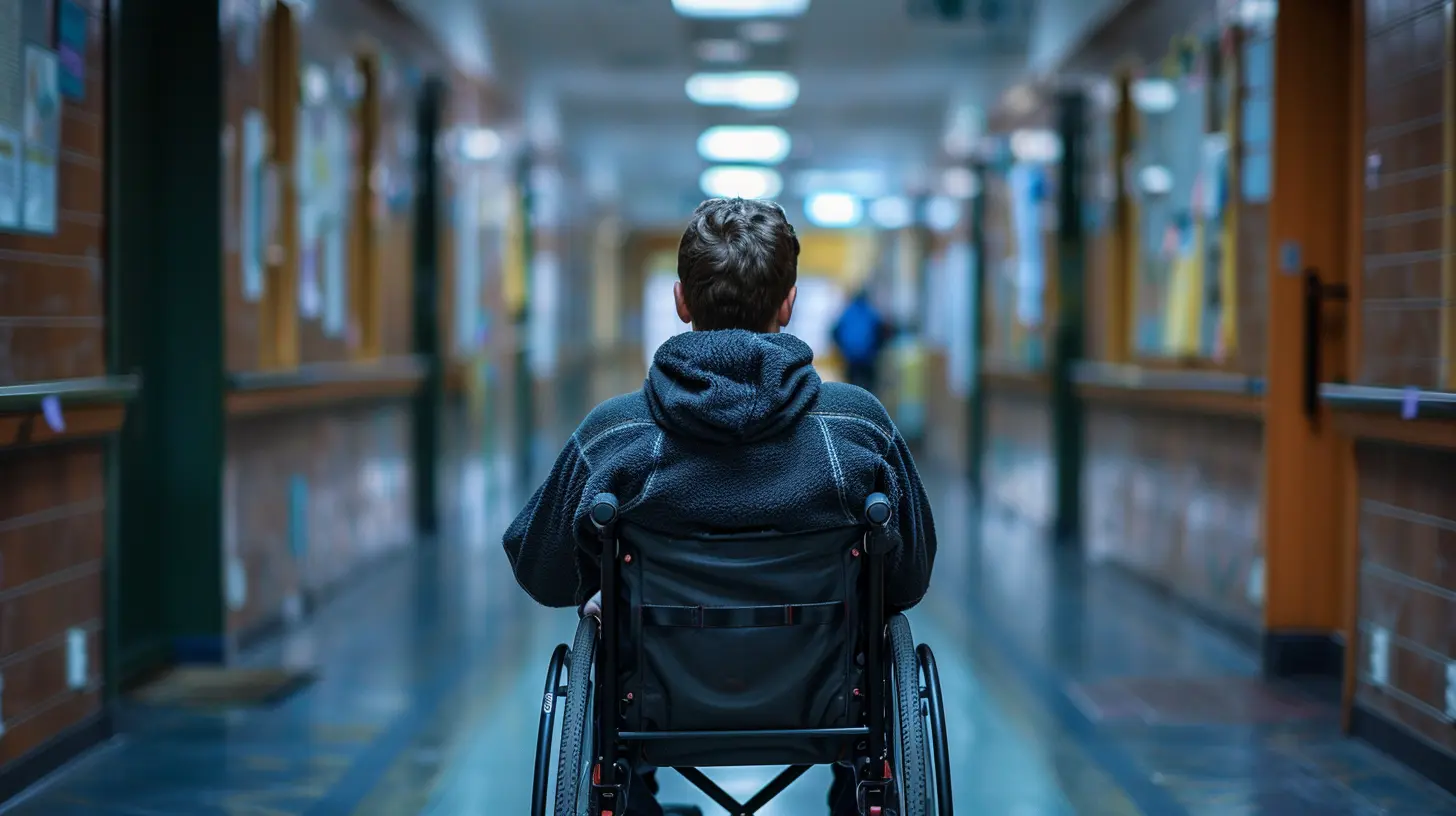
Start Early: The Power of a Good Transition Plan
What is a Transition Plan?
Simply put, it’s a roadmap. It’s a detailed plan that outlines what a student wants to do after high school and the steps needed to get there.In the U.S., by law, schools are required to start formal transition planning by age 16 (some states start earlier). This transition plan becomes part of the student’s IEP (Individualized Education Program).
Why Early Planning is Key
Think of it like training for a marathon. You wouldn’t show up on race day without months of practice. Similarly, navigating life after high school takes time, especially for students with unique learning, communication, or physical needs.Starting early helps:
- Identify realistic goals
- Develop critical life skills
- Build self-awareness and self-advocacy
- Ease anxiety about the future
Involve the Student Every Step of the Way
Here’s a golden rule: don’t plan for the student — plan with the student.Too often, adults make all the decisions. But the student’s voice should be front and center. What are their dreams? Fears? Hobbies? Strengths?
When students feel involved, they’re more motivated and invested. Plus, learning to self-advocate (speak up for what they need) is a life skill that’ll carry them far.
Building Life Skills: The Real-World Curriculum
No matter where a student lands after high school — college, a job, or a training program — one thing’s for sure: they’ll need life skills.Key Life Skills to Focus On:
1. Money Management- Budgeting, understanding expenses, using a debit card
2. Time Management
- Using a calendar, setting reminders, managing appointments
3. Communication
- Writing emails, making phone calls, asking for help
4. Self-Advocacy
- Knowing their rights, requesting accommodations, speaking up
5. Personal Hygiene and Health Care
- Medication management, basic care, understanding insurance
6. Transportation
- Reading bus schedules, using ride-share apps, independent travel
7. Social Skills
- Making friends, handling conflict, interpreting social cues
Some of these might seem basic, but for students with disabilities, they may require intentional, step-by-step teaching and ongoing support.
Exploring Post-High School Options
There’s no one-size-fits-all path after high school — and that’s a good thing.1. College or University
For students with academic strengths and the right support, college might be a great fit. Many schools offer disability support services, but it’s the student’s responsibility to ask for them — another reason self-advocacy is crucial.2. Vocational or Trade Programs
Programs that teach hands-on skills like carpentry, culinary arts, or computer repair can be a great alternative to traditional college. These paths are often less expensive and lead directly to employment.3. Community College
A more flexible, affordable route that can act as a stepping stone to a 4-year college or a career.4. Supported Employment
This includes job coaches, on-the-job training, and workplaces that understand and accommodate different abilities.5. Day Programs or Adult Services
For individuals who need more supervision or support, day programs offer structure and engagement. These can also include volunteer opportunities, social activities, and skills development.Collaborating With Key Players
It takes a village, right? The more hands on deck, the better the outcome.Who Should Be Involved?
- Parents and Guardians: You know your child best. Your insight is invaluable.- Special Education Teachers: They help create the IEP and can guide transition planning.
- School Counselors: They provide resources and help explore options.
- Transition Specialists: Experts who bridge the gap between school and the world beyond.
- Community Agencies: Many offer job placement, training, or housing support.
- Peers/Friends: Don’t underestimate the power of peer mentoring!
Collaboration ensures that no stone is left unturned. It’s not just about academics — it’s about the whole child.
Teaching Self-Advocacy: The Heart of Independence
Imagine being in a room where decisions are being made about your future, but you don’t feel safe or equipped to speak up. Sadly, that’s a common experience for many special needs students.Teaching self-advocacy doesn’t happen overnight. It starts with small choices — picking out clothes, ordering at a restaurant, or expressing preferences during IEP meetings.
The goal? Help students understand:
- Their disability
- Their strengths and needs
- Their legal rights
- How to request support
Confidence builds with practice. Encourage students to speak at their own IEP meetings or practice explaining their accommodations to teachers.
Technology: A Game-Changer
Technology can level the playing field like nothing else. From apps that assist with communication to tools that aid in organization, tech is a powerful ally.Useful Tech Tools:
- Voice-to-text apps: Great for students with writing difficulties- Reminder apps: Help manage time or remember medications
- Visual schedules: Break the day into manageable chunks
- GPS/transport apps: Support with independent travel
- Online learning platforms: Offer flexible education options
The best part? Most of these tools are easy to access and already familiar to students.
Mental Health Matters
Let’s not forget the emotional side of things. The transition out of high school can trigger anxiety, depression, or uncertainty, especially for students with disabilities who may already feel marginalized.That’s why emotional support should be part of the plan. Therapy, peer support groups, mindfulness practices — whatever helps students feel seen, heard, and safe.
Check-in often. Ask how they’re feeling, not just how they’re performing. After all, a student who feels emotionally supported is a student who’s ready to thrive.
Building a Supportive Environment
Preparing for life after high school shouldn’t happen in isolation. Create environments — both at home and in school — that nurture independence.At Home
- Let them take on more responsibilities- Practice real-world scenarios (shopping, cooking, cleaning)
- Encourage decision-making
At School
- Offer internships, job shadowing, or volunteer work- Teach functional academics (e.g., practical math, everyday writing)
- Provide inclusive extracurriculars that build social skills
It's not about doing it perfectly — it's about progress and participation.
What Success Looks Like (Hint: It’s Different for Everyone!)
Success can be a job, a college diploma, independent living, or simply enjoying a fulfilling life with the right support. For some, it means living on their own. For others, it means working part-time and living with family.The key is defining success based on the student's goals, not society's expectations.
Remember — the journey is just as important as the destination.
Final Thoughts: Empower, Don’t Rescue
As adults, it’s natural to want to shield students from struggle. But here’s the thing: resilience is built through experience, not avoidance.Give students the chance to try, fail, learn, and grow. Offer support, yes — but not at the expense of independence. Like learning to ride a bike, they’ll wobble at first. But eventually, they find their balance.
Transitioning out of high school isn’t the end — it’s the beginning of a new chapter. And with the right guidance, tools, and mindset, special needs students can step into adulthood with confidence, courage, and a clear sense of purpose.
So, are we ready to prepare them for what’s next?
all images in this post were generated using AI tools
Category:
Special EducationAuthor:

Anita Harmon
Discussion
rate this article
2 comments
Nyx Mitchell
Empowering students today for a brighter tomorrow—great insights!
February 15, 2026 at 11:20 AM
Anita Harmon
Thank you! Empowering special needs students is crucial for fostering independence and success in their future.
Cassandra McCarthy
Great insights! Practical skills integration is essential for empowering special needs students.
January 30, 2026 at 4:22 AM
Anita Harmon
Thank you! I completely agree—integrating practical skills is vital for empowering students with special needs as they transition into adulthood.