Cyberbullying in 2027: New Platforms, Same Pain
20 April 2026
Remember the schoolyard bully? The one who’d steal your lunch money or shove you into a locker? We used to think their power ended at the school gates. Home was a sanctuary. But what happens when the bully isn’t a person in the hallway, but a presence that lives in your pocket, your living room, and even the glasses on your face? What happens when the schoolyard has no gates at all?
That’s the unsettling reality we’re stepping into as we approach 2027. The platforms, the tech, the very fabric of our digital interactions are evolving at a dizzying pace. Yet, echoing through the sleek new interfaces and immersive virtual worlds is a painfully familiar sound: the echo of cruelty, the amplified whisper of hate, and the profound, isolating pain of being targeted. The stage is being upgraded with holograms and neural links, but the age-old play of human malice is running the same devastating script.
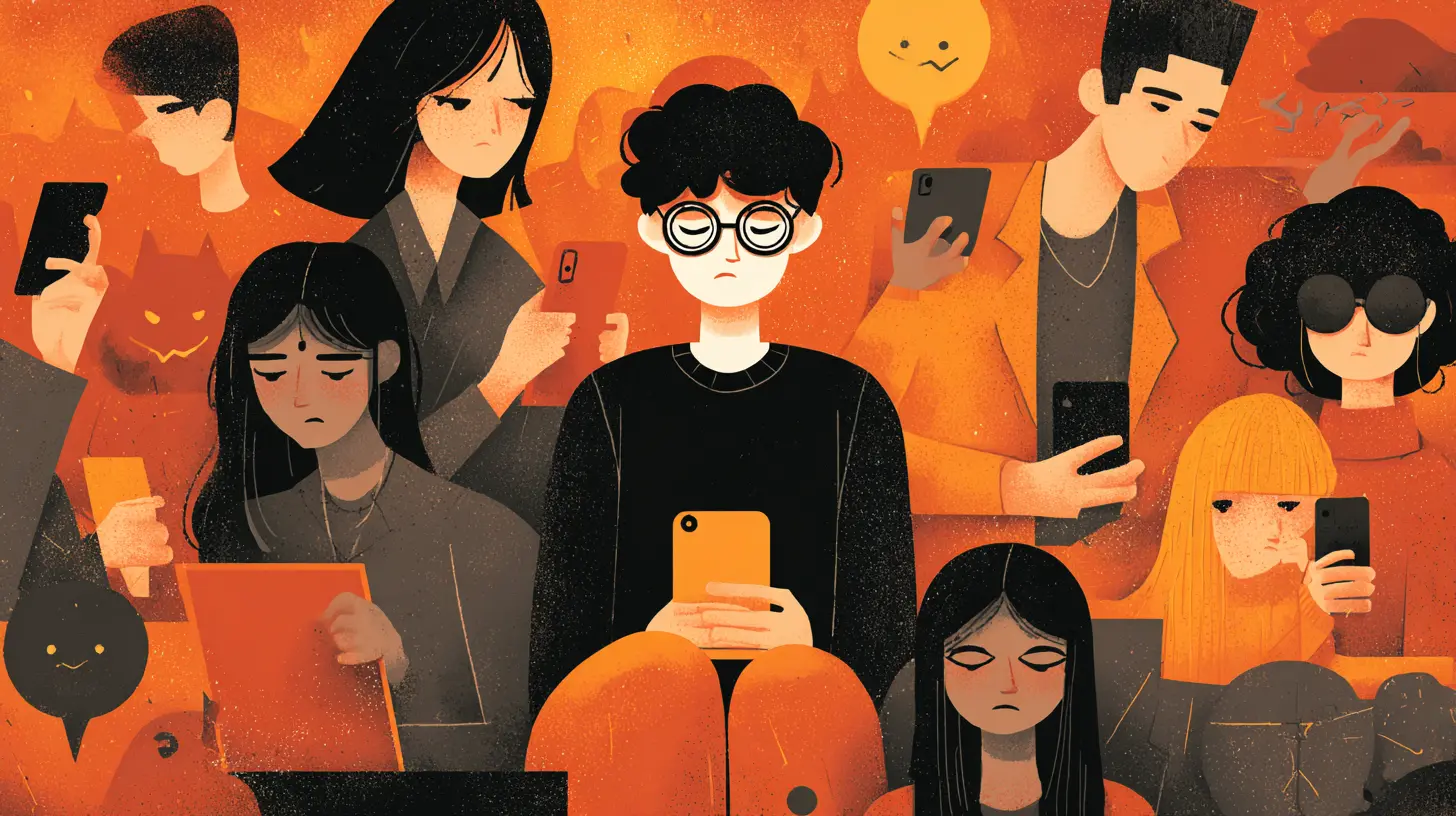
The Ever-Shifting Digital Landscape: From Screens to… Everything
Let’s be clear—the classic forms of cyberbullying haven’t vanished. Mean comments, doctored images, and exclusionary group chats are still very much in the arsenal. But by 2027, the battlefield has expanded into territories that feel less like a website and more like a layer on top of our reality.Immersive Worlds and the Avatar’s Burden: Virtual and Augmented Reality (VR/AR) have moved far beyond clunky headsets and simple games. For many, especially younger generations, significant portions of social life occur in persistent virtual spaces—digital campuses, concert venues, or just hangout spots. Here, bullying isn’t just text on a screen. It’s spatial. It’s being surrounded by a group of avatars who harass you, block your path in a virtual world, or violate your personal digital space. Imagine the psychological impact of being virtually cornered or assaulted. Your avatar is an extension of your identity; an attack on it can feel as visceral as an attack on your physical self. The line between the digital and physical self blurs, and so does the trauma.
The Rise of Synthetic Media and "Deepfake" Torment: In 2027, the phrase "pics or it didn’t happen" takes a sinister turn. AI-powered tools for creating hyper-realistic fake videos, audio, and images are becoming frighteningly accessible and convincing. A bully won’t need to steal an embarrassing photo; they can generate one. They can put your face and voice into a fabricated, humiliating scenario and spread it as truth. The damage this does to a person’s reputation, relationships, and mental health is catastrophic. And the most insidious part? The defense of "it’s fake" is weak against the tidal wave of belief and shares. We’re entering an era where we can no longer trust our own eyes and ears, and bullies have the ultimate weapon to gaslight and destroy.
Ambient Harassment and The Internet of Things (IoT): What if your environment itself turned against you? Smart homes filled with connected devices—speakers, lights, thermostats—could be hacked or manipulated by a bully. Imagine receiving personalized, threatening audio messages through your own smart speaker at random hours. Picture your room lights flickering in a menacing pattern, or your digital photo frames displaying abusive images. This is ambient harassment: no direct confrontation needed, just a pervasive, unsettling sense of being unsafe in your own home. The sanctuary is breached not by a person, but by the very infrastructure of modern life.
Algorithmic Amplification and The Echo Chamber of Hate: Social media algorithms in 2027 are even more sophisticated, designed to maximize engagement. And what drives engagement? Often, it’s outrage, conflict, and high-emotion content. A cruel post about someone can be algorithmically boosted to their entire school network or local community, creating an instant, massive audience for humiliation. Furthermore, these algorithms can create echo chambers where bullies and their supporters reinforce each other’s behavior, radicalizing and escalating the abuse in a feedback loop that the platform itself is unintentionally fueling.
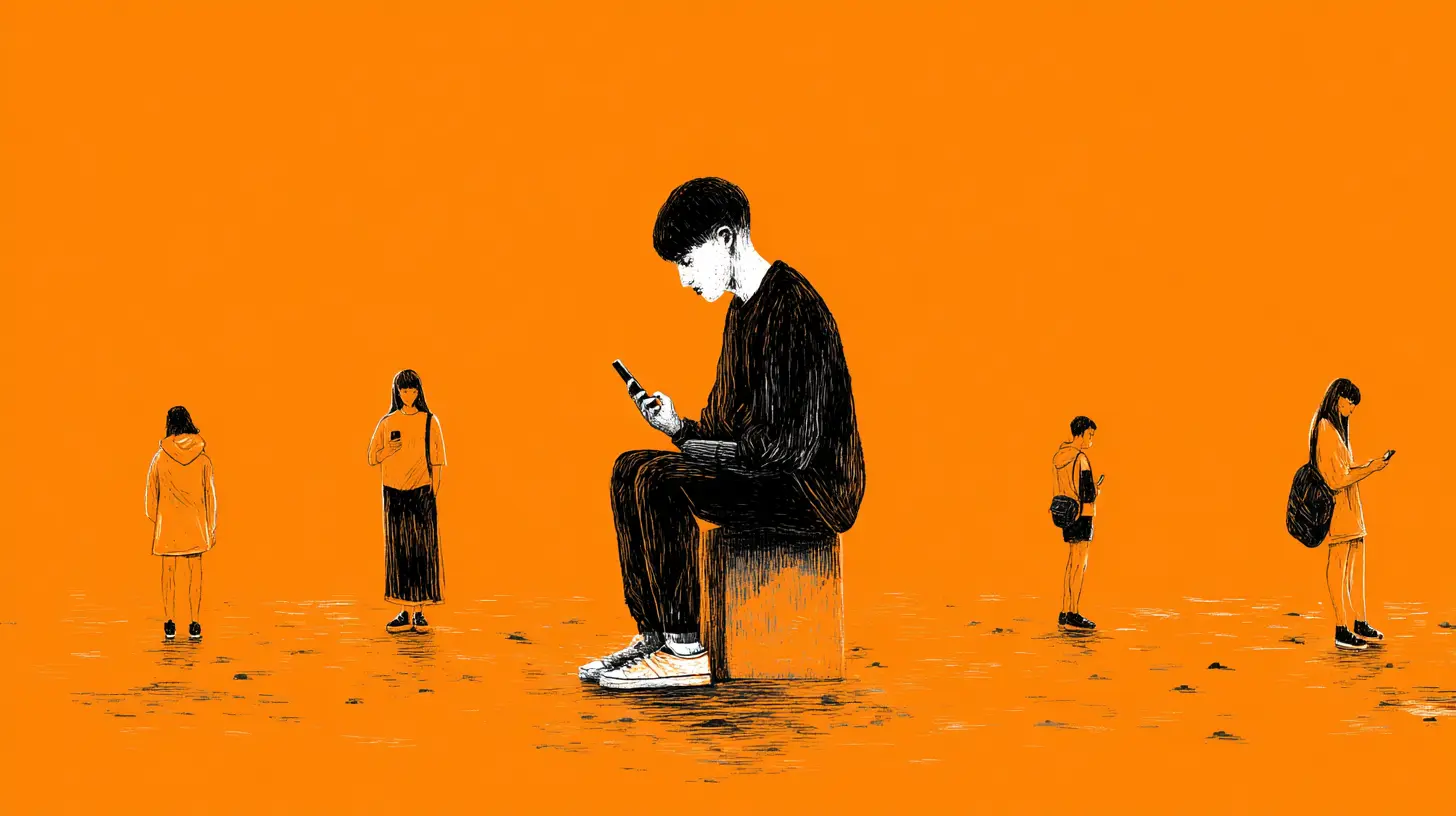
The Unchanging Human Heart: Why the Pain Persists
You might think, "Well, just log off. Unplug. It’s not real." But that’s like telling someone being harassed by loudspeakers outside their home to just go deaf. The digital world isn't an alternate universe anymore; it’s the primary plaza for friendship, learning, and identity formation. Disconnecting in 2027 means social and academic isolation.The pain persists because the core wounds are human, not digital:
* 24/7 Accessibility: There is no closing time. The harassment can follow you to your bed, your family dinner, your quiet moment.
* Permanent Audience: Unlike a whispered insult in the hallway, digital cruelty is performed for an audience. That audience can be vast, and the content can be permanent, resurfacing years later.
* Perceived Anonymity: New platforms, especially decentralized or encrypted ones, can provide bullies with a thicker cloak of anonymity, emboldening them to acts of cruelty they’d never consider face-to-face.
* Identity Theft & Impersonation: Creating fake profiles to ruin someone’s reputation has been around, but with new tech, it becomes more convincing and damaging.
The result is a perfect storm: amplified reach, intensified psychological impact, and eroded avenues of escape. The bruises are internal, invisible to the eye, but they shape a young person’s self-worth, academic performance, and future in profound ways.

Building the Digital Immune System: Solutions for 2027 and Beyond
So, is the future hopeless? Absolutely not. But our old playbook—telling kids to "block and report"—is as outdated as a flip phone. We need a proactive, multi-layered approach, a kind of digital immune system.1. Platform Design with Humanity at the Core (Tech’s Responsibility): Companies building these immersive platforms must bake safety into their code, not just tack it on as an afterthought. This means:
* Advanced, Context-Aware AI Moderators: Moving beyond keyword flagging to AI that understands context, tone, and spatial harassment in VR.
* "Digital Body Language" Controls: Easy-to-use, immediate tools to enforce personal space in VR, mute or fade out abusive avatars, and create instant safe zones.
* Watermarking and Provenance for Media: Platforms need to integrate systems that automatically label AI-generated or altered media, making it harder for deepfakes to spread as truth.
* De-amplification Algorithms: Engineers must prioritize algorithms that de-escalate and de-amplify harmful content rather than promoting it.
2. Digital Literacy 2.0: The New Curriculum (Education’s Role): We must teach not just how to use tech, but how to survive and thrive in it ethically. This includes:
* Critical Thinking in the Synthetic Age: Teaching everyone, from kids to grandparents, how to question and verify digital media.
* Empathy in the Metaverse: Role-playing and lessons on digital citizenship that specifically address avatar-based interaction and the human behind the pixel.
* Privacy Hygiene: Understanding the data trails we leave and how to secure our IoT devices becomes as basic as locking your front door.
* Bystander Intervention Training: Empowering witnesses to be "upstanders" in digital spaces, knowing how to effectively support a target and report abuse.
3. The Human Safety Net: Support Systems That Scale (Our Collective Duty):
* Parental & Mentor Understanding: Adults must move beyond fear of the unknown. We need to understand these platforms enough to have informed, trusting conversations with young people, not just impose blanket bans.
Mental Health Resources Integrated with Tech: Platforms should offer seamless, discreet pathways to connect users with crisis text lines or counseling services in the moment* of distress.
* Clear, Enforced Laws: Legislation must finally catch up, clearly defining cyberbullying, synthetic harassment, and IoT-based abuse, with real consequences for perpetrators.
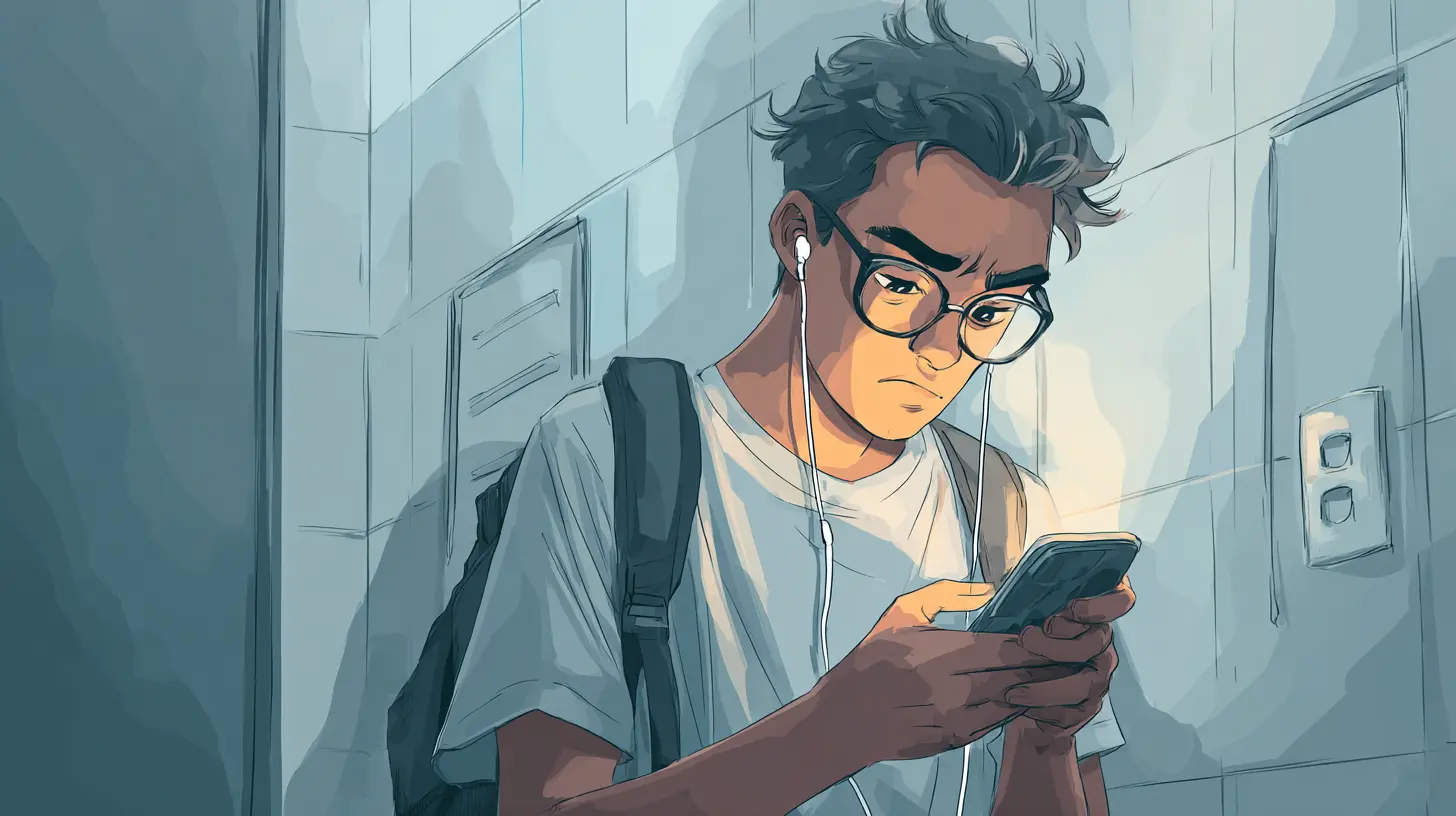
Conclusion: Choosing Our Virtual Humanity
As we stand on the brink of 2027, we’re not just coding new software; we’re coding new societies. These dazzling virtual worlds and ambient intelligent spaces are blank canvases. The question is, what will we paint on them?The same patterns of fear and tribalism that plague our physical world? Or can we consciously design for kindness, for empathy, for respect?
The pain of cyberbullying is timeless—it’s the pain of rejection, humiliation, and isolation. The platforms are just new bottles for that old, bitter poison. Our task isn’t to smash the bottles (an impossible feat), but to develop the antidote. That antidote is a combination of smarter technology, wiser education, and a relentless commitment to teaching, and practicing, humanity—whether our hands are shaking someone’s or typing on a holographic keyboard.
The future isn’t something that happens to us. It’s something we build, line of code by line of code, choice by choice. Let’s build one where the virtual heart can’t be broken so easily.
all images in this post were generated using AI tools
Category:
Bullying PreventionAuthor:

Anita Harmon
Discussion
rate this article
2 comments
Nyxaris McBride
This article astutely highlights the evolving landscape of cyberbullying. As platforms change, the underlying emotional impact remains the same, urging us to prioritize education and empathy in digital interactions.
April 22, 2026 at 3:41 AM
Anita Harmon
Thank you for your thoughtful comment. I completely agree that understanding and empathy are essential as we navigate these changing platforms.
Zander Wood
What a thought-provoking article! It’s uplifting to see awareness around cyberbullying evolve as we enter 2027. By embracing empathy and fostering open conversations, we can create a safer digital world for everyone. Together, let’s turn the tide and empower young people to stand strong against online negativity! 🌟
April 21, 2026 at 3:25 AM
Anita Harmon
Thank you! I'm glad the piece resonated. Empathy and open dialogue are indeed our strongest tools—here's to a kinder, braver digital future. 🌟