Deconstructing the Factory Model of Education
7 August 2026
Let’s be real for a second — most of us have grown up in an education system that’s been running on autopilot for over a century. You sit in rows, raise your hand to speak, follow a fixed schedule, and get tested on how well you can regurgitate information. Sound familiar? That’s the Factory Model of Education in action.
But here’s the thing — we’re no longer in the Industrial Age. So why are we still educating kids like we’re preparing them to work on assembly lines? It's time to pull back the curtain and take a hard look at the origins, impacts, and future of this outdated system.
What Is the Factory Model of Education?
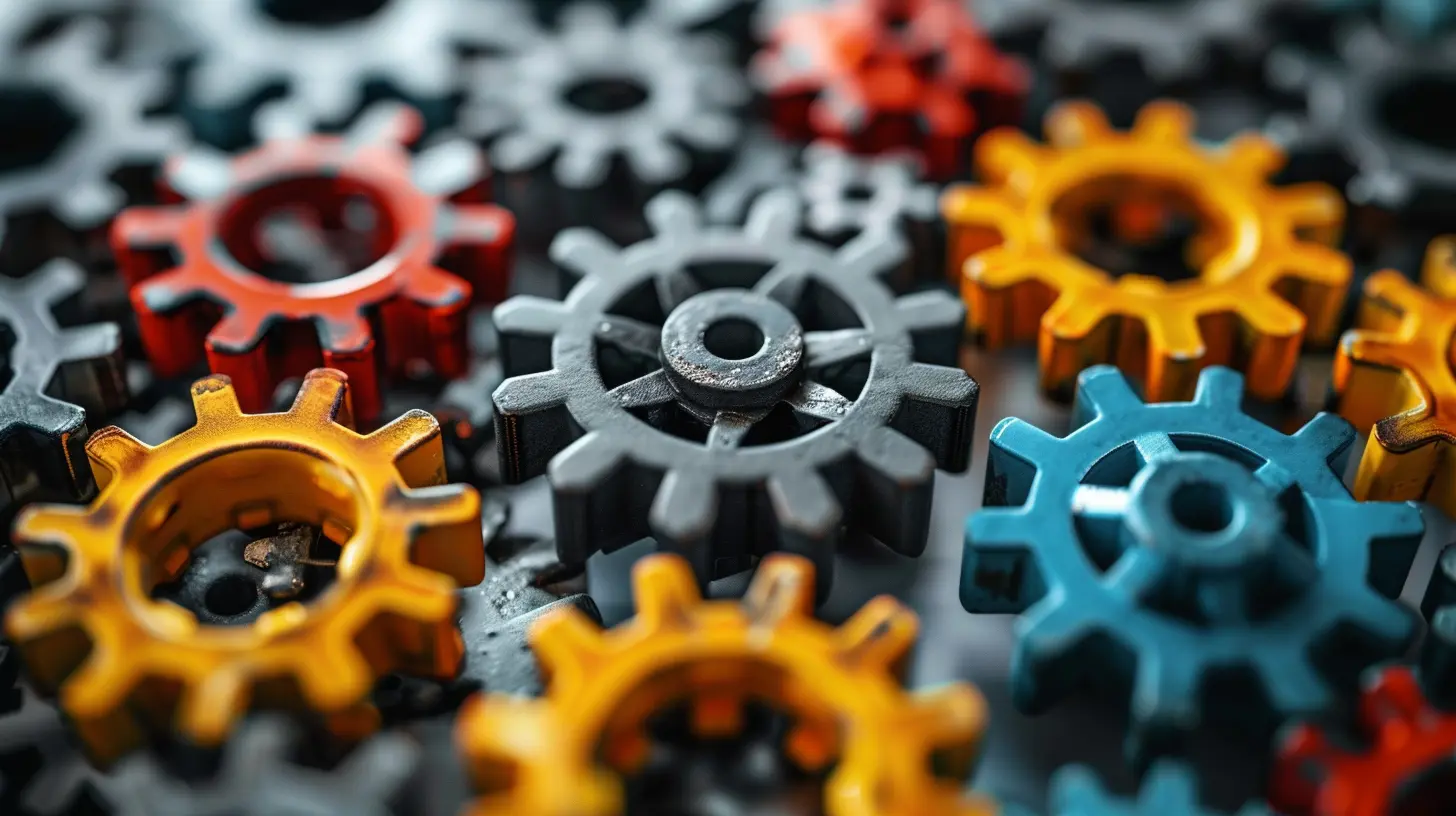
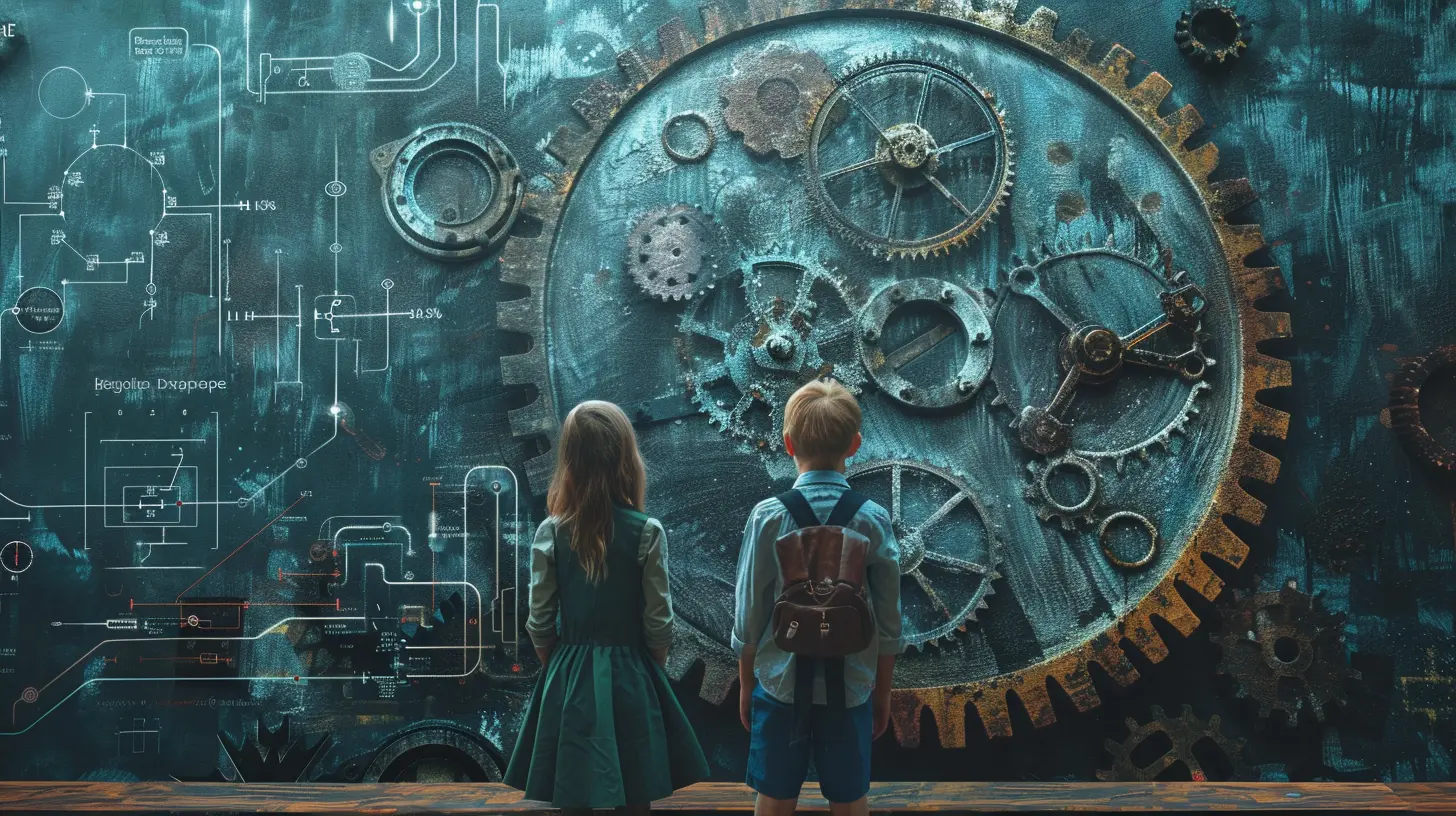
Imagine a factory line. Raw materials go in at one end, pass through a bunch of machines, and out comes the final product — uniform, predictable, and optimized for productivity. Now replace those raw materials with students, and you’ve got the Factory Model of Education.This model treats all students the same, pushes them through a standardized process, and expects similar outcomes. It’s rigid, efficiency-driven, and largely ignores the messy, complex, and beautiful differences between learners.
The Birth of the Factory Model
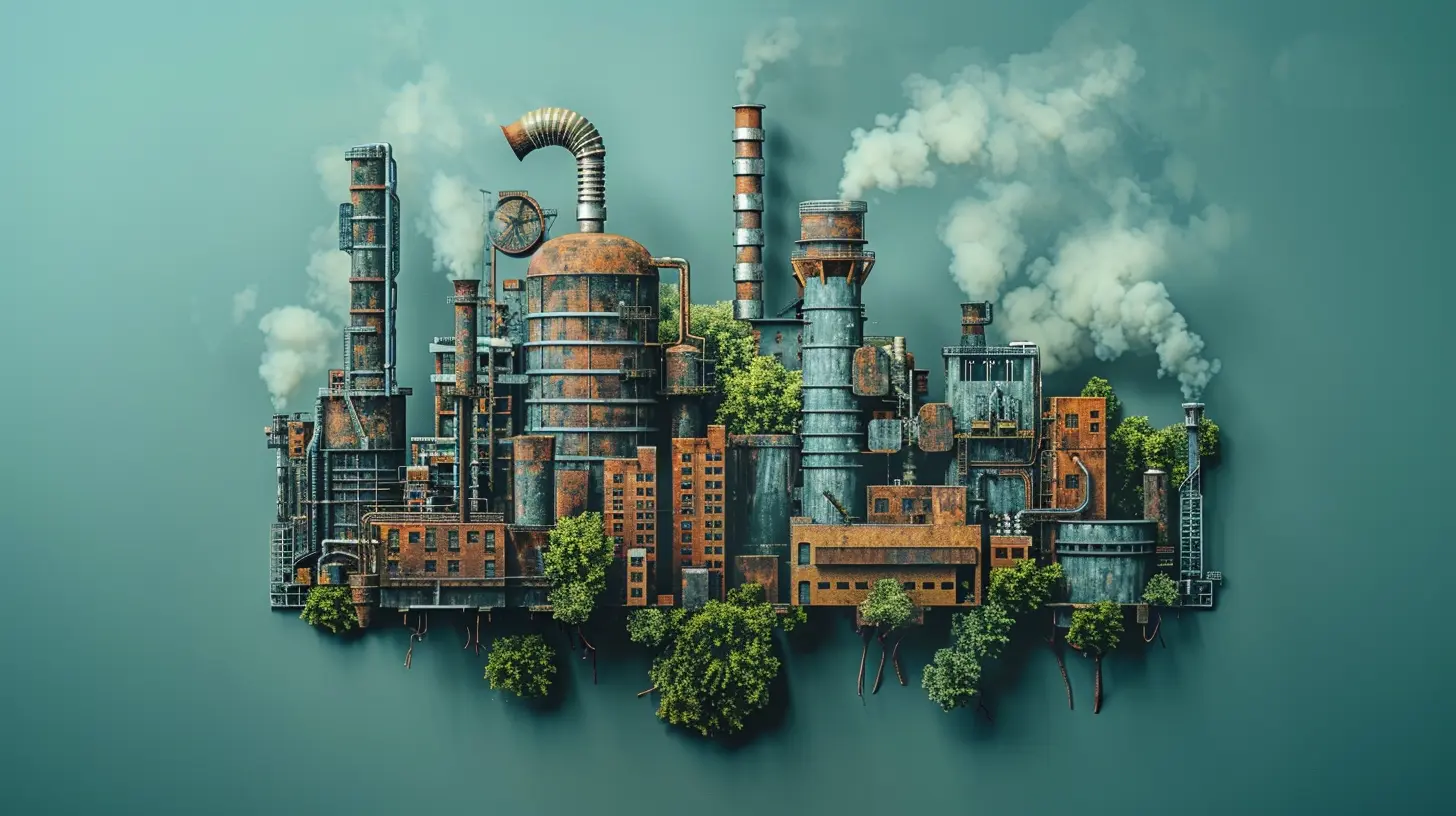
So where did this all begin?The Factory Model really took root in the 19th century, around the time of the Industrial Revolution. With booming industries and growing cities, societies needed efficient ways to train large numbers of people for factory work. Education became less about personal growth and more about conformity and control. Schools were designed to mimic factories — bells, timetables, rigid structure, and all.
Think about it:
- Students were sorted by age, not ability.
- Everyone followed the same curriculum.
- Success was measured by standardized tests.
It made sense at the time. But does it now?
Problems With the Factory Model Today
Here’s where it gets frustrating. In a world bursting with creativity, technology, and individuality, we’re still sticking kids in a system designed for a completely different era. The cracks are starting to show, big time.1. One-Size-Fits-All Just Doesn’t Fit
We don’t all wear the same-sized shoes, so why are we treating education like one size fits all?Kids have different learning styles, interests, and paces. The Factory Model forces everyone through the same mold. Some kids race ahead while others fall behind — not because they’re “bad students,” but because the system isn’t built to support diverse learning needs.
2. Kills Curiosity and Creativity
If you’ve ever watched a kid play or ask “why” a million times, you know they’re naturally curious. But once they're plugged into the system, that curiosity often fades. Why? Because the focus shifts from exploration to memorization.We teach kids to find the “right” answer instead of encouraging questions. Creativity becomes collateral damage in a test-driven environment.
3. Too Much Focus on Standardized Testing
Let’s talk about the elephant in the classroom — standardized tests.Tests are meant to measure learning, not define it. But in the Factory Model, testing becomes the main event. Teachers teach to the test, students stress over scores, and entire schools are judged based on numbers.
But how do you measure empathy? Teamwork? Critical thinking? You can’t bubble in those answers on a Scantron.
4. Doesn't Prepare Students for the Real World
Here’s the irony: the very model built to prep students for the workforce is failing to do just that.Today’s jobs demand adaptability, collaboration, problem-solving, and tech-savviness — none of which are front and center in a factory-style classroom. We're churning out graduates who can ace multiple-choice tests but struggle with real-life challenges.
5. Teacher Burnout and Lack of Autonomy
Teachers aren’t assembly line workers, yet they're often treated like they are.They’re expected to follow strict curriculums, meet testing targets, and manage overcrowded classrooms — all while nurturing young minds. The system limits their creativity and crushes their morale. No wonder so many great educators leave the profession altogether.
Why This Model Persists
You might be wondering, “If it’s so flawed, why are we still doing it?”Well, systems don’t change easily — especially ones built into the bones of society. The Factory Model is deeply entrenched in policies, infrastructure, and mindsets. Change is uncomfortable. It takes time, money, and a whole lot of unlearning.
Plus, many people assume because they “survived” school this way, it must work. But should “surviving” really be the benchmark?
Alternative Approaches Making Waves
Thankfully, not all hope is lost. Educators, parents, and innovators are rewriting the rules and putting students — not systems — at the center of learning.1. Project-Based Learning (PBL)
Instead of lectures and worksheets, project-based learning focuses on real-world problems and hands-on solutions. Students work on long-term projects that require research, collaboration, and creativity.It’s messy. It’s challenging. And it actually prepares students for the world outside the classroom.
2. Personalized Learning
This approach tailors education to each student’s strengths, needs, and interests. It uses data, technology, and teacher insight to adapt learning paths, allowing students to learn at their own pace.It’s kind of like Netflix recommending shows based on your preferences — but for learning.
3. Montessori and Waldorf Models
These models have been around for a while but are gaining renewed attention. They emphasize holistic development, hands-on activities, and child-led learning — the opposite of the rigid, top-down Factory Model.4. Democratic and Agile Classrooms
These environments allow students to have a say in what and how they learn. They’re built around trust, mutual respect, and collaboration.Imagine a classroom where students help design the curriculum — pretty revolutionary, right?
The Role of Technology in Breaking the Mold
Technology isn’t a silver bullet, but it can be a powerful tool to move beyond the Factory Model.- Online platforms offer personalized learning paths.
- Virtual classrooms connect students across the globe.
- AI tutors provide instant feedback and support.
- Gamified learning makes education fun and engaging.
But it’s not just about using tech — it’s about rethinking the way we teach and learn in a digital world.
The Future of Education: A Call for Change
Deconstructing the Factory Model isn’t just an academic exercise. It’s a necessity. If we want future generations to thrive, we need to build systems that celebrate human potential, not suppress it.That means:
- Valuing skills over scores.
- Encouraging questions over compliance.
- Supporting teachers instead of micromanaging them.
- Designing schools for kids, not the other way around.
Education should be a journey, not a conveyor belt. It should inspire, not control. And most importantly, it should evolve as the world changes.
How You Can Be Part of the Shift
Whether you're a parent, student, teacher, or policy-maker, your voice matters. Change starts with awareness, then action.- Ask questions about your school’s teaching philosophy.
- Support educators who think outside the box.
- Advocate for policies that promote equity and innovation.
- Be open to new models, even if they challenge what you’re used to.
Final Thoughts
It’s high time we stopped treating students like widgets on an assembly line. Education should be a spark, not a system. The Factory Model had its time — and that time is up.We don’t need more standardization. We need more personalization, compassion, and creativity. Let’s build a future where schools are places of discovery, not conformity. Let’s deconstruct the old to make space for something better.
Because kids aren’t machines — they’re humans, and their education should reflect that.
all images in this post were generated using AI tools
Category:
Education ReformAuthor:

Anita Harmon
Discussion
rate this article
1 comments
Carrie McKittrick
Breaking down the factory model of education is like opening a can of jellybeans: colorful, messy, and full of surprises. Let's mix it up and see what delightful flavors of learning we can create together!
August 11, 2026 at 12:46 PM
Anita Harmon
I love that analogy! Breaking the mold can reveal so many unique learning experiences. Let's explore those flavors together!