Culturally Responsive Teaching Strategies for Classrooms of 2027
30 April 2026
Alright, let’s be real for a second. You’ve probably heard the term “culturally responsive teaching” thrown around like confetti at a parade. It’s buzzy, it’s important, and honestly? It can feel a little overwhelming. But here’s the thing: by 2027, your classroom isn’t going to look like the one you grew up in—or even the one you taught in last year. The world is shrinking, blending, and humming with diversity in ways that demand we rethink how we connect with every single kid who walks through that door.
So, grab your coffee (or tea, no judgment), and let’s chat about what it really means to teach with cultural responsiveness in 2027. No jargon, no guilt trips—just practical, light-hearted strategies that’ll make you feel like the superhero your students deserve.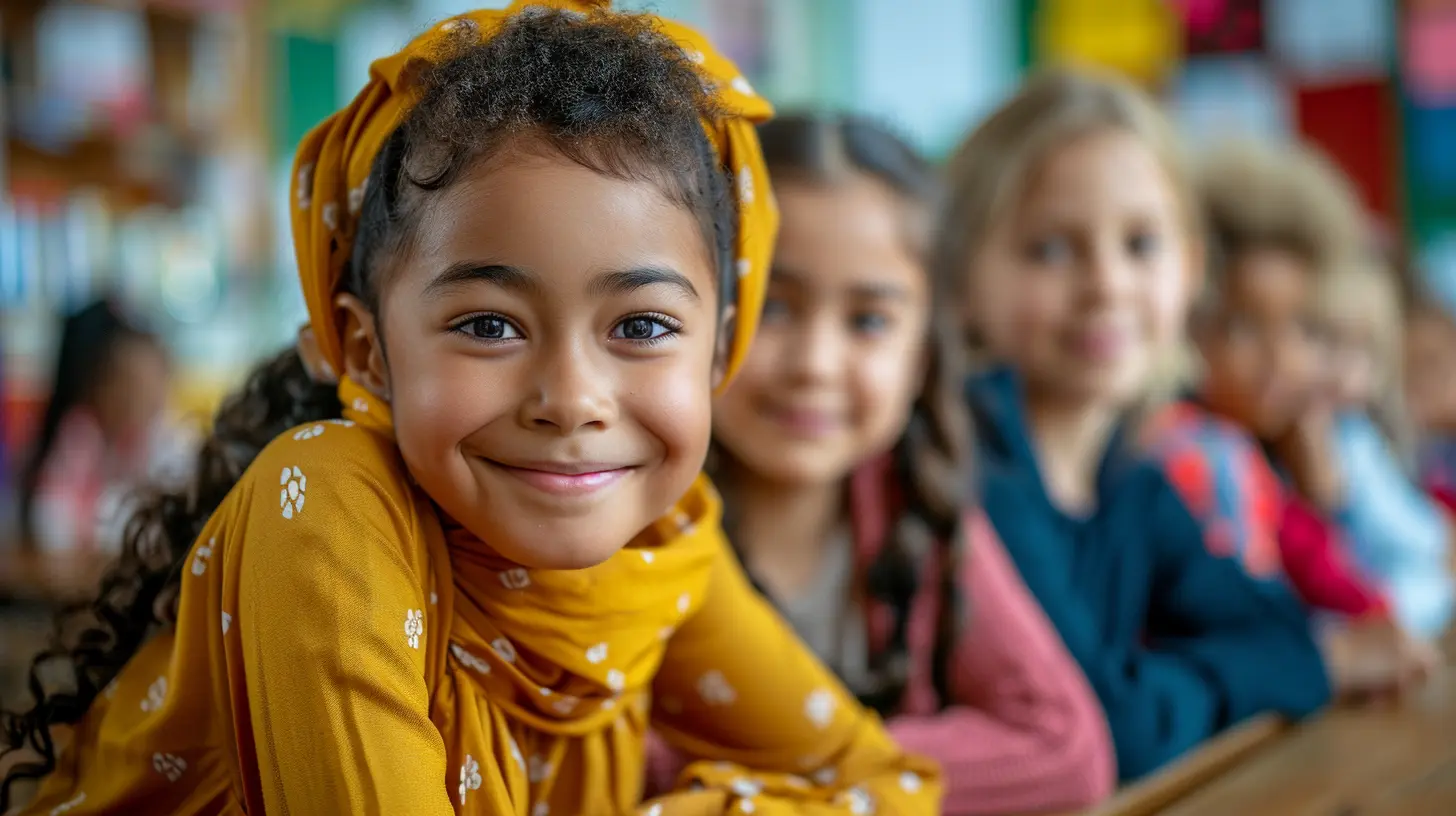
Why 2027 Is the Year to Ditch the “One-Size-Fits-All” Playbook
Picture this: You’re in a classroom where every student has a smartphone, a unique cultural lens, and a TikTok algorithm that’s taught them more about global trends than any textbook ever could. By 2027, the U.S. Census Bureau projects that over 50% of children under 18 will be part of a minority race or ethnic group. Add in neurodiversity, socioeconomic diversity, and the fact that many kids are navigating bilingual homes, and you’ve got a recipe for a classroom that’s less like a monochrome painting and more like a kaleidoscope.The old model—where the teacher stands at the front, delivers a scripted lesson, and expects everyone to absorb it the same way—isn’t just outdated. It’s like trying to charge your iPhone with a VHS tape. It doesn’t work, and frankly, it’s a waste of everyone’s time.
Cultural responsiveness isn’t about being “woke” or ticking a diversity box. It’s about saying, “Hey, I see you. I see your family, your history, your struggles, and your superpowers. Now, how can we make learning stick for you?” And in 2027, that’s not optional—it’s essential.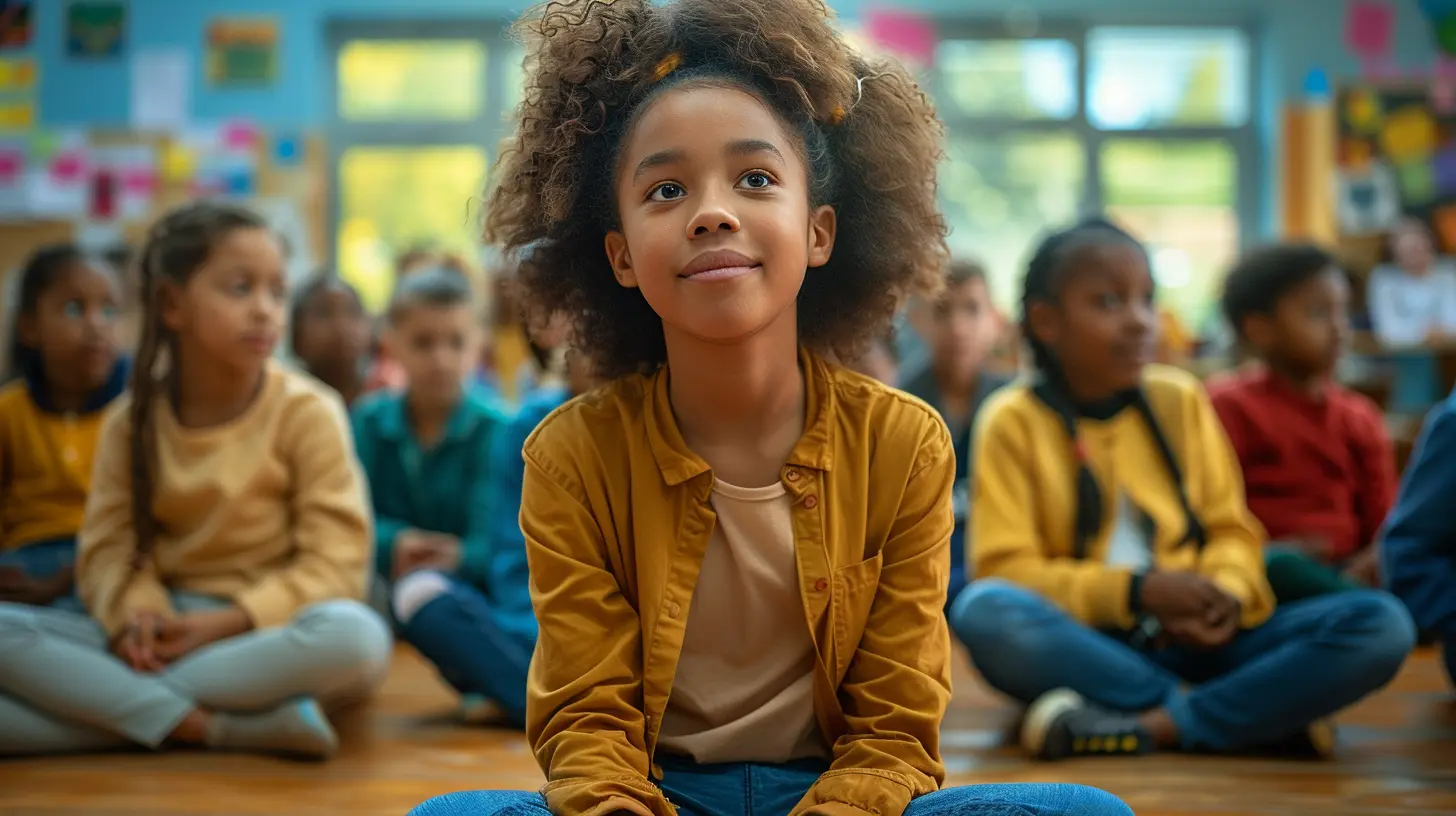
Strategy #1: Start with “Cultural Self-Audit” (Yes, You)
Before you can teach responsively, you’ve got to look in the mirror. I know, I know—that sounds like some cheesy self-help advice. But hear me out.Think about your own cultural background. What stories did you grow up hearing? What norms feel “normal” to you? Maybe you value eye contact as a sign of respect, but for a student from a Navajo or Japanese background, direct eye contact might feel confrontational. Or maybe you assume every kid celebrates Christmas, while half your class observes Diwali, Ramadan, or Kwanzaa.
Here’s the thing: you can’t check your biases at the door because they’re part of you. But you can unpack them. In 2027, make it a habit to ask yourself: “Whose voice is missing in this lesson? Whose experience am I assuming is universal?” That kind of self-awareness is like putting on glasses after squinting for years—it’s clarifying.
Pro tip: Keep a “cultural journal” for one week. Jot down moments when you felt awkward or surprised by a student’s response. Chances are, those moments are goldmines for growth.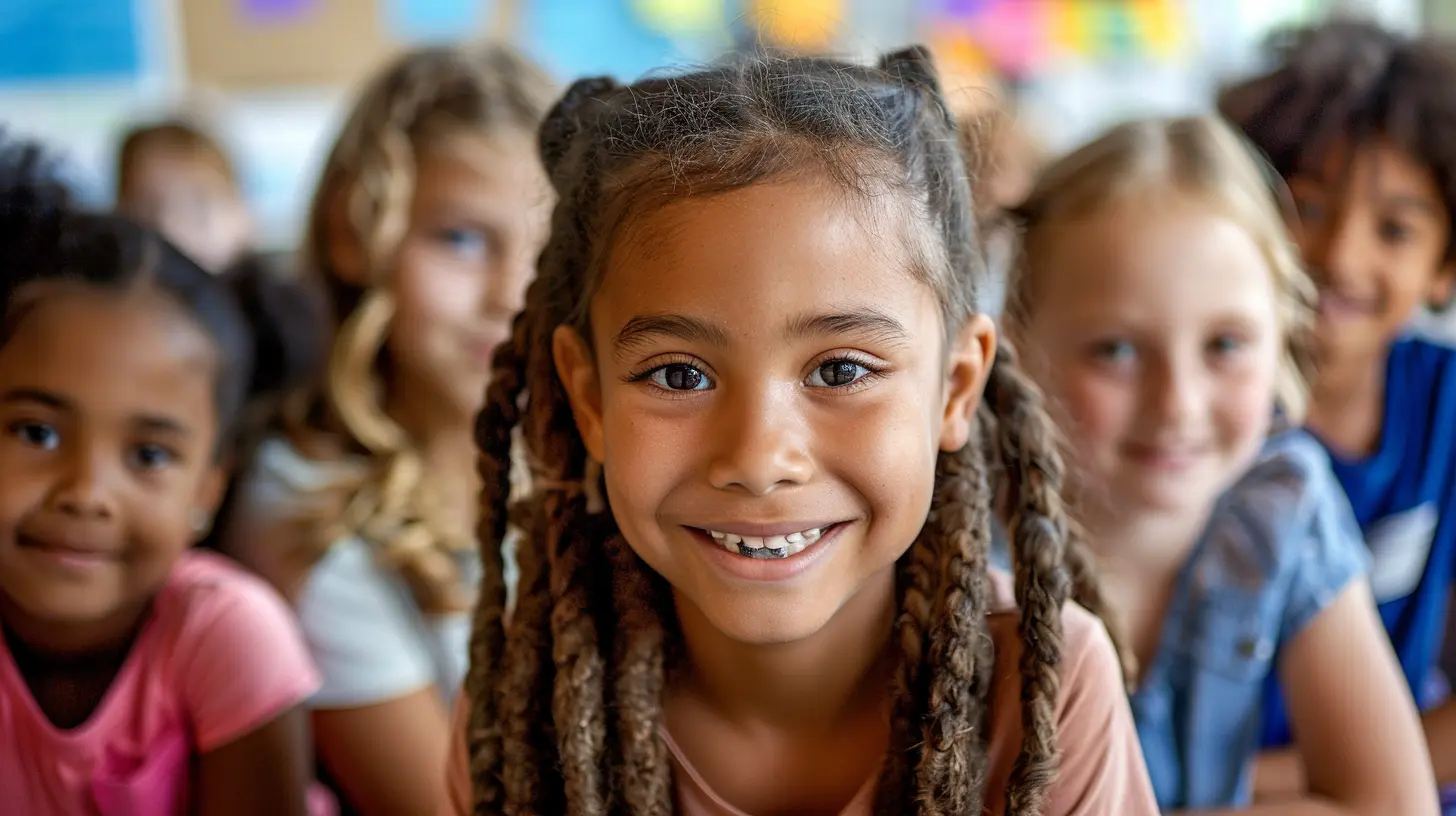
Strategy #2: Co-Design the Curriculum with Your Students
Here’s a wild idea: what if you let your students help you build the syllabus? I’m not saying hand over the keys to the school bus. But in 2027, the most responsive classrooms are those where students see themselves reflected in the material—not just as characters in a story, but as creators.For example, when teaching a unit on ecosystems, instead of only using examples from the Amazon rainforest, ask your students: “What’s an environment that’s special to your family or culture?” You might get answers like “the mangroves in my grandma’s village in the Philippines” or “the desert where my abuelo herded goats.” Suddenly, biology isn’t abstract—it’s personal.
This isn’t just about inclusion; it’s about engagement. When students feel like their lived experiences are valid and valuable, they stop zoning out. They lean in. They ask questions. And guess what? That’s when real learning happens.
Rhetorical question: Would you rather teach a class where kids are bored because the examples feel foreign, or one where they’re arguing passionately about whether a cactus counts as a plant in their family’s traditional medicine? Exactly.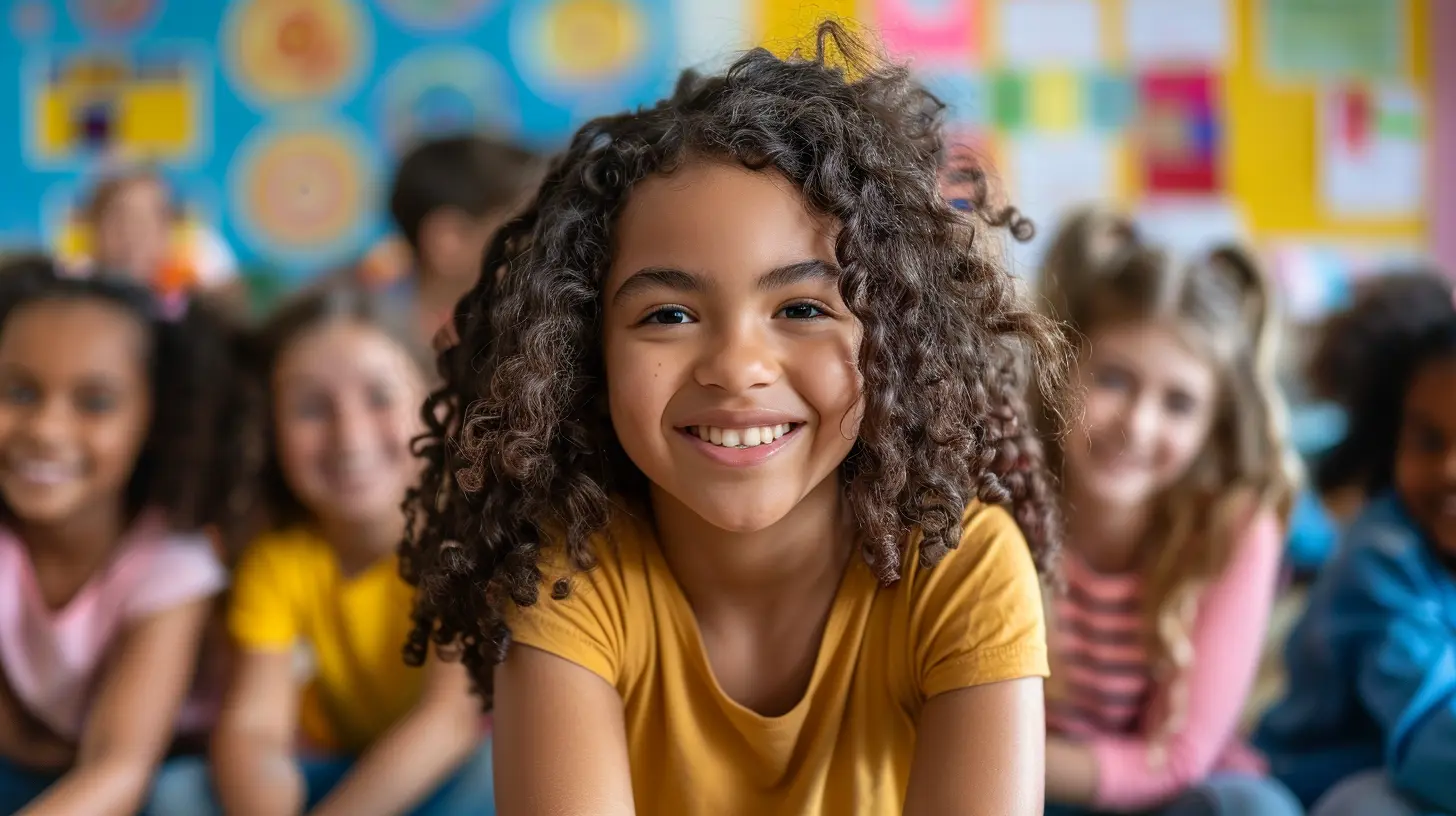
Strategy #3: Ditch the “Sage on the Stage” for the “Guide on the Side”
I love a good lecture as much as the next person—especially if it’s delivered with the drama of a TED Talk. But by 2027, the most effective classrooms are those where the teacher is more of a facilitator than a dictator of knowledge.Why? Because culturally responsive teaching is about honoring the ways students learn. Some kids thrive on group discussions where they can build on each other’s ideas. Others need quiet reflection or hands-on projects. And for students from collectivist cultures (like many Indigenous or East Asian communities), collaborative learning feels more natural than individual competition.
So, experiment with “learning stations” where students choose how to engage with a topic. Maybe one station is a podcast, another is a mural, and another is a debate. Let them move, talk, and create. You’ll be amazed at how a kid who struggled with worksheets suddenly shines when they’re building a model or telling a story.
Metaphor: Think of yourself as a DJ at a party. You’re not playing one song on repeat—you’re reading the room, mixing tracks, and letting the vibe evolve. Your students are the dancers, and your job is to keep the energy flowing.
Strategy #4: Normalize “Code-Switching” as a Superpower
Code-switching—the ability to adjust your language, tone, or behavior depending on the context—is often seen as a survival skill for marginalized students. But in 2027, let’s reframe it as a superpower.Imagine you have a student who speaks African American Vernacular English (AAVE) at home and “standard” English at school. Instead of correcting their grammar, celebrate their linguistic flexibility. Point out how amazing it is that they can navigate two language systems. Then, use that as a teaching moment: “Notice how you shift your speech depending on who you’re talking to? That’s a skill that many adults don’t even have. Let’s analyze how different contexts require different registers.”
This approach doesn’t just validate their identity—it builds metalinguistic awareness. And research shows that students who feel their home language is respected perform better academically. So, drop the red pen. Pick up the praise.
Quick tip: Create a “Language Museum” in your classroom where students can share words, phrases, or proverbs from their home languages. You’ll be surprised how quickly “hello” turns into “hola,” “namaste,” “sawubona,” and “ni hao.”
Strategy #5: Use Tech to Bridge, Not Divide
Let’s be honest: technology in 2027 is both a blessing and a curse. On one hand, every student has access to a world of information. On the other hand, the digital divide is real—not every family has high-speed internet or a laptop that works.Culturally responsive teaching means acknowledging these inequities without shaming anyone. For example, if you’re assigning a research project, don’t assume everyone can Google at home. Provide offline options, like printed articles or videos downloaded to a school tablet. Better yet, use the “flipped classroom” model where students watch videos at school and do hands-on work at home (or vice versa).
Also, leverage tech to amplify diverse voices. Instead of showing the same old textbook examples, use platforms like YouTube, podcasts, or VR tours to bring in perspectives from around the globe. Want to teach about the Silk Road? Let your students “walk” through a virtual bazaar in Uzbekistan. Studying migration? Have them interview a grandparent via video call.
Analogy: Tech is like a kitchen knife—it can help you prepare a feast or cut yourself badly. The difference is how you use it. In 2027, be the chef who uses every tool to create a meal that nourishes everyone.
Strategy #6: Build Relationships Before You Build Lessons
I know this sounds like a no-brainer, but hear me out. In the rush to cover standards and meet test scores, we often forget that learning is a human process. You can have the most culturally relevant curriculum in the world, but if your students don’t trust you, they’ll resist.In 2027, make it a priority to know each student’s story. Ask about their weekend. Learn their siblings’ names. Find out what makes them laugh. For students from cultures that value community over individualism, a simple greeting in their home language can be a game-changer.
Example: I once had a student who was incredibly shy in class. I found out she loved cooking with her grandmother. So, I started asking her for recipes. Before long, she was teaching the class how to make tamales—and suddenly, she was the expert. That relationship didn’t just boost her confidence; it transformed how she approached math (we measured ingredients), history (we discussed the origins of corn), and literacy (she wrote a recipe book).
Rhetorical question: Can you really teach a child if you don’t care about what lights them up? No. And they’ll know it.
Strategy #7: Embrace the Messy, Uncomfortable Conversations
Here’s the thing about cultural responsiveness: it’s not always rainbows and high-fives. Sometimes, a student will say something that makes you cringe. Maybe they repeat a stereotype they heard at home, or they ask a question that feels offensive.Your instinct might be to shut it down or redirect. But in 2027, let’s lean into the discomfort. When a student says something problematic, don’t punish them—educate them. Say, “That’s an interesting perspective. Let’s explore where that idea comes from and whether it’s accurate.” This approach turns a potential conflict into a teachable moment.
Of course, you need to create a safe space first. Set ground rules: “We can disagree, but we must be respectful. We can ask questions, but we won’t mock anyone’s identity.” And if you make a mistake (because you will), model humility. Apologize. Learn. Show your students that growth is a lifelong process.
Light-hearted reminder: You’re not a superhero. You’re a human who’s willing to be vulnerable. And that’s way more inspiring.
Strategy #8: Celebrate Micro-Moments of Connection
Finally, don’t wait for big holidays or special events to acknowledge culture. Make it a daily habit. Start your morning with a “cultural check-in”: “Does anyone have a family tradition they want to share?” End the day with a “cultural shout-out”: “Thank you, Maria, for teaching us that word in Tagalog.”These micro-moments build a classroom culture where diversity isn’t a special topic—it’s the air everyone breathes. And in 2027, that’s the goal: a classroom where every student feels seen, heard, and valued not despite their differences, but because of them.
Final thought: Teaching is like planting a garden. You can’t force every seed to grow the same way. Some need more water, some need more sun, and some need a bit of shade. Your job is to pay attention, adjust, and trust that with the right conditions, every student will bloom.
Wrapping It Up (With a Bow of Hope)
So, there you have it. Culturally responsive teaching in 2027 isn’t about perfection—it’s about intention. It’s about showing up every day with curiosity, humility, and a willingness to adapt. It’s about saying to your students, “Your story matters. Your culture matters. And together, we’re going to make this classroom a place where everyone belongs.”Will it be easy? Nope. Will it be worth it? Absolutely. Because when you teach responsively, you’re not just delivering content—you’re building bridges. You’re planting seeds of empathy. And you’re preparing your students for a world that’s as beautifully diverse as they are.
Now go out there and make 2027 the year your classroom becomes a masterpiece of connection.
all images in this post were generated using AI tools
Category:
Multicultural EducationAuthor:

Anita Harmon
Discussion
rate this article
2 comments
Fatima Valentine
Teaching in 2027? I can barely keep up with my coffee order. Bring on the strategies!
May 22, 2026 at 4:55 AM
Anita Harmon
I hear you! It's all about adapting and staying flexible. Let's embrace the changes together!
Indie McLaurin
This article offers insightful strategies for educators aiming to embrace diversity in the classroom. By incorporating culturally responsive teaching, teachers can create an inclusive environment that acknowledges and values students' backgrounds, ultimately enhancing engagement and learning outcomes.
May 2, 2026 at 2:52 AM
Anita Harmon
Thank you for your feedback! I'm glad you found the strategies valuable for fostering inclusivity in the classroom.