Creating Safe Spaces for LGBTQ+ Students: Preventing Bullying with Inclusion
2 September 2026
Imagine walking into a room every day where you feel judged, unsafe, or invisible. Unfortunately, that’s the reality for many LGBTQ+ students in schools around the world. But it doesn’t have to be this way. Creating safe spaces is more than just posting rainbows on the walls or celebrating Pride Month—it’s about real, lasting inclusion.
In this article, we're diving into what it truly means to create safe spaces for LGBTQ+ students and how inclusion is the superhero cape we all need to prevent bullying. Let's open our hearts, adjust our mindsets, and start building school environments where everyone—regardless of gender or sexual identity—feels seen, supported, and valued.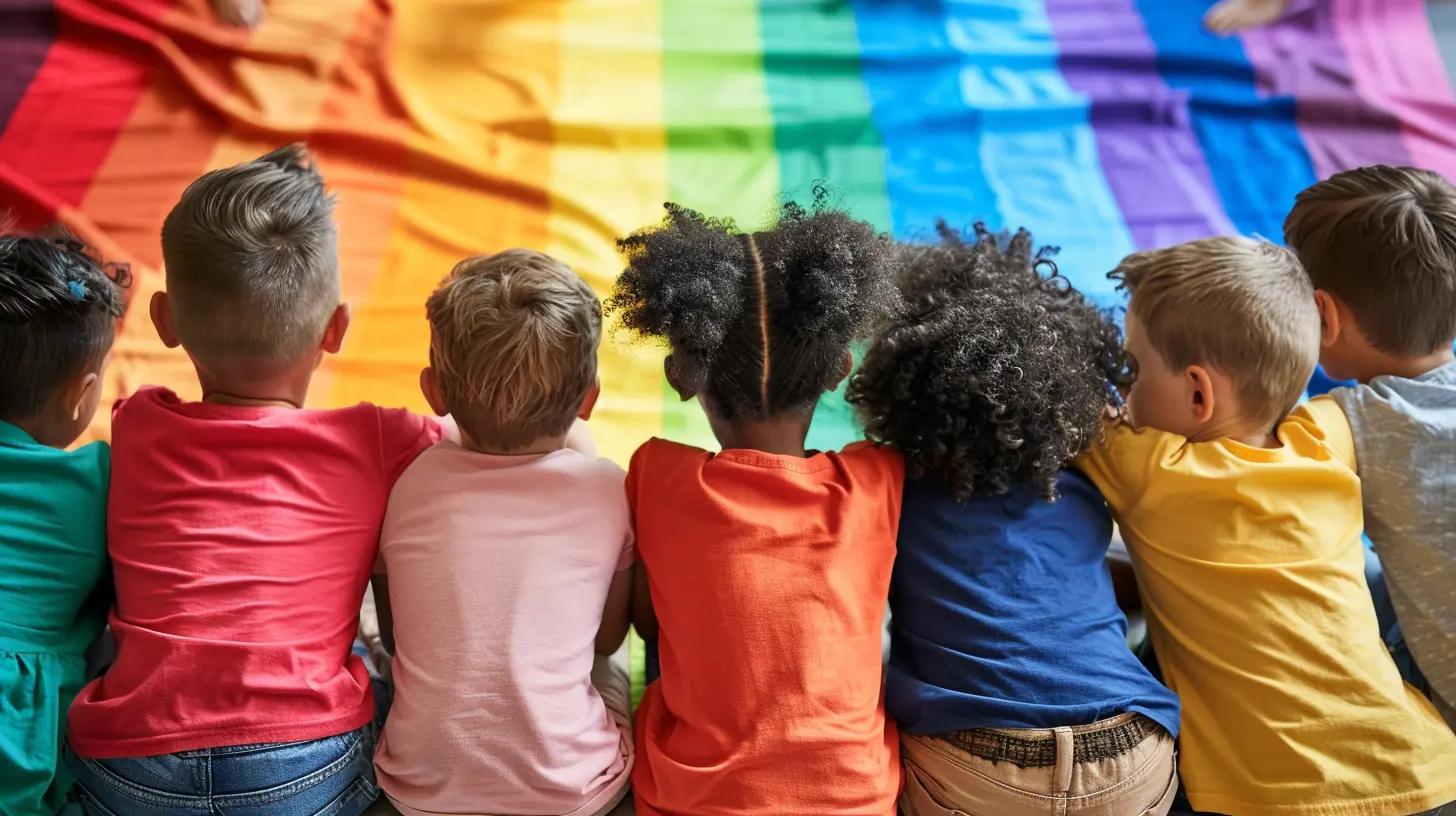
Why Safe Spaces Matter More Than Ever
Let’s be real—school can be tough for anyone. Now layer on the fear of being harassed, discriminated against, or bullied just for being yourself. That’s the daily burden many LGBTQ+ students carry.According to several studies and surveys, LGBTQ+ students are far more likely to face bullying, mental health challenges, absenteeism, and even drop out of school due to unwelcoming environments.
So why do safe spaces matter? Because they protect, empower, and uplift. They’re not just physical spots in a school—they're emotional and psychological sanctuaries. When students feel secure, they thrive both academically and personally.
Understanding the LGBTQ+ Experience in Schools
Before we can build inclusive environments, we need to understand the landscape.The Reality of Bullying
LGBTQ+ students are more likely to experience:- Verbal harassment (name-calling, slurs)
- Social exclusion or isolation
- Physical bullying
- Cyberbullying
- Discrimination by peers and, sadly, even educators
These experiences lead to serious consequences: anxiety, depression, poor grades, and low self-esteem.
Identity Struggles
Middle and high school are awkward for most kids. Now imagine trying to figure out your identity in a world that often tells you something’s “wrong” with you. LGBTQ+ students may hide their true selves just to survive socially. That’s not just heartbreaking—it’s a huge barrier to learning and personal growth.
What Does a “Safe Space” Really Mean?
“Safe space” isn’t just a buzzword tossed around during awareness weeks. It’s a holistic concept.A safe space is:
- A judgment-free zone
- A place where everyone’s identity is respected
- A supportive environment with policies that protect students
- A culture that promotes acceptance and celebrates diversity
It can be a classroom, a counselor's office, an LGBTQ+ club, or even the entire school. More importantly, it’s an emotional space where students don't feel the need to hide who they are.
Inclusion: The Magic Ingredient to Prevent Bullying
Inclusion is where safety starts. When students feel included, bullying loses its grip. Inclusion says, “You belong here exactly as you are.” It promotes empathy, appreciation, and community spirit.Let’s break down how inclusion acts like anti-bullying armor:
Inclusive Curriculum
Ever noticed how history books rarely mention LGBTQ+ figures? Representation matters. When students see people like themselves in lessons, it sends a message: “You’re part of the story.”Teachers can weave in LGBTQ+ topics in:
- Literature (books with queer protagonists)
- History (profiles of LGBTQ+ activists)
- Health education (inclusive sexual education)
This isn’t about “pushing an agenda”—it’s about reflecting reality.
Staff Training and Awareness
Educators play a major role in setting the tone. Regular sensitivity and diversity training helps staff recognize biases, challenge stereotypes, and respond effectively to bullying.Does a teacher know how to properly use a student’s preferred pronouns? Do they know how to intervene when homophobic language is used? If not, training is crucial.
Gender-Neutral Restrooms and Policies
You can’t feel safe when basic needs like using the restroom become anxiety-filled decisions. Schools should provide gender-neutral restrooms and revise dress codes, sports teams, and signage to be inclusive.Small changes send a big message: “You matter here.”
Safe-Space Programs and Clubs
Gay-Straight Alliances (GSAs) or Student Pride Clubs are lifelines for many LGBTQ+ students. These clubs foster peer support, build community, and educate others. Even attending a meeting can feel like a breath of fresh air for someone who’s been holding their breath all day.How Educators Can Be Allies
Not everyone knows exactly what to say or do, and that’s okay. Being an ally isn’t about having all the answers—it’s about showing up, listening, and learning. Here’s how educators can help create safe spaces:1. Use Inclusive Language
Language is powerful. Saying “partner” instead of “boyfriend/girlfriend” can make a big difference. Always respect students’ preferred pronouns and names. If you slip up, correct yourself and move on—it shows you care.2. Have Zero Tolerance for Bullying
Make it loud and clear: bullying based on gender identity or sexual orientation isn’t acceptable. Enforce policies fairly and consistently. When students see adults taking a stand, they start to do the same.3. Create Visual Cues of Support
Simple things like a rainbow flag sticker on a classroom door or a “Safe Zone” sign can signal support. It tells students, “You are welcome here.”4. Celebrate Diversity
Host events or awareness days like National Coming Out Day or Pride Month activities. These aren’t just celebrations—they’re affirmations that LGBTQ+ students are valued.Let’s Talk to Parents: Inclusion Starts at Home Too
Yep, parents have a big role too. Home is a child’s first classroom, and the lessons start way before school.Raising Inclusive Kids
Teach children to respect differences. Encourage curiosity and correct stereotypes. Explain that families can look different, and love comes in many forms.Be an Advocate
Speak up at school board meetings. Support inclusive policies. Push back on discriminatory practices. When parents unite for equity, schools listen.Student Voices: The Heart of Inclusion
Want to know what LGBTQ+ students need? Ask them. Their lived experiences are the most valuable tools for understanding what’s working and what’s not.Create opportunities for student-led panels, anonymous surveys, open forums, or suggestion boxes. When students feel heard, they feel empowered.
The Ripple Effect of Inclusion
Creating safe spaces doesn’t just benefit LGBTQ+ students—it uplifts the entire school community. It's like planting a tree: its shade doesn't only serve the one who planted it. When schools embrace diversity, all students learn the power of empathy, openness, and respect.And guess what? These are life skills that serve way beyond the classroom.
Overcoming the Pushback
Let’s face it—there will be resistance. People might say, “We don’t need this here” or “You’re making it political.” That’s when we double down on kindness, facts, and perseverance.The truth? Creating safe spaces isn’t political—it’s humane. Every student deserves to feel safe, respected, and loved. Period.
Wrapping It Up: We’ve Got Work To Do (But It’s Worth It)
Creating safe spaces for LGBTQ+ students is ongoing—it’s not a checkbox, it’s a commitment. Inclusion isn’t just a one-time act; it’s a culture we cultivate with intention, love, and accountability.If you’re a teacher, parent, student, or administrator, you have the power to make a difference. Start small, stay consistent, and remember that even the tiniest gesture can have a monumental impact on a young person’s life.
So, let’s be the generation that fought for every student to feel like they belong. After all, school should be a place where young minds grow—not shrink to fit someone else’s idea of “normal.
all images in this post were generated using AI tools
Category:
Bullying PreventionAuthor:

Anita Harmon
Discussion
rate this article
2 comments
Kael McVicar
This article highlights a vital issue in education. Creating safe spaces for LGBTQ+ students not only fosters inclusivity but also promotes their well-being. Every student deserves to feel accepted and valued. Let's work together to make schools a supportive environment for all.
September 25, 2026 at 4:34 AM
Maverick Martin
This article sheds light on a crucial topic. It's inspiring to see efforts aimed at creating safe spaces for LGBTQ+ students. Inclusion not only fosters acceptance but also empowers individuals to thrive. I'm curious about specific strategies schools can implement to effectively combat bullying while promoting a culture of understanding and respect.
September 11, 2026 at 4:49 AM
Anita Harmon
Thank you for your thoughtful comment! Schools can implement strategies like inclusive training for staff, student-led awareness programs, and clear anti-bullying policies to foster understanding and respect. These approaches create a supportive environment for all students.