Building Empathy: A Key to Preventing Bullying Among Students
7 January 2026
Bullying—it’s like that annoying pop-up ad on a website. No one asks for it, it keeps showing up, and it causes unnecessary frustration. But what if we had a secret weapon to shut it down? Enter empathy—the superhero we didn’t know we needed to stop bullying in its tracks.
Let’s be real: bullying is a big deal. It’s not just about stolen lunch money or mean comments in the hallway. It can leave deep emotional scars that last for years. But here’s the good news—if we teach students empathy, we can make a serious dent in bullying.
So, how exactly does empathy help? And more importantly, how can we build it? Let’s dive in.
The Connection Between Empathy and Bullying
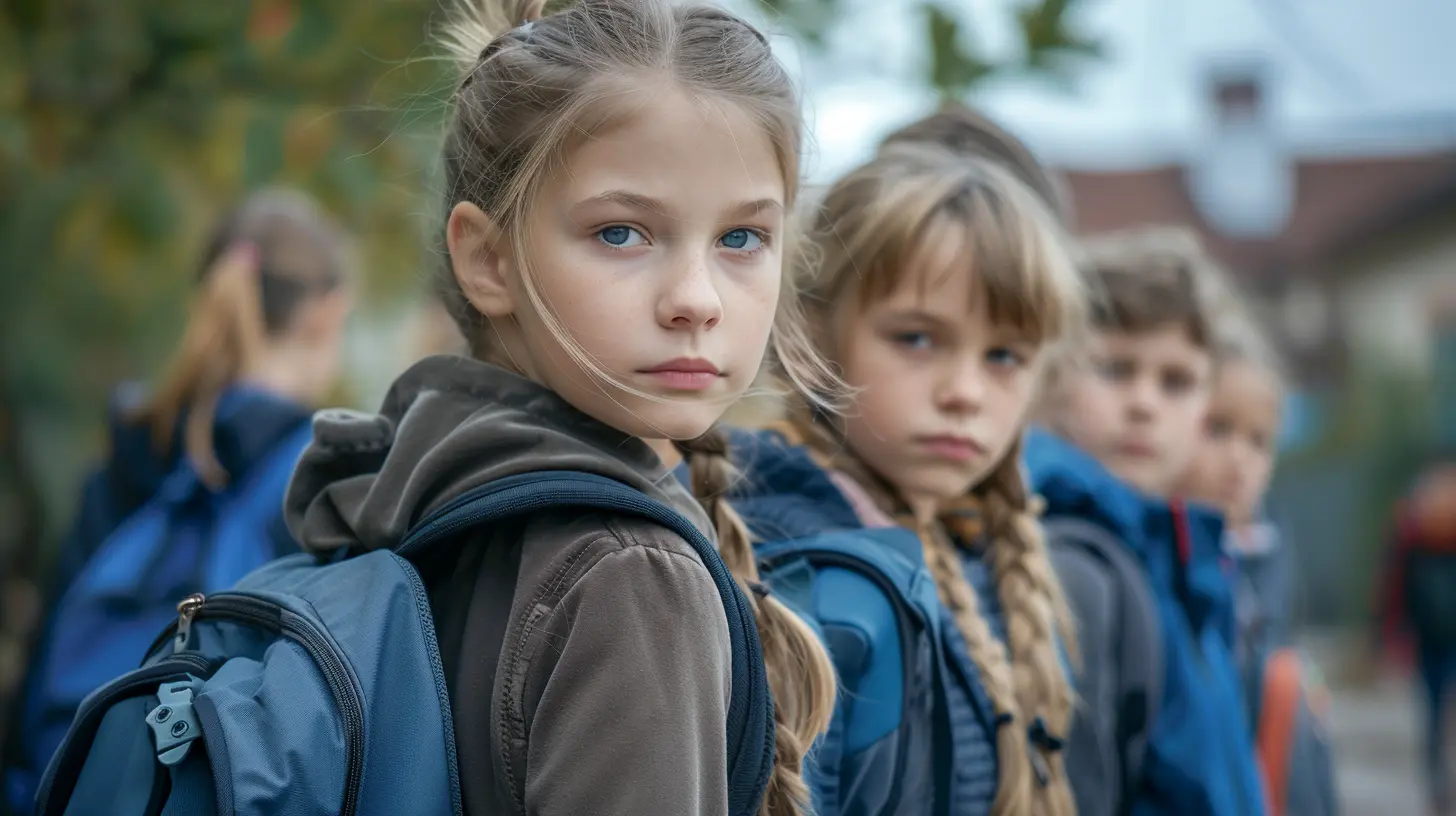
Before we talk about solutions, let’s understand the problem. Bullying happens when someone lacks the ability (or desire) to understand and care about another person's feelings. In other words, when empathy is missing, bullying has room to thrive.Think about it: if a student truly understood how much their words or actions hurt someone, would they really keep doing it? Probably not. Empathy allows students to step into someone else’s shoes—no, not literally (unless they’re swapping sneakers)—but emotionally. It helps them feel what others feel, which makes them less likely to cause harm.
What Exactly Is Empathy?
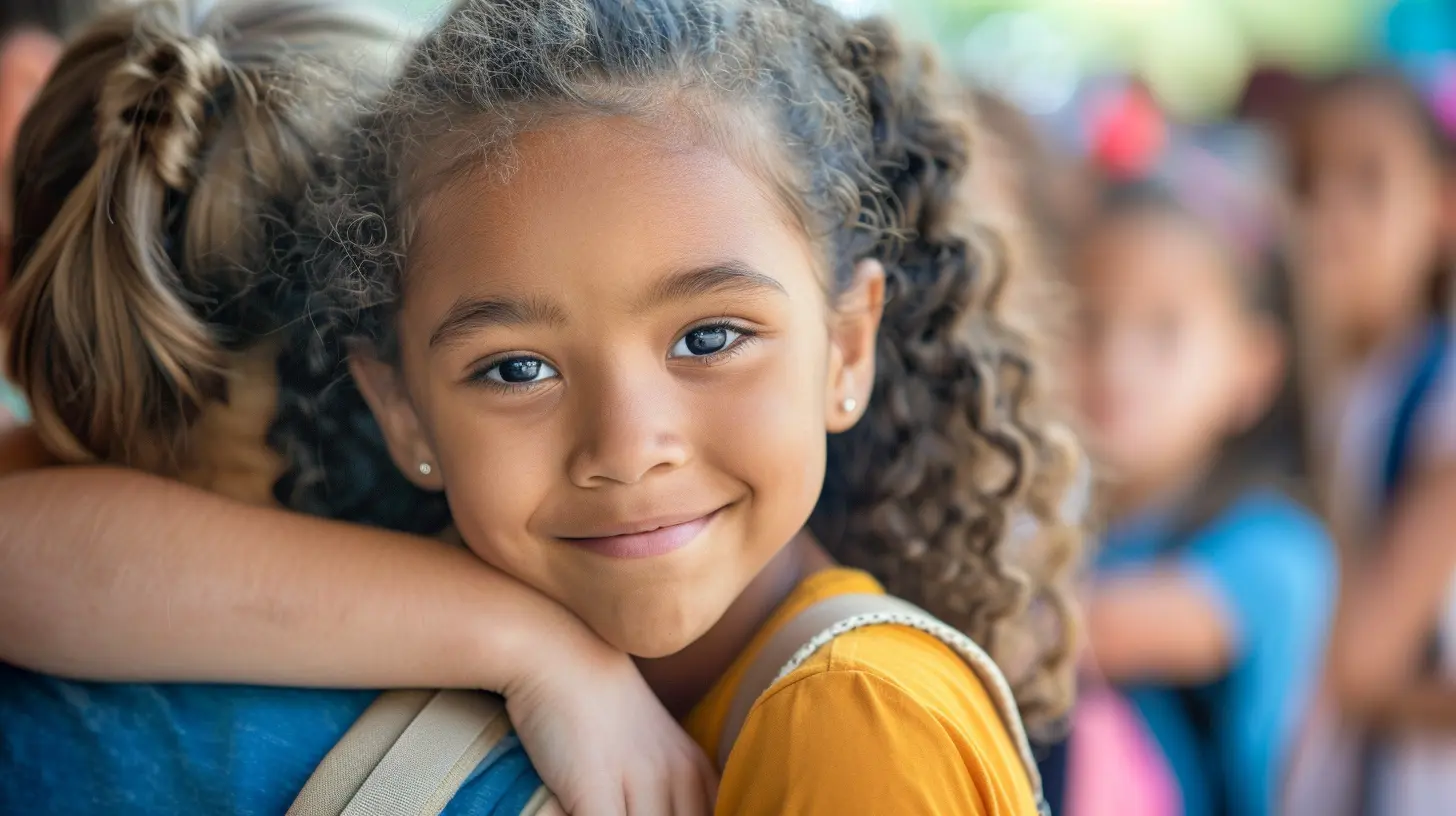
Let’s break it down. Empathy is the ability to:- Recognize how someone else is feeling.
- Understand their emotions.
- Respond in a way that shows care and concern.
It’s like having emotional Wi-Fi—you pick up on signals that others are sending. Some people naturally have strong empathy, while others need a little extra help learning it. And that’s okay! The good news? Empathy is a skill—which means it can be developed with practice.
How to Teach Empathy to Students
So, how do we turn students into empathy champions? Here are some practical strategies:1. Encourage Perspective-Taking
Imagine watching a movie, but instead of following the main character, you see everything from a side character’s point of view. That’s perspective-taking! One of the best ways to build empathy is to encourage students to think about different viewpoints.Try this:
- Ask students, “How do you think that person feels?” when discussing conflicts or events.
- Use books and movies that show different experiences and perspectives.
- Encourage role-playing activities where students step into someone else's situation.
2. Teach Emotional Vocabulary
Sometimes, students bully because they don’t recognize their own emotions, let alone others'. They might be feeling frustrated, lonely, or anxious and don’t know how to express it.Helping students name their emotions can work wonders. Instead of just saying, “I feel bad,” they can say, “I feel frustrated because I didn’t do well on my test.” When students understand emotions, they become more aware of how words and actions affect others.
3. Foster a Culture of Kindness
Kindness is like a muscle—the more you use it, the stronger it gets. A school or classroom that promotes kindness naturally discourages bullying.Here’s how schools can foster kindness:
- Start a compliment board where students write kind words about their classmates.
- Encourage random acts of kindness (small actions that make a big impact).
- Introduce peer mentoring, where older students support younger ones.
4. Use Empathy-Building Activities
Want to make empathy stick? Engage students in activities that help them feel what others feel.Some effective activities include:
- The "Walk in Their Shoes" Activity – Have students write about a time they felt excluded or hurt, then discuss how it made them feel.
- Blindfold Trust Walk – Pair students up, blindfold one, and have the other guide them around an obstacle course. This teaches trust and reliance on others.
- Storytelling Circles – Give students a chance to share personal stories in a safe space to build understanding.
5. Model Empathy as Adults
Kids learn by watching. If teachers, parents, and school staff show empathy in their daily interactions, students will pick it up too.- Show students that listening matters—put down your phone when someone is talking.
- Acknowledge emotions instead of dismissing them. ("I see you’re upset. Want to talk about it?")
- Be kind, even when it’s hard. Empathy isn’t just for students—it’s for everyone.

The Ripple Effect of Empathy
Here’s the cool thing: empathy doesn’t just stop bullying—it improves everything. It strengthens friendships, builds a more supportive school environment, and even helps students later in life. Think about it—empathy is essential for teamwork, leadership, and healthy relationships.Imagine a world where everyone actually listened to each other and cared. Sounds pretty great, right? Well, it starts with small steps in classrooms today.
Final Thoughts
At the end of the day, empathy is the game-changer we need to prevent bullying among students. It’s not about forcing kids to be friends with everyone—it’s about helping them understand others, even when they disagree.By teaching students how to step into someone else’s shoes (again, emotionally, not literally), we can create a world where kindness wins and bullying loses. And that? That’s a future worth striving for.
all images in this post were generated using AI tools
Category:
Bullying PreventionAuthor:

Anita Harmon
Discussion
rate this article
2 comments
Alice Lawrence
Great insights! I'm curious about specific strategies teachers can use to foster empathy in students. Can you share any effective examples?
February 6, 2026 at 11:32 AM
Anita Harmon
Thank you! Teachers can foster empathy by incorporating activities like role-playing, where students take on different perspectives, and group discussions about emotions triggered by various scenarios. Additionally, community service projects can help students connect with others and understand diverse experiences.
Allison Mendoza
This article highlights a crucial aspect of fostering a positive school environment. Building empathy not only helps prevent bullying but also nurtures understanding and compassion among students. Encouraging discussions and activities centered around empathy can create a supportive culture that empowers students to stand against bullying effectively.
January 13, 2026 at 12:57 PM
Anita Harmon
Thank you for your insightful comment! I completely agree—fostering empathy is essential for creating a compassionate school culture and effectively combating bullying.