Building a School Culture of Respect: Key Strategies for Bullying Prevention
15 August 2026
Let’s be real — school should be a safe space where every student feels seen, heard, and valued. No one wants to walk into a classroom with anxiety gnawing at them because of bullies lurking in the hallway or mean comments flying under the radar. That’s where a strong school culture of respect comes in — one that doesn’t just talk the talk but walks it every day.
Creating this kind of environment doesn’t happen by accident. It’s not about hanging pretty posters or having a once-a-year anti-bullying assembly. It’s about laying down real strategies and making respect a daily habit, not just a buzzword. So, how do we make that happen? Pull up a chair, grab your coffee (or tea if you’re fancy like that), and let’s dive into how we can build schools where kindness isn’t rare — it’s the norm.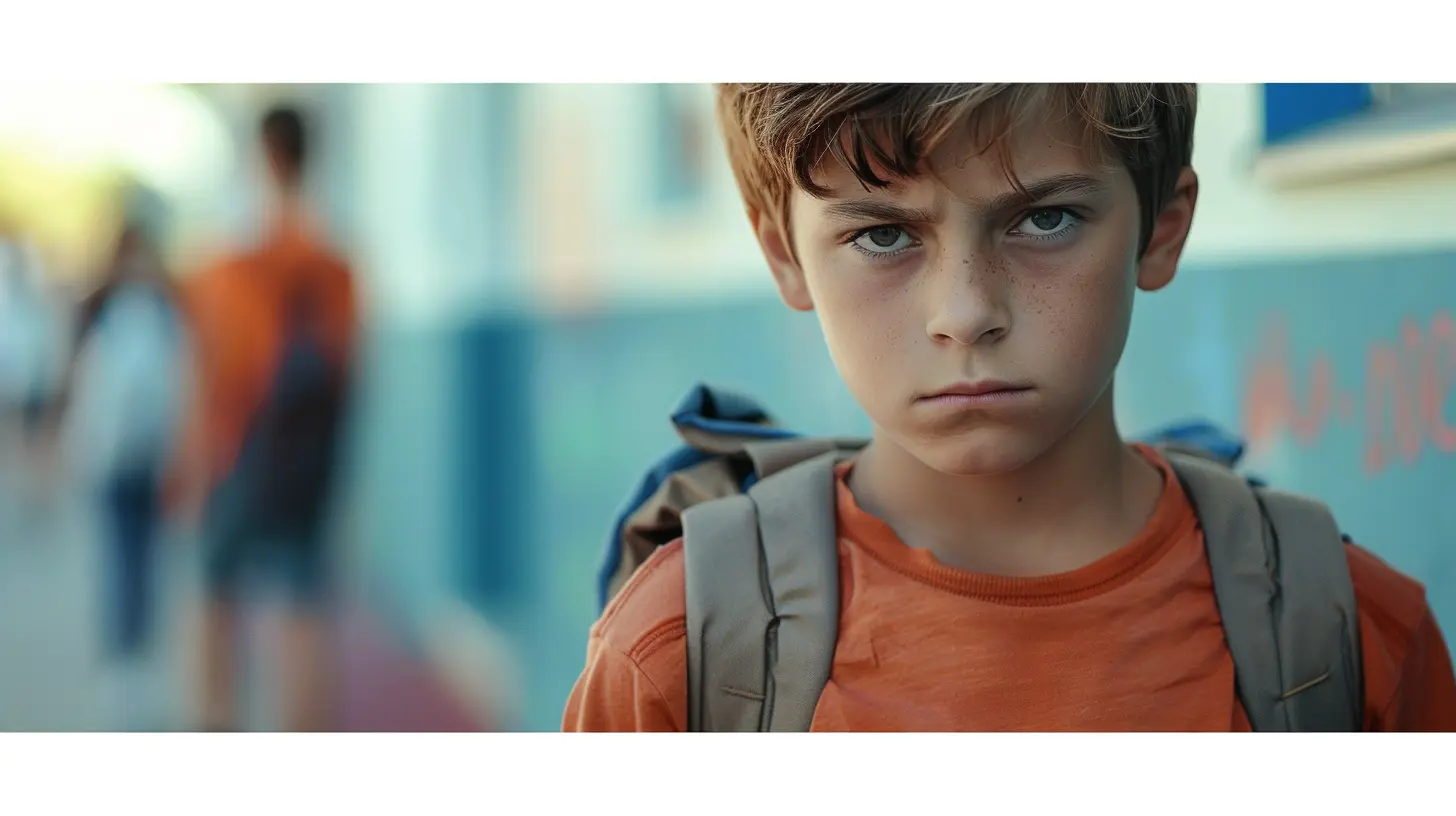
Why Respect Is the Cornerstone of Bullying Prevention
Bullies thrive in silence, secrecy, and systems that overlook or under-react. But respect? Respect shines a big, bright, unflinching spotlight on bullying behavior.When a school culture is rooted in respect, it becomes nearly impossible for bullying to take root and grow. Why? Because every student, teacher, custodian, and cafeteria worker are holding each other to higher standards. In a respectful community, people speak up, stand up, and support each other.
Think of it like planting a garden. If you’ve got good soil (respect), strong roots grow deep. But if the soil is toxic (indifference or fear), weeds like bullying grow before you even notice.
1. Start with the Adults: Model the Behavior You Want to See
Let’s cut to the chase — if staff members aren’t showing respect to each other or to students, it sends mixed signals. Kids are watching everything. They pick up on sarcasm, eye-rolls, and dismissive tones. So, the grown-ups in the room need to be walking, talking role models.- Greet students and colleagues with warmth.
- Listen actively — not with your eyes on the clock.
- Show empathy. A little goes a long way.
If teachers model authenticity and kindness, students learn that those values aren’t optional — they’re essential.
2. Create Clear, Positive School-Wide Expectations
Instead of endless lists of “don’ts” — don’t push, don’t shout, don’t run — build a framework around what you do want to see.Try something like:
- Be Respectful
- Be Responsible
- Be Safe
Keep it simple. Reinforce these across the board — in classrooms, hallways, buses, even online spaces. And make sure students understand what these values look like in action.
For instance, being respectful isn't just “not interrupting.” It’s also letting someone new sit next to you at lunch or including others in your group project without being asked.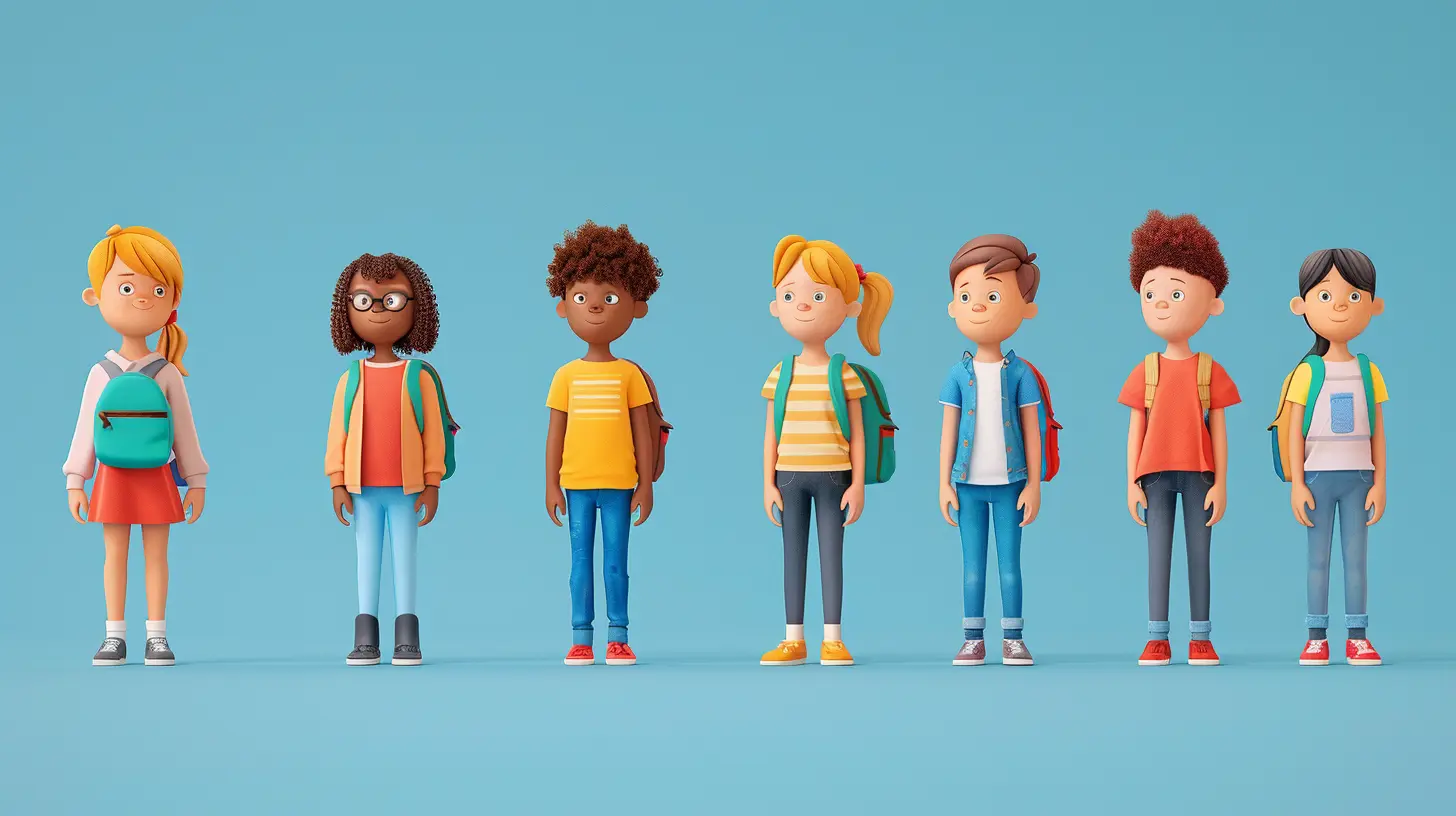
3. Teach Empathy Like It's a Core Subject
We teach algebra and grammar, but empathy? That often gets left behind in the shuffle. The truth is, empathy is one of the most powerful tools we have when it comes to bullying prevention.Let’s not assume kids just “pick it up” — many don’t. Some have never been shown how to put themselves in someone else’s shoes. So let’s teach it.
? Ideas to build empathy in schools:
- Use literature to explore different perspectives.
- Hold open discussions where students can safely express their feelings.
- Use role-play or scenario-based activities that make students think, “How would I feel if that were me?”
It’s not about being perfect, it’s about being aware — and caring enough to act when something isn’t right.
4. Make Student Voice a Priority — Not an Afterthought
Want students to feel respected? Give them a seat at the table. Literally.Create student councils, peer advisory teams, or open forums where students can voice concerns, share ideas, and feel like their opinions actually matter. When students feel empowered, they're more likely to look out for one another and less likely to tolerate bullying around them.
Ask students questions like:
- What does respect mean to you?
- What do you wish teachers understood about bullying?
- How can our school do better?
You might be surprised at the depth and honesty you’ll hear when you just ask.
5. Establish Consistent, Fair Responses to Bullying
Nothing destroys a culture of respect faster than inconsistency. If one student is disciplined harshly and another is let off with a warning, it signals that respect is conditional — and that’s a slippery slope.Have clear protocols. Make sure everyone — students, staff, and parents — knows what happens when bullying is reported. And then actually follow through.
But here’s a twist: not every response has to be punitive. Sometimes, what a student needs is a conversation, a chance to reflect, or support for what’s really going on underneath the surface.
Restorative practices can be powerful. They shift the focus from punishment to accountability and healing — and often, that's where lasting change begins.
6. Celebrate Kindness Loudly and Often
Here’s a radical idea: what if we gave as much attention to acts of kindness as we give to rule-breaking?Create a culture where doing the right thing isn’t just expected — it’s celebrated. Use announcements, bulletin boards, shout-outs, or “kindness coins” to recognize students who show empathy, include others, or stand up to bullying.
When kids see kindness being recognized, they’re more likely to want to emulate it. Recognition doesn’t have to be flashy — just genuine.
7. Use Social Media to Positively Shape School Culture
Let’s face it — social media is where many school dynamics play out these days. So instead of fighting it, schools should tap into its potential to build community and spread positivity.? Try these ideas:
- Share weekly shout-outs for students who go above and beyond.
- Create “Kindness Challenges” with fun rewards.
- Post videos from students talking about what respect means to them.
By owning the narrative, schools can shift the online culture from toxic to encouraging — one post at a time.
8. Train, Train, Train — and Not Just the Teachers
Training shouldn’t be a one-and-done session in September. Real change comes from ongoing, meaningful learning — and that includes everyone on campus.??♀️ Training should include:
- Non-teaching staff (bus drivers, cafeteria workers, secretaries)
- Student leaders and peer mentors
- Parents and caregivers
The more people in the loop, the more connected the safety net becomes. Everyone plays a role in preventing bullying, and everyone deserves the tools to do so.
9. Focus on Relationships Over Rules
Rules matter, of course. But relationships? They change everything.When students feel connected to someone — a teacher, a coach, a counselor — they’re more likely to open up if they’re being bullied, or even admit to being a bully themselves.
Encourage staff to build intentional, real relationships with students. It doesn’t take much. A quick check-in, remembering a birthday, asking about their weekend — these small moments build trust. And trust creates an environment where respect can truly grow.
10. Be Proactive, Not Just Reactive
Waiting for a bullying incident to happen before launching an anti-bullying initiative? That’s like fixing the roof after it’s already flooded.Instead, weave bullying prevention into regular school life:
- Kick off the school year with a Respect Week.
- Integrate social-emotional learning into the curriculum.
- Conduct anonymous school climate surveys to catch red flags early.
It’s far easier to build a fireproof house from the start than try to put out flames later on.
Wrapping It All Up: More Than Just a Buzzword
Respect isn’t just a theme for a bulletin board or a word in the mission statement — it’s a culture. And culture, by definition, is built intentionally. It’s the sum of everyday behaviors, choices, and systems.So, whether you’re a teacher, principal, parent, or student — know this: you have the power to help shape your school into a place where everyone feels safe and valued. And that’s not just nice — it’s necessary.
Let’s make our schools places where respect isn’t rare. Let’s make it the rule.
all images in this post were generated using AI tools
Category:
Bullying PreventionAuthor:

Anita Harmon
Discussion
rate this article
2 comments
Brick Pruitt
Creating a respectful school culture is essential; proactive strategies can effectively prevent bullying.
September 21, 2026 at 6:58 AM
Anita Harmon
I completely agree. A respectful culture lays the foundation for a safe environment where everyone can thrive. Proactive measures truly make a difference.
Wendy McAllister
This article provides valuable insights into fostering respect within schools. Emphasizing open communication and promoting empathy among students can significantly reduce bullying. Implementing these strategies not only creates a safer environment but also enhances overall student well-being and academic success. Great read!
August 30, 2026 at 3:27 AM