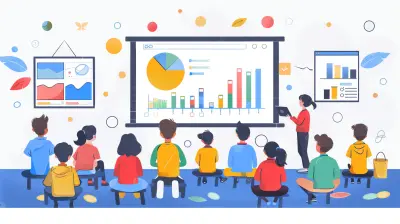
Breaking Down Barriers: Inclusion Strategies for Students with Disabilities
28 December 2025
When it comes to education, one size definitely doesn’t fit all. Think about it—how can we expect every student to thrive when they don’t all learn, communicate, or move in the same way? For students with disabilities, the traditional classroom can feel like a locked door. The good news? We have the keys. Inclusion isn’t just a buzzword; it's a mindset, a strategy, and a promise that every student belongs and deserves the chance to shine.
So, if you're a teacher, school admin, parent, or even a curious student wondering how we can make classrooms more inclusive—you're in the right place. Let’s break this down into bite-sized, digestible chunks and talk about real, practical strategies that work.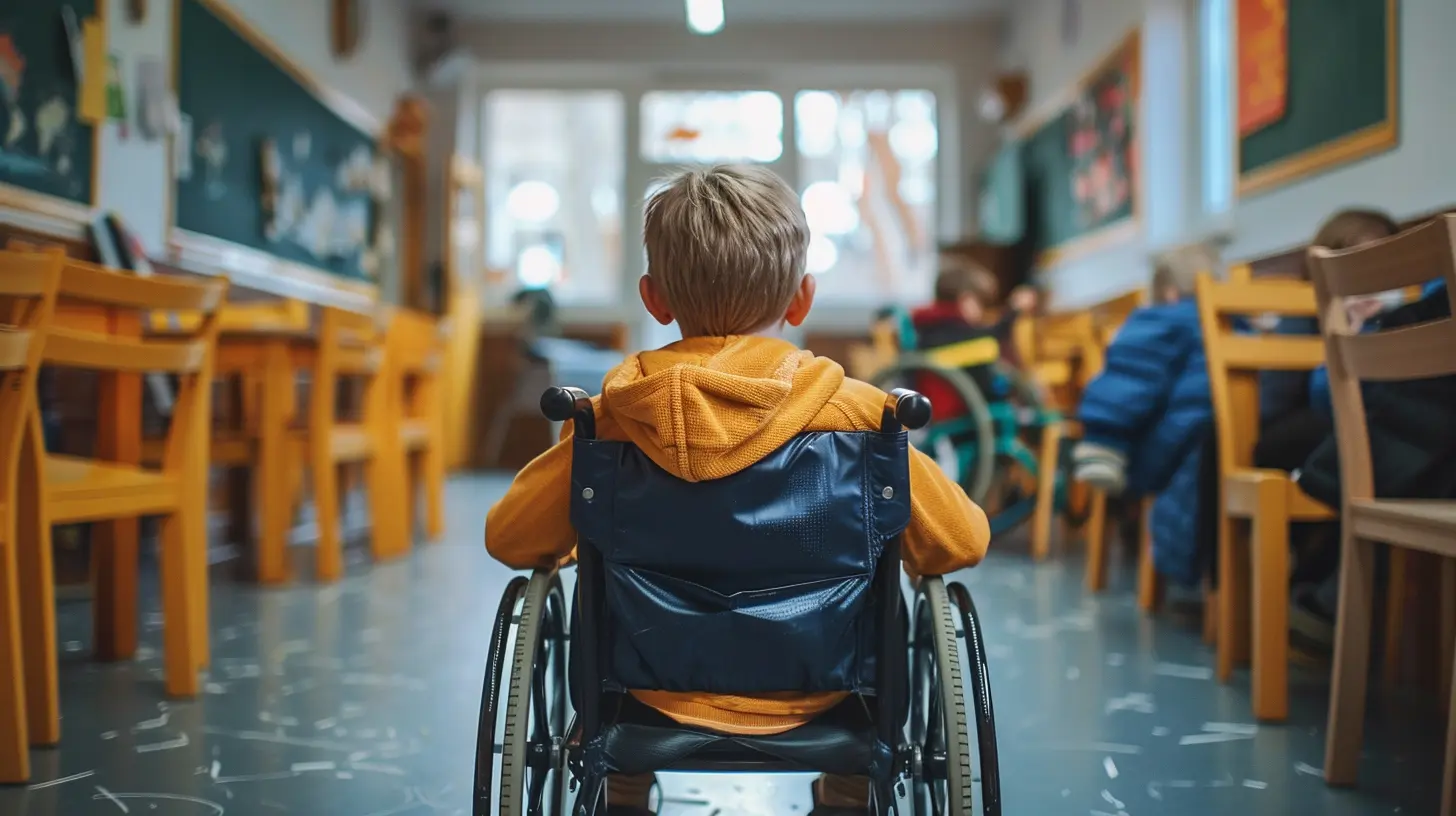
Contents
1. What Is Inclusion, Really?2. Why Inclusion Matters—A Lot
3. Common Barriers Faced by Students with Disabilities
4. Top Inclusion Strategies That Actually Work
5. Technology: A Game-Changer for Accessibility
6. Creating a Culture of Belonging
7. Training Teachers to Be Inclusion Champions
8. The Role of Parents and Communities
9. Measuring Success: Are We Really Being Inclusive?
10. Final Thoughts
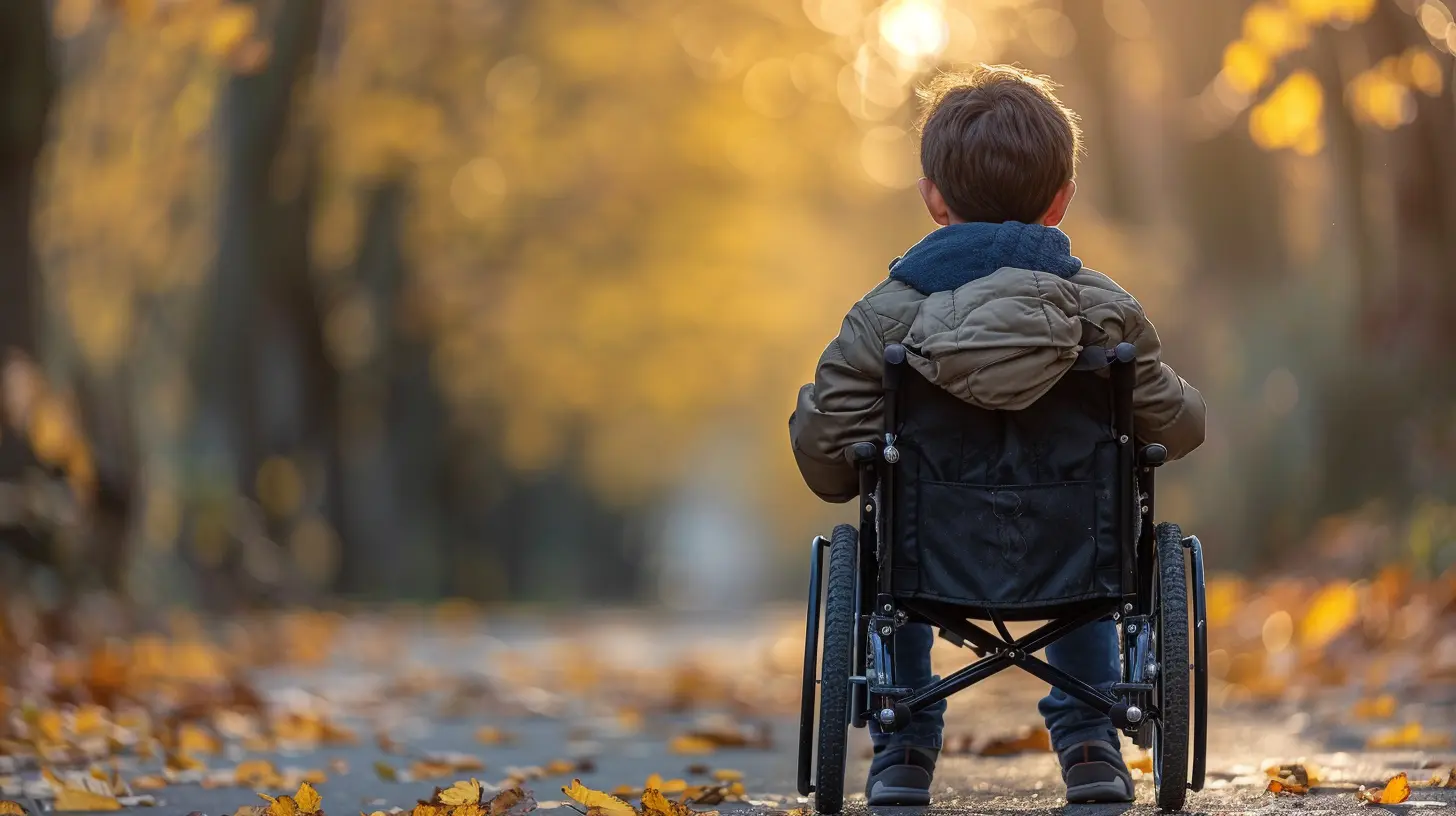
What Is Inclusion, Really?
Let’s clear something up: inclusion isn’t about “placing” a student with disabilities in a general education classroom and hoping for the best. That’s like inviting someone to a party but ignoring them all night.True inclusion is about actively designing the learning environment so that all students—regardless of ability—feel safe, valued, and supported. It’s about flexibility, creativity, and empathy. It’s not a favor. It’s a right.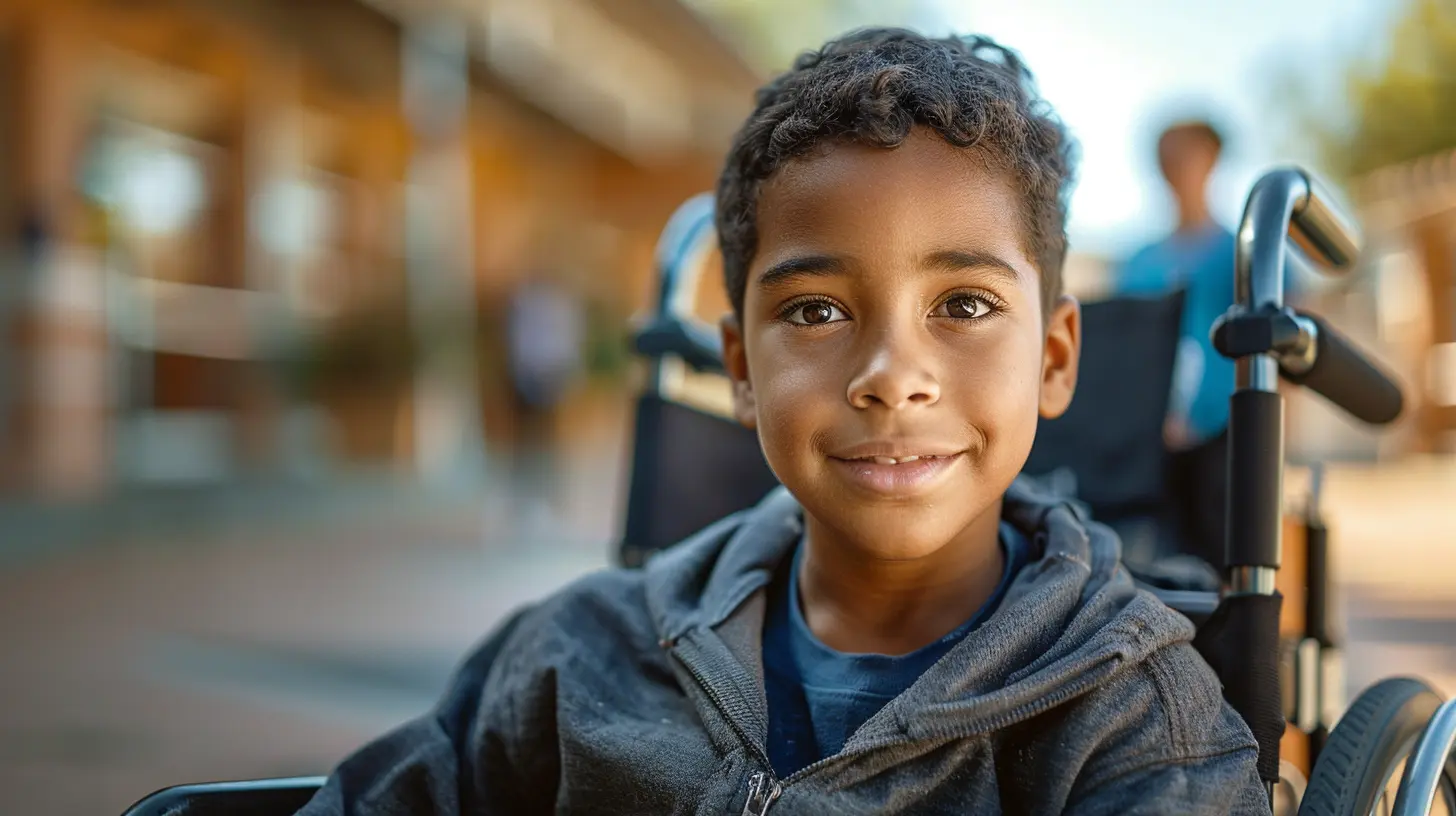
Why Inclusion Matters—A Lot
Ever heard the phrase “diversity is our strength”? It holds true in classrooms too. Inclusive education benefits everyone—not just students with disabilities.Think about it:
- Peers learn empathy and collaboration
- Teachers become more innovative
- Students develop social skills in real-world settings
Students with disabilities who are included in general education settings tend to perform better academically and socially. It’s a win-win situation.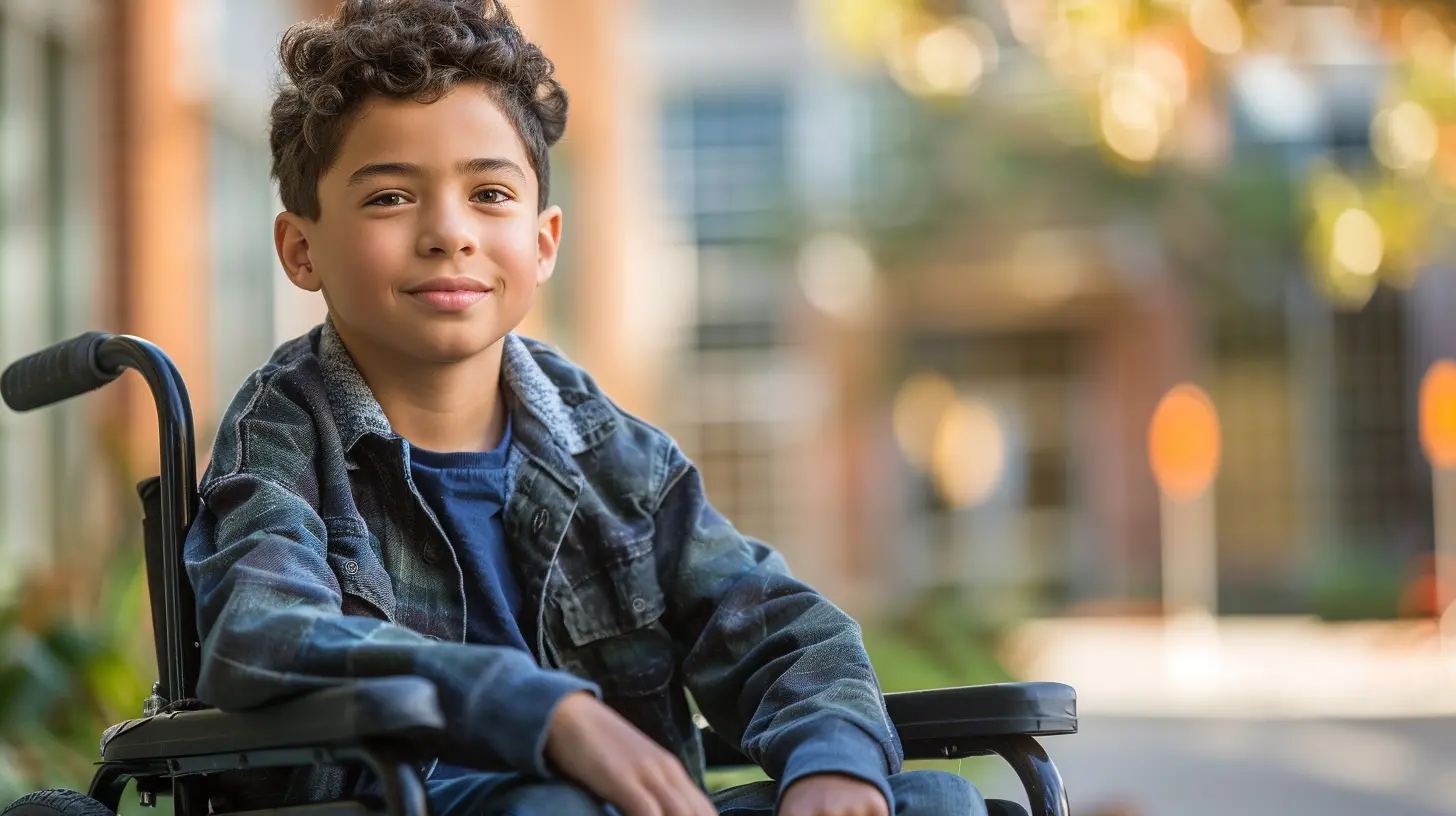
Common Barriers Faced by Students with Disabilities
Before we dive into solutions, we need to understand the hurdles. You can’t fix what you don’t face.Here are some roadblocks many students with disabilities encounter:
1. Physical Barriers
This includes things like:- Inaccessible buildings
- Lack of transportation accommodations
- Inadequate classroom setups
2. Attitudinal Barriers
Probably the hardest to tackle. These are the beliefs that students with disabilities can't succeed or are a burden. Ouch, right?3. Curriculum and Instructional Barriers
When teaching methods are rigid or materials aren’t adaptable, students get left behind.4. Communication Barriers
From hearing impairments to language processing disorders, communication isn't one-size-fits-all.5. Policy and Systemic Barriers
Sometimes the system just isn’t flexible enough. Outdated policies and lack of funding can make or break inclusion efforts.Top Inclusion Strategies That Actually Work
Alright, now for the juicy stuff. How can we knock down these walls and build bridges instead?1. Universal Design for Learning (UDL)
UDL is like the Swiss Army knife of teaching. It's all about creating lessons that work for everybody—not just the "average" student (who, let’s be real, doesn’t really exist).- Provide multiple ways to access content (videos, text, hands-on)
- Allow different ways to show understanding (presentations, drawings, tests)
- Keep students engaged by offering choices
2. Individualized Education Programs (IEPs)
IEPs are custom-made blueprints for student success. They spell out:- The student’s current level
- Specific goals
- Support services needed
And most importantly, they’re a team effort—parents, teachers, specialists, and the student (when appropriate) work together.
3. Co-Teaching Models
Imagine having two teachers in one room—one focusing on content, the other on inclusion. Co-teaching allows for small group instruction, personalized help, and yes, better outcomes.4. Flexible Grouping
Ditch the static seating charts. Mix things up! Group students by interest, ability, or learning style. It keeps learning fresh and inclusive.5. Modified Assignments & Assessments
Not everyone needs to write a 5-page essay to show understanding. A student might record a podcast or create a comic strip instead.Remember: Fair isn’t always equal. Fair is giving each student what they need to succeed.
Technology: A Game-Changer for Accessibility
Let’s be real—tech is changing the game. It’s like rocket fuel for inclusion.Some cool tools to check out:
- Text-to-speech software for students with dyslexia- speech-to-text apps for those with writing challenges
- Screen readers and magnifiers for visual impairments
- Autism-specific apps that help with communication and social skills
But—and this is a big but—technology only works if students are trained to use it and teachers know how to integrate it. Don’t just hand over a tablet and hope for magic.
Creating a Culture of Belonging
You can have all the ramps and resource rooms in the world, but if a student feels like an outsider? That’s not inclusion.Here’s how to build a welcoming classroom:
- Celebrate differences! Discuss disabilities openly and positively.- Use inclusive language ("students without disabilities" vs "normal kids").
- Make peer support a priority—buddy systems, group projects, and recess games matter.
- Address bullying immediately and consistently.
A student won’t remember every lesson, but they’ll always remember how you made them feel.
Training Teachers to Be Inclusion Champions
Let’s not sugarcoat it—teaching in an inclusive classroom can be challenging. But with the right training and mindset? Totally doable.Professional development should cover:
- Disability awareness- Differentiated instruction
- Behavior management
- Collaborating with specialists
Encourage teachers to ask questions, share struggles, and celebrate wins. Inclusion doesn’t mean doing it alone.
The Role of Parents and Communities
It takes a village, right? Parents are a goldmine of insight and support.- Invite them to IEP meetings
- Keep open lines of communication
- Encourage them to advocate and participate
Communities can also step up. Libraries, sports teams, and arts programs can all play a role in making inclusion a lifestyle, not just a school policy.
Measuring Success: Are We Really Being Inclusive?
So, how do we know if it’s working?Here are some clues:
- Students with disabilities are progressing academically
- They’re participating in extracurriculars
- They report feeling safe and valued
- Teachers feel supported and confident
Use feedback from students, parents, and staff to make tweaks. Inclusion isn’t a one-and-done—it’s a journey.
Final Thoughts
Inclusion isn't just about physical access—it’s about emotional and educational access too. When we break down the barriers, we build up possibilities. When we accommodate differences instead of ignoring them, we create a classroom where everyone thrives.You don’t need a degree in special ed to make a difference. What you do need? Patience, compassion, creativity, and the belief that every student is capable of greatness. Because they are.
Let’s never stop striving to make our schools more inclusive—not just in policy, but in practice and heart.
all images in this post were generated using AI tools
Category:
Special EducationAuthor:

Anita Harmon
Discussion
rate this article
2 comments
Casey Sharp
This article provides essential strategies for fostering an inclusive environment for students with disabilities. By implementing these practices, educators can ensure all students feel valued and supported in their learning journey.
January 31, 2026 at 5:13 AM
Anita Harmon
Thank you for your insightful comment! I'm glad you found the strategies helpful for promoting inclusivity in education.
Zareth Palmer
This article provides vital insights into effective inclusion strategies for students with disabilities. It's essential reading for educators committed to fostering an inclusive environment and ensuring every student has equal opportunities.
December 31, 2025 at 5:10 AM
Anita Harmon
Thank you for your thoughtful comment! I'm glad you found the insights valuable for promoting inclusivity in education.