The Importance of Cultural Competence in Education
10 February 2026
In today’s increasingly interconnected world, cultural diversity is no longer just a concept you encounter while traveling or watching documentaries. It’s now a part of our everyday lives, especially in the classroom. Schools are becoming more diverse, with students coming from a wide variety of backgrounds, beliefs, and experiences. So, here’s the big question: how can educators ensure that all students, regardless of their cultural differences, feel included and supported in their learning environments? The answer lies in cultural competence.
In this article, we’ll dig into why cultural competence is so crucial in education and how it can shape the experiences of students, educators, and even communities. We'll explore how cultural competence isn’t just a fancy term but a much-needed skill that can make or break the classroom experience.
What is Cultural Competence in Education?
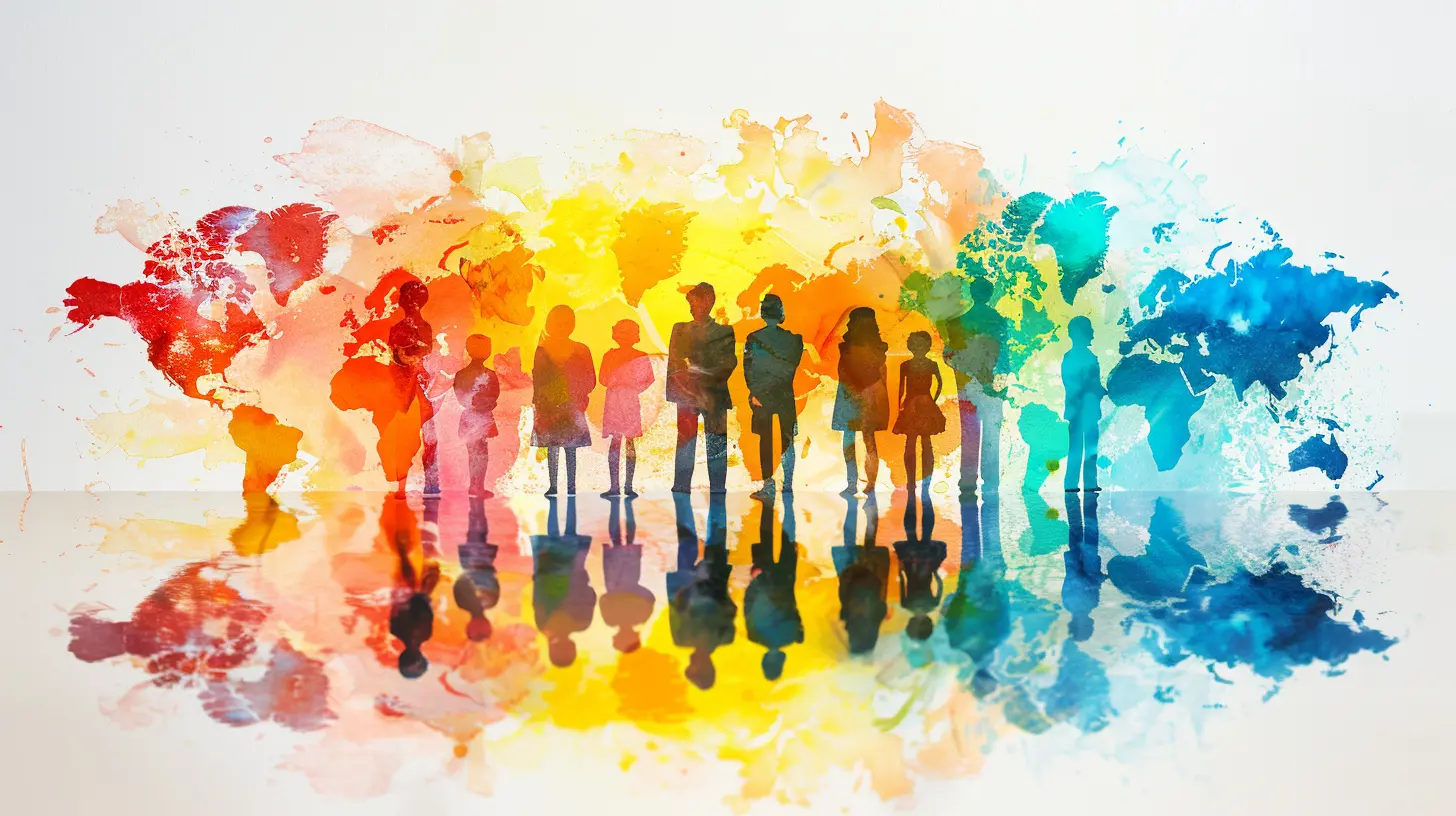
Let’s start by stripping down the jargon. What exactly is cultural competence? In the simplest terms, cultural competence means having the awareness, knowledge, and skills to interact effectively with people from different cultures. In education, it involves understanding and respecting the cultural backgrounds of students, while also applying this knowledge to create an inclusive learning environment.Think of it like this: cultural competence is like learning a new language. If you’re only fluent in your own, you’ll miss out on so many conversations. Similarly, if teachers only understand their own cultural viewpoint, they might miss the opportunity to connect with students from different backgrounds. It’s about expanding your worldview and becoming comfortable with diversity.
Why is Cultural Competence Important in Education?
1. Fostering Inclusivity
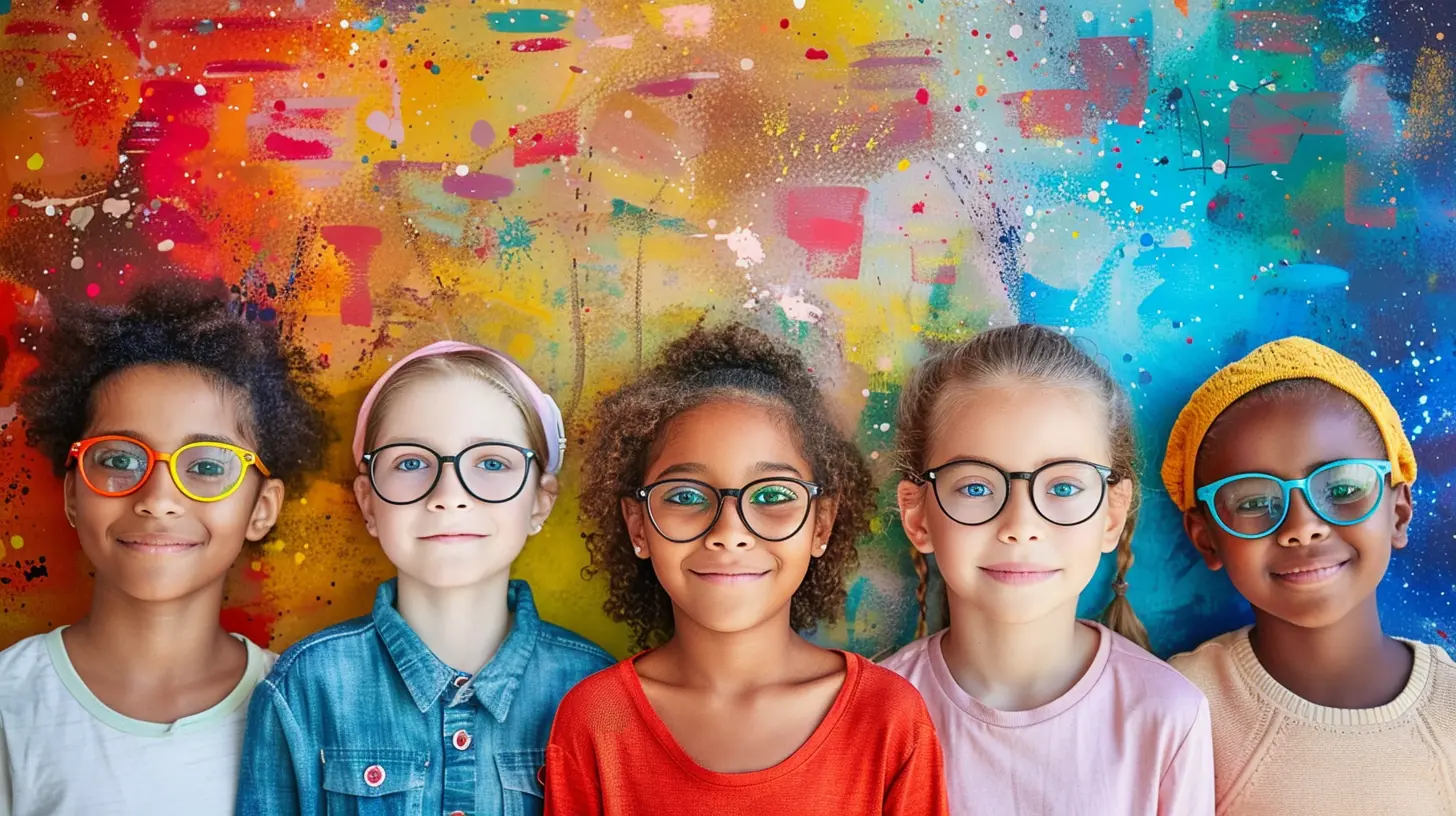
Imagine walking into a room where no one speaks your language, shares your values, or understands your experiences. Sounds isolating, right? Now, imagine that’s your classroom every single day. For many students from minority or underrepresented backgrounds, this can be their reality.Cultural competence helps educators break down these barriers by creating an inclusive atmosphere where every student feels seen, heard, and valued. When students see that their culture is respected, they’re more likely to participate, engage, and succeed academically.
2. Promoting Equity and Reducing Bias
We all have biases—even if we don’t realize it. And these biases can seep into the classroom, impacting how students are treated, graded, or even disciplined. Cultural competence encourages educators to reflect on their own biases and take steps to mitigate them. By doing so, they can ensure that all students have equal opportunities to succeed, regardless of their cultural background.It’s not just about acknowledging differences; it’s about leveling the playing field. When students are treated equitably, they’re more likely to thrive academically and socially.
3. Improving Communication
Ever tried to have a conversation with someone from a completely different culture? It can be tricky, right? Miscommunications happen all the time, especially in a classroom where students and teachers may not always share the same language, customs, or ways of thinking.When educators are culturally competent, they’re better equipped to navigate these potential communication pitfalls. They can adjust their teaching methods, use culturally relevant examples, and even modify their body language to ensure their message gets across. In turn, students feel more understood and are more likely to engage.
4. Supporting Social and Emotional Development
Cultural competence doesn’t just benefit students academically; it also plays a huge role in their social and emotional development. When students feel like they belong, they’re more likely to develop positive self-esteem and build strong relationships with their peers.On the flip side, when students feel misunderstood or marginalized due to their culture, it can lead to a host of negative outcomes, including anxiety, depression, and disengagement from school. By fostering an environment of acceptance and understanding, educators can help students develop the social and emotional skills they need to succeed both in and out of the classroom.
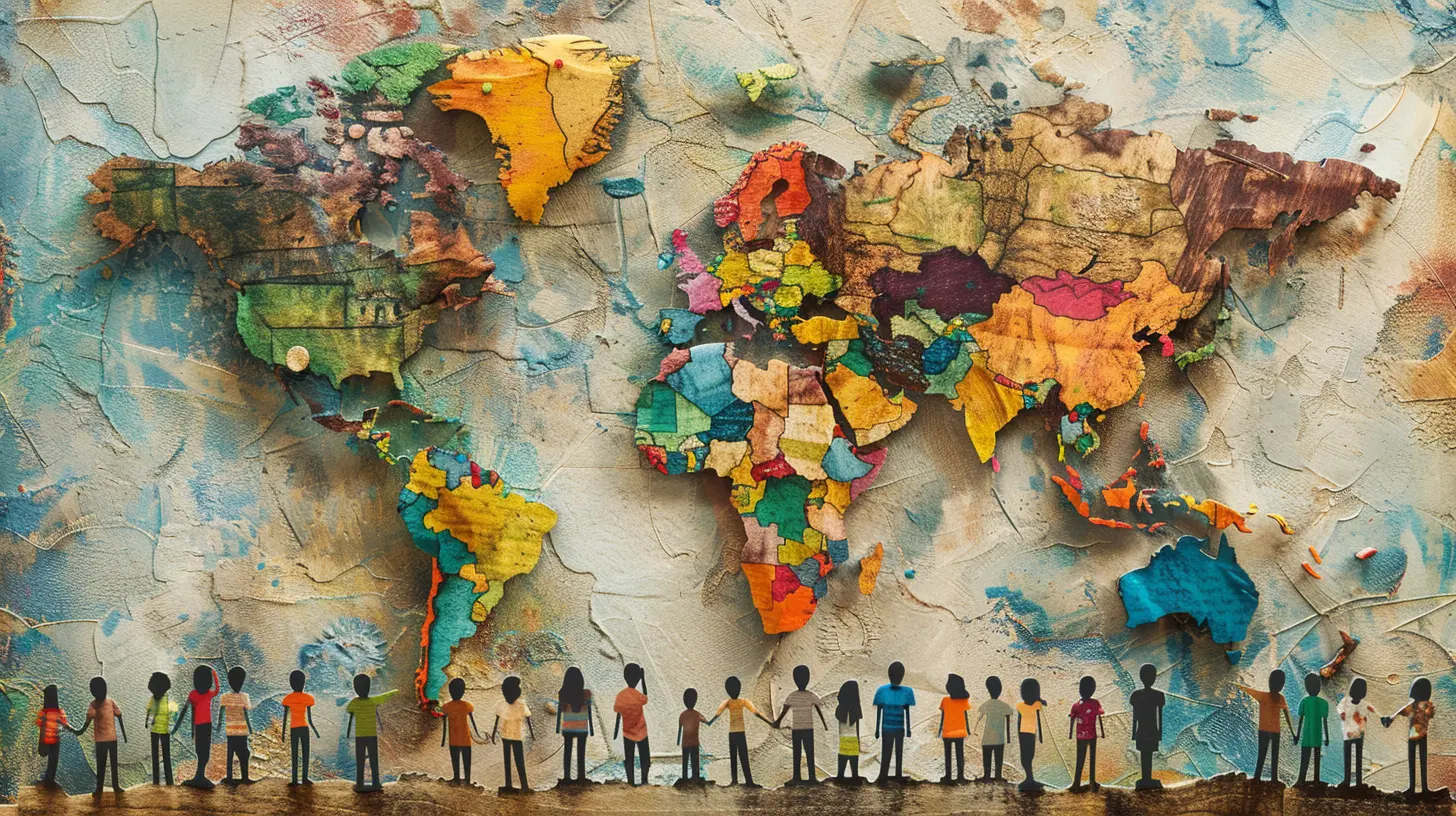
The Role of Educators in Developing Cultural Competence
So, how do educators cultivate cultural competence? Spoiler alert: it’s not something that happens overnight. Just like learning any new skill, it takes time, effort, and a willingness to grow. Here are some key steps educators can take to develop their cultural competence:1. Self-Reflection
Before you can understand others, you need to understand yourself. Educators should start by reflecting on their own cultural identity, experiences, and biases. This isn’t always easy, but it’s an essential first step toward becoming more culturally aware.Ask yourself: What are my own cultural values and beliefs? How do they shape my interactions with others? What biases might I bring into the classroom? By answering these questions, educators can gain valuable insights into how their own cultural lens may impact their teaching.
2. Educate Yourself About Other Cultures
You wouldn’t teach math without knowing how to solve an equation, right? The same goes for cultural competence. Educators need to actively seek out information about the cultures represented in their classroom. This could involve reading books, attending workshops, or even having conversations with students and their families.It’s important to remember that cultural competence is a lifelong learning process. There’s always more to learn, and educators should be open to expanding their knowledge and understanding of different cultural perspectives.
3. Adapt Your Teaching Methods
Once educators have a better understanding of their students’ cultural backgrounds, they can begin to adapt their teaching methods to better meet their needs. This might involve using culturally relevant materials, incorporating diverse perspectives into lesson plans, or even rethinking classroom management strategies.For example, in some cultures, students may be more comfortable working in groups, while in others, they might prefer individual work. By taking these preferences into account, educators can create a more inclusive and supportive learning environment.
4. Engage with Families and Communities
Cultural competence doesn’t stop at the classroom door. Educators should also strive to build strong relationships with students’ families and communities. This could involve attending community events, hosting family nights, or simply reaching out to parents to learn more about their cultural values and expectations.When educators engage with families and communities, they gain valuable insights into their students’ lives and can create a more holistic and culturally responsive educational experience.
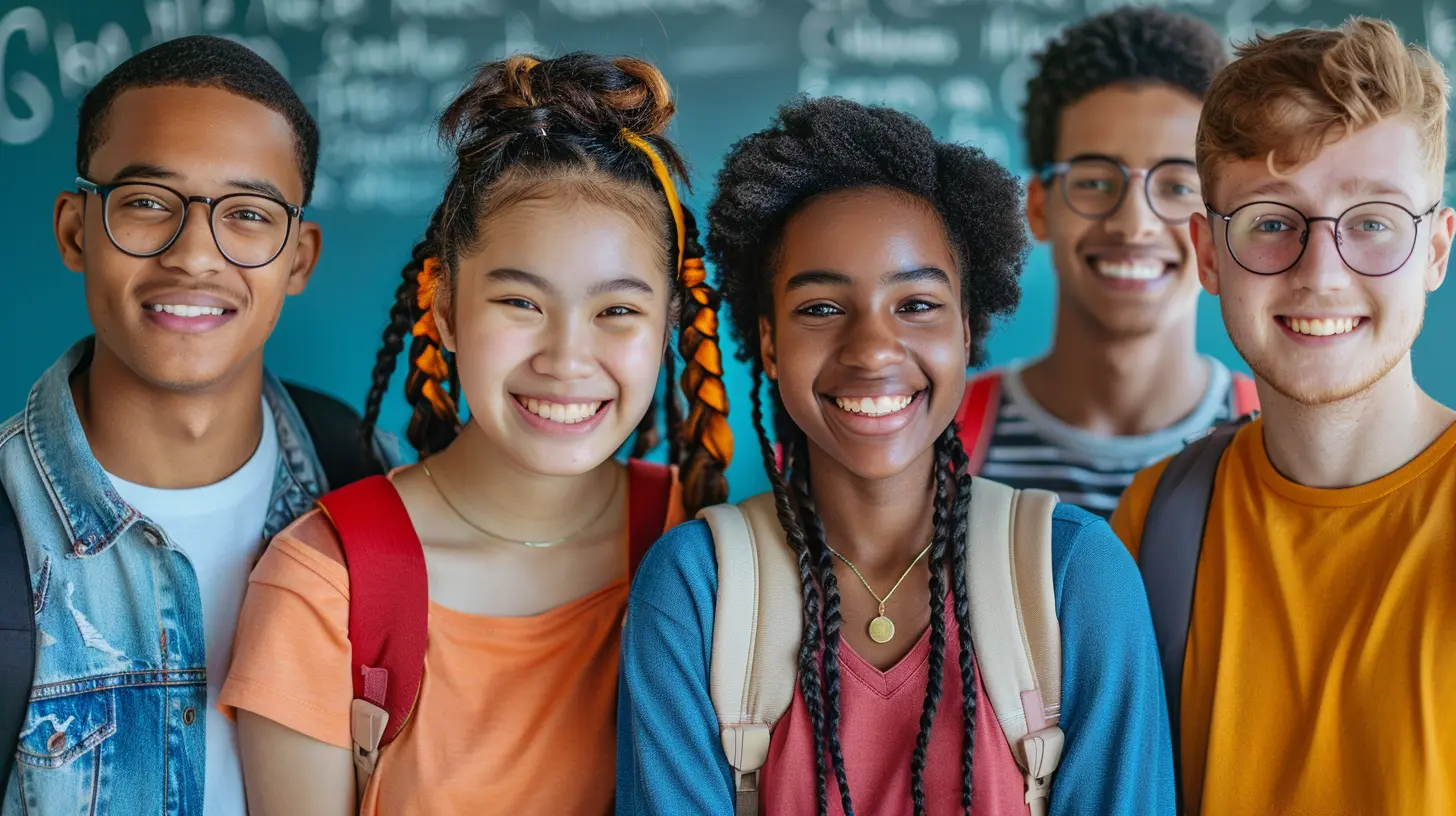
Challenges in Implementing Cultural Competence in Education
While the benefits of cultural competence are clear, it’s not always easy to implement. Here are some common challenges educators may face and how they can overcome them:1. Lack of Resources
One of the biggest obstacles to developing cultural competence is a lack of resources. Many schools simply don’t have the time, funding, or support to provide educators with the training and tools they need to become more culturally competent.Solution: Schools and districts need to prioritize cultural competence by allocating resources for professional development, materials, and support. Educators can also seek out free or low-cost resources, such as online courses or community organizations, to enhance their cultural competence skills.
2. Resistance to Change
Let’s be honest—change is hard. Some educators may be resistant to adopting new teaching methods or exploring unfamiliar cultural perspectives. This resistance can be particularly strong in schools with a long history of traditional teaching practices.Solution: School leaders can help by fostering a culture of openness and collaboration. Encourage educators to share their experiences, challenge their assumptions, and support one another in the journey toward cultural competence.
3. Fear of Making Mistakes
Many educators fear that they’ll say or do the wrong thing when it comes to cultural competence. This fear can lead to avoidance, where educators shy away from addressing cultural differences altogether.Solution: It’s important to remember that mistakes are a natural part of the learning process. Educators should approach cultural competence with humility and a willingness to learn from their mistakes. By creating a classroom environment where students and teachers alike feel comfortable discussing cultural issues, educators can reduce fear and encourage open dialogue.
The Future of Cultural Competence in Education
As our world becomes more diverse, the need for cultural competence in education will only continue to grow. Educators who embrace this challenge will be better equipped to create inclusive, equitable, and effective learning environments for all students.But here’s the thing: cultural competence isn’t just about what happens in the classroom. When educators foster cultural competence, they’re also shaping the future citizens of our global society. They’re teaching students not just how to ace their exams, but how to navigate a diverse world with empathy, understanding, and respect.
In the end, cultural competence is about more than just education. It’s about creating a world where everyone—regardless of their background—has the opportunity to succeed. And isn’t that something worth striving for?
Conclusion
Cultural competence in education isn’t just a nice-to-have; it’s a must-have. As classrooms become more diverse, educators need to be equipped with the knowledge and skills to support students from all backgrounds. By fostering inclusivity, promoting equity, and improving communication, cultural competence can transform the educational experience for both students and teachers alike.Sure, it’s not always easy. But with reflection, education, and a commitment to growth, educators can develop the cultural competence needed to create a more inclusive and equitable learning environment. And in doing so, they’ll not only improve academic outcomes but also shape the future of our increasingly diverse world.
all images in this post were generated using AI tools
Category:
Education ReformAuthor:

Anita Harmon
Discussion
rate this article
2 comments
Zina Young
Cultural competence is essential in education as it fosters an inclusive environment where all students feel valued and understood. By embracing diverse perspectives, educators can enhance learning outcomes, promote empathy, and prepare students to succeed in a multicultural world. Let's prioritize cultural awareness in our classrooms!
February 20, 2026 at 5:05 AM
Anita Harmon
Thank you for highlighting the crucial role of cultural competence in education! Embracing diversity not only enriches the learning experience but also prepares students for a global society. Let’s continue to advocate for inclusive practices in our classrooms!
Sablethorn McManus
Cultural competence isn’t just a buzzword; it’s the secret sauce that turns classrooms into vibrant learning hubs. Time to spice things up, educators!
February 14, 2026 at 5:51 AM
Anita Harmon
Absolutely! Cultural competence enriches learning and fosters inclusivity, creating dynamic environments where all students thrive.