Best Practices for Teacher Collaboration and Teamwork
4 March 2026
Let’s be real—teaching is not a solo mission. Yes, we might shut our classroom doors and feel like we're on our own little island with 30 students and a mountain of lesson planning, but the best outcomes for students (and for teachers) come when we work together. That's where teacher collaboration and teamwork step in like your favorite co-star in a buddy movie.
Whether you're a seasoned educator or a new teacher finding your feet, learning to collaborate effectively can be a game-changer. It’s not just about staff meetings or sharing a Pinterest board. It’s a mindset, a culture, and—when done right—pure magic.
So, buckle up. We’re diving into the best practices for teacher collaboration and teamwork. It's time to leave the “lone wolf” teaching style behind and join the pack.
Why Teacher Collaboration Matters
Before we jump into the how-to, let’s talk about the why.Imagine trying to build a puzzle, but you've only got half the pieces. Frustrating, right? That’s teaching without collaboration. Each educator brings unique experiences, teaching styles, and ideas. When we come together, those pieces start forming a complete picture—one that benefits students, teachers, and even the school’s culture.
Here’s the deal:
- Students benefit from consistent instruction and shared strategies.
- Teachers grow professionally by learning from one another.
- Schools improve as alignment and community strengthen.
Pretty compelling, huh?
1. Build a Foundation of Trust
Let’s not sugarcoat it—collaboration isn’t always easy. It starts with trust.If you’re going to share your struggles, open your classroom to feedback, and rely on others, there needs to be a safety net. That trust isn’t built overnight, but small steps make a big difference.
How to Build Trust:
- Be vulnerable. Share what's not working in your classroom. It invites others to do the same.- Give credit. Celebrate each other’s wins. A little kudos goes a long way.
- Own your part. If a group project goes sideways, take responsibility and learn from it.
Think of trust as the soil where collaboration grows. Without it, nothing will plant, let alone bloom.
2. Set Clear Goals and Expectations
You can’t hit a target if you don’t know where it is. That's why shared goals are essential.Start with a simple question: _What are we trying to accomplish together?_
Is it improved literacy scores? A shared classroom management strategy? A school-wide project? Define it, write it down, and make sure everyone’s on the same page.
Best Practices:
- Use SMART goals (Specific, Measurable, Achievable, Relevant, Time-bound).- Create a mission statement for your team or teaching grade level.
- Review goals regularly and tweak them as needed.
Without clear expectations, collaboration turns into chaos. Think of it as planning a road trip—you need a map, destination, and maybe some snacks.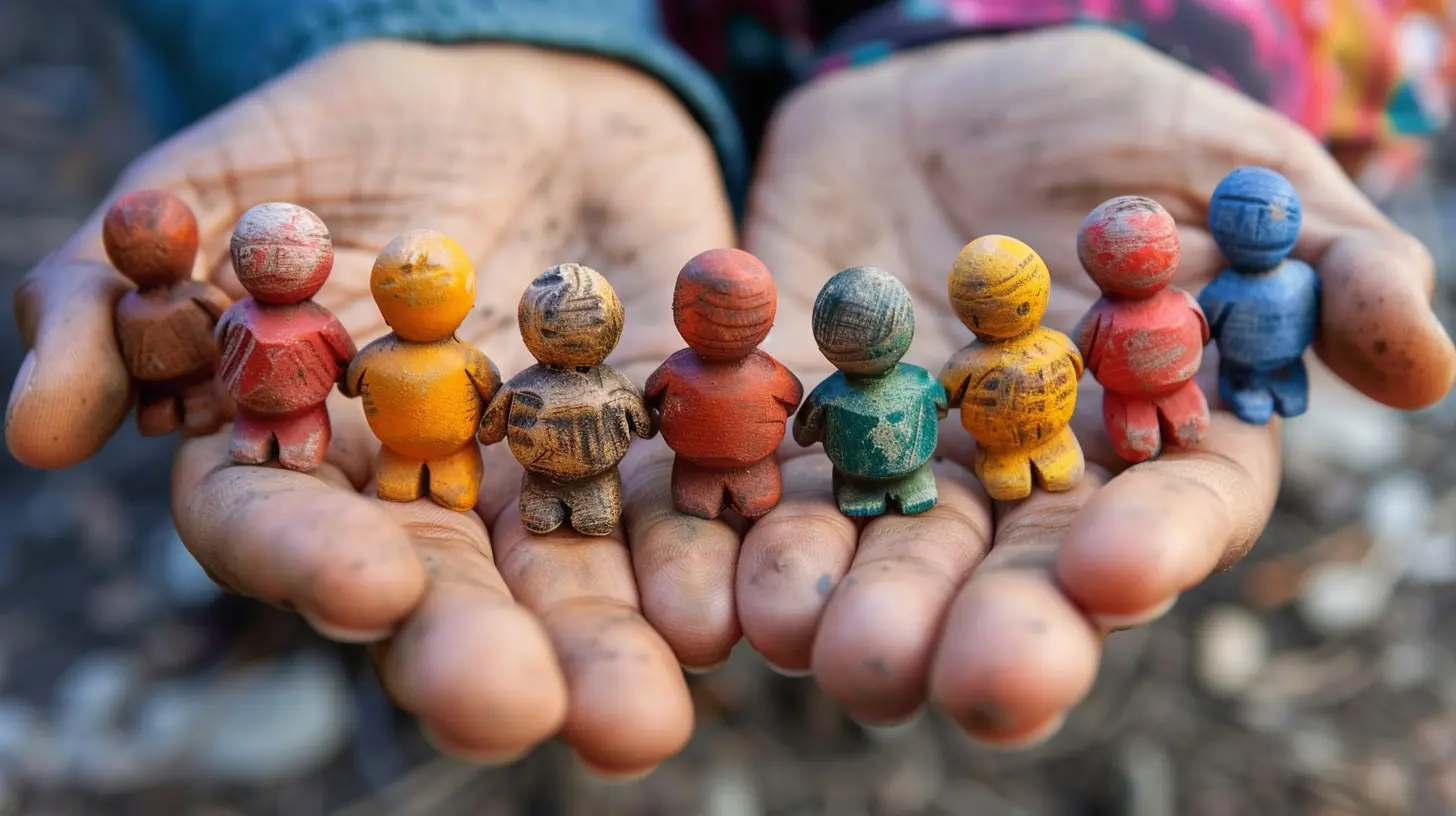
3. Communicate Like a Pro
Ever played the game Telephone? You know how easily messages can get twisted. That’s why solid communication is the backbone of any collaborative effort.Tips for Effective Communication:
- Be clear and concise. Don’t dance around the point.- Listen actively. That means no interrupting, and yes, that means putting your phone down.
- Use multiple channels. Email, messaging apps like Slack or Microsoft Teams, or good old face-to-face chat.
Also, don’t underestimate the power of tone. A simple “Let’s try this” sounds a lot better than “You’re doing it wrong.”
4. Leverage Each Other’s Strengths
Everyone’s got their secret sauce. Maybe you're a tech wizard, while your colleague has 20 years of classroom management tricks. Don’t be shy—use those differences to your advantage.A strong, collaborative team looks like a well-balanced superhero squad—each person brings a different power to the table.
How to Tap Into Team Strengths:
- Do a skills inventory. Find out who loves what and who's good at what.- Assign roles based on strengths. Let the curriculum junkie handle pacing guides while the data lover dives into assessments.
- Rotate responsibilities. Give everyone a chance to grow by stepping out of their comfort zones once in a while.
When everyone plays to their strengths, collaboration stops being a chore and starts being fun.
5. Schedule Time for Meaningful Collaboration
Spoiler alert: true collaboration doesn’t happen in passing by the copier.You need dedicated, uninterrupted time to plan, brainstorm, analyze, and problem-solve—together. We’re talking about intentional time, not just hallway chatter.
Ways to Make Time:
- Set weekly planning meetings. Put them on the calendar and treat them as non-negotiable.- Use professional development days smartly. Turn them into collaboration goldmines.
- Ask administrators for time support. Many are open to rearranging schedules if it leads to better teaching and learning outcomes.
Time is the currency of collaboration. Spend it wisely.
6. Keep It Student-Centered
Here’s your north star: student success.When collaboration is rooted in what's best for students, it stays focused and meaningful. That means setting aside personal preferences and doing what works—even if it wasn’t your idea.
Stay Student-Focused by:
- Using student data to guide decisions.- Sharing student work across classrooms to calibrate expectations.
- Talking about student needs before diving into logistics.
When in doubt, ask: _How is this helping our students?_ If you can't answer that, it's time to regroup.
7. Reflect and Refine
Collaboration is not a “set it and forget it” kind of deal. Just like teaching, it takes constant reflection and adjustment.Ways to Reflect as a Team:
- Hold monthly check-ins. Ask what’s working and what’s not.- Collect anonymous feedback. Sometimes honesty hides behind anonymity.
- Celebrate small wins. Even minor progress is progress worth noting.
Think of it like gardening. You’ve got to prune, water, and sometimes replant to keep your garden thriving.
8. Embrace Conflict (Really!)
Yes, conflict can be uncomfortable. But it's not the enemy—it’s the door to better ideas.Disagreements in collaborative teams are natural. When handled well, they spark creativity and lead to stronger solutions.
Healthy Conflict Strategies:
- Stay focused on the issue, not the person.- Use "I" statements. ("I feel like this could work better if…")
- Agree to disagree when needed, and move forward with a unified voice.
Avoiding conflict is like ignoring engine noises in your car—it won’t fix the problem. Embrace it, address it, and grow stronger.
9. Use Collaborative Tools
We live in a digital age, so let’s make the most of it. Gone are the days of scribbling everything on whiteboards and losing sticky notes.Top Tools for Teacher Teams:
- Google Drive – Share lesson plans, spreadsheets, and docs.- Trello or Asana – Organize tasks and track project progress.
- Flip – Share ideas via video in your own time.
- Padlet or Jamboard – Brainstorm in real-time, even from different classrooms.
The right tools make collaboration smoother, more efficient, and way less stressful.
10. Celebrate Achievements Together
Remember when you used to get gold stars as a kid? That sense of achievement doesn’t disappear in adulthood.Celebrating milestones—big or small—helps teams feel valued and motivated.
Celebration Ideas:
- Staff shout-outs in newsletters or morning announcements.- Team lunches or coffee breaks after completing a project.
- Recognition boards in the teacher’s lounge.
Acknowledging each other’s hard work lifts the energy and keeps the momentum going.
Final Thoughts: It’s a Journey, Not a Sprint
Let’s be honest—creating a culture of teacher collaboration doesn’t happen overnight. It takes time, patience, and intentional effort. But the payoff? It’s huge.Think about it. Would you rather go solo and burn out, or link arms with your fellow educators and walk this journey together? When we collaborate, we amplify our impact—not just on students but on ourselves.
So start with small steps. Open a conversation. Share a lesson plan. Ask a colleague for advice. And little by little, you'll build a community where teamwork makes the dream work—not just a catchy slogan, but a lived reality.
And hey, you don’t have to do it alone. Isn’t that the point?
all images in this post were generated using AI tools
Category:
Teacher TrainingAuthor:

Anita Harmon
Discussion
rate this article
2 comments
Lindsey McLaughlin
Effective teacher collaboration fosters a culture of shared responsibility and innovation. By embracing diverse perspectives and open communication, educators can enhance their practice and create a more enriching environment for all learners.
March 10, 2026 at 5:13 AM
Anita Harmon
Absolutely. When teachers share ideas and support each other, it not only strengthens their skills but also inspires a vibrant learning atmosphere for students.
Runehart McCarty
Collaboration enhances teaching effectiveness; fostering open communication and shared goals is essential for success.
March 5, 2026 at 3:43 AM
Anita Harmon
Absolutely, effective collaboration and clear communication are key to achieving shared goals in education.