Behavior Management Strategies for Special Education Classrooms
21 February 2026
You’ve probably heard it before—every classroom is unique. But when it comes to special education classrooms, that uniqueness takes on a whole new level. Imagine trying to juggle a dozen different personalities, learning styles, emotional needs, and behavioral challenges all at once. Sounds like a lot, right?
Well, it is. That’s why behavior management in special education isn’t just important—it’s essential.
Let’s dive into some practical, tried-and-true behavior management strategies that really work in a special education environment. Whether you're a new teacher looking for guidance or a seasoned educator who needs a refresher, this guide is for you. Let's keep it real, simple, and above all—useful.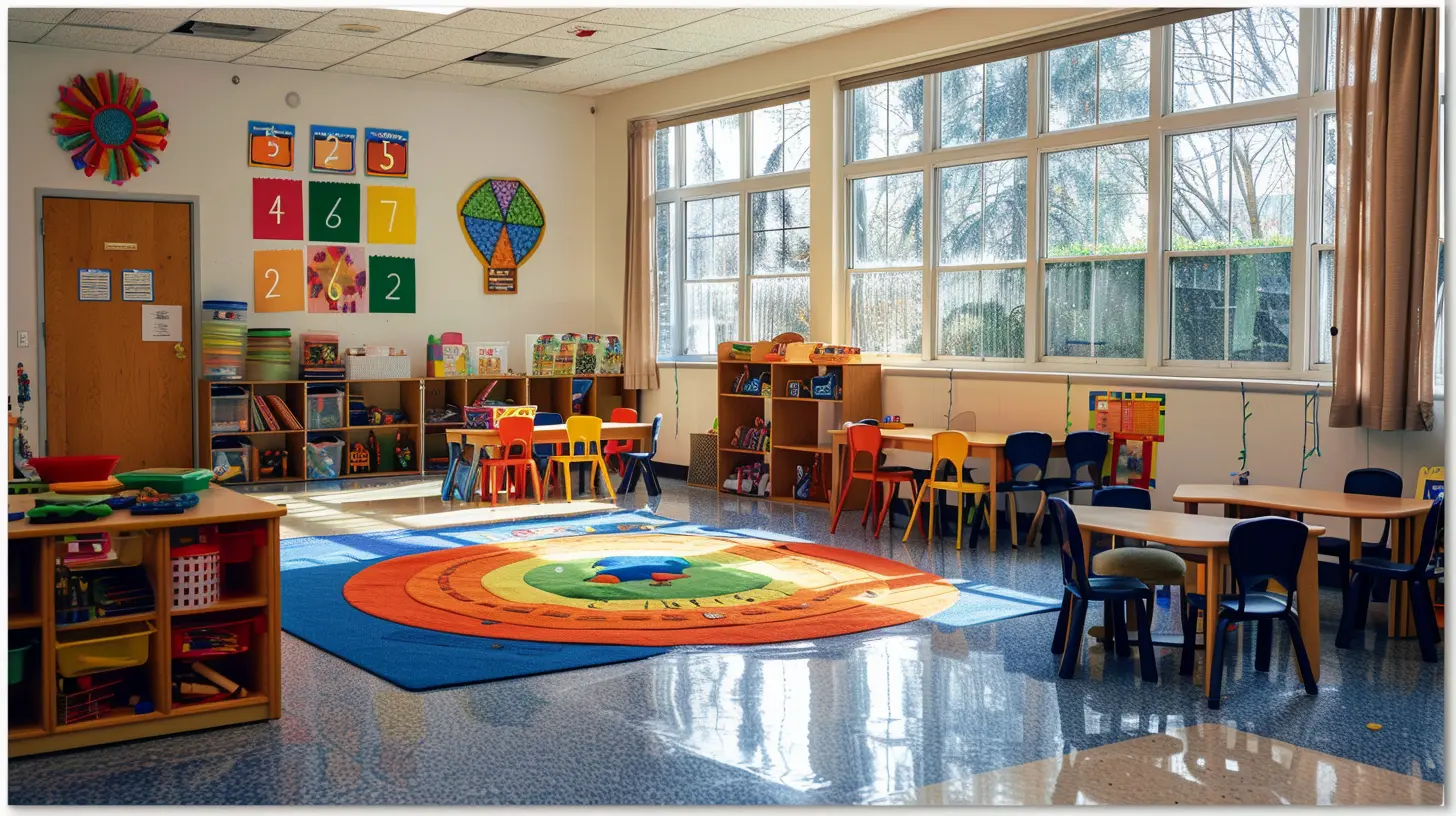
Why Behavior Management Matters in Special Ed
Before we jump into the strategies, let’s get clear on why this matters so much.Kids in special education often deal with more than just academic hurdles. They might struggle with communication, sensory processing, emotional regulation, or even navigating social cues. That means their behavior isn’t just about “acting out”—it’s often their only way to communicate discomfort, confusion, or frustration.
Think of behavior like an iceberg. What we see on the surface is just a small part. Underneath? There are all kinds of hidden triggers and unmet needs.
Good behavior management isn’t about control. It’s about understanding, connection, and creating a space where every student can thrive.
1. Set Clear, Consistent Expectations
Why It Works:
Ever play a game without knowing the rules? Frustrating, right? That’s how students can feel when expectations aren’t clear.Setting simple, consistent, and easy-to-follow rules gives students a roadmap. It also builds a sense of security—they know what to expect and what’s expected of them.
How To Do It:
- Use visuals like posters, icons, or picture schedules. Many students process information better this way.- Model the rules repeatedly. Demonstrate what “quiet voices” or “personal space” actually look like.
- Keep it positive. Instead of saying, “Don’t shout,” try “Use your indoor voice.”
Want bonus points? Involve your students in creating classroom rules. Ownership increases buy-in.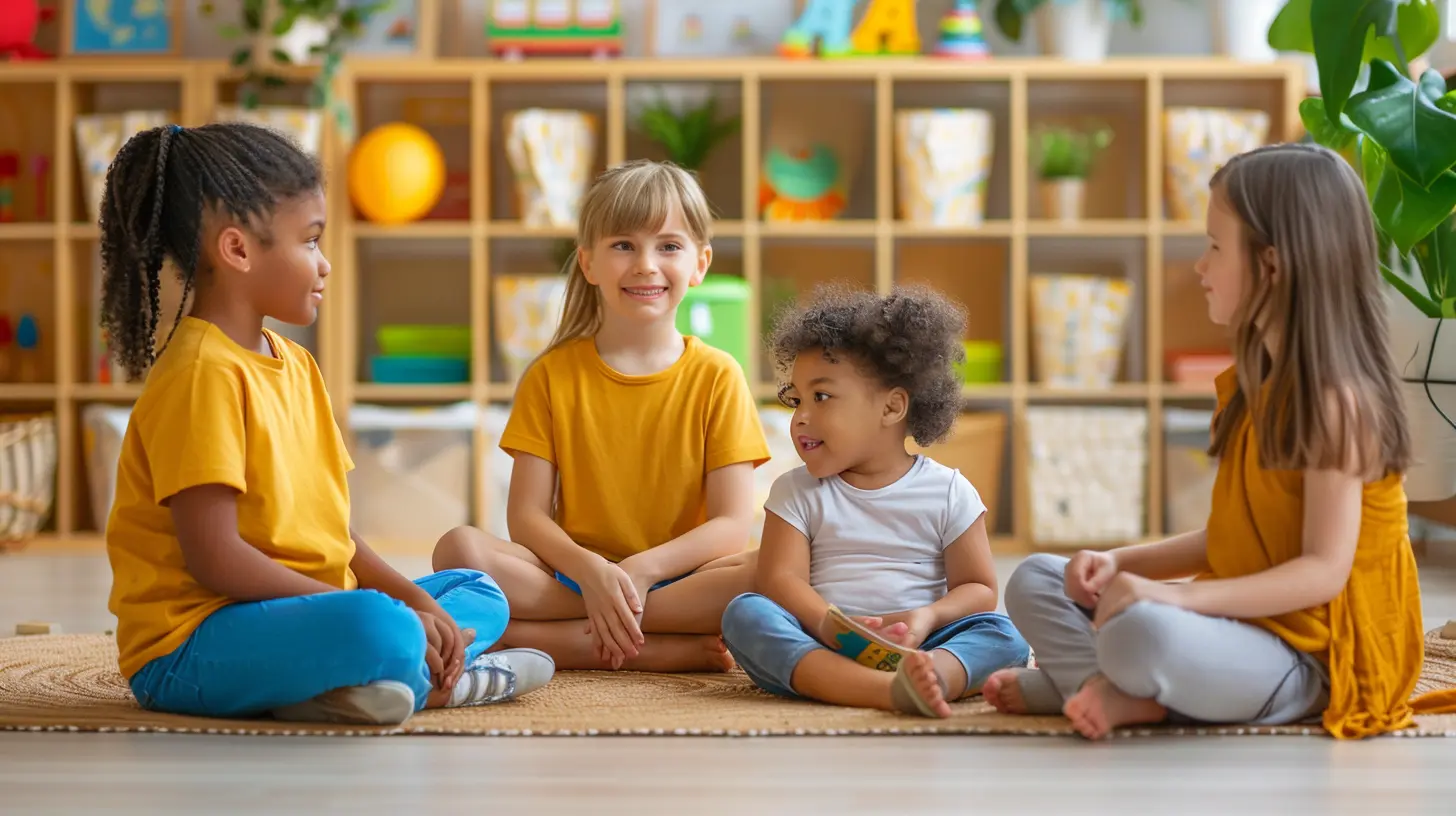
2. Build Strong Relationships First
Here’s the truth: students don’t care how much you know until they know how much you care.Why It Works:
Behavior management becomes so much easier when students trust you. When they feel safe, seen, and understood, they’re more likely to engage positively.How To Do It:
- Greet them at the door with a smile, high-five, or their preferred greeting.- Learn their interests—whether it’s dinosaurs, cartoons, or that one particular fidget toy they’re obsessed with.
- Show empathy. Instead of punishing a meltdown, ask, “What’s going on? How can I help?”
Connection is the foundation. Everything else builds on top of that.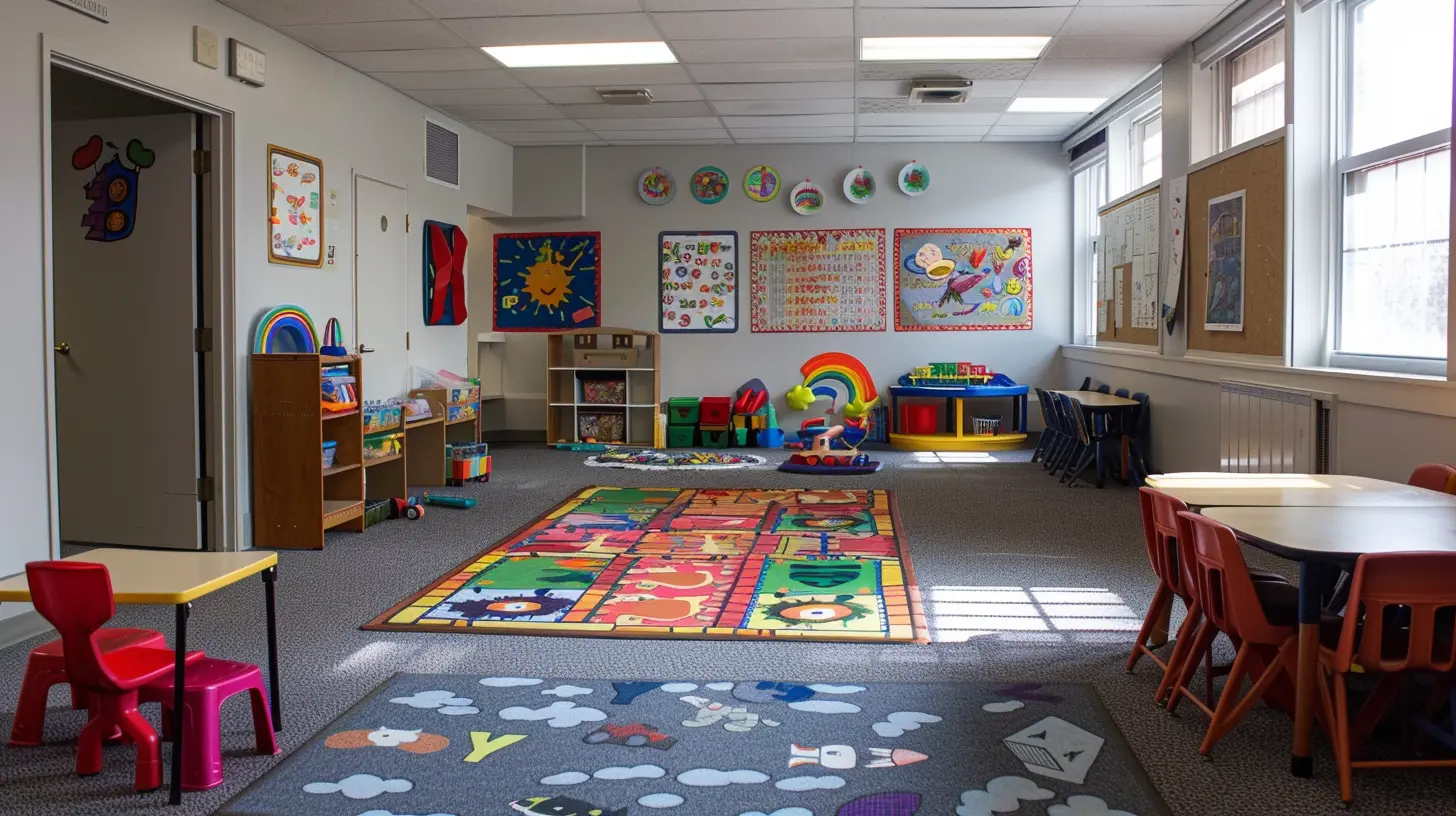
3. Utilize Visual Supports
For many students with special needs, visuals are a game-changer.Why It Works:
Visual aids help students understand and navigate their day. They reduce anxiety, provide structure, and promote independence.Types of Visual Supports:
- Visual schedules: A step-by-step breakdown of the day using pictures or icons.- First-Then boards: These show what the student has to do (“First”) and what they get next (“Then”). Example: First math, then iPad.
- Behavior charts: Track progress and give immediate feedback using stickers, tokens, or color systems.
Visuals don’t replace verbal directions—they boost them.
4. Use Positive Reinforcement
Ever notice how a compliment can turn your whole day around? Kids are the same.Why It Works:
Positive reinforcement encourages students to repeat desired behaviors. When they see that good behavior = good outcomes, they’re more likely to choose it.Ideas for Reinforcement:
- Verbal praise: “Awesome job staying in your seat!”- Reward systems: Think token economies, sticker charts, or classroom bucks.
- Tangible rewards: Small toys, extra recess, or computer time.
- Social rewards: Lunch with a teacher, shoutouts, or peer recognition.
Just remember—what’s rewarding for one student might not work for another. Get to know what lights them up.
5. Teach Social and Emotional Skills Directly
You wouldn’t expect a kid to know algebra without being taught it, right? So don’t expect perfect behavior without teaching those skills either.Why It Works:
A lot of challenging behavior stems from not having the right emotional or social tools. Teaching these proactively helps students navigate conflict, frustration, and transitions.How To Do It:
- Use social stories to explain concepts like sharing, waiting, or asking for help.- Incorporate SEL (Social Emotional Learning) lessons into your weekly routine.
- Practice mindfulness, breathing exercises, or emotion check-ins.
- Roleplay situations and guide students through “what to do” scenarios.
Think of it as building a behavior toolbox your students can tap into when things get rough.
6. Be Proactive—Not Reactive
Waiting to respond after a behavior happens? That’s like trying to put out a fire with a watering can. It’s way better to prevent the spark in the first place.What Being Proactive Looks Like:
- Preview changes to routines so students aren’t caught off guard.- Give warnings before transitions: “In two minutes, we’ll clean up.”
- Use check-ins when a student looks off. A quick “Are you okay?” can diffuse bigger issues.
Keep an eye out for triggers (noise, lighting, peers) and make adjustments before problems start brewing.
7. Create Calm-Down Spaces
Sometimes, students just need a break—without it being a punishment.Why It Works:
Calm-down corners or safe zones give students a chance to regulate. It teaches them that it’s okay to pause, breathe, and come back when they’re ready.How To Set One Up:
- Choose a quiet corner of the room.- Include soft items like pillows, fidgets, headphones, or calming visuals.
- Teach students how to use the space before they're upset.
Make it a cool-down space, not a “time-out” chair. The key is giving students tools—not shame.
8. Collaborate with the Whole Team
You’re not alone. And you shouldn’t be doing behavior management solo.Why It Works:
Consistency across environments equals success. When everyone is on the same page—teachers, aides, therapists, and parents—students get clear, predictable expectations no matter where they are.Tips to Collaborate:
- Set up regular IEP meetings to review goals and progress.- Create behavior plans together with input from all stakeholders.
- Share daily or weekly behavior reports with families (keep it positive!).
Two heads are better than one—and an entire team? Unstoppable.
9. Stay Flexible and Reflect Often
Let’s be real—not everything will work the way you hoped. And that’s okay.Why It Matters:
Behavior management isn’t a one-size-fits-all game. What worked last week might flop this week. That’s why it’s so important to reflect, adjust, and keep trying.Reflection Questions:
- What just happened?- What might have triggered that?
- Did I respond in a way that helped or escalated?
- What can I try differently next time?
Give yourself grace. You’re human, and behavior is messy.
10. Celebrate Progress—Big and Small
That moment when a student raises their hand instead of shouting out? That’s a win.Why It Works:
Celebration builds momentum. It motivates students and reminds teachers that yes, this is working.Ways to Celebrate:
- Personal high-fives or mini celebrations.- Class shoutouts for “Student of the Week.”
- Share wins with parents—it makes their day too!
Progress can be slow, but it’s there. Keep your eyes open and your heart full.
Wrapping It All Up
Managing behavior in a special education classroom isn’t just about discipline. It’s about trust, structure, empathy, and consistency. It’s about meeting students where they are and guiding them—step by step—toward where they can go.You don’t have to be perfect. You just have to be present. Be patient. And most of all, be passionate about helping your students become the best versions of themselves.
Because at the end of the day, behavior isn’t the barrier—it’s the language. And when we speak it with compassion, amazing things happen.
all images in this post were generated using AI tools
Category:
Special EducationAuthor:

Anita Harmon
Discussion
rate this article
2 comments
Dana McCaffrey
This article provides practical and effective strategies for managing behavior in special education settings—very helpful resource!
March 1, 2026 at 1:40 PM
Anita Harmon
Thank you for your kind words! I'm glad you found the strategies helpful.
Iliana McVicar
Great article! These behavior management strategies are essential for creating a positive learning environment in special education. It’s inspiring to see such practical approaches that can truly make a difference for both students and teachers!
February 24, 2026 at 5:16 AM
Anita Harmon
Thank you for your kind words! I'm glad you found the strategies helpful for fostering a positive learning environment.