Balancing Teaching and Personal Life in 2027
1 May 2026
Let's be real for a second. If you are a teacher in 2027, you are probably running on fumes some days. The classroom has changed, the kids have changed, the technology has changed, and yet the pile of grading still hasn't shrunk. You might feel like you are juggling chainsaws while riding a unicycle. One wrong move, and everything crashes down.
I get it. I have been there. Staring at a laptop at 10 PM, sipping cold coffee, wondering if you even have a life outside of lesson plans and parent emails. But here is the hard truth: you cannot pour from an empty cup. If you burn out, nobody wins. Not you, not your students, not your family. So how do we actually balance teaching and personal life in 2027 without quitting the profession or losing our minds?
Let's talk about it. No fluff. No generic advice. Just real strategies that work in the chaos of modern education.

Why 2027 Is Different
You might think teaching has always been tough. And sure, it has. But 2027 is a whole new beast. We are dealing with AI tools that write essays for students, hybrid classrooms that never fully went away, and a generation of kids who have shorter attention spans than a goldfish on caffeine. Plus, there is the constant pressure from admin to meet data benchmarks, while parents expect you to be a therapist, a coach, and a miracle worker.Here is the kicker: technology was supposed to make our lives easier. Instead, it often makes us feel like we are on call 24/7. Emails ping at 9 PM. Learning management systems send notifications on weekends. And that little red badge on your phone? It screams for your attention like a hungry toddler.
So the old advice like "just leave work at work" or "set boundaries" sounds nice, but in practice, it is harder than ever. We need a new playbook.
The Myth of Perfect Balance
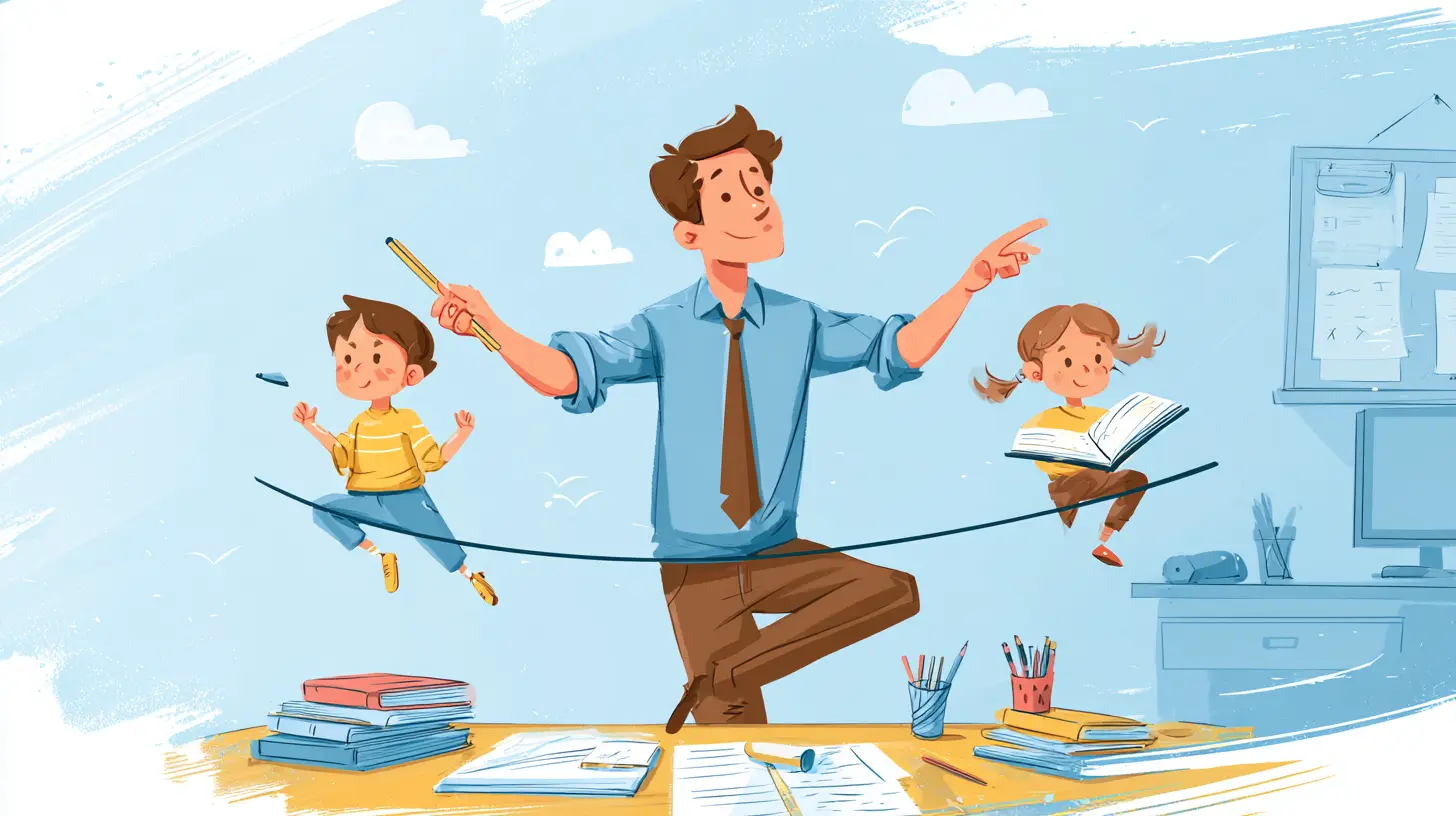
Before we go any further, let me kill a myth. There is no perfect balance. You will never have a week where everything is equally split between teaching and personal life. That is a fantasy sold by Instagram influencers who do not actually work in a classroom.Balance is not a scale that stays level. It is more like a dance. Some days, you lean heavily into work because a student needs extra help or you have a major deadline. Other days, you lean into your personal life because your kid has a soccer game or you just need to binge-watch something stupid to reset your brain.
The goal is not perfect balance. The goal is to not drown. To feel like you have some control over your time, even when the world feels chaotic.
Setting Boundaries That Actually Stick
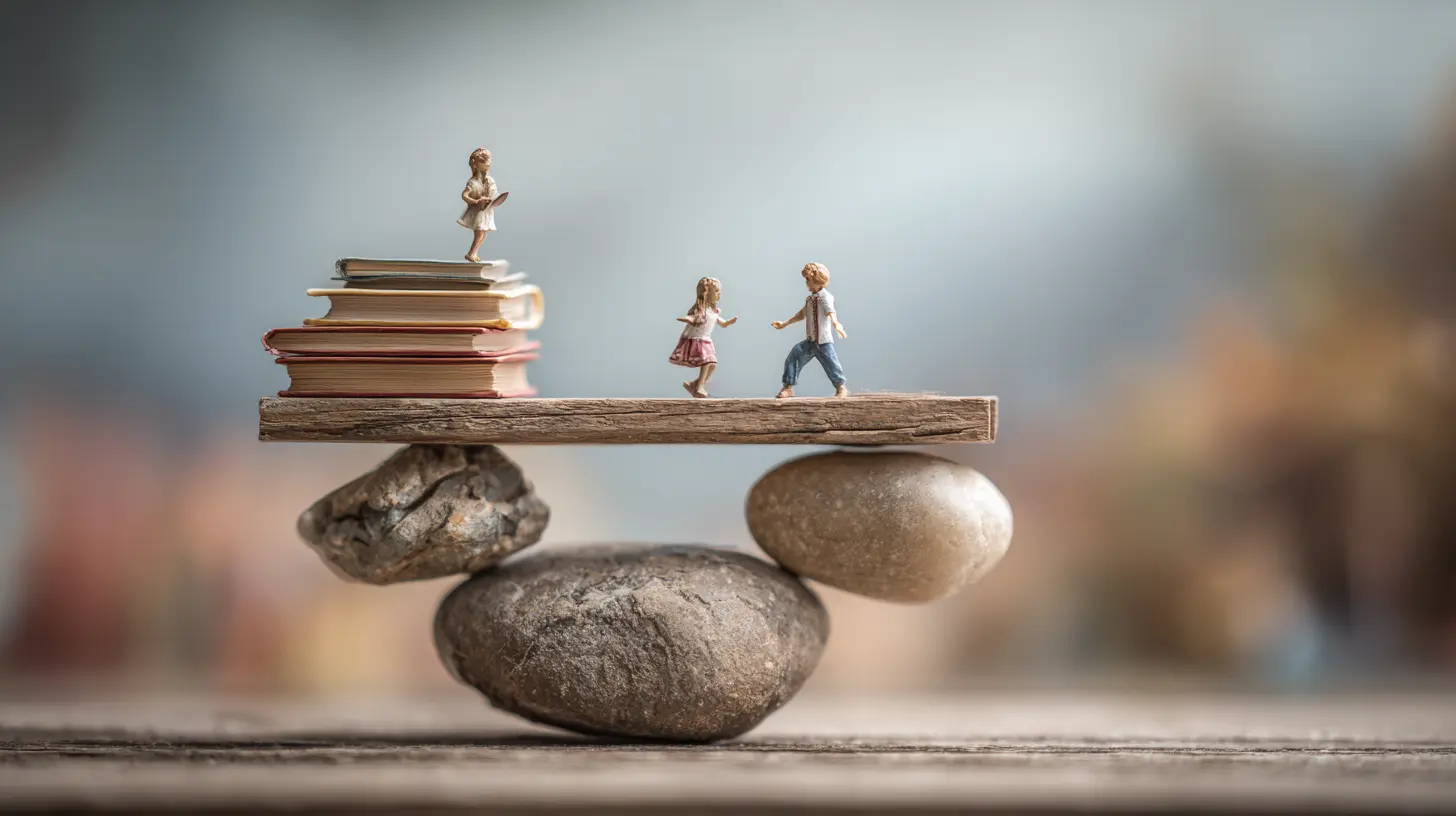
Okay, let's get practical. Boundaries are the foundation of any sane teaching life. But here is the thing: boundaries only work if you enforce them. Saying "I won't check email after 6 PM" means nothing if you are secretly peeking at your phone under the dinner table.In 2027, we have more tools than ever to automate boundaries. Use them. Set an auto-reply on your email after a certain hour. Turn off notifications on your school apps. Use a separate work profile on your phone so you can literally switch it off on weekends.
I know a teacher who uses a physical timer. When the timer goes off, she closes her laptop and walks away. No exceptions. It sounds simple, but it works because it creates a ritual. Your brain learns that when the timer rings, work mode ends.
Another trick? Have a "closing shift" routine. Just like a restaurant closes for the night, you close your teaching day. Review tomorrow's plan, tidy your desk, and then leave. Do not take work home if you can avoid it. And if you must bring something home, put it in a specific bag or folder. That way, it is contained. It does not invade your whole living space.
The Power of Saying No
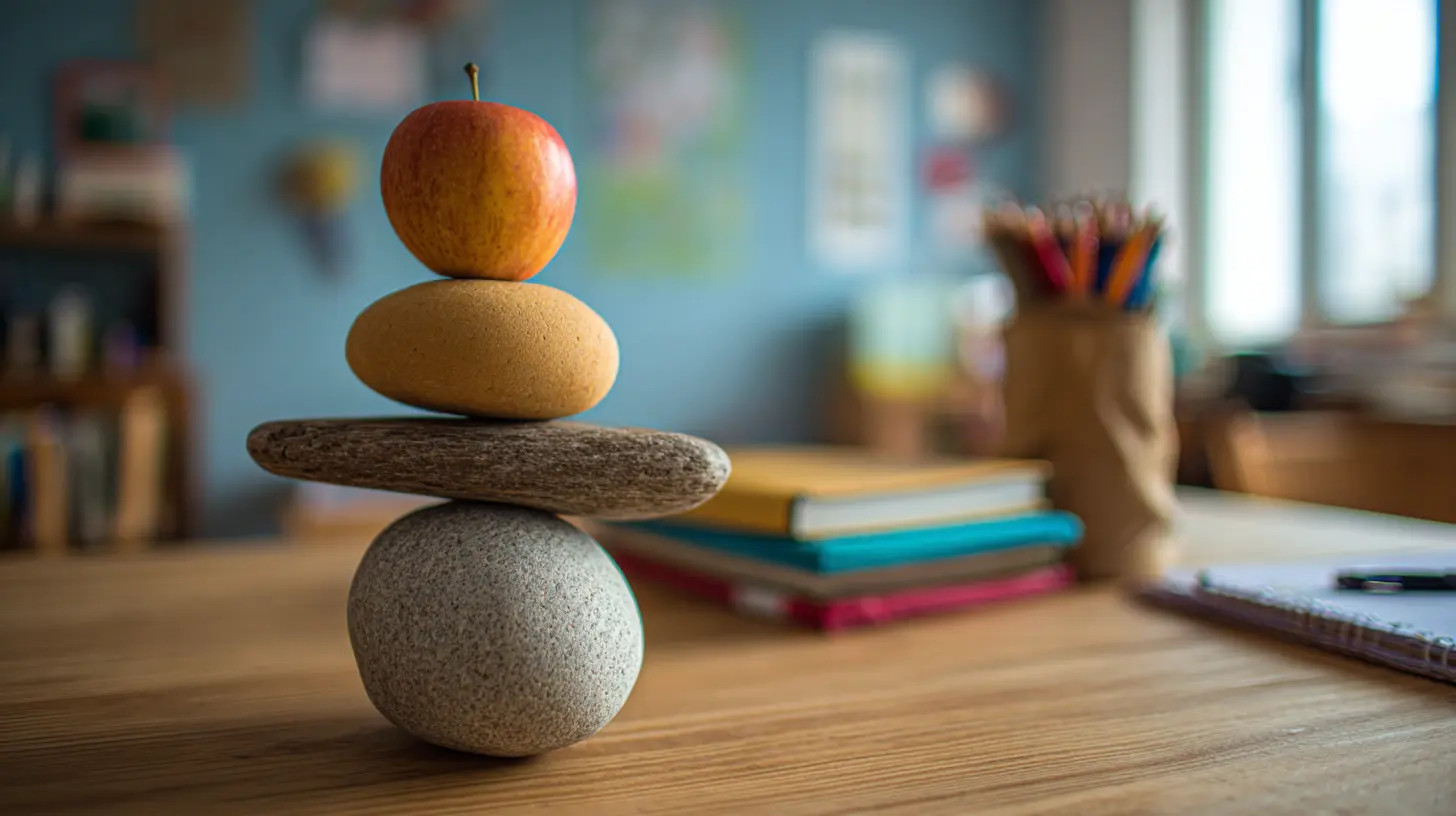
Here is a hard pill to swallow: you cannot do everything. In 2027, schools are asking teachers to do more with less. You might be asked to coach a team, run an after-school club, serve on a committee, or mentor a new teacher. Some of these are great opportunities. Others are just more weight on an already overloaded cart.Learn to say no. Not with guilt. Not with a long apology. Just a simple, "I appreciate the offer, but I cannot take that on right now." You do not need to explain yourself. Your time is finite. Every yes to something extra is a no to something else, like your sleep, your family, or your sanity.
I used to say yes to everything because I wanted to be a team player. But I learned that being a team player does not mean setting yourself on fire to keep others warm. Protect your time like it is your most valuable resource, because it is.
Leveraging Technology Without Being Consumed
Technology is a double-edged sword. It can save you hours or eat your entire weekend. The trick is to use it intentionally, not reactively.In 2027, AI tools for teachers are everywhere. You have grading assistants, lesson plan generators, and even AI tutors for students. Use them. But do not let them run your life. For example, use an AI tool to draft a multiple-choice quiz, but do not let it write your entire curriculum. You are the expert. The tool is just a helper.
Automate repetitive tasks. If you spend 30 minutes every day taking attendance or entering grades, find a way to streamline it. Many learning management systems have shortcuts or integrations. Learn them. It might take an hour to set up, but it will save you dozens of hours over the year.
Also, be ruthless with your inbox. Unsubscribe from anything that is not essential. Use filters to sort emails into folders. Answer important ones quickly, and archive the rest. Do not let email become your to-do list. That is a trap.
The Art of Micro-Rest
You probably do not have time for a full spa day. But you do have time for micro-rest. These are tiny breaks throughout the day that reset your brain.For example, between classes, take five minutes to breathe. Not to check your phone. Not to grade papers. Just breathe. Step outside if you can. Look at the sky. Stretch your neck. Drink water.
I call these "pockets of air." When you are underwater, you need to come up for air regularly. If you wait until the end of the day to breathe, you will be exhausted. So take those small moments. They add up.
Another idea? Use the Pomodoro technique. Work in focused 25-minute blocks, then take a 5-minute break. It sounds silly, but it works. Your brain stays fresh, and you get more done in less time.
Family and Friends: Don't Let Them Become Strangers
Teaching is a consuming profession. It is easy to neglect the people who matter most. You might cancel plans because you are tired. You might skip family dinner because you have to prep for tomorrow. Over time, this erodes relationships.Here is a rule I try to follow: protect one evening a week for something non-negotiable. Maybe it is date night with your partner. Maybe it is game night with your kids. Maybe it is a video call with your best friend who lives across the country. Whatever it is, treat it like a staff meeting. Do not cancel it unless there is a literal emergency.
Also, talk to your loved ones about your workload. They might not understand why you are stressed unless you explain it. Be honest. Say, "I am overwhelmed right now, and I need your support." Most people will step up.
And for goodness' sake, put your phone away when you are with them. Nothing says "you are not important" like scrolling through emails while your kid is telling you about their day.
The Guilt Trap
Teachers are prone to guilt. You feel guilty when you leave school early. You feel guilty when you take a sick day. You feel guilty when you say no to a student who needs extra help.But here is the truth: guilt is a useless emotion. It does not help anyone. It just drains your energy. So let it go.
You are not a bad teacher because you leave at 3:30 PM. You are not a bad teacher because you take a mental health day. In fact, taking care of yourself makes you a better teacher. A burnt-out teacher cannot inspire anyone. A rested teacher can.
Think of it like the oxygen mask on an airplane. You have to put yours on first before helping others. It is not selfish. It is survival.
Creating a Personal Life Identity
Here is something most teachers struggle with: your identity becomes "teacher." You introduce yourself as a teacher. You think about teaching all the time. Your hobbies, if you have any, take a back seat.In 2027, you need to cultivate a life outside the classroom. Find something that has nothing to do with education. It could be hiking, painting, playing an instrument, gardening, or even just watching terrible reality TV. The activity does not matter. What matters is that it is yours. It is not for your students. It is not for your admin. It is for you.
When you have a rich personal life, work does not feel so heavy. You have other things to look forward to. You have other sources of fulfillment. This is not a luxury. It is a necessity.
The Weekend Reset
Weekends are sacred. But many teachers spend Sunday evening in a state of dread, thinking about Monday. That is called the "Sunday scaries," and it is real.To fight it, create a weekend ritual that helps you transition. On Friday evening, do something that signals the end of the work week. It could be a glass of wine, a walk, or a movie. On Sunday evening, do a quick 15-minute planning session for Monday. Then stop. Do not look at email. Do not grade. Just plan and then close the laptop.
Also, try to do something fun on the weekend. I know you have a million things to do, but schedule joy. If you don't, the weekend will disappear into chores and errands, and you will feel like you never had a break.
When You Need a Bigger Change
Sometimes, no amount of boundaries or routines can fix the problem. If you are consistently miserable, if you dread every single day, if your health is suffering, then it might be time for a bigger change.That could mean switching schools. It could mean moving to a different grade level or subject. It could mean taking a leave of absence. Or it could mean leaving teaching altogether. There is no shame in that. Teaching is a calling, but it is also a job. And you deserve to be happy.
I have seen too many brilliant teachers quit because they felt trapped. Do not let that be you. You have options. You have skills. You are not stuck.
A Realistic Week in the Life
Let me paint you a picture of what balance actually looks like in 2027. It is not perfect. It is messy. But it works.Monday: You grade papers until 5 PM, then go for a run. You eat dinner with your family. You check email once at 7 PM, but you do not reply. You watch one episode of a show and go to bed at 10.
Tuesday: You stay late for a staff meeting. You are tired. You order takeout instead of cooking. You feel a little guilty, but you remind yourself that takeout is fine. You call your mom on the drive home.
Wednesday: You have a headache. You decide to use a sick day. You sleep in. You read a book. You feel guilty for an hour, then you let it go. Your students survive without you.
Thursday: You use an AI tool to create a quick quiz. It saves you 45 minutes. You use that time to chat with a colleague during lunch. You leave work at 4 PM.
Friday: You wear jeans because it is casual day. You laugh with your students. You end the week with a sense of relief. You go out for dinner with friends. You do not think about school until Monday morning.
That is balance. It is not a perfect equation. It is a series of small choices that add up to a life that feels manageable.
Final Thoughts
Balancing teaching and personal life in 2027 is not about finding a magic formula. It is about being intentional. It is about protecting your time like it is precious, because it is. It is about saying no to things that drain you and yes to things that fill you up.You are not a machine. You are a human being with limits. And that is okay. The best teachers are not the ones who work the most hours. They are the ones who bring their full, rested, joyful selves into the classroom.
So take a deep breath. Close your laptop. Go for a walk. Hug your kid. Call a friend. You deserve a life outside of teaching. And when you come back to the classroom on Monday, you will be better for it.
all images in this post were generated using AI tools
Category:
Teacher SupportAuthor:

Anita Harmon
Discussion
rate this article
2 comments
Orion Wilkerson
This article offers valuable insights into achieving a healthy balance between teaching and personal life. The tips are practical and encouraging, showing educators that it's possible to nurture both their passion for teaching and their well-being. Keep prioritizing yourself while inspiring others!
May 24, 2026 at 5:00 AM
Anita Harmon
Thank you for your thoughtful feedback! I'm glad you found the tips helpful. It's so important for educators to prioritize their well-being while inspiring others.
Erin Hernandez
In 2027, finding equilibrium between teaching and personal life is crucial for educators. Setting clear boundaries, prioritizing tasks, and embracing technology can foster a healthier balance. By investing in self-care and staying organized, teachers can enhance their effectiveness in the classroom without sacrificing their personal well-being.
May 1, 2026 at 3:53 AM
Anita Harmon
Absolutely. Finding that balance is essential. It's all about setting priorities and taking care of ourselves to be effective in both roles.