Addressing the Needs of Students with Multiple Disabilities
2 February 2026
Let’s be honest for a second. The one-size-fits-all approach to education? Yeah, that never really worked. And when it comes to teaching students with multiple disabilities, tossing out that cookie-cutter mindset isn’t just helpful—it’s absolutely necessary.
Welcome to the real world of special education, where every day is a blend of creativity, compassion, and straight-up hustle. If you’re wondering how to better meet the needs of students who face more than one disability, buckle up. This is your no-fluff, sassy guide to stepping up your game.

What Do We Mean by “Multiple Disabilities”?
Before we dive headfirst into strategies and sassy pep talks, let’s clear the air.“Multiple disabilities” doesn’t just mean a student has more than one challenge. We're talking about a combo of impairments—think physical, intellectual, sensory, or emotional—that together create some unique learning barriers. We're not simply stacking issues; these disabilities are often intertwined, making educational support a bit more complex than usual.
Imagine trying to solve a Rubik’s cube—with your eyes closed—while balancing on a skateboard. That’s the level of finesse we’re talking about here. But don’t panic. With the right mindset and strategies, you CAN support these students in beautiful, meaningful ways.
Why Addressing These Needs Matters (Like, A Lot)
Let’s not sugarcoat it—students with multiple disabilities often fall through the cracks. And that’s not just unfair; it’s unacceptable.These students deserve equitable access to education, just like anyone else. They come with dreams, strengths, quirks, and a whole lot of untapped potential. So yeah, ignoring their needs? Not an option.
When we do address their needs properly, we:
- Build their independence
- Improve their quality of life
- Boost their communication skills
- Help them connect with the world around them
Now tell me that doesn’t matter.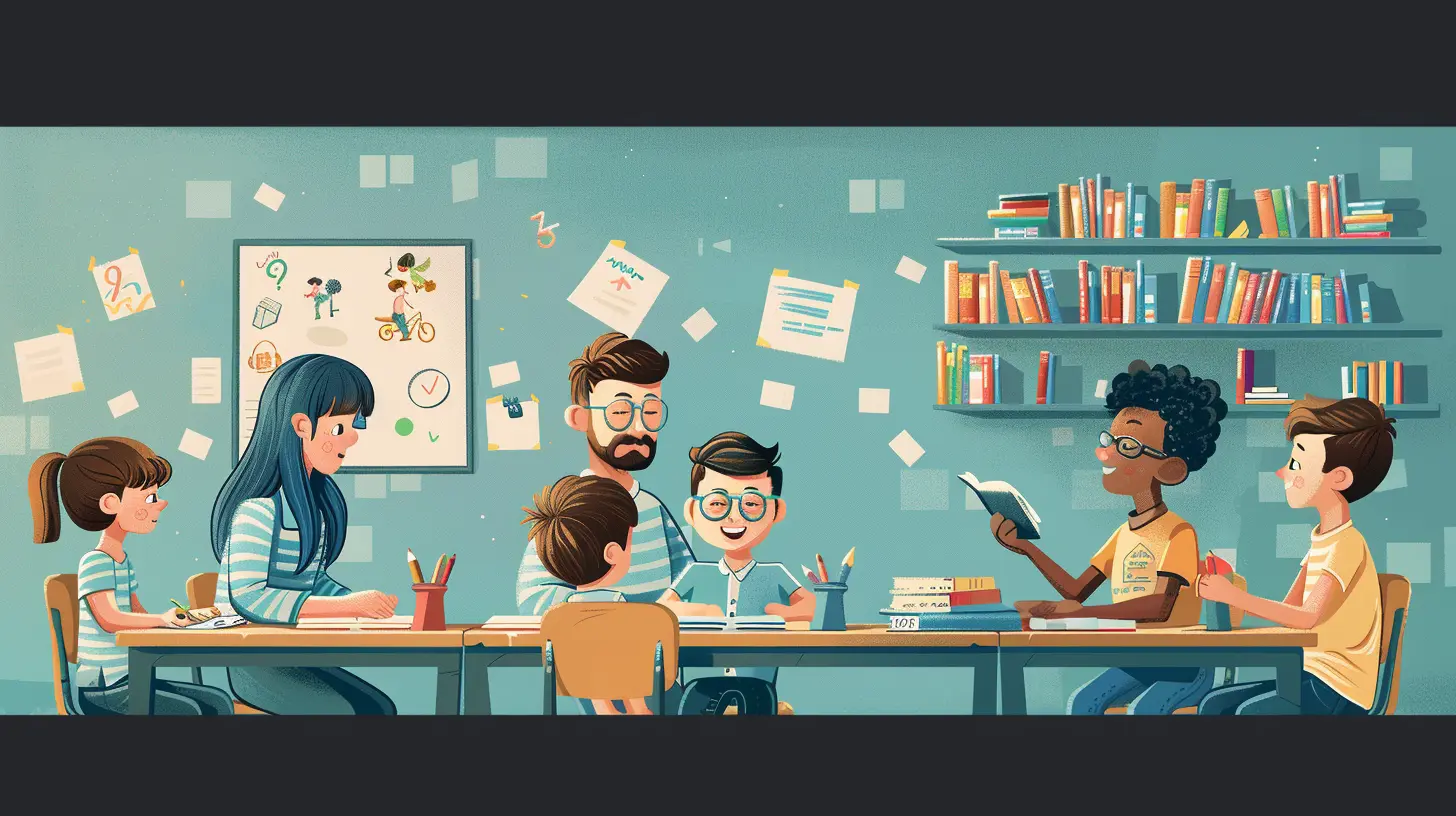
The Golden Rule: Individualize Everything
If there’s one hill I’ll die on, it’s this—individualization is EVERYTHING.Students with multiple disabilities don’t fit neatly into an educational mold (did anyone ever?). So forget “standard lessons.” What works for one student absolutely won’t work for another.
Enter the IEP – AKA Your Best Friend
Every student with qualified disabilities must have an IEP (Individualized Education Program). This document isn’t just paperwork—it’s your roadmap. It spells out the student’s goals, services, accommodations, and the supports they need to slay their own learning journey.But here’s the kicker: writing an IEP isn’t a solo job. You’ll need input from special educators, therapists, family members, and even the student themselves when possible. Think of it as assembling your Marvel team—everyone brings something unique to the mission.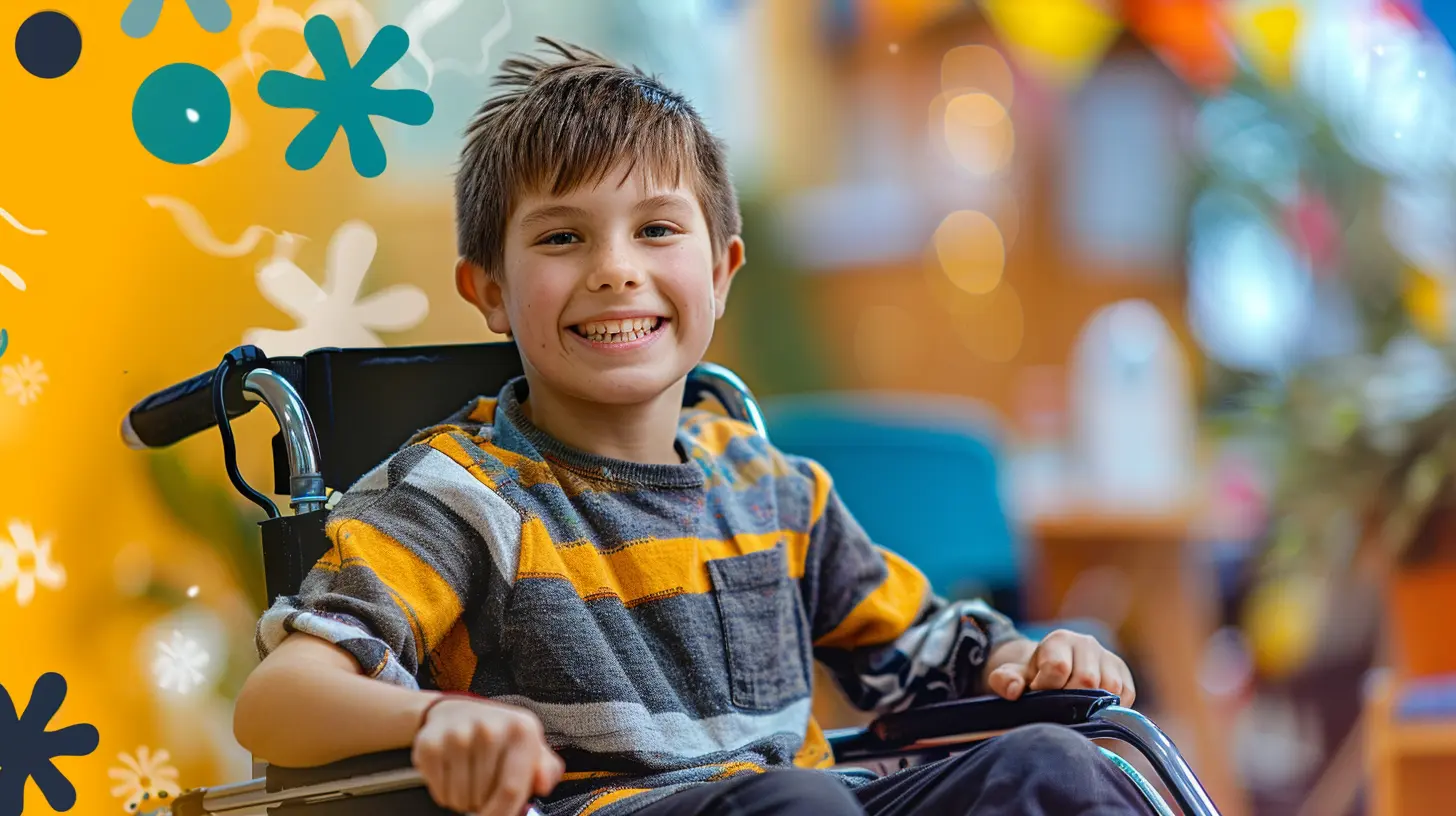
Communication: The Magic That Unlocks Everything
So many students with multiple disabilities struggle with communication. And let me tell you—not being able to express needs or feelings? That’s frustrating AF.Augmentative and Alternative Communication (AAC) To the Rescue
AAC is a game-changer. It includes any form of communication other than the verbal kind. We’re talking:- Picture Exchange Communication Systems (PECS)
- Communication boards
- Speech-generating devices (SGDs)
- Sign language
The choice depends on the student’s specific strengths and challenges. But when chosen wisely and supported consistently? AAC can quite literally open doors.
Tip: Never Assume Nonverbal Means Non-Understanding
Just because a student isn't speaking doesn’t mean there’s nothing going on up there. In fact, many nonverbal students understand way more than we give them credit for. So always presume competence, and give them the opportunity to wow you.Sensory Needs Are a Big Deal. Don’t Ignore Them.
Let’s get real—if your classroom feels like a chaotic circus of sounds, lights, and smells, it's going to be a nightmare for students with sensory sensitivities.Sensory Overload = Learning Shutdown
Many students with multiple disabilities experience sensory processing issues. That might mean they’re extra sensitive to bright lights, loud noises, rough textures, or even certain smells.What do we do? We create a sensory-friendly environment:
- Use calming colors
- Offer noise-canceling headphones
- Provide fidget tools and weighted blankets
- Create a quiet “cool-down” zone
And above all—watch your students. They’ll tell you what’s working, even if they don’t say a word.
Adaptive Technology: The Superpower Every Student Deserves
Let’s talk about tech, baby.Adaptive technology is not just about fancy gadgets. It’s about giving students access to learning, communication, and independence.
Here’s the juicy list:
- Switch-activated devices
- Adaptive keyboards and mice
- Eye-gaze tech
- Educational apps tailored to individual needs
The goal? Helping students interact with the curriculum and the world on their terms.
Inclusion Isn’t a Buzzword. It’s an Obligation.
Let’s kill the myth that students with multiple disabilities can’t be integrated into general education settings. They can—and they should—when it’s appropriate and well-supported.Inclusion isn’t tossing a student into a mainstream classroom and crossing your fingers. Nah. It’s about:
- Providing proper supports (like aides and modified materials)
- Educating peers about disability and empathy
- Collaborating with general ed teachers
- Making space for meaningful participation
You don’t need a perfect classroom. You need a willing one, where all students are valued for who they are.
Social and Emotional Support: Don’t Skip This!
This part? It’s crucial.Students with multiple disabilities often deal with isolation, bullying, or just plain being left out. And let’s just say—no learning happens when your self-esteem is in the gutter.
Build Social Skills with Intention
Use structured activities to help students connect. Role-playing, structured peer interactions, and social stories can do wonders. Also, don’t underestimate the power of kindness from their peers.Incorporate SEL (Social-Emotional Learning)
Teach emotional recognition, coping strategies, and self-advocacy. And don’t forget to celebrate every victory, no matter how small it may seem.Building the Dream Team: Collaboration Matters
You can’t (and shouldn’t) do this alone. Building a solid support network around the student is non-negotiable.Your team might include:
- Special Ed teachers
- Speech therapists
- Occupational therapists
- Physical therapists
- Behavioral specialists
- Parents (they’re the experts in their child)
Regular communication, shared goals, and mutual respect make this whole process smoother than a buttered slide.
Professional Development Is a Must
If you're working with students with multiple disabilities and haven't updated your skillset since, like, the MySpace era, it's time for a refresh.There are constantly new tools, strategies, and research popping up. Stay current. Attend workshops. Read journals. Network with other educators. Because when you grow, your students benefit.
Pro Tip: Embrace the “Forever Student” Mentality
Learning never stops. And thank goodness—how boring would that be?Celebrate the Wins (Even the Tiny, Microscopic Ones)
With students who have complex needs, progress can feel slow. But when it happens? It’s magic.Maybe it’s a student using their AAC device for the first time. Or managing to sit through a lesson without sensory overload. Or just making eye contact after weeks of trying.
Whatever the milestone, celebrate it. These wins are the stepping stones to independence, confidence, and a brighter future.
Final Thoughts: You’ve Got This
Supporting students with multiple disabilities isn’t always easy. But OMG, is it rewarding.Yes, you’ll have to get creative. You’ll make mistakes. You’ll get frustrated. But you’ll also witness resilience that’ll blow your mind, and progress that’ll make you tear up in the best way possible.
So, if you’re in this field—thank you. You’re making a difference. And if you’re just getting started, welcome to the most meaningful job you’ll ever have.
Now go out there and be the educator these students deserve.
all images in this post were generated using AI tools
Category:
Special EducationAuthor:

Anita Harmon
Discussion
rate this article
2 comments
Xander McIlroy
Thank you for this insightful article! It’s so important to recognize and address the diverse needs of students with multiple disabilities. Every child deserves an inclusive and supportive learning environment to thrive.
February 18, 2026 at 1:34 PM
Anita Harmon
Thank you for your thoughtful comment! I completely agree—creating an inclusive environment for all students is essential for their success.
Zaylee White
Teaching students with multiple disabilities is like juggling flaming torches while riding a unicycle—challenging yet exhilarating! Let’s embrace creativity and compassion to spark their unique potential! 🎪✨
February 2, 2026 at 4:06 AM
Anita Harmon
Absolutely! Embracing creativity and compassion is key to unlocking the potential of students with multiple disabilities. Together, we can make a meaningful impact! 🌟