When Catholic higher education meets A.I.: We can’t let new technology override moral wisdom
August 13, 2026 - 22:33
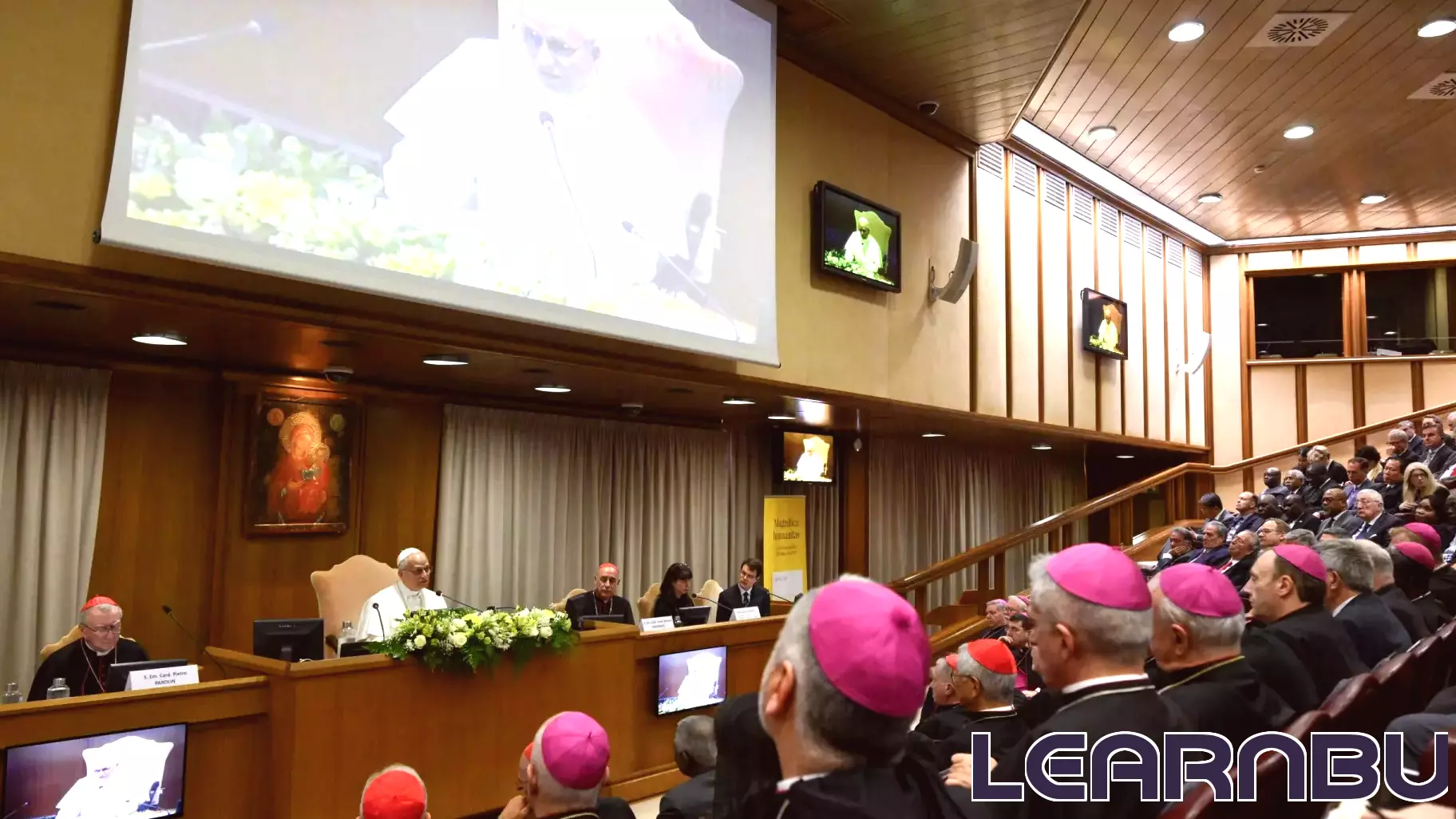
As artificial intelligence becomes a bigger part of everyday life, Catholic higher education faces a new kind of challenge. It is no longer enough to teach students how to use the latest tools. Instead, Catholic universities must double down on helping students understand what it means to be human, and which parts of that humanity no machine can copy.
That is the core message emerging from recent discussions among educators and ethicists who worry that A.I. is being adopted too quickly, without enough thought about its deeper effects. The concern is not just about cheating or lazy thinking. It is about the slow erosion of qualities like empathy, moral judgment, and the ability to make decisions based on conscience rather than algorithms.
A.I. can process information faster than any person. It can write essays, answer questions, and even mimic conversation. But it cannot love. It cannot feel remorse. It cannot weigh the weight of a moral choice in the way a person does, shaped by faith, community, and personal experience. Those are the things that Catholic education has always tried to cultivate.
The call is not to reject technology outright. That would be unrealistic and even unwise. A.I. has real potential for good, from medical research to helping students with learning disabilities. But the point is that technology should serve human ends, not the other way around. When a student asks an A.I. tool for advice on a personal problem, the tool may give a logical answer, but it cannot understand the student's soul.
Catholic campuses are being encouraged to create more spaces for reflection, where students can ask hard questions about what A.I. means for their future work and their spiritual lives. That means integrating ethics into every major, not just philosophy or theology classes. It also means training faculty to recognize when A.I. is being used in ways that undermine genuine learning.
The deeper worry is that A.I. will train students to expect quick answers and instant solutions. Real life is not like that. Moral wisdom comes from struggle, from making mistakes, from sitting with uncertainty. No chatbot can give that to a person. Catholic universities have a special responsibility to remind students of this truth, even when the rest of the culture is rushing the other way.
In the end, the question is not whether A.I. will change higher education. It already has. The question is whether Catholic institutions will lead with their own values or simply follow the trends. The answer, for now, is that they must be more intentional than ever about forming students who know the difference between information and wisdom.
MORE NEWS
September 28, 2026 - 02:26
TRANSCRIPT: South Orange-Maplewood Board of Education Discusses Transportation and IntegrationThe South Orange-Maplewood Board of Education met on Sept. 24 to address ongoing issues with student transportation and integration efforts. Members examined how courtesy busing, placement patterns...

September 27, 2026 - 04:11
Sloan Museum gala raises funds for community education programsSupporters gathered at the Sloan Museum for the 12th annual Night at the Museum Gala, an Old Hollywood-themed fundraiser aimed at supporting the museum`s educational programs and keeping them...

September 26, 2026 - 20:45
California Trains Teachers to Blend Arts with Core SubjectsA program at Cal State San Marcos is preparing student teachers to bring arts-based instruction into standard academic subjects as schools across California struggle to fill arts educator positions...
September 26, 2026 - 17:25
Schools Advised to Prepare Backup Power and Shelters for OutagesThe Ministry of Education and Science has issued new recommendations for how educational institutions should operate during power outages, urging schools to maintain reserves of essential resources...