From Classroom to College: Practices That Help Students Succeed in Both K-12 and Higher Education - Faculty Focus | Higher Ed Teaching & Learning
August 24, 2026 - 12:41

The divide between K-12 and higher education often feels like a wide gap, but the core mission remains the same: helping students learn and grow. While the contexts differ, several classroom practices used in primary and secondary schools translate surprisingly well to college settings. These methods focus on building strong relationships, keeping students actively engaged, and creating a clear structure for learning.
One of the most effective practices is the daily check-in. Elementary teachers often start the day by asking students how they are feeling, using simple charts or quick conversations. This small ritual builds trust and signals that the teacher sees the student as a person, not just a test score. In a college lecture hall, this can be adapted with a quick poll or a two-minute discussion at the start of class. It helps professors gauge the mood of the room and adjust their pace or tone accordingly. Students who feel seen are more likely to participate and ask for help when they need it.
Another valuable technique is the use of explicit learning objectives. K-12 teachers are trained to write clear, measurable goals for each lesson and to share them with students before the lesson begins. This practice reduces anxiety because students know exactly what is expected of them. College professors can do the same by putting a simple agenda on the board or in the slide deck. When students understand the purpose of a lecture or an activity, they are better able to focus their attention and connect new information to what they already know.
Finally, the concept of frequent, low-stakes assessment works well at any level. In K-12, teachers use exit tickets, quick quizzes, or thumbs up/thumbs down checks to see if the class understood the material. These checks are not graded harshly; they are just a way to gather feedback. College instructors can adopt this by giving short, ungraded quizzes at the end of a session or by asking students to write a one-sentence summary of the main point. This helps both the teacher and the student identify gaps in understanding before a major exam.
These practices do not require a complete overhaul of a college syllabus. They are simple, low-cost adjustments that make a classroom feel more supportive and less intimidating. When professors borrow these strategies from their K-12 colleagues, they create a smoother transition for students moving from high school to higher education. The result is a more engaged classroom where learning becomes a shared effort rather than a solo struggle.
MORE NEWS
October 8, 2026 - 05:57
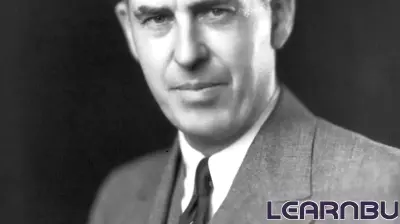
Henry Wallace's Warning and the State of Civics Education in IowaEd Wasserman often returns to a piece of advice from Vice President Henry A. Wallace, who believed that democracy holds the strength to defeat what he called the infectious disease of fascism....

October 7, 2026 - 19:51
Education committee focuses on college campus homelessnessFRANKFORT - Some students attending Kentucky colleges and universities might not have a dorm room or other place to call home, and legislators heard Tuesday about a proposal to address that problem...

October 7, 2026 - 03:07
OCDE breaks ground on new Rancho Soñado education center, marking a long-awaited returnThe Orange County Department of Education has officially begun construction on a new education center at Rancho Sonado, ending a long period of uncertainty for the site. Leaders from the department...

October 6, 2026 - 01:02
Quantum Computing Lessons Coming to Hamilton County ClassroomsRegional education and workforce organizations in Tennessee have partnered to lay the groundwork for learning about quantum computing across all grade levels in Hamilton County Schools, starting in...