The Rise of the Independent Learner: What to Expect by 2027
3 May 2026
You know that feeling when you sit down to learn something new, and the first thing you do is open a search engine? Maybe you type in "how to start a side hustle" or "Python for beginners." Within seconds, you have a million options: YouTube tutorials, online courses, blog posts, free PDFs, and forums full of strangers who swear they learned everything in a week.
That is the world we live in now. But here is the thing: by 2027, this world will look radically different. The independent learner is no longer just a student who skipped class to study alone in the library. They are becoming the norm. And if you are someone who likes to take charge of your own growth, you are about to see some huge shifts.
Let me walk you through what is coming. No fluff, no predictions from a crystal ball. Just a real look at how learning is changing, and what you should expect if you want to stay ahead.
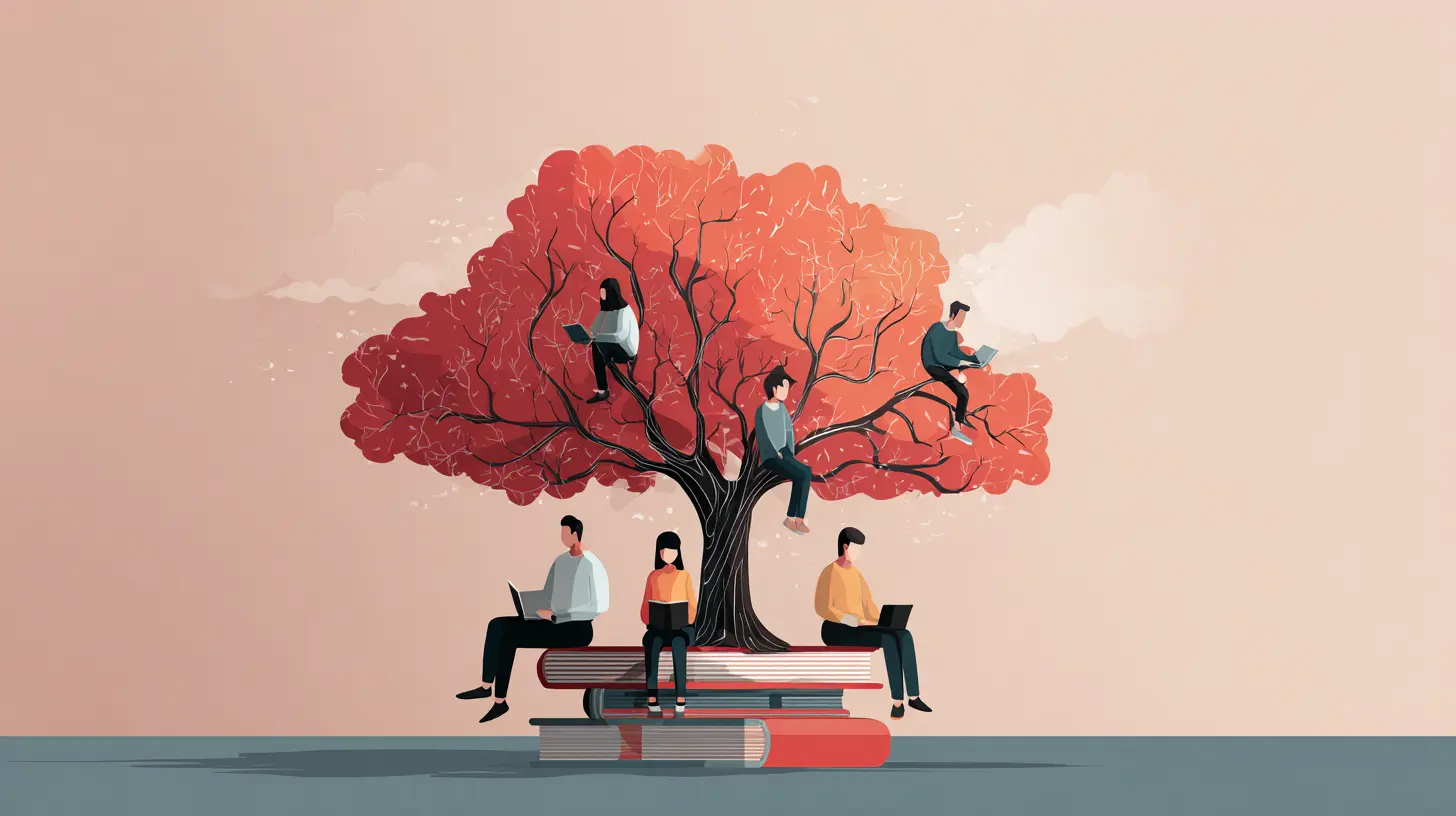
Why the Independent Learner Is Taking Over
Think about the old way of learning. You went to school, sat in a classroom, listened to a teacher, did homework, took a test. That system worked for a long time because information was scarce. Teachers were gatekeepers. If you wanted to know something, you had to go through them.But now? Information is everywhere. It is spilling out of every corner of the internet. You can learn how to fix a car engine from a guy in his garage in Ohio, or master quantum physics from a professor in Tokyo who uploads lectures for free. The gatekeepers are gone.
So why would anyone wait for a semester-long course when they can learn exactly what they need, when they need it? That is the core of the independent learner mindset. You are not waiting for permission. You are not following a rigid curriculum. You are building your own path.
By 2027, this will not just be a trend. It will be the default way many people approach education. And the systems around us are scrambling to catch up.

What Will Change by 2027? A Sneak Peek
1. The Death of the One-Size-Fits-All Course
Remember those online courses where you had to watch 40 hours of video, even though you already knew half the material? That model is dying. By 2027, learners will demand modular, bite-sized chunks that they can assemble like LEGO bricks.Imagine you want to learn digital marketing. Instead of signing up for a 12-week bootcamp, you will pick a module on SEO from one creator, a module on social media ads from another, and a module on email copywriting from a third. You will mix and match based on your gaps. Platforms that let you do this easily will win. The ones that force you into a linear path will fade.
I have already seen this with my own learning. Last year, I wanted to improve my public speaking. I did not take a full course. I watched three specific videos on vocal tone, read one article on structuring stories, and practiced in front of a mirror. That is the independent learner way: efficient, targeted, and personal.
2. AI as a Personal Tutor, Not a Cheat Code
Let me address the elephant in the room. AI is changing everything. But here is the twist: by 2027, AI will not replace teachers. It will replace the boring parts of learning.Think about it. Right now, if you are studying alone, you have to figure out what you do not know. That is hard. It is called the "unknown unknowns" problem. You do not even know what questions to ask.
AI will become your personal tutor that lives in your pocket. You will be able to say, "Explain this concept to me like I am a 10-year-old," or "Give me three practice problems on this topic." It will adapt to your level, your pace, and your learning style. It will not judge you for asking the same question five times.
But here is the catch. The independent learner who succeeds will be the one who uses AI as a tool, not a crutch. If you just ask AI to write your essay for you, you are not learning. You are outsourcing. The real skill will be knowing how to ask the right questions, how to verify the answers, and how to apply what you learn.
3. Credentials Will Matter Less Than Portfolios
I have a friend who got a job at a top tech company without a college degree. How? He built a portfolio of projects. He showed his work. He did not say, "I took a course." He said, "I built this app, and here is the code, and here is how it solved a real problem."By 2027, this will be even more true. Employers are tired of resumes that list degrees and certifications. They want to see proof. They want to see what you can actually do.
For the independent learner, this is fantastic news. You do not need to wait for a diploma to prove yourself. You can start building today. Create a blog, launch a YouTube channel, contribute to open-source projects, write case studies. Your portfolio is your new diploma.
But here is the hard truth: building a portfolio takes discipline. It is easier to sit through a course and get a certificate than it is to actually make something and put it out into the world. The independent learner who thrives by 2027 will be the one who embraces the messy, uncomfortable process of creating.
4. Community Will Be Your Curriculum
I used to think learning alone meant being alone. I was wrong. The most effective independent learners build communities around their interests.Think of it like this: learning alone is like trying to build a fire with one match. It is possible, but it is hard. Learning in a community is like having a whole box of matches. You can share sparks, get feedback, and keep each other warm.
By 2027, the best learning platforms will not just offer content. They will offer connection. You will see more cohort-based courses, small group coaching, and peer review systems. These are not just nice-to-haves. They are essential for deep learning.
Why? Because when you learn alone, you miss the friction of debate. You miss the moment when someone says, "But what about this?" and you have to defend your understanding. That friction is where real growth happens.
I have experienced this firsthand in a writing group I joined. Every week, we critique each other's work. It is uncomfortable. But my writing has improved more in six months of that group than in three years of reading books about writing. Community forces you to level up.
5. The Rise of Micro-Credentials and Skill Badges
By 2027, the college degree will still exist, but it will not be the only path. In fact, it might not even be the most respected path for certain fields. Instead, you will see a explosion of micro-credentials.What are these? Think of them as digital badges that prove you have mastered a specific skill. Not a broad subject like "computer science," but a narrow one like "data cleaning in Python" or "negotiation for sales professionals."
These badges will be stackable. You earn one, then another, then another. Over time, you build a profile that shows exactly what you know. This is perfect for the independent learner because you can focus on exactly the skills you need for your next job, your next project, or your next big idea.
But be careful. Not all micro-credentials are created equal. Some are just cash grabs. By 2027, the market will have sorted out which ones are valuable. Look for badges that are backed by real companies, real assessments, and real peer review. The ones that just require watching a video and clicking a button will be worthless.
6. Learning Will Be Embedded in Work
Here is a shift that excites me. Right now, most people think of learning as something you do before you work. You go to school, then you get a job. But by 2027, learning and work will blend together.Imagine this scenario: You are working on a project, and you realize you do not know how to use a specific software tool. Instead of stopping and taking a two-day course, you will access a short, just-in-time learning module. You learn it, apply it immediately, and move on. The learning is embedded in the workflow.
This is already happening in some companies. They are building "learning in the flow of work" systems. But by 2027, it will be mainstream. For the independent learner, this means you need to get comfortable with learning on the fly. You cannot wait for the perfect course. You have to learn as you go.
I have started doing this with my own projects. When I hit a wall, I do not stop. I search for a specific answer, try it, fail, search again, try again. It is messy. But it is fast. And it sticks better than any course ever did.
7. The Attention Economy Will Force You to Curate
Let me be honest with you. By 2027, there will be more content than ever. More courses, more videos, more articles, more podcasts. The independent learner will face a paradox of choice. How do you decide what to learn?The answer is curation. The skill of filtering noise and finding signal will be one of the most valuable skills you can develop. You will need to be ruthless about what you let into your brain.
Think of it like a diet. If you eat everything in sight, you feel terrible. If you carefully choose what you eat, you feel great. Learning is the same. You cannot learn everything. You have to pick a direction and go deep.
By 2027, the best learners will have systems for curation. They will follow specific experts, use tools to filter content, and regularly audit their learning goals. They will say no to most things. That is hard. FOMO is real. But it is necessary.
I have a simple rule now: if I cannot explain why I am learning something, I do not learn it. That rule has saved me hundreds of hours. Try it. It works.

How to Prepare for the Independent Learner Era
Okay, so we have talked about what is coming. But what should you do about it? Here are some practical steps you can take right now to get ready for 2027.Start a Learning Journal
This is simple but powerful. Every day, write down one thing you learned. It does not have to be big. It could be a new word, a recipe, a concept from a podcast. The act of writing it down forces your brain to process it. Over time, you will see patterns in what you are learning, and you can adjust.Build a Personal Learning System
Do not rely on platforms to organize your learning for you. They have their own agendas. Instead, build your own system. Use a note-taking app, a folder system, or even a physical notebook. Create a structure for capturing ideas, reviewing them, and applying them.I use a method called "capture, connect, create." I capture ideas quickly, connect them to what I already know, and then create something new from them. It is not fancy. But it works.
Find Your Learning Community
You do not have to do this alone. Find a group of people who are learning the same things you are. It could be a local meetup, an online forum, or a small paid community. The key is regular interaction. Share what you are learning. Ask questions. Give feedback. The community will keep you accountable.Embrace the Beginner Mindset
This is the hardest one. By 2027, you will need to be comfortable being a beginner over and over again. The world is changing too fast to master one thing and stop. You will have to learn new skills, unlearn old ones, and relearn better ones.That is uncomfortable. It feels like starting over. But it is also exciting. Every time you become a beginner, you open yourself up to new possibilities. The independent learner who thrives will be the one who says, "I do not know this yet, but I will figure it out."

Why This Matters for You
I am writing this because I believe the rise of the independent learner is one of the most empowering shifts in modern history. It puts the control back in your hands. You do not have to wait for a school, a company, or a government to tell you what to learn. You can decide for yourself.But with that power comes responsibility. You have to be intentional. You have to be disciplined. You have to be willing to fail and try again.
By 2027, the world will be full of independent learners. Some will drift, overwhelmed by the noise. Others will thrive, building skills and portfolios and communities that open doors they never imagined.
Which one will you be?
Start today. Pick one thing you want to learn. Not ten things. One. Spend 20 minutes on it. Then do it again tomorrow. That is all it takes. The compound effect of small, consistent actions is massive.
The future of learning is already here. It is messy, exciting, and full of possibility. And it belongs to you.
all images in this post were generated using AI tools
Category:
Self Directed LearningAuthor:

Anita Harmon
Discussion
rate this article
2 comments
Zealot McGhee
Independent learners rock! Exciting future!
July 4, 2026 at 3:05 AM
Anita Harmon
Absolutely! The growth of independent learners is shaping a bright future for education.
Thalwen McKeehan
As the independent learner emerges, a new landscape of education awaits. What hidden skills will define success? Prepare for unexpected challenges and breakthroughs... the future may hold more than we can imagine.
May 6, 2026 at 11:04 AM
Anita Harmon
It's an exciting time for education. As independent learners take charge, adaptability, critical thinking, and self-motivation will be key. The future promises both challenges and opportunities. Let's embrace the journey ahead.