The Power of Play in Early Childhood Education
5 December 2025
Picture a group of kids building a pirate ship out of cardboard boxes. There’s laughter, imagination running wild, a few squabbles over who gets to be the captain, and an occasional sword fight with paper towel rolls. To the untrained eye, it might just look like chaos — but let me tell you, that chaotic shipyard is actually one of the most powerful learning environments you’ll ever find.
When it comes to early childhood education, play isn’t just a break from learning — it is learning. In fact, play is the secret sauce, the magical ingredient, the not-so-hidden gem that fuels a child’s emotional, social, cognitive, and physical development. So, let's dive deep into why play matters so much and how it shapes young minds in ways a worksheet never could.
What Do We Mean by “Play”?
Before we get too far ahead, let’s clear something up — not all play is created equal. There's a big difference between zoning out in front of a screen and building a Lego skyscraper with your best friend.In early childhood education, we’re talking about active, hands-on, imaginative play. This includes pretend games, building with blocks, painting, solving puzzles, running around, role-playing — basically anything that engages kids both mentally and physically.
Types of Play That Fuel Learning
- Imaginative Play (Dramatic Play): Think dress-up, playing house, or pretending to run a store.- Constructive Play: Building forts, towers, and worlds using whatever is on hand.
- Physical Play: Running, climbing, dancing — anything that gets those little bodies moving.
- Social Play: Games that involve turn-taking, sharing, and negotiating.
- Sensory Play: Activities involving sand, water, play dough, or textured objects.
All these different types of play serve unique developmental purposes — and often, they overlap in some pretty magical ways.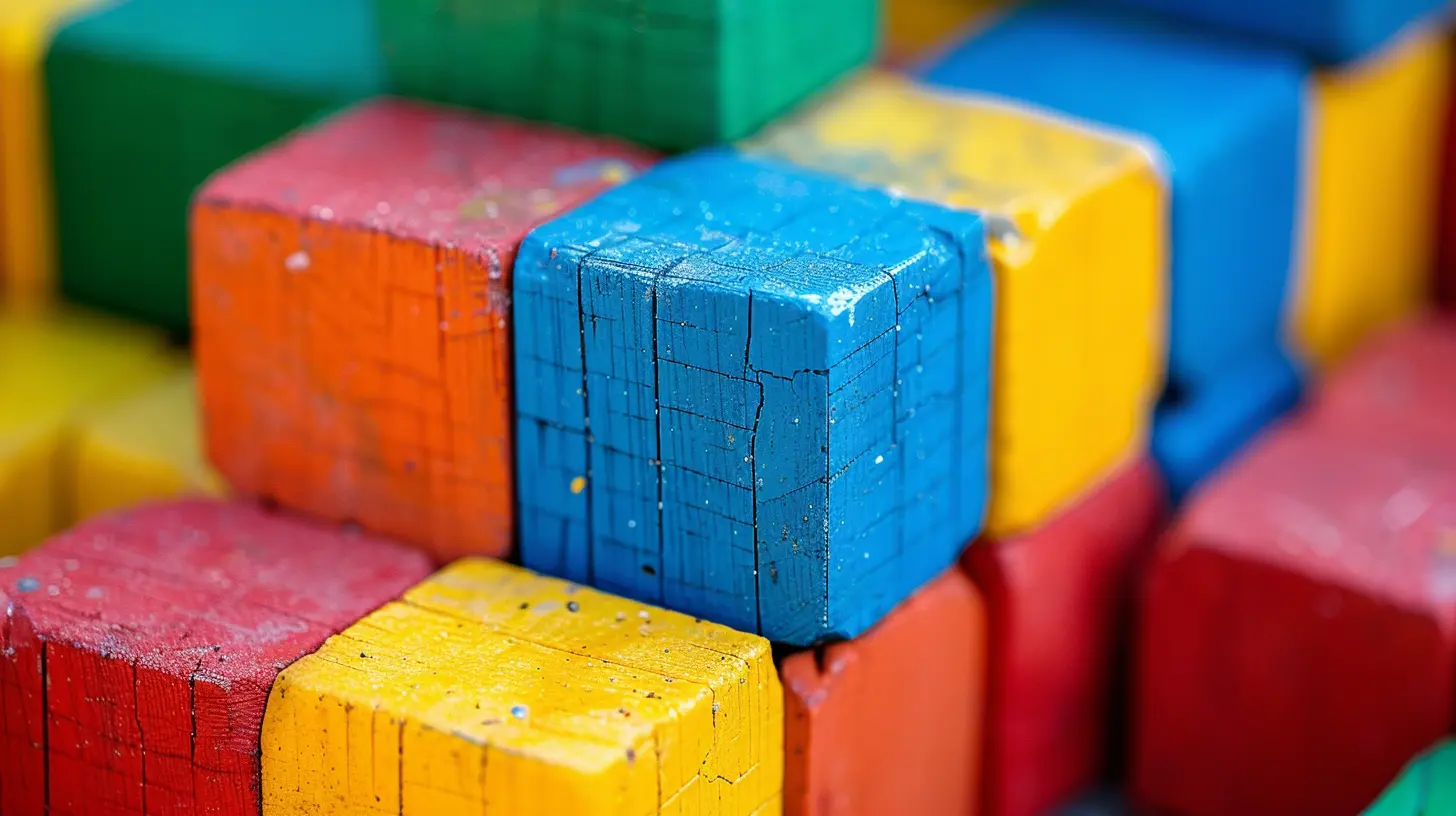
Why Is Play So Important in Early Childhood?
You might be wondering — if play is "just for fun," how can it possibly be educational? Great question. And here’s the fun part: The fun is the education.1. Brain Development Is on Fire
During the early years, a child’s brain is like a sponge, soaking up every experience and connection. Play stimulates neural pathways and helps children develop critical thinking and problem-solving skills.Let’s say a toddler is stacking blocks. It looks simple, right? But underneath that activity, their brain is firing on all cylinders — figuring out balance, cause and effect, spatial awareness, and even patience.
2. Builds Language and Communication Skills
Have you ever eavesdropped on a group of preschoolers deep in pretend play? The conversations are pure gold. They're trying out new words, building narratives, asking questions, negotiating roles — it’s basically a language boot camp disguised as a tea party.And because it’s low-pressure, kids feel way more comfortable experimenting with language without the fear of being wrong.
3. Boosts Social and Emotional Growth
Through play, children learn how to work with others, understand emotions, resolve conflicts, and build empathy. When kids argue over rules in a made-up game or decide who gets the last turn on the slide, they’re developing emotional intelligence.These real-life situations are far more impactful than any lecture on “being nice to your friends.”
4. Encourages Creativity and Imagination
Let’s not forget about creativity — the superpower of the 21st century. Pretending a stick is a sword or designing an alien world with crayons helps kids think outside the box. And in a world that's constantly changing, creative thinkers are the ones who will thrive.5. Develops Fine and Gross Motor Skills
From gripping a paintbrush to hopping on one leg, play supports both fine and gross motor development. These skills are foundational for later tasks like writing, tying shoes, and participating in sports.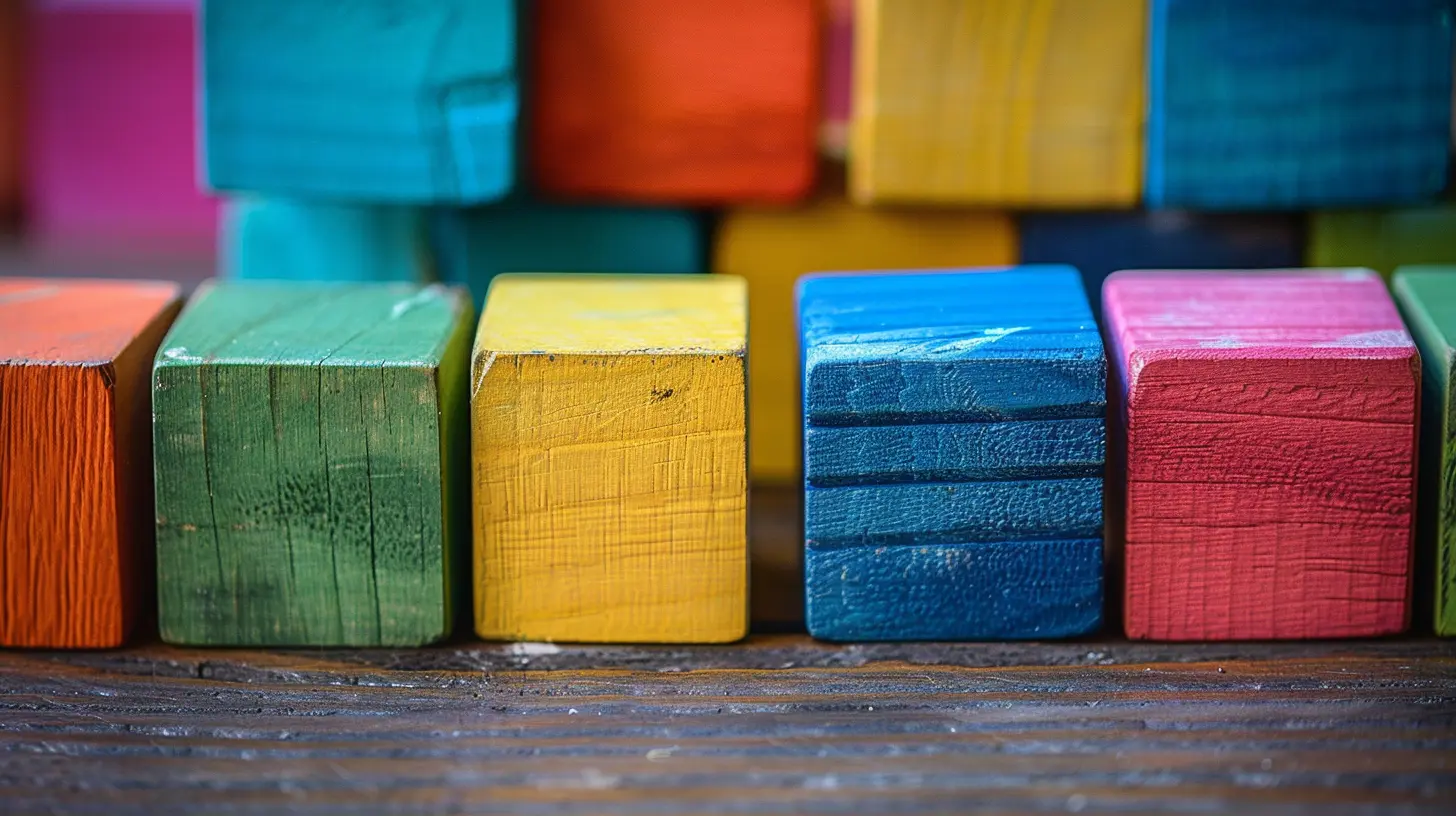
What the Research Says (Spoiler: It’s a Lot)
Still not convinced? Let’s bring in the big guns — the science.Studies show that children who engage in purposeful play demonstrate better literacy, numeracy, and social skills than their peers who engage in direct instruction too early or too often. Countries like Finland, which prioritize play-based learning, consistently outperform others academically.
The American Academy of Pediatrics even emphasizes that play is essential to healthy brain development and is a critical component of early learning.
Why? Because when children are free to explore and lead their own learning paths, they retain more, understand deeper, and actually enjoy the process.
The Role of Educators in Play-Based Learning
Now, some adults worry that "just playing" isn't enough. And while kids are the primary drivers of play, early educators play a huge role in guiding and enriching that experience.Teachers as Play Facilitators
A great educator observes play carefully, stepping in with open-ended questions like:- “What do you think will happen if you try it this way?”
- “How could we solve this problem?”
- “Can you tell me about your drawing?”
These interactions encourage kids to think critically and communicate more deeply.
Creating a Play-Rich Environment
A thoughtfully designed classroom or learning space full of inviting materials — like blocks, loose parts, dress-up clothes, and art supplies — encourages exploration. Think of it as setting the stage for hundreds of little discoveries every single day.Play in the Home: It Matters There Too
Play-based learning doesn’t stop the moment a child steps outside the classroom. Parents, guardians, and caregivers are also key players in the game — literally.Easy (and Fun) Ways Parents Can Support Play:
- Join in! Get down on the floor and let your child lead the game.- Make time for unstructured play every day.
- Limit screen time to encourage more active, imaginative play.
- Resist the urge to direct — let your child’s imagination take the wheel.
- Provide open-ended toys (blocks, art supplies, dolls, etc.)
You don’t need anything fancy. Sometimes a cardboard box and a spoon turn into the best rocket ship this side of the galaxy.
Overcoming the “Academic Pressure” Debate
One of the biggest challenges in embracing play in early education is the pressure to "get kids ready" for standardized tests and formal academics. As a result, some schools push worksheets and rote memorization earlier and earlier.But here’s the real kicker: children who experience rich play-based learning environments are often more academically prepared in the long run.
Why? Because they’ve developed the critical thinking, language, and social skills that set the foundation for all future learning.
Think of it this way — a strong tree needs deep roots. And in early childhood, play is the root system that supports everything else.
FAQs About Play-Based Learning
Q: Is play really more effective than direct instruction in the early years?Absolutely. Research repeatedly shows that children learn better through active exploration and play-based interactions than passive instruction.
Q: Can kids still learn to read and do math through play?
Yes! Concepts like counting, sorting, and recognizing letters often happen naturally within play. For example, playing “store” teaches math, money, and sequencing — all wrapped up in fun.
Q: What about shy kids or kids who struggle with social play?
Play can actually help those kids gradually build confidence and social skills. Educators and parents can support them by providing smaller group play opportunities and gentle encouragement.
The Takeaway: Let Them Play
At the end of the day, play is not a luxury. It’s not something we “fit in after the serious stuff.” Play is the serious stuff. It builds brains, relationships, creativity, and self-confidence — all through joy and curiosity.Whether you're a teacher, a parent, or just someone who cares about kids, remember this: giving a child the freedom to play is giving them the tools to thrive, grow, and shine.
So, next time you see a child jumping in puddles, pretending to be a dragon, or building a tower taller than themselves — don’t stop them. Cheer them on. Because that’s not just playtime. That’s powerful learning in action.
all images in this post were generated using AI tools
Category:
Education ReformAuthor:

Anita Harmon
Discussion
rate this article
2 comments
Robert McLemore
Play isn't just fun—it's essential! Let's not forget, if we want creative geniuses, we need to let kids play, not just prep for tests. Duh!
December 10, 2025 at 1:05 PM
Anita Harmon
Absolutely! Play fosters creativity, problem-solving, and emotional growth, making it a crucial part of learning, not just an option. Thank you for highlighting its importance!
Melanie Pruitt
Play isn't just fun; it's foundational. Early childhood education thrives on playful learning, fostering creativity, problem-solving, and social skills—essential tools for lifelong success.
December 5, 2025 at 5:13 AM
Anita Harmon
Thank you! I completely agree—play is essential for holistic development in early childhood. It nurtures creativity and social skills, laying the groundwork for future learning and success.