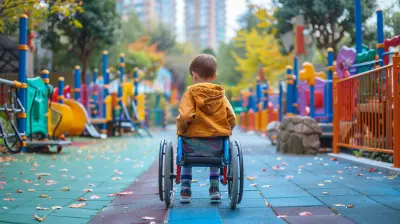
The Intersection of Mental Health and Education Reform
29 September 2026
Let’s face it—our education system is kind of stuck in the past. It focuses heavily on grades, standardized tests, and academic performance, yet leaves out one crucial piece of the puzzle: mental health.
Now, imagine trying to learn algebra while battling anxiety, or focusing on a history lecture when depression is clouding your thoughts. Sounds impossible, right? That’s because it is for many students today. So here's the million-dollar question: when will education reform finally take mental health seriously?
Let’s break it down and talk about why this intersection—mental health and education reform—matters more now than ever.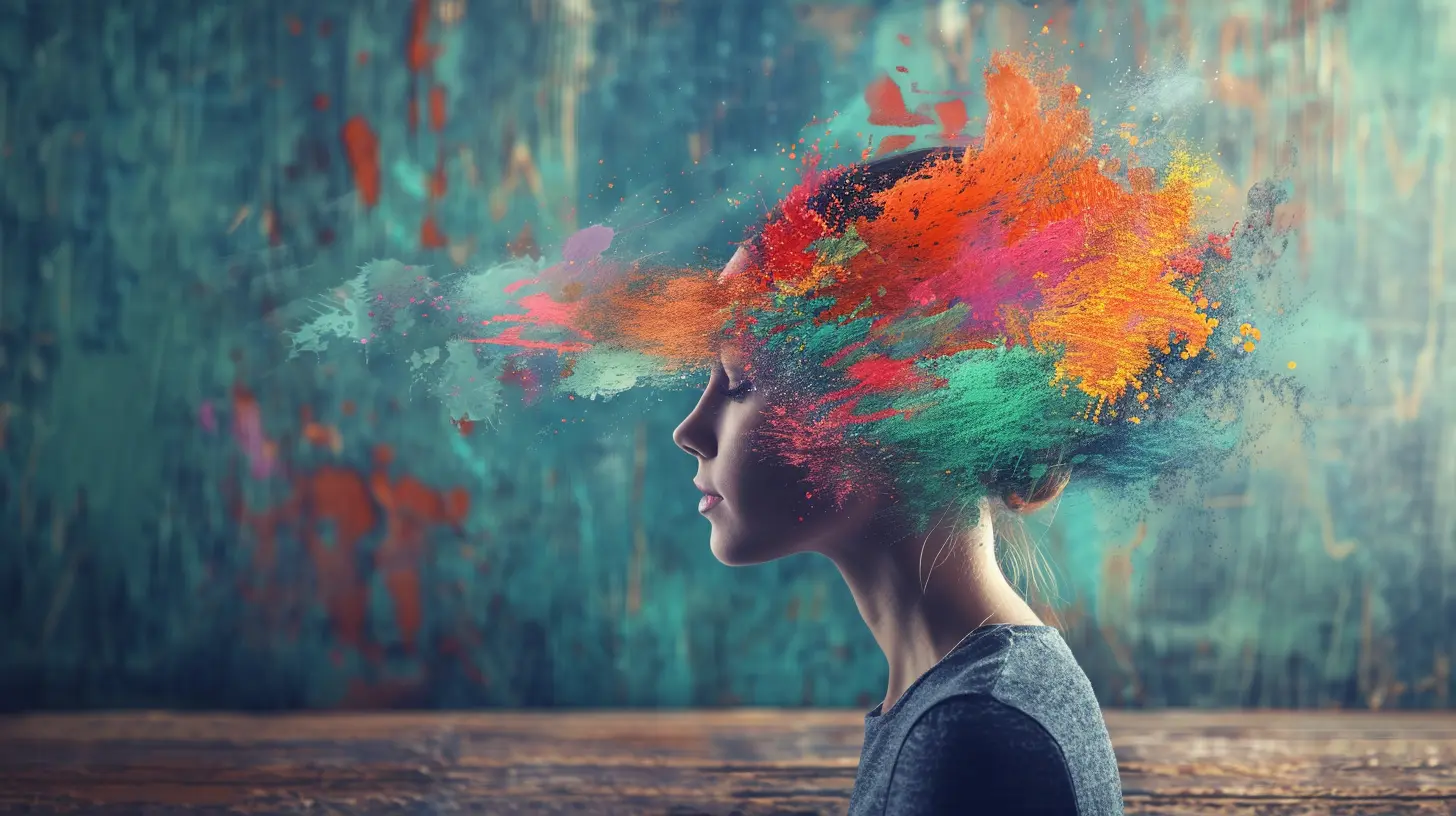
Why Mental Health Should Be at the Core of Education Reform
Mental Health Affects Learning—Period.
Let’s be honest. It doesn't matter how brilliant a teacher is or how modern the curriculum gets—if a student is emotionally drowning, they’re not absorbing anything. Mental health issues like anxiety, depression, trauma, or even chronic stress mess with cognitive functions like memory, attention, and reasoning. That’s not just opinion; that’s neuroscience.Students carry the weight of personal struggles into the classroom. Expecting them to perform at their best without support is kind of like asking someone to run a marathon on a sprained ankle.
Academic Success Depends on Emotional Well-Being
Picture this: A student wakes up anxious, skips breakfast, and dreads school because of bullying or pressure. They sit through six hours of instruction while mentally spiraling. That student might still pass the test, but at what cost?Now imagine the same student with access to counseling, a supportive environment, and mindfulness programs integrated into the school day. Which version of the student do you think will thrive long-term?
Right—the one who’s supported emotionally. Academic success and emotional well-being aren’t separate paths; they’re the same road.
The Current State of Mental Health in Schools
Stats That Wake You Up
Still not convinced that mental health should be a pillar in education? Check out these eye-openers:- About 1 in 5 children experience a mental health disorder each year.
- Suicide is the second leading cause of death among teens.
- More than 60% of youth with depression don’t receive mental health treatment.
Let that sink in. These aren’t just numbers. These are our kids, our future. And it's clear—we're failing them.
The Mental Health Support Gap
Most schools are understaffed when it comes to trained mental health professionals. Yeah, there might be a counselor, but if that counselor is juggling 500 students, how effective can they really be?There’s a massive gap between what students need and what they get. Many schools don’t even have full-time psychologists or social workers, let alone comprehensive emotional support programs.
Education Reform: Where We’re Getting It Wrong
Obsession with Standardized Testing
Let’s talk about the elephant in the classroom: standardized tests.They measure performance, sure—but they ignore context. These tests don't know who stayed up all night dealing with anxiety, who’s grieving a loss, or who’s facing abuse at home. They reduce students to numbers on a spreadsheet.
And teachers? They’re stuck teaching to the test instead of addressing real developmental needs. It's like trying to feed a gourmet meal using a microwave—you might get something warm, but it won’t nourish anyone.
Ignoring Socio-Emotional Learning (SEL)
If emotional intelligence was taught in schools the same way we teach long division, we might have a generation better equipped to handle life. But in many schools, social-emotional learning (SEL) programs are either underdeveloped or treated as optional fluff.News flash: SEL isn’t fluff—it’s foundational.
SEL teaches empathy, self-regulation, responsible decision-making, and healthy relationships. These are real-life skills, not extra credit.
The Benefits of Integrating Mental Health into Education Reform
Better Academic Outcomes
This might blow your mind: schools that implement SEL and mental health programs often see better academic results. Why? Because emotionally balanced students are better learners. They’re present. They’re engaged. Their executive function (basically their brain's "CEO") works better when they’re mentally healthy.Reduced Discipline Issues
You know what happens when students are given the tools to process emotions instead of bottling them up? Fewer fights. Fewer suspensions. Less acting out. Basically, the school becomes a more peaceful, respectful environment for everyone.Stronger Teacher-Student Relationships
When mental health is a priority, teachers start seeing students not as "problems to fix" but as whole people. That shift in perspective is huge. It builds trust, respect, and a sense of community. And that right there can change a school’s culture from toxic to transformative.How Schools Can Start Bridging the Gap
Normalize the Conversation Around Mental Health
We talk about physical health all the time—sprained ankles, the flu, you name it. But mental health? Still taboo in many places. That needs to change. Schools should hold regular discussions, workshops, and events that make talking about mental health as normal as asking how someone’s weekend was.Train Educators in Mental Health First Aid
Teachers aren’t therapists, and they shouldn't be expected to be. But giving them basic training in mental health first aid can help them spot warning signs early and refer students to the right professionals. Think of it as emotional CPR.Embed SEL in the Curriculum
This doesn’t mean adding another subject. SEL can be integrated into what schools are already teaching. Discuss empathy in literature classes. Talk about goal-setting in P.E. Reflect on emotional states in science when discussing the brain. It’s all connected.Hire More Mental Health Professionals
This one’s obvious, but often overlooked due to budget constraints. Still, investing in more school counselors, psychologists, and social workers pays off big time. It’s like hiring lifeguards at the pool—you hope you won't need them, but you’re sure glad they’re there if something goes wrong.Looking Toward a Brighter Future
Here's the truth: we can't afford to separate mental health from education reform anymore.The pandemic was a wake-up call. Students came back to school with more trauma, isolation, and emotional challenges than ever before. And the old model? It just doesn’t cut it anymore.
We need a system that recognizes students as human beings with complex emotional lives. A system that doesn’t punish mental struggles but supports them. A system where thriving mentally is just as important as getting straight A’s.
Conclusion: Real Education Reform Starts with Empathy
Let’s stop pretending that academic success and emotional well-being live in different zip codes.To truly reform education, we need to start with the heart and the mind—not just textbooks and test scores. Because when students feel safe, supported, and emotionally resilient, everything else falls into place: higher grades, better attendance, stronger relationships, and happier lives.
Mental health and education reform don’t just intersect—they’re two sides of the same coin. And it’s about time we start flipping that coin in favor of our students.
all images in this post were generated using AI tools
Category:
Education ReformAuthor:

Anita Harmon
Discussion
rate this article
1 comments
Charlotte Mercado
It's about time we stop treating mental health like a pesky homework assignment. Educators and students alike deserve a curriculum that includes self-care as a subject. After all, a well-balanced mind is the best tool for learning. Let's reform education and make mental wellness part of the grade!
September 29, 2026 at 2:30 AM