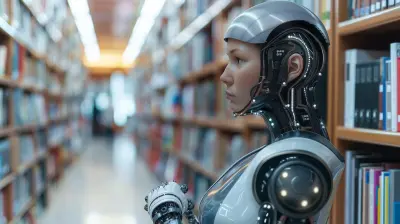
The Importance of Open Educational Resources in STEM Education
11 June 2026
Let’s be real—STEM education isn’t always the easiest thing to access. Whether it’s the sky-high costs of textbooks, the need for constantly updated materials, or just the struggle of finding reliable resources, students and educators often hit roadblocks. But here’s the game-changer: Open Educational Resources (OERs).
OERs are the heroes we didn’t know we needed, breaking down barriers and making STEM education more inclusive, affordable, and engaging. So let’s dive into why OERs are shaking up the education scene and why every STEM student and teacher should be paying attention. 
What Are Open Educational Resources (OERs)?
Before we get ahead of ourselves, let’s define what we’re talking about. Open Educational Resources (OERs) are freely available, openly licensed materials that students, educators, and self-learners can use for teaching, learning, and research.Think of them as the Spotify playlist of education—free, accessible, and constantly updated. They can include:
- Textbooks (because $200 for a single book is just ridiculous)
- Lecture notes (no more begging classmates for their scribbles)
- Videos and simulations (because sometimes, seeing is understanding)
- Practice problems and quizzes (to avoid pulling an all-nighter before exams)
- Research articles and datasets (for all the budding scientists out there)
Now that we know what OERs are, let’s talk about how they’re completely revolutionizing STEM education. 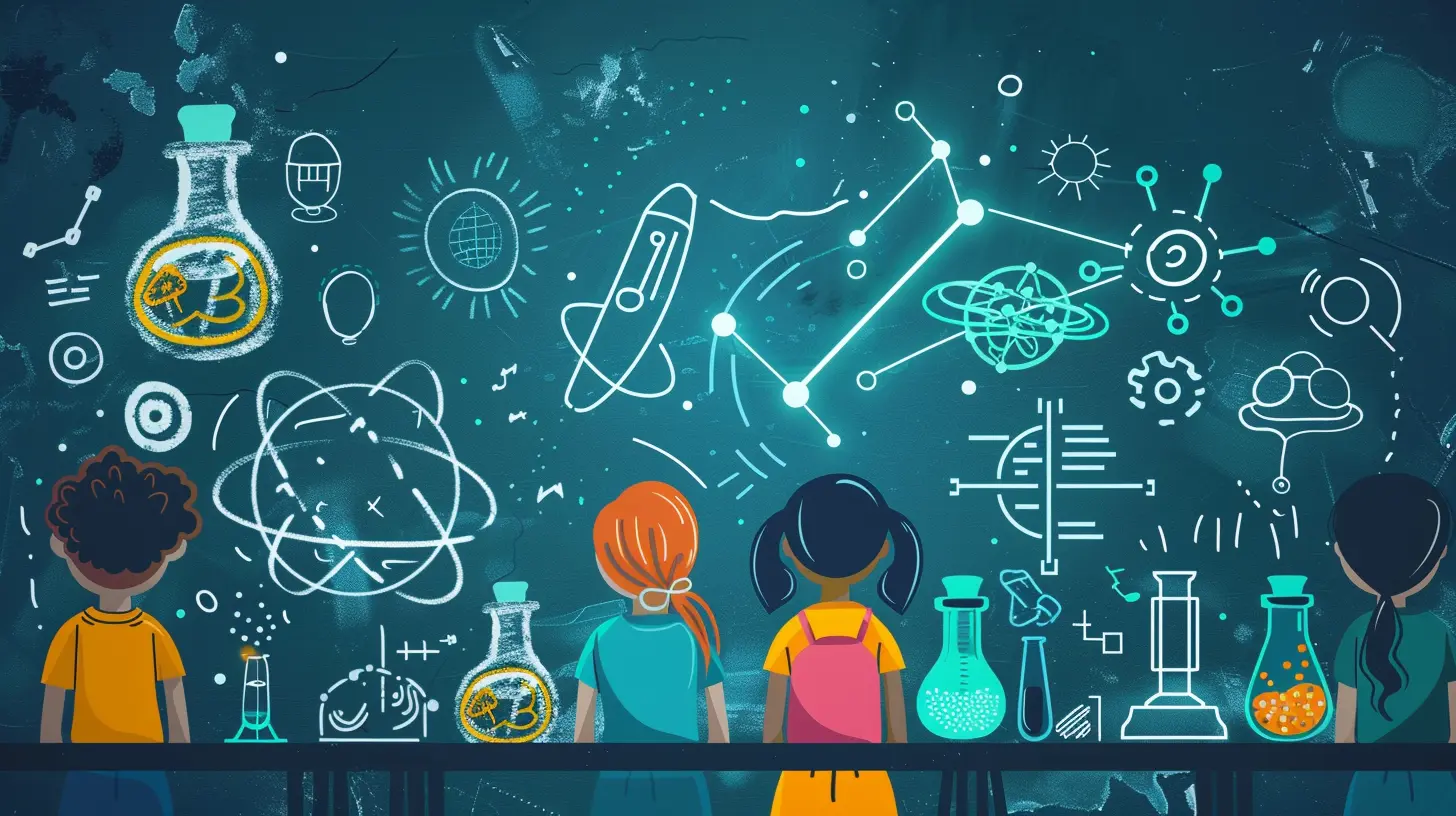
Why Are OERs Critical in STEM Education?
1. Breaking Down Financial Barriers
Let’s address the elephant in the room—STEM textbooks are painfully expensive. Seriously, why is a single textbook more than a week’s worth of groceries? OERs eliminate this unnecessary expense, allowing students to access high-quality learning materials without breaking the bank.For students already drowning in tuition fees, having free access to textbooks and learning materials is a financial lifesaver. And for institutions that want to promote equal opportunities, OERs are the answer to affordability in education.
2. Keeping Up with Rapid Technological Changes
STEM is constantly evolving—what was cutting-edge yesterday might be outdated tomorrow. A printed textbook from five years ago? Practically ancient in the world of technology, engineering, and medicine.OERs, on the other hand, can be continuously updated and revised to reflect the latest advancements. Instead of being stuck with outdated information, students and educators get real-time, relevant content.
3. Encouraging Lifelong Learning
Gone are the days when learning stopped the moment you left the classroom. With OERs, anyone with an internet connection can keep learning—whether they’re a student, a professional looking to upskill, or just someone genuinely curious about how the world works.Imagine wanting to learn Python programming, brushing up on physics concepts, or diving into the latest biotech trends—all without paying a dime. That’s the beauty of OERs.
4. Boosting Creativity and Collaboration
Learning STEM isn’t just about memorizing formulas and theories—it’s about problem-solving, critical thinking, and innovation. OERs foster a culture where educators and students can modify, adapt, and remix content to fit their needs.An engineering professor can tweak a set of lecture notes to make them more relevant to a specific course. A biology student can add annotations or explanations that help others grasp difficult concepts. It’s all about sharing knowledge in a way that benefits everyone.
5. Enhancing Accessibility for All Learners
Education should be a basic right, not a privilege. Unfortunately, traditional learning materials tend to exclude students who:- Have disabilities that make traditional textbooks hard to use
- Live in rural or underserved areas with limited library resources
- Struggle with the high costs of academic materials
OERs knock down these accessibility barriers by providing digital, adaptable, and customizable resources. Whether it's text-to-speech capabilities, braille-friendly formats, or multilingual content, OERs create an inclusive learning experience. 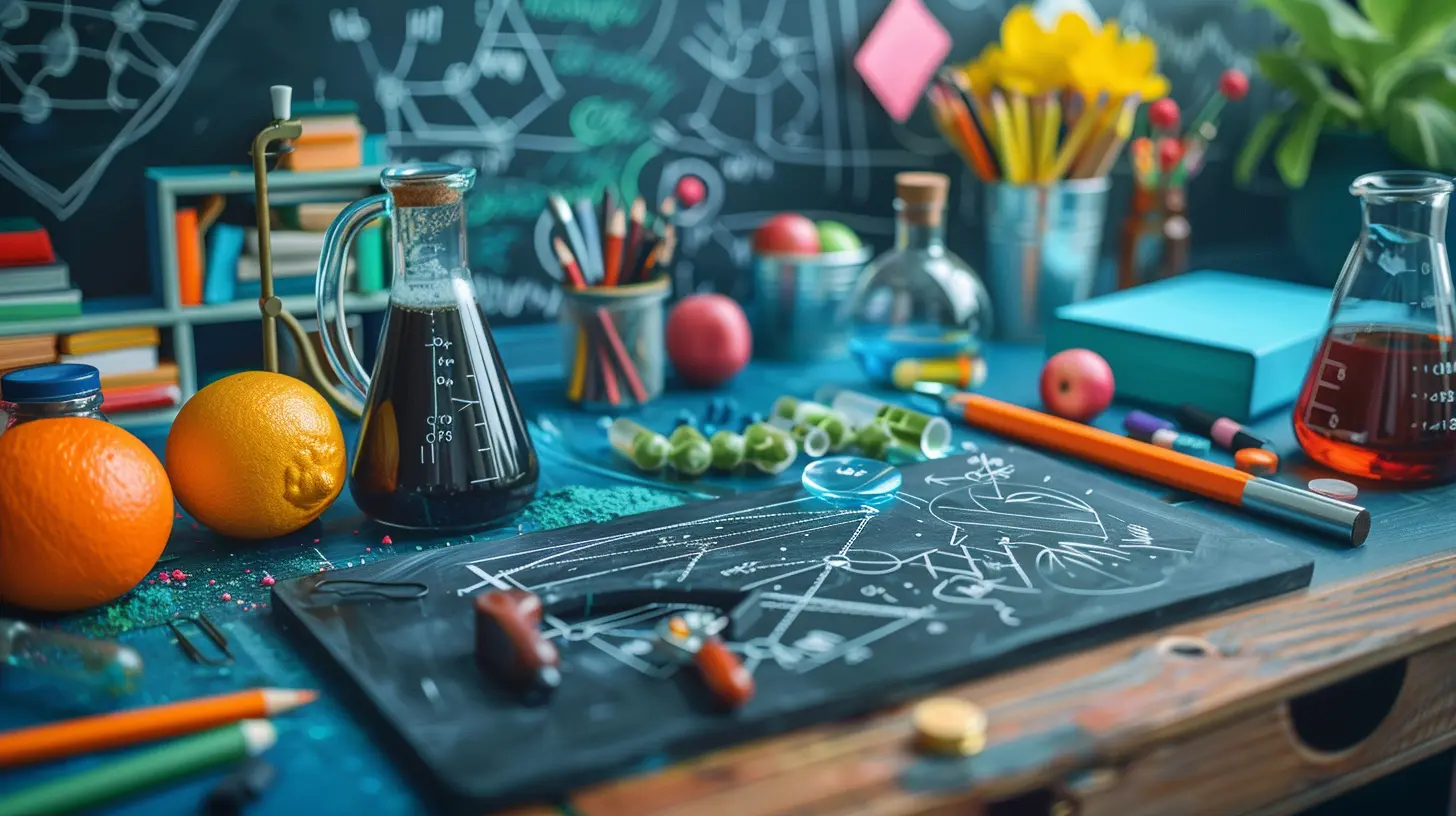
How Educators Can Make the Most of OERs
Alright, educators—this one’s for you. If you’re wondering how to integrate OERs into your lessons, here’s the game plan:1. Curate High-Quality Resources
Not all free resources are created equal. Stick to reputable platforms like:- MIT OpenCourseWare
- Khan Academy
- OpenStax
- NCBI for STEM research
2. Encourage Student Interaction
OERs allow for more engaging learning. Assign interactive simulations, encourage students to contribute to open-source projects, or have them create their own supplementary materials.3. Customize Content to Fit Your Course
Don’t just stick to rigid, pre-written curricula. Modify OERs to fit your specific teaching style and cater to your students’ needs.
The Challenges of OERs (And How to Overcome Them)
Nothing is perfect—even OERs have some hurdles. Let’s talk about common challenges and how to beat them.1. Quality Control Concerns
Because OERs are open to modification, some might worry about accuracy. The best way to solve this? Stick to reputable sources and encourage peer reviews to maintain high standards.2. Internet Access Issues
Not everyone has high-speed internet. One way around this is downloading materials for offline use or printing out essential documents when necessary.3. Resistance from Traditional Publishers
Big textbook companies aren’t thrilled about free resources cutting into their profits (shocking, right?). But with institutions and governments increasingly advocating for OERs, the future looks promising for accessible education.The Future of OERs in STEM Education
OERs are not just a trend—they’re the future of unrestricted, global learning. As technology advances and educational institutions shift toward digital content, expect OERs to become even more powerful.Imagine AI-powered interactive textbooks, real-time STEM lab simulations, and collaborative global research projects—all accessible for free. That’s where we’re headed, and honestly? It’s about time.
If we truly want to democratize STEM education, OERs are the way forward. They break financial barriers, promote inclusivity, and ensure that knowledge remains an open resource, not a luxury.
So, whether you’re a student tired of overpriced textbooks, an educator looking for adaptable materials, or just a lifelong learner—embrace OERs. The future of STEM education depends on it.
all images in this post were generated using AI tools
Category:
Open Educational ResourcesAuthor:

Anita Harmon
Discussion
rate this article
1 comments
Elsinore McNeil
Open Educational Resources in STEM are like a treasure chest for students and teachers. They make learning accessible, affordable, and fun! Let's unlock creativity and innovation together... who knew education could be this exciting? Dive in and explore!
June 13, 2026 at 3:45 AM
Anita Harmon
Absolutely! Open Educational Resources truly transform STEM learning by making it engaging and inclusive. It's exciting to see so many opportunities for creativity and exploration. Let's keep pushing these boundaries together!