The Impact of Globalization on Second Language Learning
28 June 2026
Globalization has transformed the world into a massive interconnected web, where cultures collide, businesses expand, and ideas flow seamlessly. But one of its most profound effects? Language. More specifically, the way we learn second languages.
With borders blurring and communication becoming more global than ever, picking up an additional language isn’t just a skill—it’s a necessity. But how exactly does globalization shape second language learning? Let’s dive into it.
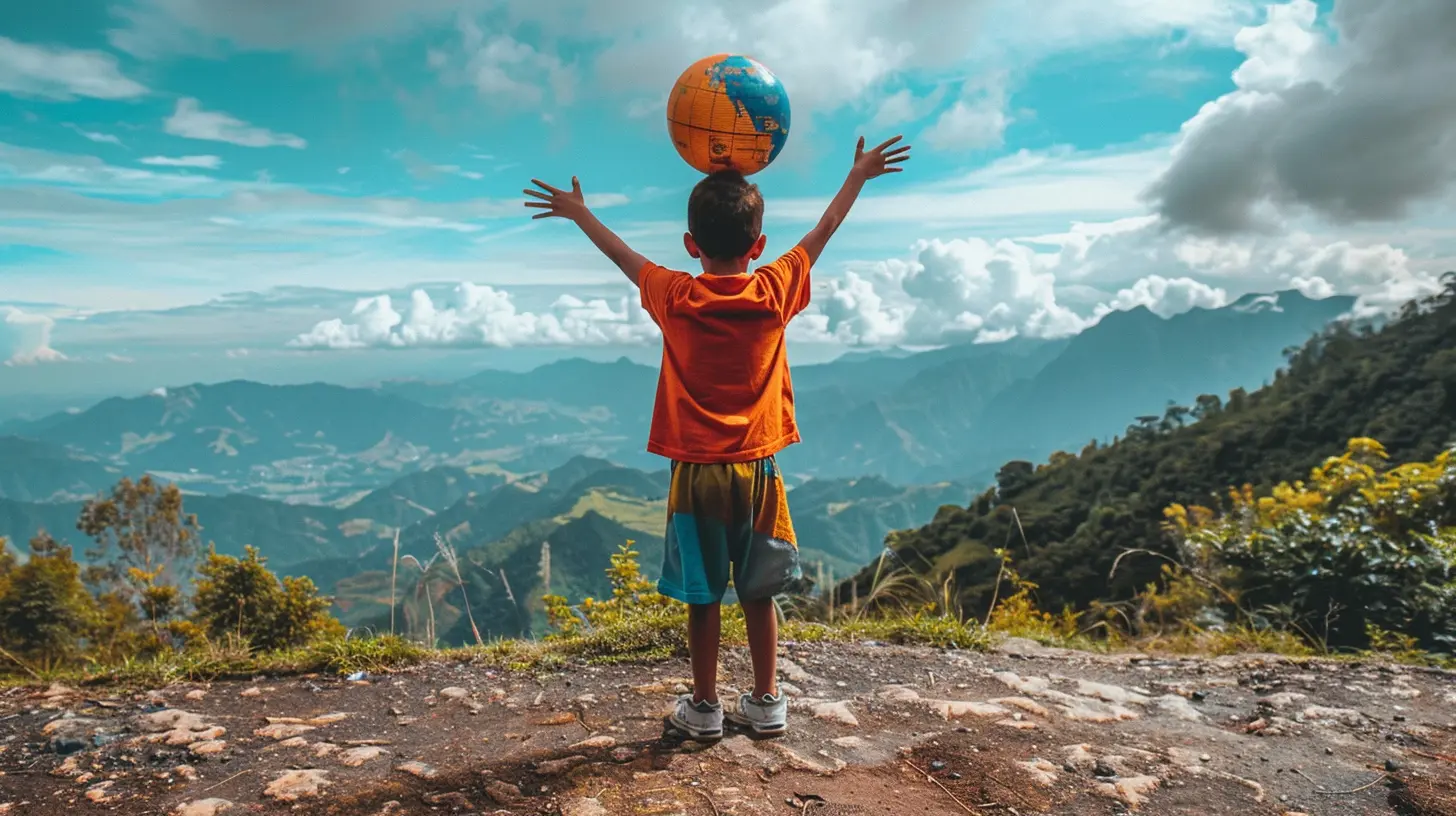
How Globalization Fuels Second Language Learning
1. Increased Exposure to Foreign Languages
A few decades ago, exposure to a second language was mostly limited to classrooms or travel experiences. Not anymore. Thanks to globalization, foreign languages are everywhere—on social media, in movies, on streaming platforms, and even in our workplaces.Think about it—how often do you hear English phrases in non-English-speaking countries? Or Spanish words in the U.S.? Whether you realize it or not, globalization ensures that people are constantly engaging with new languages, even passively.
2. The Internet as a Language Learning Powerhouse
The internet has revolutionized language learning. Through apps like Duolingo, Babbel, or even YouTube tutorials, learners now have unlimited resources at their fingertips. Before globalization kicked into high gear, learning a second language meant sitting in a classroom with a textbook. Now? You can practice Mandarin while sipping coffee at home.Social media also plays a crucial role. Platforms like TikTok, Instagram, and Twitter expose users to real, everyday language use—slang, idioms, and cultural nuances that textbooks often miss.
3. Economic Opportunities Drive Language Learning
Globalization has made the job market more competitive, and being bilingual or multilingual gives professionals a major edge. Businesses are expanding beyond their home countries, creating job opportunities that require communication across borders.For instance, a programmer in Brazil might work for a U.S.-based company, requiring them to learn English. Meanwhile, an American businessperson might need to learn Mandarin to break into the Chinese market. In this interconnected economy, knowing a second language can be the difference between landing a dream job or missing out.
4. Migration and Multicultural Societies
With people moving across countries in search of better opportunities, globalization has led to increasingly diverse populations. This means more individuals find themselves in environments where a second language is essential for daily life.Take the U.S., for example. Millions of immigrants arrive every year, many of whom need to learn English to integrate into society, secure jobs, and even assist their children with schooling. The same applies in Europe, where migrants from Africa, the Middle East, and Asia learn local languages to adapt.
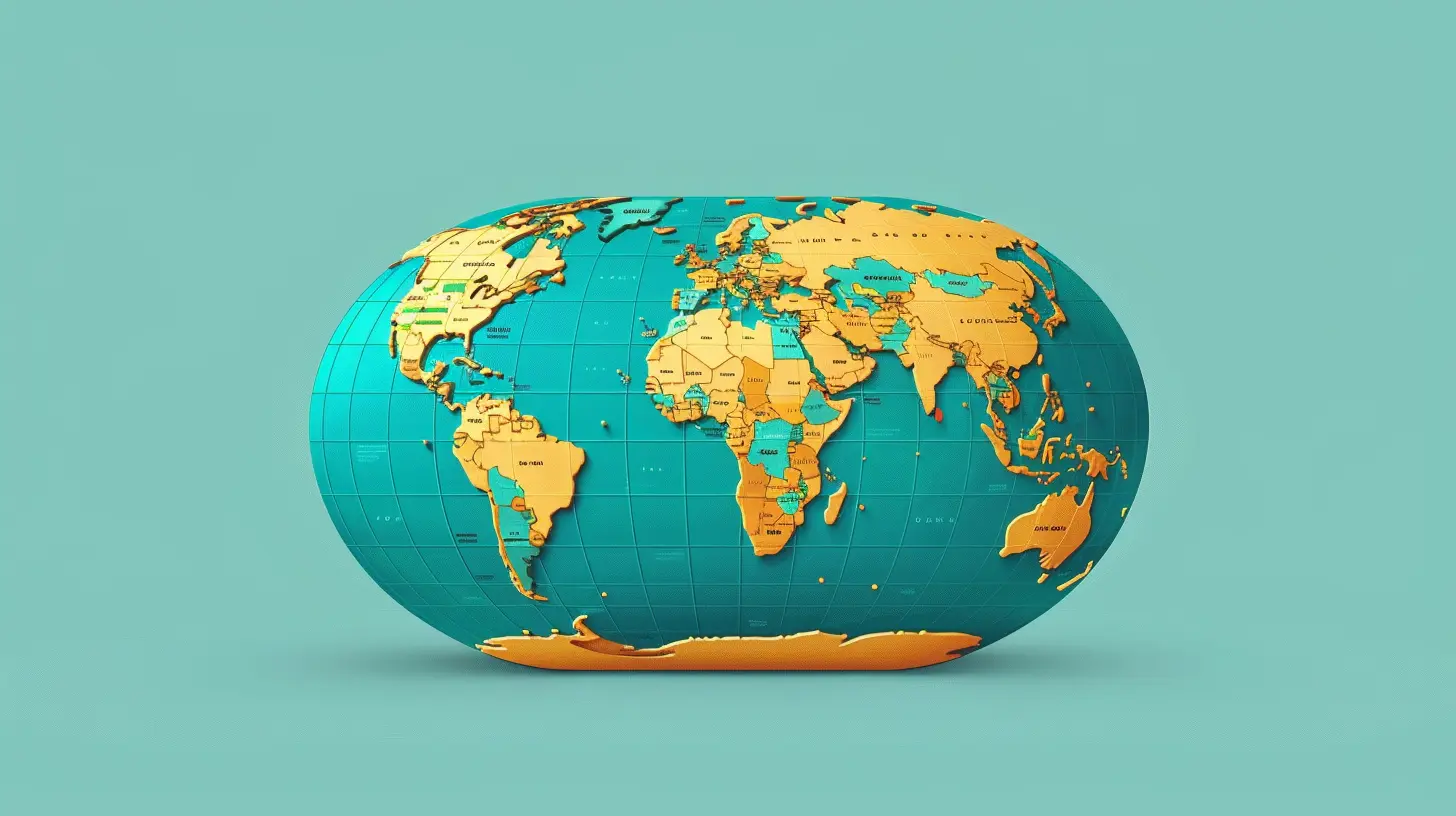
The Challenges of Learning a Second Language in a Globalized World
While globalization has made language learning more accessible, it comes with challenges too.1. Linguistic Dominance and Endangered Languages
As some languages—like English, Spanish, and Mandarin—become global communication tools, smaller languages risk fading away. Many indigenous languages are already endangered because younger generations prioritize learning a more "useful" second language for economic and social benefits.2. Learning the "Right" Second Language
Globalization promotes certain languages over others. For instance, English is often seen as the global business language, while Mandarin is growing in importance due to China’s economic influence. But what happens to other languages?Students often feel pressured to learn a second language based on market trends rather than personal or cultural interests. This can make language learning feel like a chore rather than a meaningful connection to another culture.
3. Cultural Dilution vs. Cultural Exchange
Exposure to multiple languages is fantastic, but it also raises a concern—are we truly understanding cultures, or are we just picking up phrases for convenience?For example, knowing how to order a croissant in flawless French doesn’t mean one understands French culture, history, or values. Globalization sometimes leads to a surface-level grasp of languages rather than deep cultural appreciation.

The Future of Second Language Learning in a Globalized World
So, where does all of this lead us? Will globalization continue to shape second language learning for the better, or will challenges outweigh the benefits?1. AI and Language Learning
With artificial intelligence (AI) evolving rapidly, language barriers may soon become negligible. Apps like Google Translate are getting smarter, and real-time translation devices are improving. But does that mean traditional language learning will become obsolete? Not really.Though AI can assist, human interaction remains key. Machines can’t fully capture linguistic nuances, humor, or cultural depth—the things that make languages truly alive.
2. Bilingual Education and Policy Changes
Many countries are already pushing for bilingual or even trilingual education in schools. Globalization will likely reinforce these trends, making second-language learning a norm rather than an option.Governments and institutions may also introduce policies that promote second language acquisition, especially if it benefits economic growth and international relations.
3. More Personalized Learning Paths
As technology advances, language learning will become increasingly personalized. Apps and online courses already adapt to users' learning styles, but soon, AI might analyze speech patterns, suggest customized lessons, or even create virtual conversation partners.
Final Thoughts
Globalization has made second language learning more relevant than ever. From economic opportunities to cultural exchange, the benefits are undeniable. However, challenges like linguistic dominance and cultural dilution remind us that language learning isn’t just about words—it’s about connections.So, the next time you stream a foreign show, chat with an international friend, or consider learning a new language, remember: every word, every phrase, every sentence is a small step toward a more interconnected world.
all images in this post were generated using AI tools
Category:
Second Language AcquisitionAuthor:

Anita Harmon
Discussion
rate this article
1 comments
Mateo Jennings
Globalization makes language learning exciting and accessible, connecting us with diverse cultures and endless opportunities... what a journey!
July 13, 2026 at 12:20 PM
Anita Harmon
I completely agree! Globalization truly opens doors to new languages and cultures, making the learning experience richer and more engaging. It's amazing how interconnected we all are now.