The Effects of Bilingualism on Cognitive Development
5 August 2026
Have you ever been amazed by someone who effortlessly flips between two (or more) languages mid-conversation? It’s like watching a magic trick, right? But beneath that linguistic juggling act lies something even cooler—real changes in how the brain works. Bilingualism doesn’t just give you the ability to order coffee in Paris or chat with family abroad; it can reshape your brain in ways that affect memory, focus, problem-solving, and even how long your mind stays sharp with age.
So, let’s dive deep into the incredible world of bilingualism and how it affects cognitive development. Whether you're raising bilingual kids, thinking about learning a second language yourself, or just curious, this one’s for you.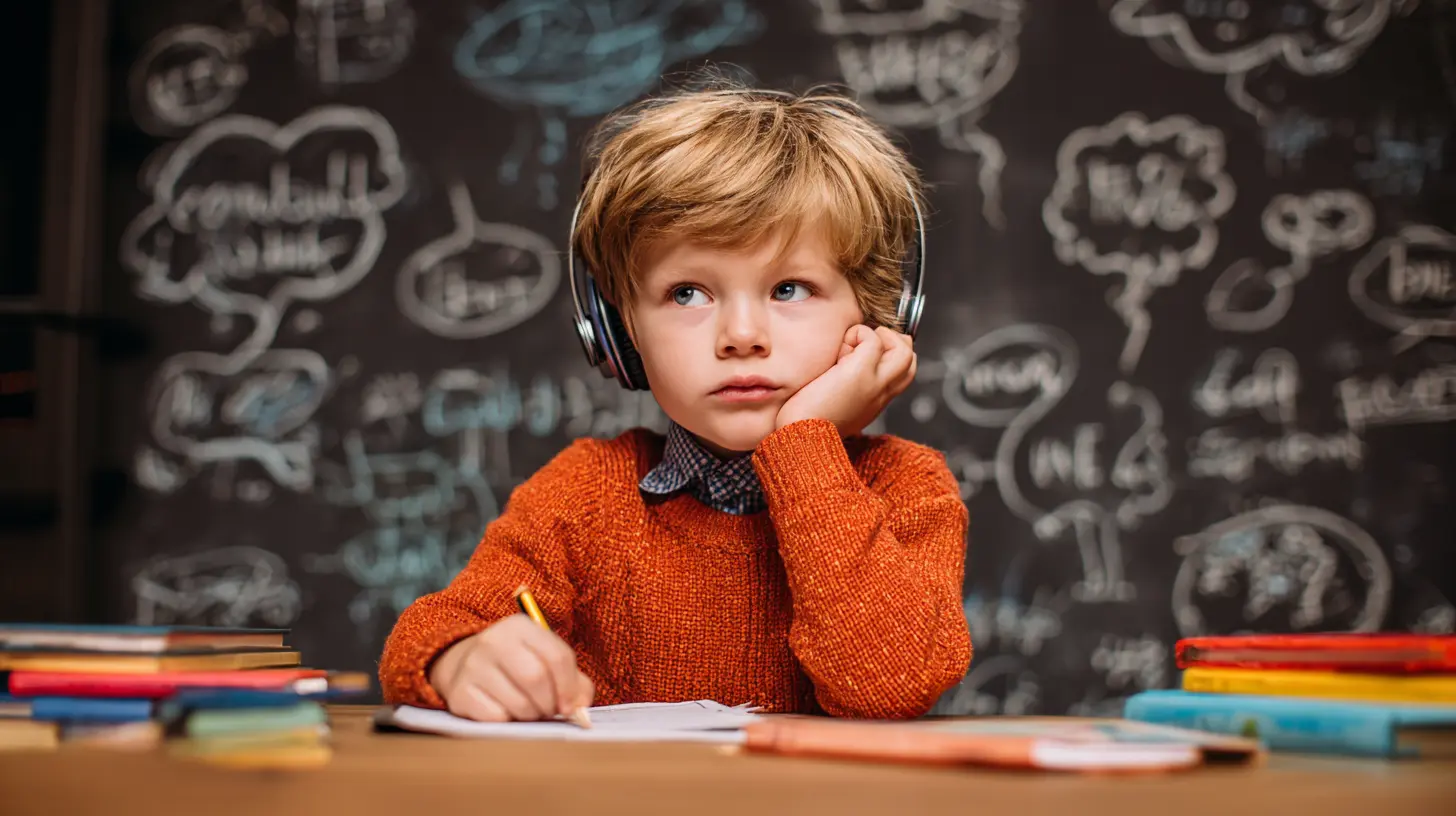
What Is Bilingualism, Exactly?
Alright, let's clear this up first. Bilingualism means being able to understand and use two languages. It could be someone who grew up speaking English at school and Spanish at home. Or maybe someone who picked up French as an adult and can now hold a solid conversation in both.There’s no single way to define a bilingual person. Some are perfectly fluent in both languages, while others use one more than the other. The key point is the ability to switch and understand both. And it doesn’t matter when you start—there are benefits whether you're bilingual from birth or start learning later in life.
A Workout for the Brain ?
Think of your brain like a muscle. The more you challenge it, the stronger it gets. Learning and using two languages is like sending your brain to the gym every day. And trust me, it shows.1. Better Focus and Attention
Here’s where it gets interesting. Bilingual people often outperform monolinguals when it comes to focus. Why? Because their brains are constantly managing two languages. Every time they speak, they’re choosing which language to use and suppressing the other one.This constant filtering builds strong attention control. It’s kind of like tuning out background noise when you’re trying to read. So it’s no surprise that bilinguals are often better at ignoring distractions and staying on task.
2. Improved Problem-Solving Skills
Ever notice how bilingual kids can be wicked good at puzzles? Not just jigsaw ones, but actually figuring out tricky logic problems too. That’s because handling two languages wires the brain for flexibility.They learn quickly that there’s more than one word for the same thing and that different languages organize ideas in different ways. That sets them up to approach problems from multiple angles—a skill that’s like gold in real-world problem solving.
3. Enhanced Memory
Let’s talk memory. Bilinguals tend to have stronger working memory. That’s the kind of memory you use every day—whether you’re remembering directions, following a recipe, or keeping track of tasks at work.Because they’re juggling vocabulary and grammar from two languages, their brains get a regular memory boost. It’s a bit like carrying groceries with one hand—do it long enough, and that arm gets stronger.
Starting Early vs. Picking It Up Later
Okay, so is it better to start learning a second language as a baby or an adult? Honestly, both come with perks.Early Learners Have an Edge in Pronunciation
Kids who grow up bilingual often have native-like accents in both languages. Their brains are just wired for language at that age. They soak it up like sponges without even trying that hard. Plus, they’re better at picking up subtle sounds and tones adults might miss.Late Learners Gain Cognitive Benefits Too
Don’t worry if you didn’t start speaking a second language in diapers—it's never too late. Adults who learn a new language still experience cognitive boosts. It can strengthen memory, delay cognitive decline, and even reduce the risk of things like Alzheimer’s.So whether you're 8 or 80, learning a second language is still one of the best things you can do for your brain.
Bilingualism and Academic Performance
Here’s a question parents often ask: Does being bilingual make kids smarter? Well, while bilingualism itself doesn’t turn someone into a genius overnight, it certainly helps in the classroom.Higher Executive Function
This is the brain’s command center. It includes skills like planning, switching between tasks, and managing time. Bilingual kids often have stronger executive function, which means they might adapt to new information faster, solve logic-based tasks easier, and be more flexible thinkers.Language Arts and Literacy
Now, you’d think managing two languages might confuse kids when learning to read and write. But actually, the opposite is often true. Bilingual children can have a better understanding of how language works in general—things like grammar, sentence structure, and vocabulary.They might take a little longer to hit certain milestones early on, but that’s just temporary. Over time, many bilingual children catch up or even surpass their monolingual peers in reading and writing.
Bilingualism and Emotional Intelligence
This one’s less talked about, but super important. Being able to speak more than one language often means exposure to more than one culture. And that can make bilinguals more empathetic and open-minded.They’re used to seeing the world from different perspectives. And that makes it easier to connect with others, understand their emotions, and even navigate social situations with more sensitivity.
Pretty amazing, right?
Delay in Dementia and Cognitive Decline
This is where things get downright incredible. Research has shown that bilingual people may experience the onset of dementia symptoms 4–5 years later than monolinguals.Why? Because bilingualism builds something called cognitive reserve. Think of it as a mental savings account. The more you challenge your brain during your life, the more reserve you have to draw on when you’re older.
So, speaking two languages isn't just cool—it can literally help keep your mind sharp as a tack well into your golden years.
Common Misconceptions About Bilingualism
Let’s bust a few myths while we’re at it.“Kids Will Get Confused”
Nope. Bilingual children might mix up languages at times, especially early on. But that’s totally normal. It doesn’t mean they’re confused. It just means they’re using all the tools they’ve got to communicate.“It Causes Language Delays”
There’s no solid evidence to show that bilingualism causes delays. In fact, bilingual kids tend to catch up quickly and even surpass their peers in language skills as they get older.“You Have to Be Perfect in Both Languages to Be Bilingual”
Not true at all. You don’t have to be 100% fluent in both. Many bilinguals are stronger in one language than the other, and that’s completely normal.How to Encourage Bilingualism
Thinking of raising a bilingual child or learning a second language yourself? Awesome! Here are a few tips:1. Be Consistent
If you're raising bilingual kids, try using the “one parent, one language” method. Or designate certain times or places for each language (like English at school, Spanish at home). Consistency helps kids know when to use which language.2. Make It Fun
Songs, books, games, and cartoons in the second language can make learning feel like play. Keep it fun, and it won’t feel like a lesson.3. Practice Often
Languages fade without use. So find ways to practice every day—even if it’s just a short conversation or watching a video in your second language.4. Be Patient
Progress might seem slow at first, especially for adult learners. But remember, every word learned is a step toward a healthier brain!Final Thoughts: It’s More Than Just Talking
Bilingualism is about more than switching between languages. It’s about rewiring the brain in amazing ways. From childhood through old age, speaking two languages offers a ton of mental and emotional benefits.Better memory, stronger focus, improved problem-solving, richer cultural understanding, and even protection against cognitive decline—what’s not to love?
So whether you’ve grown up bilingual, are raising bilingual kids, or are diving into a second language yourself—keep at it. Your brain is thanking you already.
all images in this post were generated using AI tools
Category:
Second Language AcquisitionAuthor:

Anita Harmon
Discussion
rate this article
1 comments
Hudson McPherson
This article provides valuable insights into how bilingualism enhances cognitive skills. The research highlights improved problem-solving abilities and increased mental flexibility among bilingual individuals, making a strong case for supporting language learning from an early age for better cognitive growth.
August 12, 2026 at 3:37 AM
Anita Harmon
Thank you for your thoughts! I'm glad you found the research compelling. Supporting early language learning can indeed lead to significant cognitive benefits.