Teaching Global Issues Through a Multicultural Lens
5 November 2026
In our increasingly interconnected world, teaching global issues through a multicultural lens is not just a beneficial approach; it is essential for fostering understanding and empathy among students. Educators are tasked with preparing young minds to confront the challenges of a diverse and complex global landscape. This article delves into the nuances of this teaching method, offering insights, strategies, and practical advice for educators eager to enrich their classrooms.
The Importance of a Multicultural Perspective
Understanding Multiculturalism
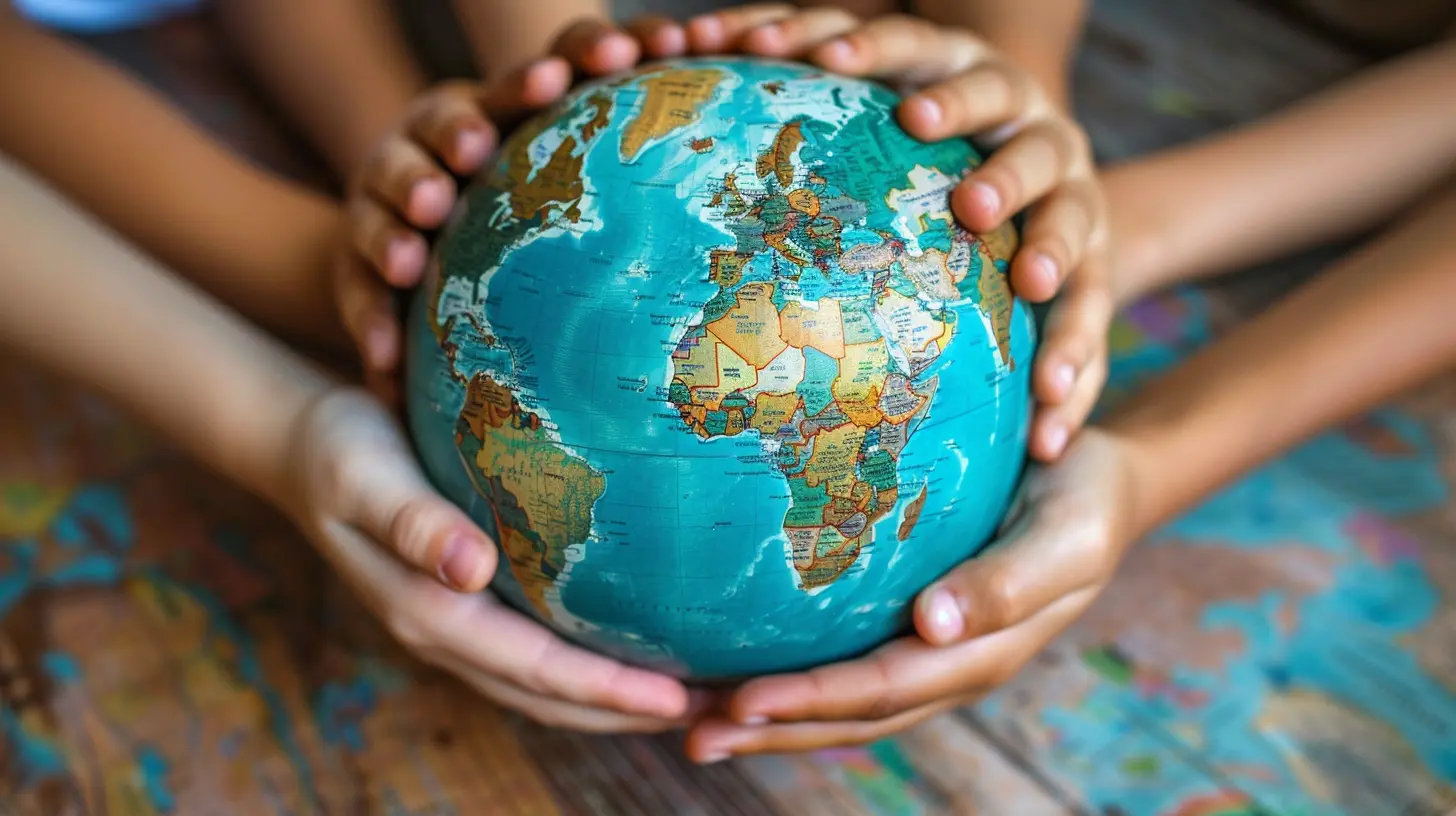
Multiculturalism involves recognizing and valuing the diverse cultural backgrounds of individuals within a society. In education, this perspective is vital because it equips students to navigate a world where people from different cultures interact daily. By incorporating a multicultural lens in teaching global issues, educators can foster a classroom environment that promotes respect, inclusivity, and a broader understanding of diverse perspectives.Why Focus on Global Issues?
Global issues such as climate change, poverty, inequality, and human rights are not confined by borders. They affect people worldwide, making it imperative for students to understand these topics from various viewpoints. A multicultural approach helps students see how global issues impact different communities in distinct ways, fostering empathy and critical thinking.Empathy and Global Citizenship
Teaching global issues through a multicultural lens cultivates empathy, a crucial skill in today's world. By understanding the experiences of others, students can develop a sense of global citizenship. This perspective encourages them to think beyond their immediate surroundings and consider their role in a larger context. When students learn about global issues through the experiences and narratives of diverse cultures, they begin to see themselves as part of a global community.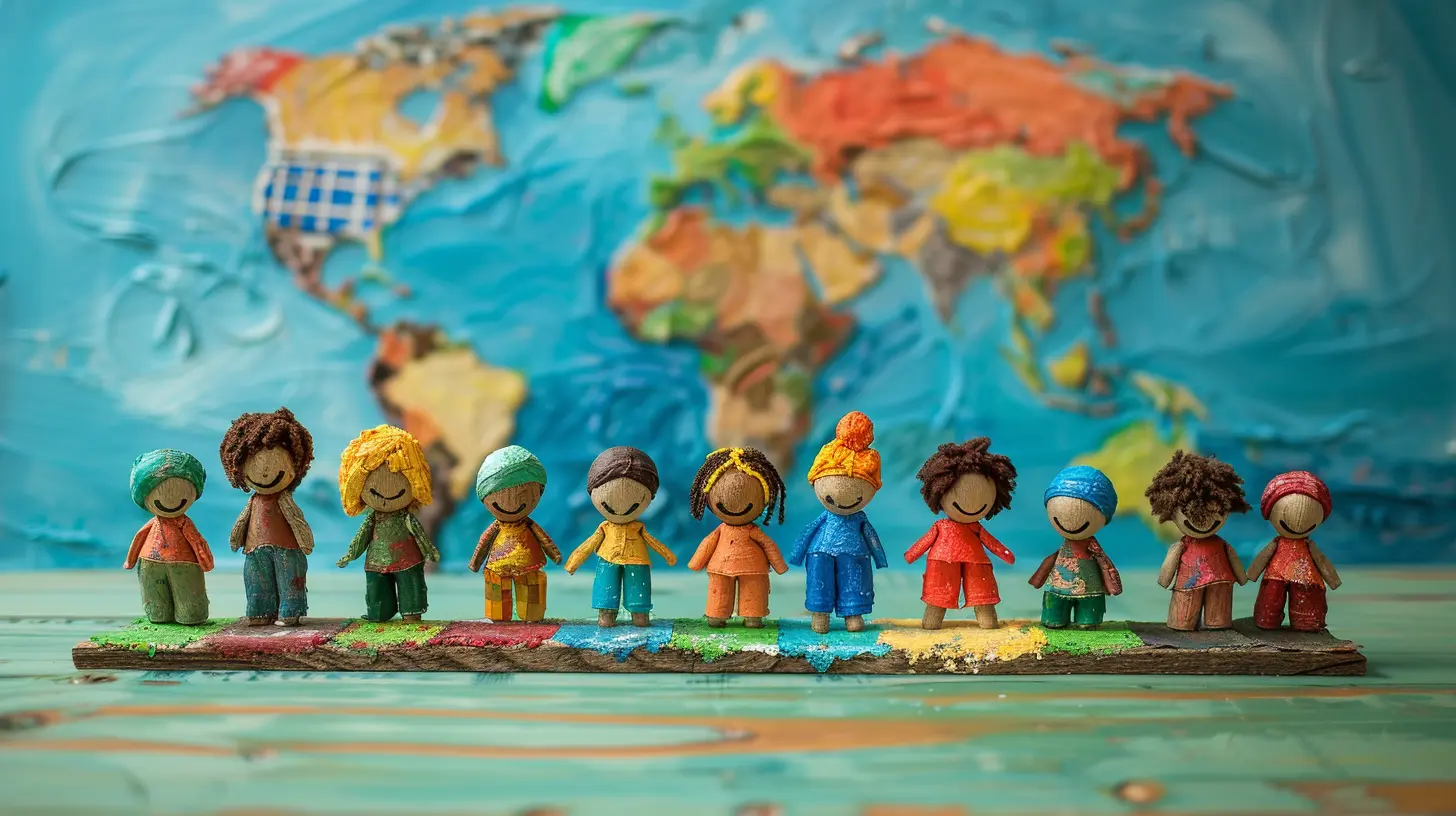
Strategies for Incorporating a Multicultural Lens
Curate Diverse Resources
One of the most effective strategies for incorporating a multicultural perspective in teaching global issues is to curate a diverse range of resources. This includes books, articles, films, and documentaries that represent various cultures and viewpoints. For instance, when discussing climate change, educators can include voices from indigenous communities who have been disproportionately affected by environmental degradation.Encourage Collaborative Learning
Collaborative learning allows students to engage with their peers' perspectives. Group projects can be designed to focus on global issues while incorporating multicultural elements. For example, a project on poverty could involve students researching how different cultures address economic disparities. By working together, students not only share knowledge but also learn to appreciate different approaches to similar problems.Integrate Storytelling
Storytelling is a powerful tool for teaching. It humanizes global issues and makes them relatable. Invite students to share stories from their own backgrounds or those of their families that connect to global themes. For example, students from immigrant families might share experiences related to migration and its impact on their communities. This personal connection can deepen understanding and foster a sense of belonging in the classroom.Use Case Studies
Case studies provide concrete examples of how global issues manifest in different cultural contexts. When discussing human rights, educators can present case studies from various countries, highlighting different struggles and victories. This approach allows students to analyze the effectiveness of various strategies and policies while considering the cultural significance behind them.Facilitate Critical Discussions
Creating a safe space for open dialogue is essential when addressing sensitive global issues. Encourage students to express their thoughts and feelings while ensuring that all voices are heard and respected. Use guiding questions to facilitate discussions, such as "How does this issue affect your community?" or "What solutions have been proposed in different cultures?" These questions prompt critical thinking and encourage students to explore multiple angles.
Real-World Examples of Multicultural Teaching
Climate Change and Indigenous Knowledge
A powerful example of teaching global issues through a multicultural lens is the incorporation of indigenous knowledge in discussions about climate change. Indigenous communities have long understood the intricacies of their local ecosystems, and their traditional practices can offer valuable insights into sustainable living. By highlighting these perspectives, educators can show students that solutions to global problems often lie within diverse cultural practices.Human Rights Advocacy
When teaching about human rights, educators can present various movements across the globe. For instance, discussing the civil rights movement in the United States alongside anti-apartheid activism in South Africa provides students with a comparative understanding of how different cultures have fought for justice. Each movement's unique context enriches the conversation, allowing students to appreciate the global struggle for human rights.Global Health Issues
The COVID-19 pandemic serves as a contemporary case study that demonstrates the importance of a multicultural approach. Different countries implemented various strategies to combat the virus, reflecting their cultural values and healthcare systems. By analyzing these approaches, students can gain insights into how cultural context influences public health decisions and outcomes.
Common Mistakes to Avoid
Oversimplification of Cultures
One common mistake educators make is oversimplifying cultures. It is crucial to avoid stereotypes and generalizations. Each culture is complex and multifaceted, and reducing it to a single narrative can lead to misunderstandings. When teaching global issues, ensure that students learn about the diversity within cultures rather than viewing them as monolithic.Neglecting Local Contexts
While it is important to teach global issues, educators should not neglect the local context. Students need to understand how global issues manifest in their own communities. Connecting global themes to local realities helps students see the relevance of their studies and encourages them to become active participants in addressing these issues.Lack of Student Agency
Empowering students to take charge of their learning is vital. If educators dictate every aspect of the discussion, students may feel disengaged. Instead, provide opportunities for students to choose topics, lead discussions, and express their opinions. This approach not only promotes ownership of their learning but also fosters critical thinking and analytical skills.Best Practices for Educators
Continuous Professional Development
Educators should engage in continuous professional development to stay informed about global issues and multicultural education. Workshops, conferences, and online courses can provide valuable resources and strategies for effectively teaching these topics. Staying current allows educators to bring fresh perspectives into the classroom.Create Inclusive Curriculum
An inclusive curriculum reflects the diversity of the students and the world they inhabit. Incorporate materials and texts from various cultures and authors. This not only enriches the learning experience but also validates the identities of all students. When students see themselves represented in the curriculum, their engagement and motivation increase.Build Community Partnerships
Building partnerships with local organizations can enhance the learning experience. Invite guest speakers from diverse backgrounds to share their experiences related to global issues. Local organizations can provide resources, support, and real-world connections to the topics being studied. This collaboration helps bridge the gap between classroom learning and community engagement.Assess Cultural Competence
Finally, educators should assess their cultural competence regularly. This includes being aware of their biases, understanding their own cultural backgrounds, and reflecting on how these factors influence their teaching. Seeking feedback from students can provide valuable insights into how effectively multicultural perspectives are being integrated into the curriculum.
Conclusion
Teaching global issues through a multicultural lens is not just an educational approach; it is a necessity in a world that is more interconnected than ever. By incorporating diverse perspectives, educators can cultivate empathy, critical thinking, and a sense of global citizenship among their students. Through curated resources, collaborative learning, storytelling, and critical discussions, teachers can create a rich and engaging learning environment.As educators, the responsibility lies in not only imparting knowledge but also in inspiring the next generation to be informed, compassionate, and proactive citizens of the world. By embracing a multicultural approach, we equip students with the tools they need to navigate and address the complexities of global issues, ultimately contributing to a more just and equitable world.
all images in this post were generated using AI tools
Category:
Multicultural EducationAuthor:

Anita Harmon