Supporting Gifted Students with Learning Disabilities
17 December 2025
Gifted students with learning disabilities (often termed "twice-exceptional" or "2e" students) face unique challenges. They have incredible potential, but their learning disabilities can mask their abilities, making it difficult for educators and parents to provide the right support.
So how do we help these kids thrive? Let's dive into the strategies and approaches that can make a world of difference.
Understanding Twice-Exceptional (2e) Students
A twice-exceptional student is both academically gifted and has a learning disability. These disabilities may include:- Dyslexia (difficulty with reading)
- Dyscalculia (difficulty with math)
- Dysgraphia (difficulty with writing)
- ADHD (attention deficit hyperactivity disorder)
- Autism Spectrum Disorder (ASD)
Because they are both gifted and have learning challenges, they often go unnoticed. Some may be labeled as "lazy" or "underachievers" because their talents and difficulties cancel each other out in the eyes of teachers.
Challenges Faced by Gifted Students with Learning Disabilities
These students often feel misunderstood. On one hand, they grasp complex concepts quickly; on the other, they might struggle with basic tasks like writing a sentence or focusing on a lesson. Here are the main obstacles they face:1. Inconsistent Performance
A 2e student may excel one day and struggle the next. This inconsistency can lead to frustration for both the student and the teacher.2. Low Self-Esteem and Anxiety
Since they experience both success (because of their giftedness) and failure (due to their disability), they may develop anxiety and low self-confidence.3. Misidentification or Underdiagnosis
Schools may only notice one side of their abilities. A gifted student might not receive help for their disability, while a struggling student might never be recognized for their talents.4. Social and Emotional Challenges
They may feel different from their peers and struggle with social interactions as they attempt to "fit in."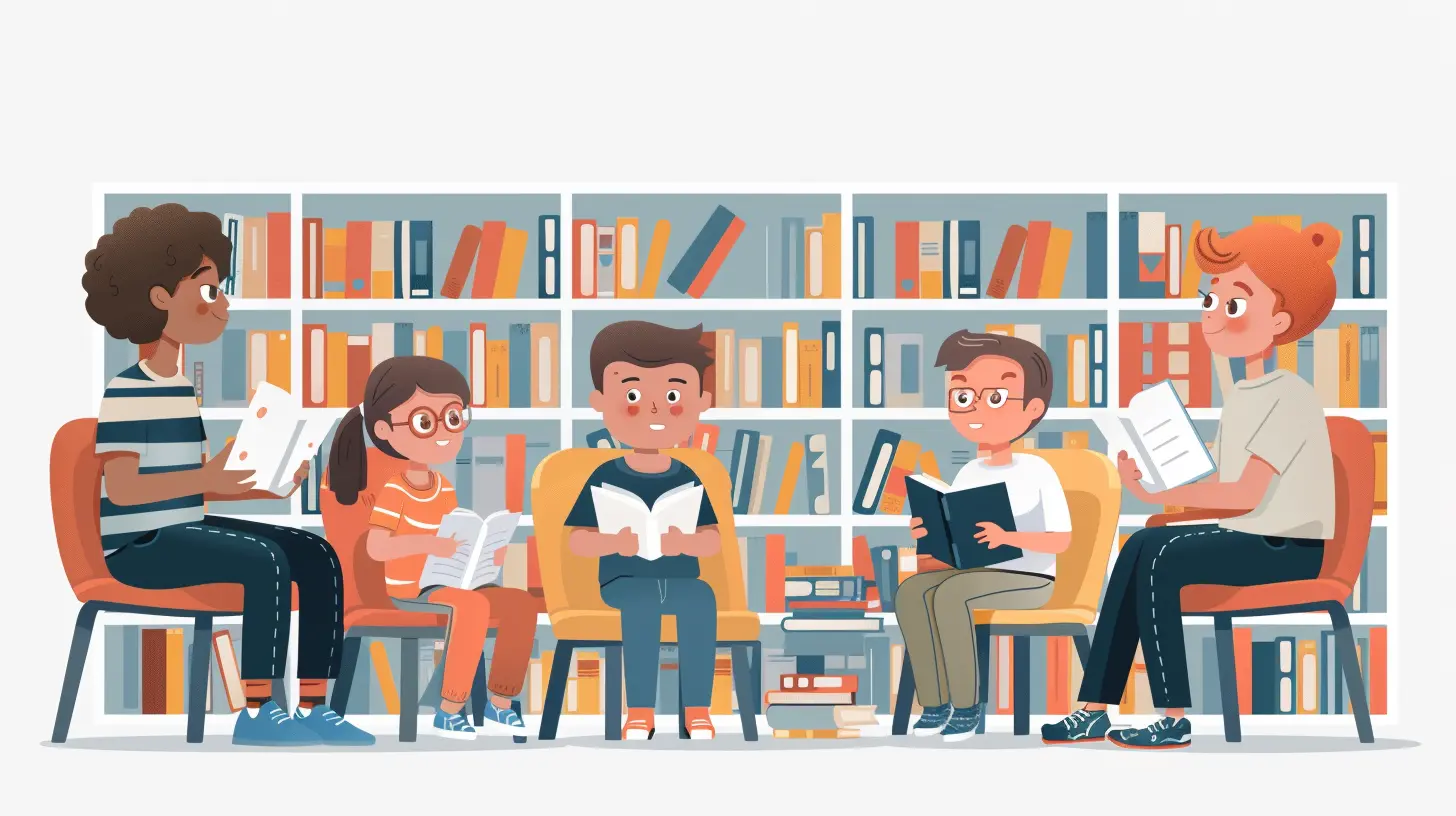
The Best Strategies to Support Twice-Exceptional Students
So, how can educators, parents, and schools help these students reach their full potential? Here are some effective approaches:1. Individualized Education Plans (IEPs) and 504 Plans
If a student has a diagnosed learning disability, they may qualify for an IEP or a 504 Plan, which can provide accommodations like:- Extra time on tests
- Alternative ways to demonstrate knowledge (e.g., oral reports instead of written ones)
- Assistive technology (like speech-to-text software)
2. Differentiated Instruction
Not every student learns in the same way. Teachers should adapt their instruction to accommodate different learning styles. Some useful methods include:- Project-based learning for hands-on engagement
- Visual aids for students who struggle with text
- Recorded lectures for those who have trouble with note-taking
3. Strength-Based Learning
Instead of focusing on what a child can't do, highlight what they can do. If a student excels in verbal skills but struggles with writing, let them record their ideas before putting them on paper.4. Assistive Technology
Technology can be a game-changer for 2e students. Some helpful tools include:- Text-to-Speech Software (for students with dyslexia)
- Speech-to-Text Software (for those who struggle with writing)
- Organizational Apps (to help manage ADHD-related difficulties)
5. Encouraging Self-Advocacy
Teaching self-advocacy skills helps 2e students take control of their learning. They should feel confident enough to ask for accommodations when needed.Ways to encourage self-advocacy:
- Teach them to identify their strengths and weaknesses
- Help them practice communication skills
- Encourage them to participate in creating their learning plans
6. Emotional and Social Support
Because 2e students may struggle with self-esteem, fostering an environment of understanding and encouragement is crucial. Some ways to do this include:- Peer mentoring programs where students can connect with others facing similar challenges
- Counseling and therapy to help them navigate social and emotional struggles
- Growth mindset practices to encourage perseverance despite difficulties
7. Flexible Learning Environments
Rigid classroom structures can be tough for 2e students. A flexible environment that allows movement, choice, and individualized pacing can make a huge difference.- Offer alternative seating options
- Allow for breaks and movement
- Provide multiple ways to engage with materials (videos, discussions, hands-on activities)
Why Early Identification is Crucial
The sooner a 2e student is identified, the faster they can get the support they need. Unfortunately, many go undiagnosed for too long because their strengths often compensate for their weaknesses.Signs to Look For
If a student:- Shows advanced problem-solving skills but struggles with basic reading or writing
- Has a deep curiosity but avoids certain academic tasks
- Displays a strong vocabulary but has difficulty getting thoughts on paper
- Gets frustrated or anxious about schoolwork despite obvious intelligence
Then they might be 2e and need further evaluation.
The Role of Parents and Educators
Supporting 2e students is a team effort. Both parents and educators must work together to ensure the child thrives.For Parents
- Advocate for your child in school meetings- Provide encouragement and remind them that their struggles don’t define them
- Seek professional evaluations if you suspect learning difficulties
- Create a supportive home environment that fosters strengths and accommodates weaknesses
For Educators
- Recognize that intelligence doesn’t mean perfection- Use diverse instructional strategies to cater to different learning needs
- Collaborate with special education teams to develop the best plan for the student
- Be patient and understanding—these students often feel frustrated and need encouragement
Final Thoughts
Twice-exceptional students may face unique challenges, but with the right support, they can excel beyond expectations. By fostering their strengths while addressing their learning difficulties, we empower them to reach their full potential.Teachers, parents, and schools all have a role in ensuring these bright but struggling students don’t slip through the cracks. Every child deserves the opportunity to shine—no matter how complex their learning journey may be.
all images in this post were generated using AI tools
Category:
Special EducationAuthor:

Anita Harmon
Discussion
rate this article
2 comments
Aleta Good
This article offers valuable insights into the unique challenges faced by gifted students with learning disabilities. By fostering an inclusive educational environment and implementing tailored support strategies, we can empower these learners to thrive. Thank you for shedding light on this important topic and encouraging educators to embrace diverse learning needs.
January 14, 2026 at 5:38 AM
Anita Harmon
Thank you for your thoughtful comment! I'm glad you found the insights valuable and I agree that fostering inclusivity is crucial for empowering all learners.
Patience McNeil
Unlocking hidden potential: How do we nurture brilliance shrouded in challenges? Discover the delicate balance between giftedness and learning differences.
December 24, 2025 at 3:52 AM
Anita Harmon
Thank you for your insightful comment! Nurturing brilliance amid challenges involves tailored support and understanding, allowing gifted students with learning disabilities to thrive by embracing their unique strengths while addressing their needs.