Supporting Diverse Learning Styles Through Cultural Relevance
25 November 2026
In an increasingly interconnected world, the importance of addressing diverse learning styles through cultural relevance has never been more pronounced. Education is not a one-size-fits-all endeavor; it demands an understanding of the varied backgrounds, experiences, and perspectives that students bring to the classroom. This article delves into the ways educators can support diverse learning styles by embedding cultural relevance into their teaching practices, thus fostering an inclusive environment that nurtures all students.
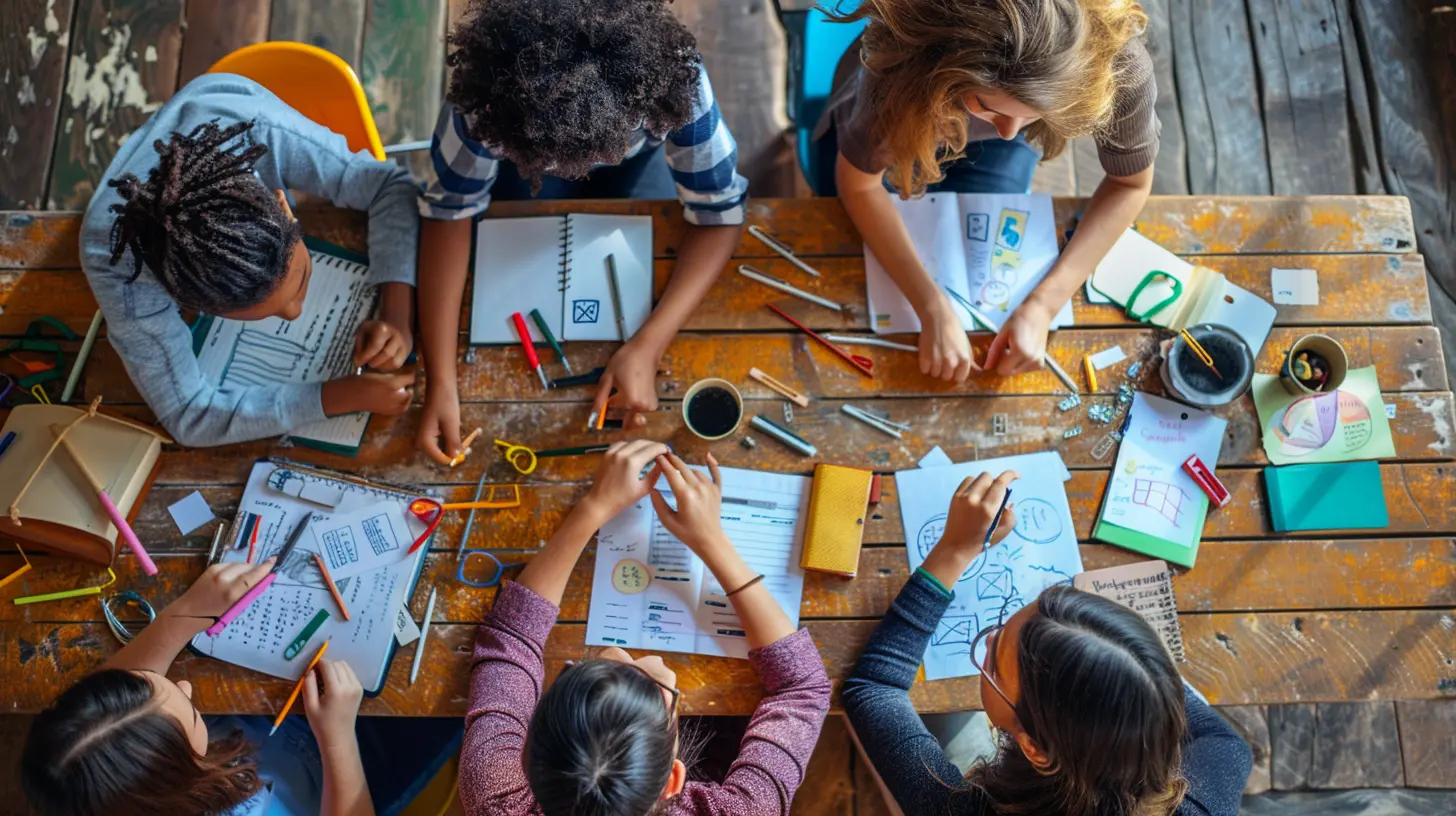
Understanding Diverse Learning Styles
Before we can effectively support diverse learning styles, we need to understand what they are. Learning styles refer to the preferred ways in which individuals absorb, process, and retain information. While theories such as Howard Gardner's Multiple Intelligences and David Kolb's Learning Styles suggest a range of modalities, it is vital to recognize that learning is inherently complex and influenced by cultural context.Key Learning Style Theories
1. Multiple Intelligences: Gardner identifies eight distinct intelligences, including linguistic, logical-mathematical, spatial, and interpersonal. Each intelligence represents a different way of engaging with knowledge.2. Kolb's Learning Styles: This model categorizes learners into four types: converging, diverging, assimilating, and accommodating, based on how they prefer to experience and reflect on learning.
3. VARK Model: This model classifies learners based on their preferences for visual, auditory, reading/writing, and kinesthetic modes of information processing.
The Impact of Culture on Learning Styles
Cultural background significantly influences how students learn. For instance, students from collectivist cultures may thrive in collaborative settings, while those from individualistic cultures might excel in independent tasks. Understanding these nuances is crucial for educators aiming to connect with their students.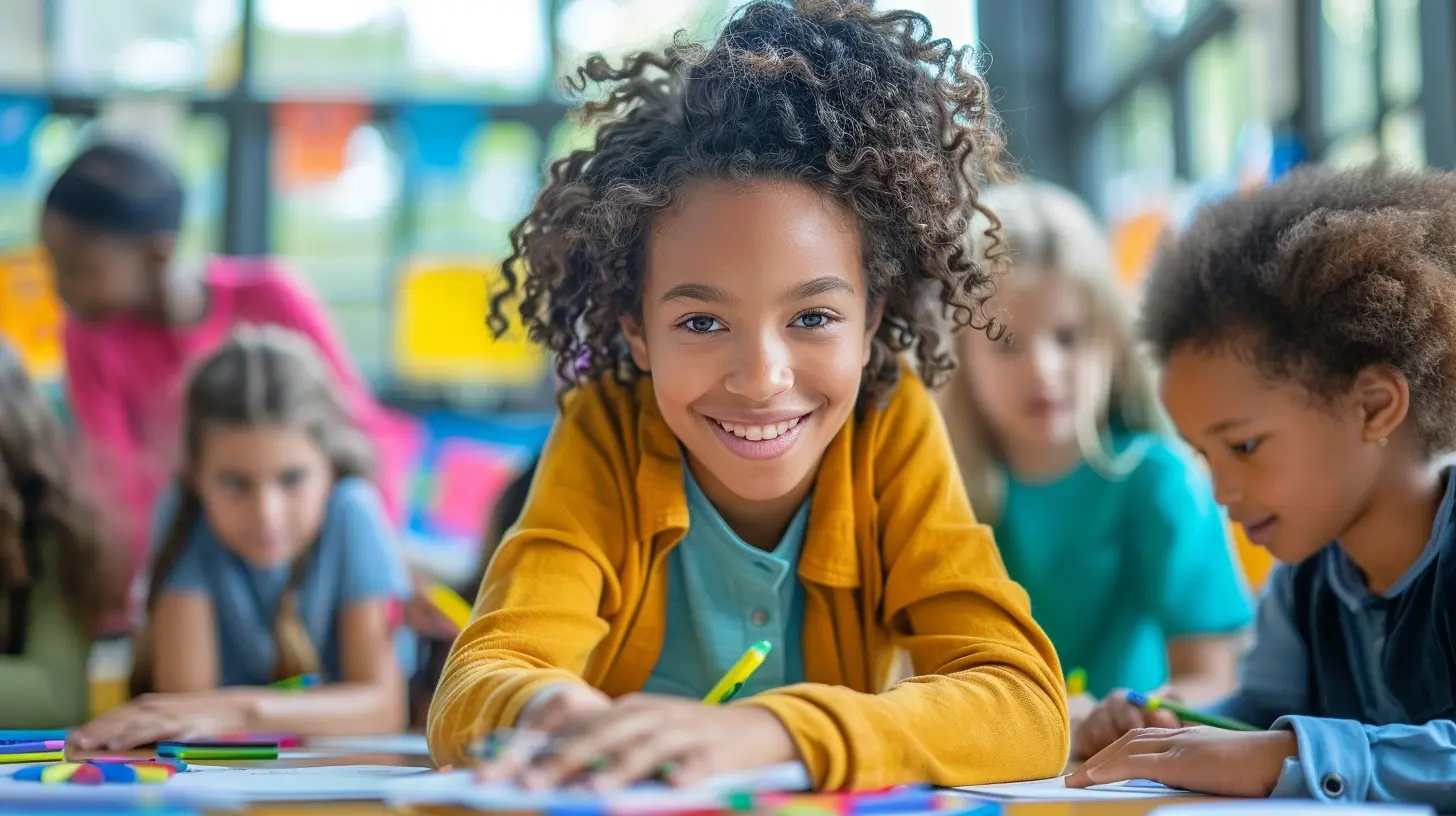
The Role of Cultural Relevance in Education
Cultural relevance involves integrating students' cultural backgrounds into the curriculum. This approach not only enhances engagement but also validates students' experiences, making them feel seen and valued. Here are several reasons why cultural relevance is essential in education:1. Fostering Engagement
When students see their cultures reflected in the curriculum, they are more likely to engage actively. For example, incorporating literature from diverse authors or historical perspectives relevant to students' backgrounds can spark interest and promote deeper learning.2. Enhancing Understanding
Culturally relevant teaching promotes understanding among peers. When students learn about each other's cultures, they develop empathy and appreciation for diversity, fostering a supportive classroom environment.3. Validating Experiences
Students often feel marginalized when their cultural identities are overlooked. By incorporating cultural relevance, educators validate students' experiences, boosting their self-esteem and motivation.
Practical Strategies for Supporting Diverse Learning Styles
Implementing culturally relevant practices requires thoughtful planning and execution. Below are practical strategies educators can adopt to support diverse learning styles effectively:1. Integrate Culturally Relevant Curriculum
Selecting texts, resources, and materials that reflect the diverse cultures of the student population is fundamental. For instance, including authors from various backgrounds in a literature class not only enriches the curriculum but also provides multiple perspectives on universal themes.2. Encourage Collaborative Learning
Group projects and discussions can be designed to leverage diverse cultural perspectives. For example, assigning students to work in diverse groups on a project allows them to share their insights and learn from one another. This approach promotes teamwork while respecting individual learning preferences.3. Use Varied Instructional Strategies
Incorporate a mix of teaching methods to cater to different learning styles. Visual aids, hands-on activities, and storytelling can engage various learners. For example, a history lesson might include timelines (visual), discussions (auditory), and reenactments (kinesthetic) to address multiple modalities.4. Foster a Safe and Inclusive Environment
Creating a classroom atmosphere where all students feel safe to express their cultural identities is crucial. Establishing ground rules for respectful dialogue allows students to share their experiences and opinions without fear of judgment.5. Engage Families and Communities
Building partnerships with families and communities can enhance the learning experience. Engaging parents in curriculum decisions or inviting community members to share their expertise can enrich the educational process. For example, a math class could include a project where students analyze local businesses, incorporating real-world applications of math in a culturally relevant context.
Real-World Examples of Culturally Relevant Practices
Example 1: A Multicultural Literature Unit
Consider a high school English class that designs a unit around multicultural literature. The teacher selects texts from authors of various ethnic backgrounds, allowing students to explore themes of identity, conflict, and belonging. The unit culminates in a creative project where students choose a cultural perspective to present, fostering their unique voices while reinforcing the curriculum's relevance.Example 2: Science Through a Cultural Lens
In a science class, a teacher introduces environmental science concepts by discussing local Indigenous practices related to land stewardship. This approach not only highlights the importance of cultural knowledge in scientific inquiry but also engages students who may identify with those practices, bridging their cultural experiences with academic learning.Comparing Approaches: Culturally Relevant Versus Traditional Teaching
While traditional teaching often adheres to a fixed curriculum, culturally relevant teaching is fluid and adaptable. Here are some key differences:| Aspect | Culturally Relevant Teaching | Traditional Teaching |
|--------|------------------------------|---------------------|
| Curriculum | Inclusive of diverse perspectives | Standardized, often Eurocentric |
| Student Engagement | High, as students see their cultures reflected | Varies, often low for marginalized groups |
| Learning Environment | Collaborative and respectful | Competitive and individualistic |
| Instructional Methods | Varied to match diverse learning styles | Often lecture-based and uniform |
Advantages and Disadvantages
Culturally relevant teaching offers numerous advantages, including increased student engagement and improved academic outcomes. However, it also presents challenges. Teachers may struggle with resistance to change from traditional practices or fear of misrepresenting cultures. To navigate these issues, ongoing professional development and open communication with students and families are essential.
Common Mistakes to Avoid
Educators must be mindful of several common pitfalls when implementing culturally relevant practices:1. Overgeneralizing Cultures
Assuming that all students from a particular culture share the same experiences can lead to stereotypes. It's important to recognize the diversity within cultural groups and engage students in discussions about their unique backgrounds.2. Tokenism in Curriculum
Simply adding a few diverse texts without context or discussion does not constitute a culturally relevant curriculum. Instead, it is vital to integrate these materials thoughtfully, connecting them to broader themes and encouraging critical analysis.3. Ignoring Student Voices
Failing to solicit input from students about their cultural identities can undermine efforts to create a relevant curriculum. Regularly inviting students to share their experiences and preferences can help tailor the learning experience to their needs.Best Practices for Implementation
To successfully integrate culturally relevant practices, consider the following best practices:1. Continuous Learning
Educators should engage in ongoing professional development focused on cultural competence and diversity. Workshops, reading groups, and collaborative planning can enhance understanding and foster a community of practice.2. Reflective Practice
Regularly reflecting on instructional practices and student feedback can help educators assess their effectiveness in supporting diverse learning styles. Journaling or peer discussions can be valuable tools for reflection.3. Collaboration with Colleagues
Working with colleagues to share resources, strategies, and experiences can amplify the impact of culturally relevant teaching. Team teaching or co-planning units can also provide a richer learning environment for students.
Conclusion
Supporting diverse learning styles through cultural relevance is not merely an educational strategy; it is a commitment to equity and inclusion. By intentionally integrating students' cultural backgrounds into the curriculum, educators can create engaging and meaningful learning experiences that resonate with all students. This approach fosters a sense of belonging and empowers learners to thrive academically and personally. As we navigate an increasingly diverse society, the responsibility lies with educators to ensure that every student feels valued and inspired to succeed.
all images in this post were generated using AI tools
Category:
Multicultural EducationAuthor:

Anita Harmon