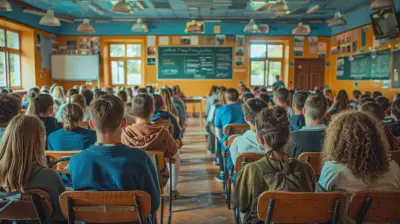
Preparing Teachers for the Future of Education
12 February 2026
Imagine a classroom where artificial intelligence helps tailor lessons to each student’s pace, where augmented reality brings ancient civilizations to life, and where students connect with peers around the globe in real-time. This isn't just a glimpse of a fantasy — it's the direction education is heading. But here's the catch: if we want to make this vision a reality, our teachers need to be ready. That means rethinking how we train, support, and empower educators today, so they can confidently lead the classrooms of tomorrow.

Why the Future of Education Demands a New Kind of Teacher
Let’s face it — the world is changing faster than ever. Technology is reshaping industries, jobs are evolving, and students are growing up in a hyper-connected world. Traditional teaching methods just don’t cut it anymore. Teachers are no longer just information providers; they’re facilitators, mentors, tech integrators, and even emotional support systems.So, the big question is: how do we prepare teachers for such a dynamic, unpredictable future?
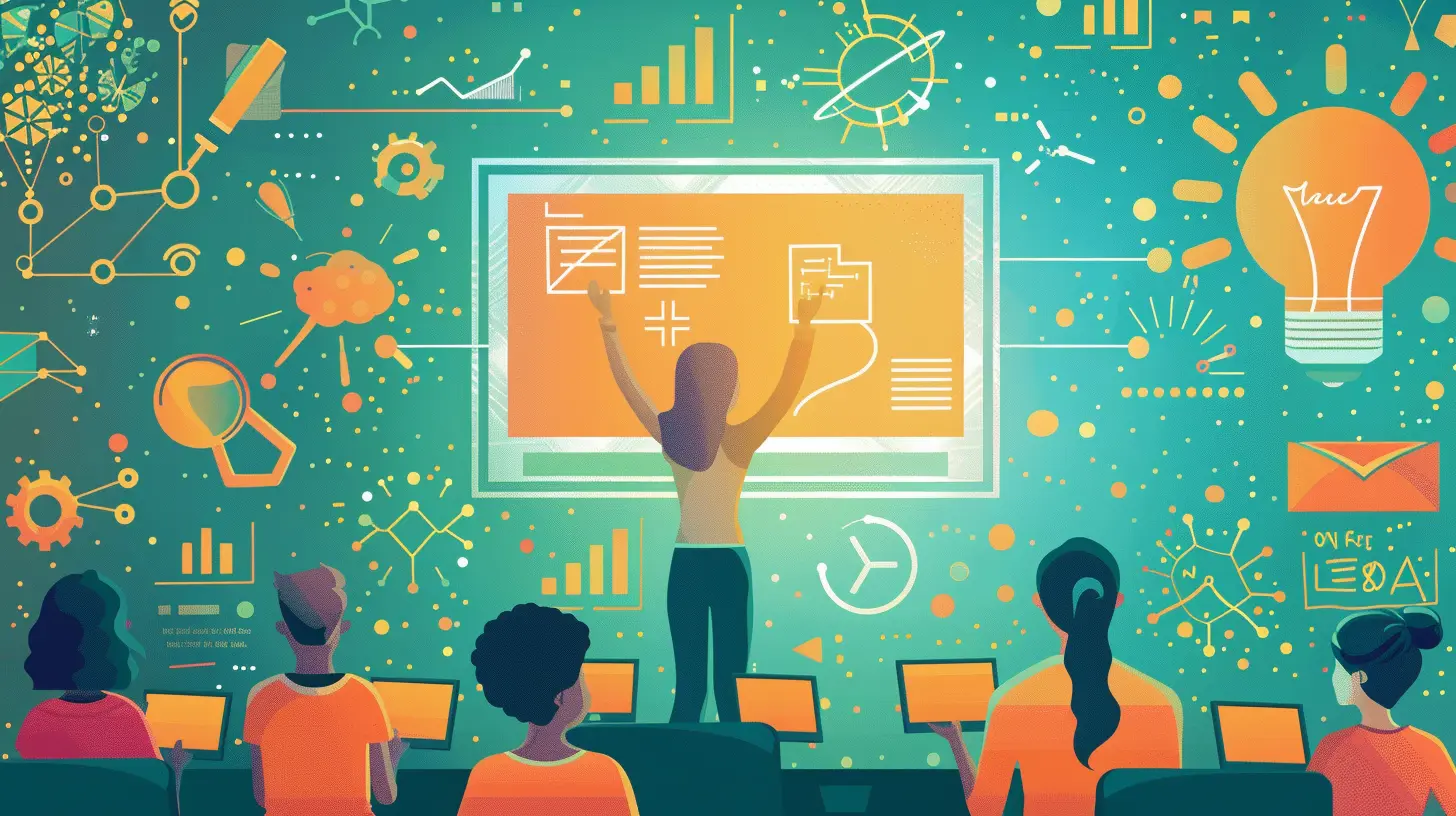
Embracing a Growth Mindset in Teacher Training
First things first — we need to stop treating teacher training like a one-and-done kind of deal. Gone are the days when a single degree could take a teacher through a 30-year career. The future demands lifelong learners.What Does That Look Like?
- Ongoing professional development: Workshops, webinars, and certifications that evolve with the times.- Mentorship programs: Pairing new educators with seasoned mentors to speed up their learning curve.
- Learning communities: Spaces (both physical and online) where teachers collaborate, share strategies, and stay inspired.
By normalizing continuous learning, we’re not just helping teachers adapt — we’re fostering a culture where they thrive.
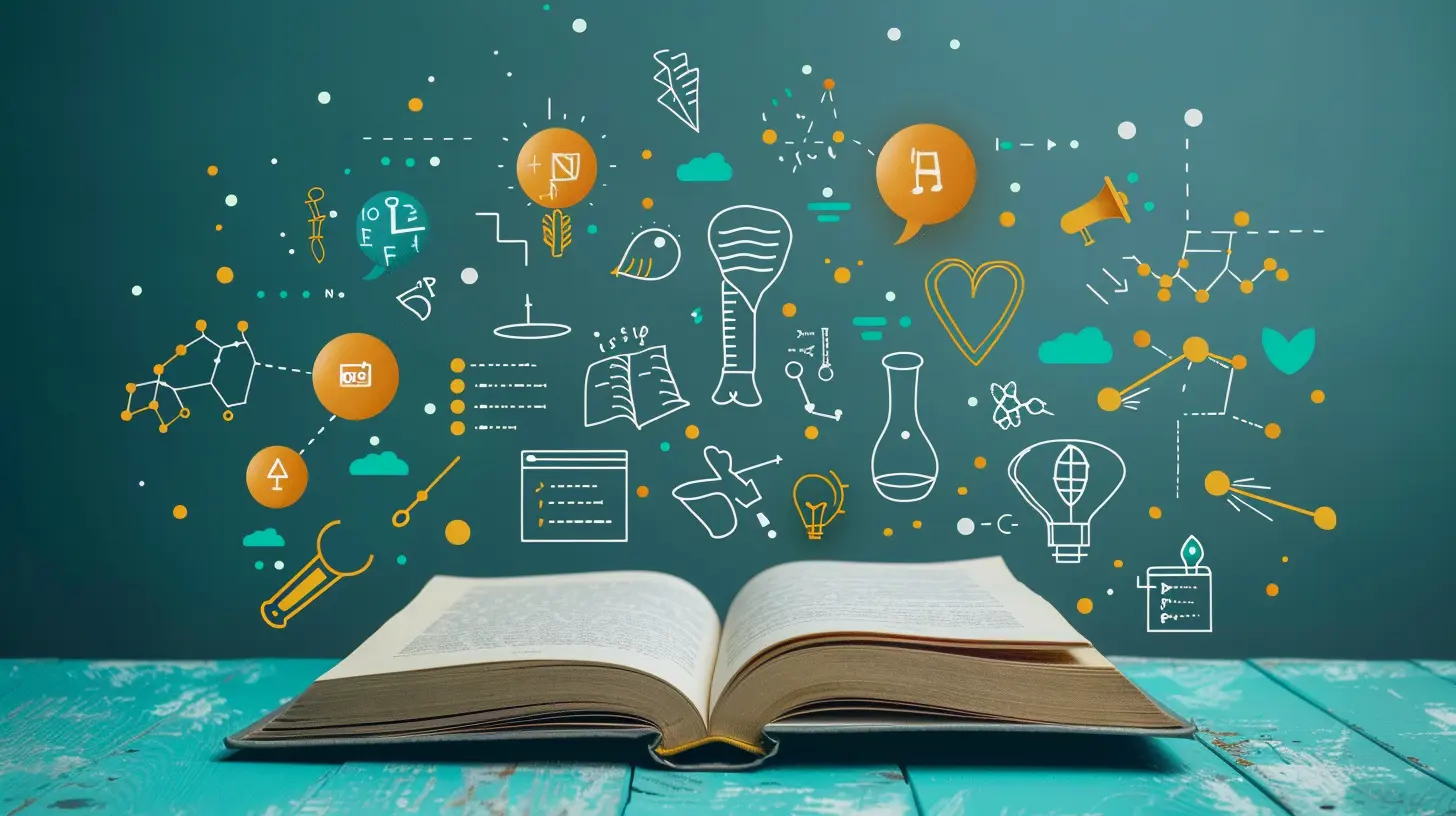
Tech-Savvy Teachers: More Than Just Clicking Buttons
We talk a lot about integrating tech into classrooms, but here’s the truth — simply handing teachers a new tool won’t magically transform the learning experience. It’s like giving someone a piano and expecting them to compose a symphony without ever learning music theory.What Teachers Really Need
- Digital literacy training: Not just how to use tools, but how to evaluate them, troubleshoot, and choose the right one for a specific learning objective.- Blended learning strategies: Understanding how to combine traditional teaching with digital resources effectively.
- Data interpretation skills: Using analytics to understand student progress and tweak instruction accordingly.
The goal isn't just to use technology — it’s to use it wisely, creatively, and with purpose.

Emotional Intelligence: Teaching the Human Side of Learning
Here's something we often overlook: schools aren't just places of academic growth but emotional development too. With rising rates of anxiety, depression, and stress among students, emotional intelligence in teachers is more crucial than ever.Building Soft Skills in Educators
- Empathy and active listening: These aren't just nice-to-have qualities; they're essential for building trust and rapport.- Conflict resolution: Helping students navigate disagreements and emotional outbursts constructively.
- Mindfulness and well-being: Teachers who practice self-care are better equipped to support others.
If we want emotionally healthy classrooms, we need emotionally prepared teachers.
Cultural Competence: Teaching in a Diverse World
Classrooms today are melting pots of cultures, backgrounds, languages, and learning styles. A one-size-fits-all approach doesn’t work anymore.How Teachers Can Build Cultural Awareness
- Training in inclusive pedagogy: Understanding how to create equity in learning for students of all backgrounds.- Language sensitivity: Embracing multilingualism and recognizing language barriers.
- Bias training: Learning to identify and confront unconscious biases.
Cultural competence isn't just about awareness — it’s about adapting teaching to celebrate differences without compromising academic expectations.
The Rise of Personalized Learning and Adaptive Teaching
Thanks to AI and machine learning, personalized learning is no longer a distant dream. Students can now follow custom learning paths that suit their abilities, interests, and pace. But these technologies are only as effective as the teachers guiding them.Why Teachers Still Matter in a Tech-Driven Model
- Customization requires judgment: Teachers interpret data and make human decisions that algorithms can’t.- Emotional support and motivation: No AI can replace a pat on the back or a well-timed pep talk.
- Creative lesson design: Teachers can weave together tech tools, storytelling, and hands-on activities for maximum engagement.
Teachers must be empowered as designers of learning experiences, not just users of tools.
Future-Ready Teacher Programs: What Needs to Change?
So, what does all this mean for teacher preparation programs? Quite a bit, actually. Most traditional programs were built for a different era. It’s time for a radical revamp.Key Changes We Need Now
1. Interdisciplinary learning: Teaching future educators to blend STEM with arts, social studies with tech, and more.2. Real-world classroom simulations: Using VR or real-time observation tools to help pre-service teachers navigate actual classroom challenges before they’re on the job.
3. Collaboration with industry: Partnering with edtech companies, psychologists, and policymakers to offer well-rounded training.
4. Early and frequent practicum: Giving student-teachers more classroom exposure earlier in their training.
The focus should shift from memorizing pedagogy theories to mastering the real skills needed in today’s classrooms.
The Role of School Leadership in Teacher Readiness
Let’s not leave school leaders out of this conversation. Principals, department heads, and administrators play a massive role in shaping teacher success.How Leaders Can Support Future-Ready Teaching
- Creating a culture of innovation: Encouraging experimentation and rewarding creative teaching.- Offering meaningful feedback: Not just performance reviews, but constructive conversations that help teachers grow.
- Prioritizing teacher wellness: Flexible schedules, mental health resources, and recognition can go a long way.
Empowered teachers start with empowered leadership.
Bridging the Gap Between Education Policy and Classroom Reality
One major hurdle in preparing teachers for the future? Policy. Too often, decisions are made in boardrooms far removed from the everyday challenges of teaching.How to Align Policy with Practice
- Involving teachers in decision-making: Who better to shape policy than the people it directly affects?- Funding for innovation: Schools need more than mandates — they need money to implement modern solutions.
- Accountability with flexibility: Yes, we need standards, but we also need room for teachers to innovate and take risks.
When policy supports rather than stifles progress, everyone wins.
The Global Perspective: What Can We Learn from Others?
The future of education isn’t confined to one country. Around the world, innovative teacher training models are reshaping how educators prepare for the future.International Best Practices Worth Embracing
- Finland’s teacher autonomy: Giving educators the trust and freedom to teach in student-centered ways.- Singapore’s strong mentorship: Structured programs that pair new teachers with veterans for year-long guidance.
- Canada’s emphasis on inclusivity: Training teachers across provinces to support diverse learners effectively.
Looking beyond our borders helps us adopt practices that truly work.
Conclusion: Teachers Are the Cornerstones of Future Learning
Here’s the bottom line. Fancy tech, modern curriculums, and shiny classrooms won't matter if the person at the front of the room isn’t empowered, equipped, and inspired. Preparing teachers for the future of education isn’t just a side project — it should be our top priority.Teachers aren't just educators. They are innovators, caregivers, change agents, and most importantly, the heart of the learning experience. If we want to give students the best shot at the future, we need to start with the people who will guide them there.
So let’s invest wisely, train thoughtfully, and keep asking the big questions. Because the future of education begins with the future of teaching — and that begins with us, today.
all images in this post were generated using AI tools
Category:
Teacher TrainingAuthor:

Anita Harmon
Discussion
rate this article
2 comments
Cora Ward
This article beautifully highlights the vital role teachers play in shaping future generations. By investing in their preparation, we empower them to inspire and adapt, fostering a learning environment that meets the needs of every student.
February 25, 2026 at 1:19 PM
Anita Harmon
Thank you! I'm glad you found the article resonates with the importance of investing in teacher preparation for a brighter future.
Helen Hardy
This article offers valuable insights into the essential skills teachers need for the future. Empowering educators is key to fostering innovative learning environments. Thank you!
February 13, 2026 at 5:11 AM
Anita Harmon
Thank you for your kind words! I'm glad you found the insights valuable. Empowering educators is indeed crucial for shaping the future of learning.