Practical Tips for Engaging Students in Remote Learning
9 February 2026
Remote learning has become a crucial part of the educational landscape, especially in the wake of recent global events. While it offers flexibility and access to education from almost anywhere, it also presents unique challenges. One of the most pressing issues teachers face is how to keep students engaged in a virtual environment.
Let's be honest: keeping students focused and motivated through a screen is no easy feat. You’re probably wondering, "How can I make my lessons more engaging when my students are miles away, distracted by everything from social media to their pets?" Well, don't worry. In this article, we’re going to dive into practical tips that can help you capture and hold your students' attention during remote learning.
Whether you're a seasoned educator or new to the virtual classroom, these strategies will help you build an engaging and interactive learning environment, even from afar.

1. Create a Welcoming Virtual Classroom Environment
First impressions matter, even in a virtual setting. Imagine walking into a dull, lifeless classroom—would you feel excited to learn? Probably not. The same applies to remote learning.Personalize the Experience
Start by making your virtual classroom feel like a welcoming space. Use visuals, such as a fun and informative slideshow, to introduce yourself and the course. Add a personal touch by sharing something about your hobbies or interests. This helps to humanize the experience and break the ice.Set the Tone Early On
Establish a positive and interactive tone from the get-go. Encourage students to turn on their cameras (if they’re comfortable) and greet them by name. This simple act can go a long way in making students feel seen and valued. Remember, you're not just teaching content; you're creating a community.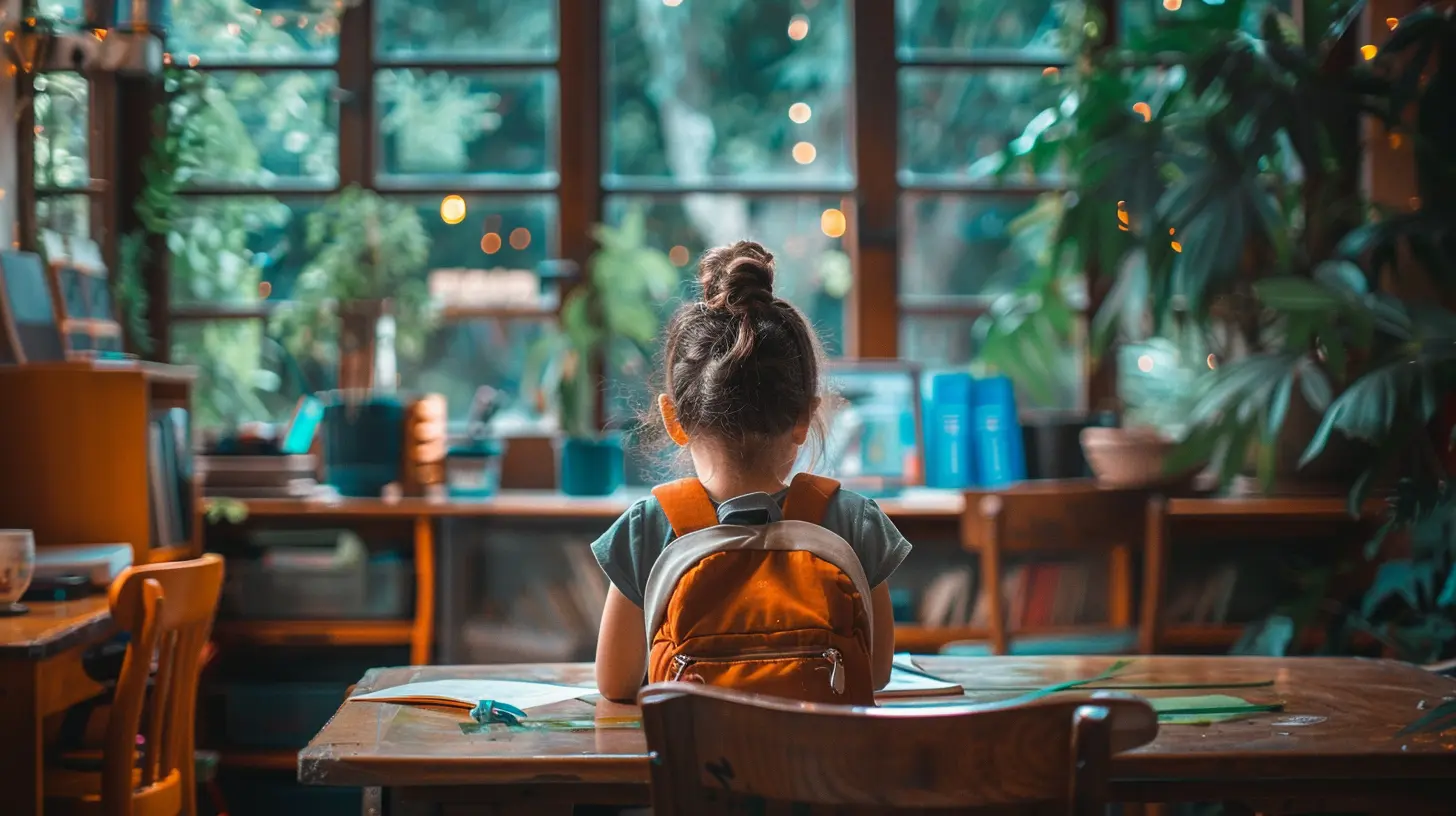
2. Use Interactive Tools and Multimedia
Let’s face it: no one wants to stare at a static PowerPoint slide for an hour. To keep students engaged, you need to mix things up. Thankfully, there are plenty of tools that can help make your lessons interactive and dynamic.Leverage Polls and Quizzes
Tools like Kahoot, Poll Everywhere, or even built-in features in platforms like Zoom and Google Meet can be great for incorporating live polls and quizzes. These not only break the monotony but also provide instant feedback on how well your students are grasping the material.Incorporate Videos and Animations
A picture is worth a thousand words, and a video? Even more. Incorporate short, relevant videos to explain complex concepts. You can find tons of educational content on platforms like YouTube or create your own with tools like Screencastify.Animations and interactive simulations can also clarify difficult topics that are hard to explain with just text or voice. PhET Interactive Simulations, for example, is a great tool for science teachers looking to make abstract concepts more tangible.

3. Foster Active Participation
One of the biggest challenges in remote learning is preventing students from becoming passive participants. You don’t want them to just sit there, absorbing information like a sponge (or worse, zoning out). Instead, you want to encourage active engagement.Encourage Group Work
Just because your students aren’t physically together doesn’t mean they can’t collaborate. Use breakout rooms in Zoom or Google Meet to facilitate small group discussions or projects. Students can work together on problem-solving tasks, share ideas, and present their findings to the class.Use the "Flipped Classroom" Approach
In a flipped classroom, students do the “learning” part at home—by watching videos, reading articles, or completing practice exercises—and then come to class for discussion and problem-solving. This approach can encourage more active participation since students will come prepared with questions and ideas.Ask Open-Ended Questions
Don't just ask yes-or-no questions or questions with a single correct answer. Instead, ask open-ended questions that require students to think critically and engage in discussion. Encourage them to explain their reasoning, debate with their peers, and ask their own questions.
4. Keep It Short and Sweet
When you're teaching remotely, attention spans can be even shorter than they are in a physical classroom. This means you need to be mindful of pacing and avoid overloading your students with information.Break Lessons Into Chunks
Instead of delivering one long lecture, break your lesson into smaller, digestible chunks. Each segment should focus on a specific concept or skill. After each chunk, take a short break or engage students in a quick activity, such as a poll or a brainstorming session.Use the 10-Minute Rule
According to research, the average human attention span for actively listening to a lecture is about 10-15 minutes. So, try to deliver your content in 10-minute intervals, followed by a change of pace—whether that’s a discussion, a video, or a brief assignment.5. Offer Opportunities for Real-World Application
One of the best ways to keep students engaged is to make learning relevant to their lives. Students are more likely to be interested in a topic when they can see how it applies to the real world.Use Case Studies and Examples
Whenever possible, use real-world examples and case studies to illustrate your points. For instance, if you’re teaching economics, you can use recent news articles about market trends or economic policies. If you’re teaching science, connect your lessons to current events, such as climate change or new medical advancements.Encourage Project-Based Learning
Give students the opportunity to work on projects that allow them to explore topics in depth and apply what they’ve learned in practical ways. For example, students could create a presentation, build a model, or even develop a solution to a real-world problem. Not only will this keep them engaged, but it will also help them retain the material better.
6. Provide Regular Feedback and Support
In a remote learning environment, students can easily feel isolated or unsure about their progress. Regular feedback and support are essential for keeping them motivated and engaged.Give Timely Feedback
Provide feedback on assignments and assessments as quickly as possible. Whether it’s a quick note of encouragement, constructive criticism, or detailed comments, timely feedback lets students know that you’re paying attention and that their work matters.Hold Virtual Office Hours
Make yourself available for one-on-one meetings during virtual office hours. This gives students the opportunity to ask questions, seek clarification, and get personalized support. It can also help build stronger teacher-student relationships, even in a remote setting.7. Use Gamification to Boost Motivation
Let’s be honest: who doesn’t love a little competition? Gamification is a powerful way to motivate students and make learning more fun. By incorporating game-like elements into your lessons, you can boost engagement and encourage students to stay on task.Create a Points System
Implement a points or rewards system for participation, completing assignments, or demonstrating mastery of a topic. Students can earn badges or prizes, which adds an element of competition and motivation.Use Educational Games
There are plenty of educational games and simulations that can be integrated into your curriculum. Websites like Quizlet or BrainPOP offer games that make learning feel less like a chore and more like a challenge.
8. Promote Self-Paced Learning
One of the advantages of remote learning is that it allows for more flexibility in how and when students complete their work. Encourage students to take ownership of their learning by providing opportunities for self-paced learning.Create a Flexible Schedule
While it’s important to have live class sessions, consider offering some asynchronous activities that students can complete on their own schedules. This allows students to work at their own pace and review material as needed.Offer a Choice of Assignments
Whenever possible, give students some choice in how they demonstrate their understanding of the material. For example, they could choose to write an essay, create a video, or design a presentation. This empowers students to learn in a way that suits their preferences.9. Build a Sense of Community
Lastly, don’t underestimate the power of community. Remote learning can often feel isolating, so it’s important to foster a sense of belonging and connection among your students.Create a Virtual "Hangout" Space
Use a platform like Discord, Slack, or even a private Facebook group to create a virtual space where students can interact outside of class. This can be a place for informal discussions, study groups, or just socializing. Building these connections can help students feel more engaged and motivated.Encourage Peer Support
Promote a culture of peer support by encouraging students to help each other with questions or challenges. You can assign peer mentors or set up study buddy systems to facilitate this.
Conclusion
Remote learning doesn’t have to be a one-way flow of information. With the right strategies, you can keep your students engaged, motivated, and actively participating, even from a distance. By creating a welcoming environment, using interactive tools, encouraging participation, and offering real-world applications, you can turn your virtual classroom into a space where learning comes alive.Remember, the key to success in remote learning is flexibility and creativity. Don’t be afraid to experiment with different approaches and tools until you find what works best for your students. Happy teaching!
all images in this post were generated using AI tools
Category:
Teacher TrainingAuthor:

Anita Harmon
Discussion
rate this article
2 comments
Rhett McNair
In the realm of screens, where minds can drift, Your tips shine bright, a guiding gift. Crafting connection in the digital space, Engagement blooms, a vibrant embrace. With purpose and passion, let learning ignite, In remote worlds, we’ll reach for the light.
February 21, 2026 at 4:26 AM
Anita Harmon
Thank you for the lovely words! I'm glad you found the tips helpful for fostering connection and engagement in remote learning. Let's keep inspiring each other!
Dana McNair
Connection fosters engagement and learning.
February 10, 2026 at 3:20 AM
Anita Harmon
Absolutely! Building connections enhances student motivation and participation, making remote learning more effective.