Personalized Learning Through Self-Assessment: A Roadmap for Students
2 October 2026
In a world where education is becoming more dynamic and student-centered every day, one thing is clear—there is no “one-size-fits-all” approach to learning anymore. And honestly, that’s a good thing. Students aren’t robots; we all have different brains, different styles, and different speeds of learning. So why should our education look identical?
That’s exactly where personalized learning through self-assessment comes in. It's a powerful way for students to truly take the driver's seat in their own learning journey—charting their own course, identifying their own strengths, and working through their own weak spots. Not only can this approach skyrocket academic performance, but it can also build confidence, independence, and a lifelong love for learning.
Let’s break this down, shall we?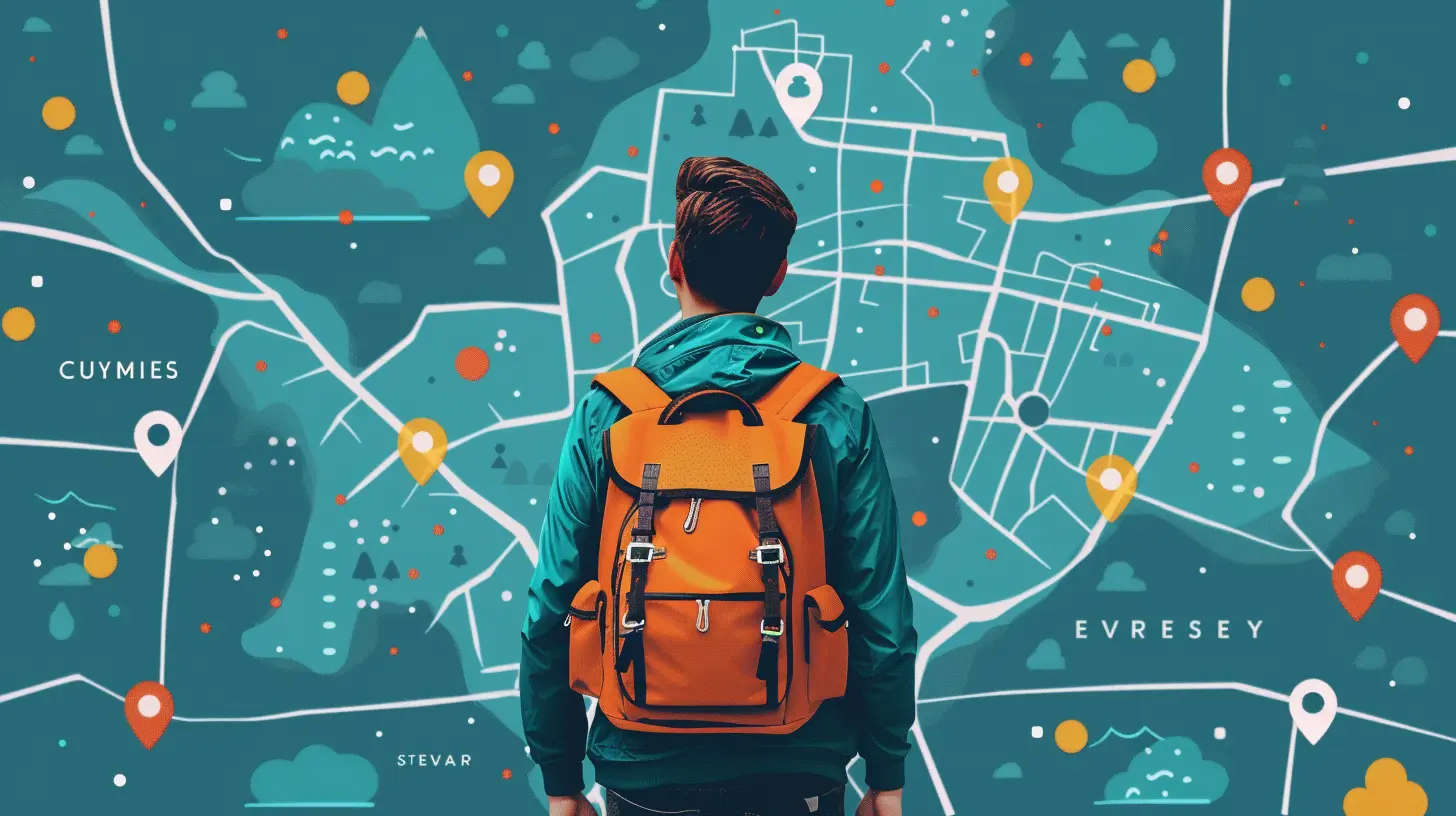
What is Personalized Learning?
First off, let’s get clear on what personalized learning even means. Imagine walking into a classroom where every student is working on something slightly different, tailored to their own needs. Sounds like sci-fi? Well, it's already happening in many classrooms around the globe.Personalized learning is a teaching method designed to adapt the pace, approach, and learning content to fit the unique needs of each student. It respects who you are, how you learn, and what you already know.
Instead of forcing everyone to take the exact same test on the same day, personalized learning might give you more time, different resources, or even a different path altogether. It thrives on choice, flexibility, and student voice.
But here’s the kicker: none of this works unless you actually understand where you stand.
That’s where self-assessment sneaks in like the secret sauce.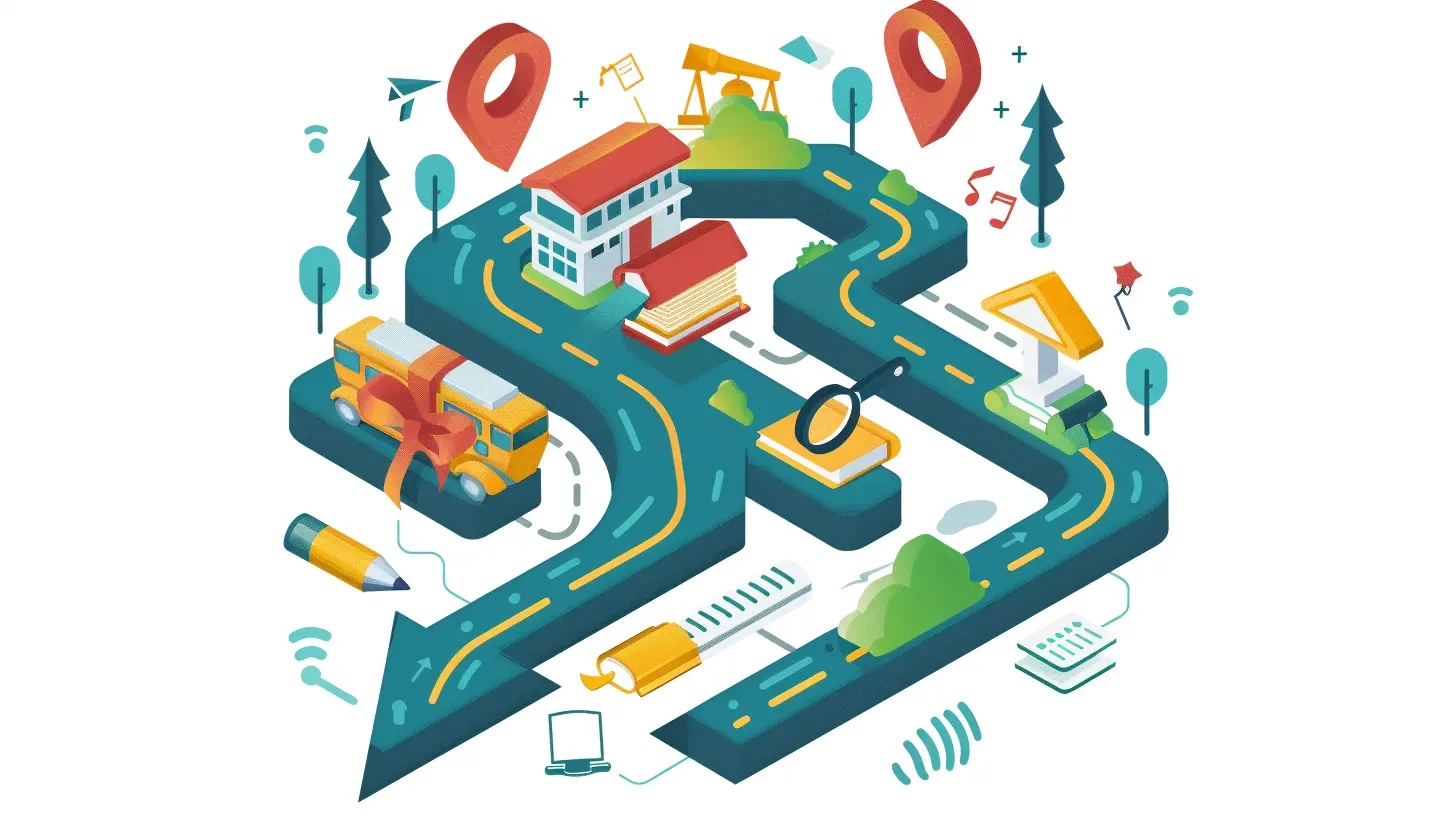
The Power of Self-Assessment
Think about it—how do you know you're getting better at something? Is it just by getting a grade? Or is it... deeper than that?Self-assessment is when YOU evaluate your own work, reflect on your progress, and decide what needs improvement. It’s like holding up a mirror to your brain. It’s not about being perfect. It’s about being aware.
Some of the most successful athletes, musicians, and even business leaders use self-assessment constantly. Why? Because growth starts with awareness.
When students learn how to self-assess honestly and effectively, they:
- Become more responsible for their learning
- Pinpoint their strengths and gaps
- Set realistic goals
- Adjust study strategies on the fly
- Focus on growth rather than just grades
And the best part? It empowers you. You stop being a passive learner and start becoming an active player in your own education.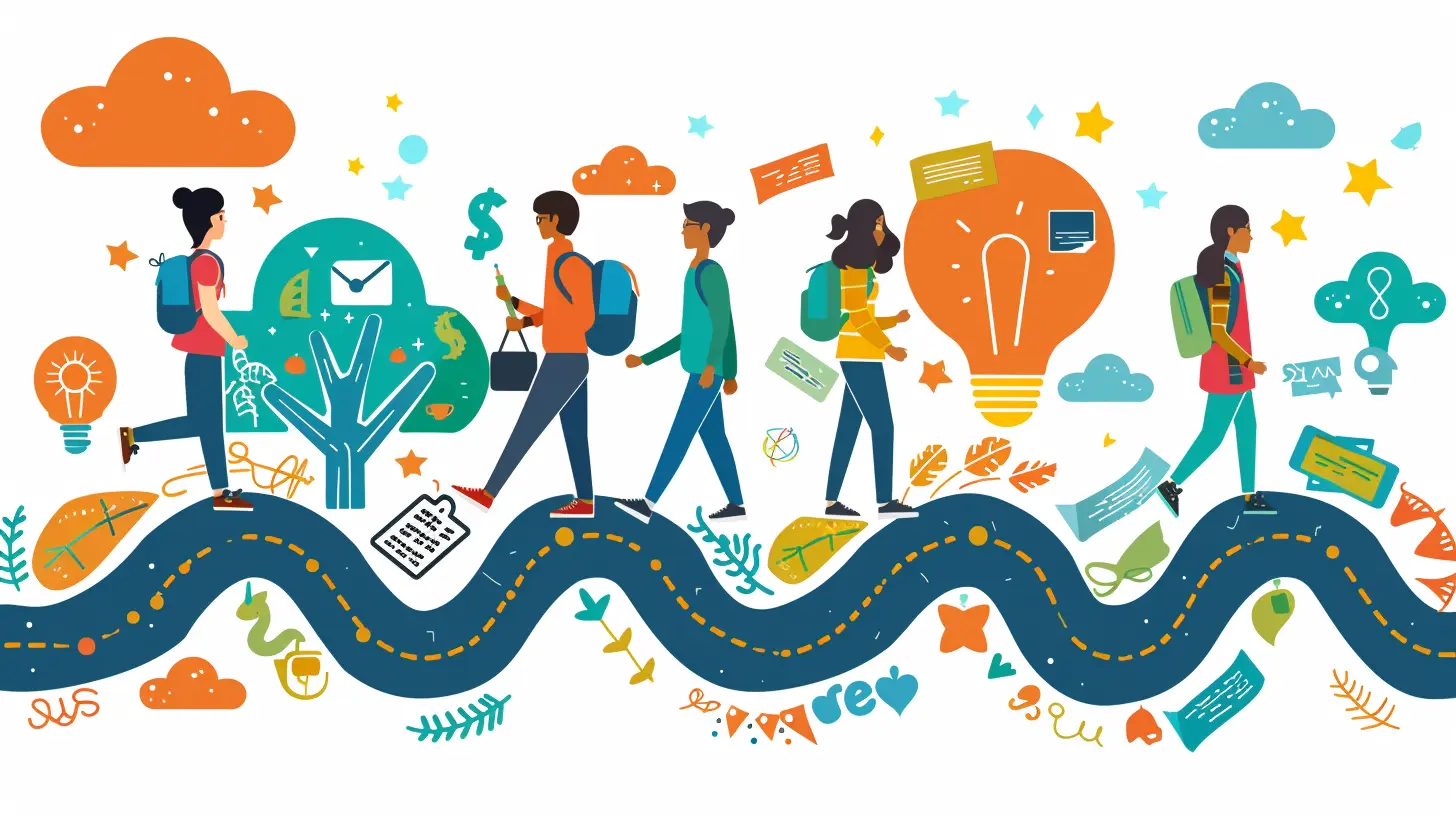
Why Self-Assessment Makes Personalized Learning Work
Alright, let’s connect the dots.Personalized learning is all about tailoring education to the individual learner—which sounds great on paper. But how do teachers or even students know what path to take?
You got it—through self-assessment.
Imagine you’re building your own learning roadmap. You can’t chart a route unless you know your current location. Self-assessment acts like your personal GPS. It tells you, “Hey, you’ve got this part down,” or “Uhh... we need to reroute.”
And just like Google Maps updates your route when you take a wrong turn, self-assessment helps you adjust your course in real-time.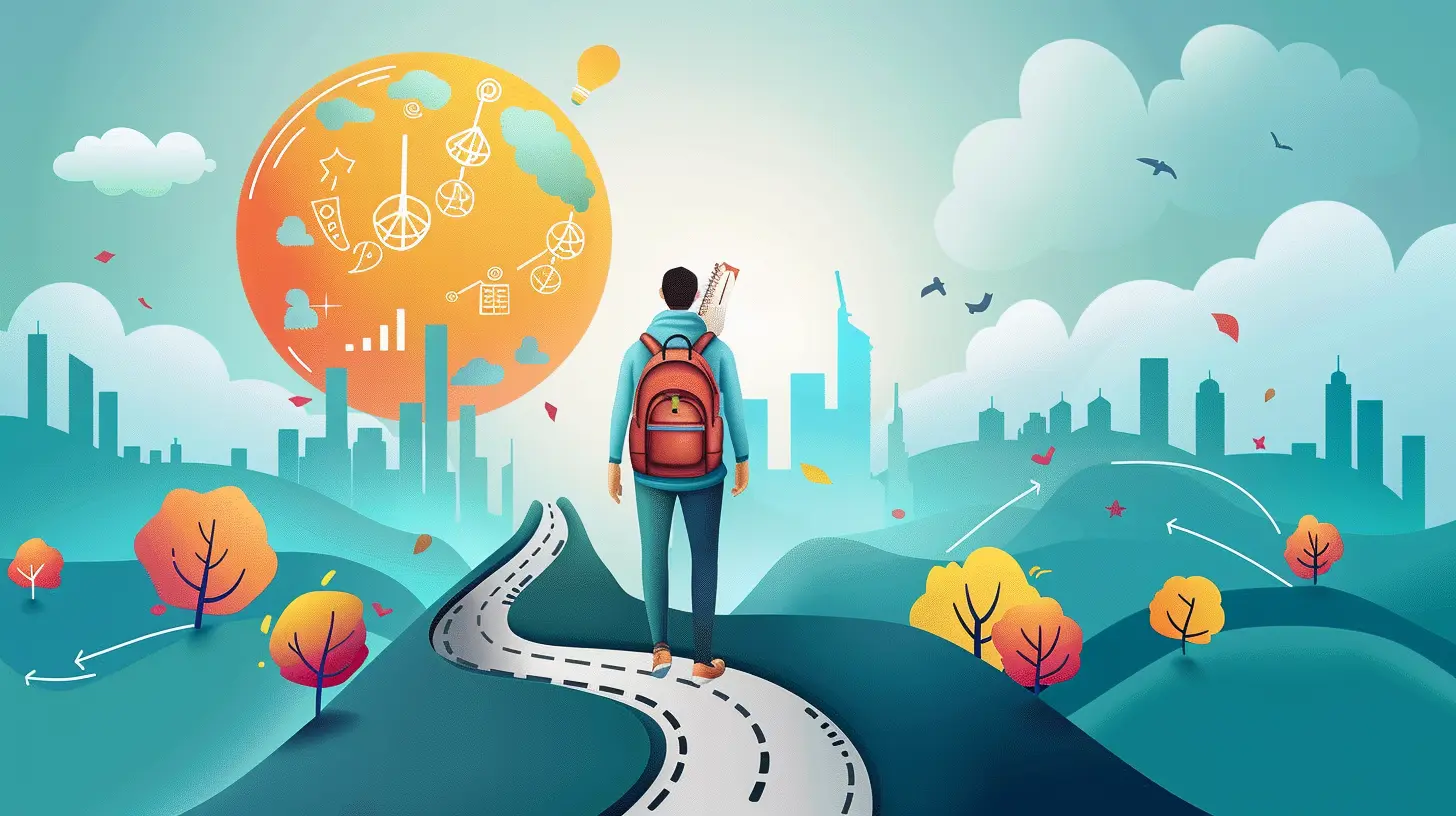
Different Ways Students Can Self-Assess
There’s no single right way to self-assess. That’s the beauty of it—just like personalized learning, self-assessment can come in different flavors. Here are some methods students can use:1. Reflective Journaling
Ever kept a diary? Reflective journaling is kinda like that—but for your learning. After a class or study session, just jot down:- What did I understand today?
- What confused me?
- What would I like to do better next time?
It’s low-key, personal, and incredibly insightful.
2. Rubrics and Checklists
These are like cheat sheets—but legit. Rubrics break down what great performance looks like. Checklists help you track skills or tasks you've completed. Try rating yourself honestly based on these tools. It’s eye-opening.3. Goal Setting Logs
Set specific academic or behavioral goals. At the end of the week, reflect:- Did I stay on track?
- What held me back?
- How can I improve next week?
This keeps you focused and forward-thinking.
4. Peer Feedback
Okay, this one might feel awkward at first, but getting a peer’s perspective is gold. Sometimes our friends notice things we don’t. Plus, giving feedback to others helps us reflect on our own learning.5. Digital Portfolios
These are collections of your work over time—essays, videos, projects, anything. Reviewing your past work helps you see your progress and areas needing work.How Teachers Can Support Student Self-Assessment
Teachers play a massive role here. And the best ones know that empowering students starts with giving them tools and space to reflect.Some ways teachers can support this?
- Provide clear learning goals and success criteria
- Model self-assessment by thinking out loud
- Give regular opportunities for self-reflection
- Create a safe space where mistakes are part of learning
- Offer feedback that focuses on growth, not just performance
When teachers and students team up in this way, magic happens. Seriously.
Real Talk: The Struggles of Self-Assessment
Let’s be real—it’s not all rainbows and gold stars.Self-assessment can be tricky at first. You might:
- Go too easy or too hard on yourself
- Not know what to look for
- Feel discouraged by your results
All of that is normal. It takes time to get good at analyzing your own work. The trick? Stick with it. Be honest, be kind to yourself, and remember—it’s about growth, not perfection.
Think of it like learning to ride a bike. Wobbly at first, but once you get the hang of it, there’s no stopping you.
Benefits That Go Beyond the Classroom
When you learn how to self-assess and personalize your learning, the benefits don’t just show up in grades—they show up in life.Here’s what you build:
- Self-Awareness: You start truly understanding your own mind.
- Responsibility: You take charge instead of waiting for direction.
- Critical Thinking: You analyze, evaluate, and reflect like a pro.
- Motivation: You work toward goals that you set, not just ones handed to you.
- Resilience: You learn to bounce back, iterate, and improve.
These skills aren’t just useful in school. They’re life skills. Whether you're aiming for college, a job, a startup, or just trying to be a better version of yourself, this stuff matters.
How to Start: A Student’s Roadmap
Ready to take the plunge? Here’s a simple roadmap to get started with personalized learning through self-assessment:1. Know Your Learning Style
Are you a visual learner? A hands-on explorer? Figure that out first.
2. Set Clear, Realistic Goals
Not vague ones like “do better in math”—make it specific: “Improve algebra test score by 10% in 4 weeks.”
3. Track Your Progress
Use a learning journal, digital tools, or a goal tracker. Keep it simple.
4. Reflect Regularly
Spend 5–10 minutes after every lesson asking: What clicked? What didn’t?
5. Adjust Your Strategies
If flashcards aren’t working, try videos. If group study helps, do more of that.
6. Ask for Feedback
From teachers, peers, even parents. Then use that feedback.
7. Celebrate Small Wins
Tiny progress is still progress. Give yourself credit.
Final Thoughts: You’re in Control
Here’s the bottom line: education is no longer about memorizing a bunch of facts just to pass a test. It’s about who you become along the way.Through personalized learning and self-assessment, you don’t just become a better student—you become a stronger thinker, a better problem solver, and a more self-aware human being.
And that’s something worth working toward, don’t you think?
So, whether you're struggling in a subject or flying high, pause. Reflect. Adjust. Own your learning. Because no one else can walk that road for you—but with self-assessment, you’ll always have a map.
all images in this post were generated using AI tools
Category:
Self AssessmentAuthor:

Anita Harmon
Discussion
rate this article
1 comments
Thane Adams
Self-assessment empowers students to take charge of their learning journey. Embrace this roadmap and discover your strengths while unlocking your true potential... You got this!
October 2, 2026 at 4:45 AM