Open Educational Resources: Supporting Education in Underserved Areas
6 February 2026
When we talk about education today, it's impossible not to mention Open Educational Resources (OER). They're flipping the script on traditional education, especially for those who’ve always gotten the short end of the stick. You know the ones—students in rural schools, low-income urban communities, or even entire countries battling with inadequate educational infrastructure.
Open Educational Resources are like the Robin Hood of the academic world, offering free, high-quality learning materials to those who need them most. Sounds like a game-changer, right? Well, it is. And in this piece, we’re diving deep into how OER is helping bridge the educational divide in underserved areas and why it might just be the secret ingredient the education world needs.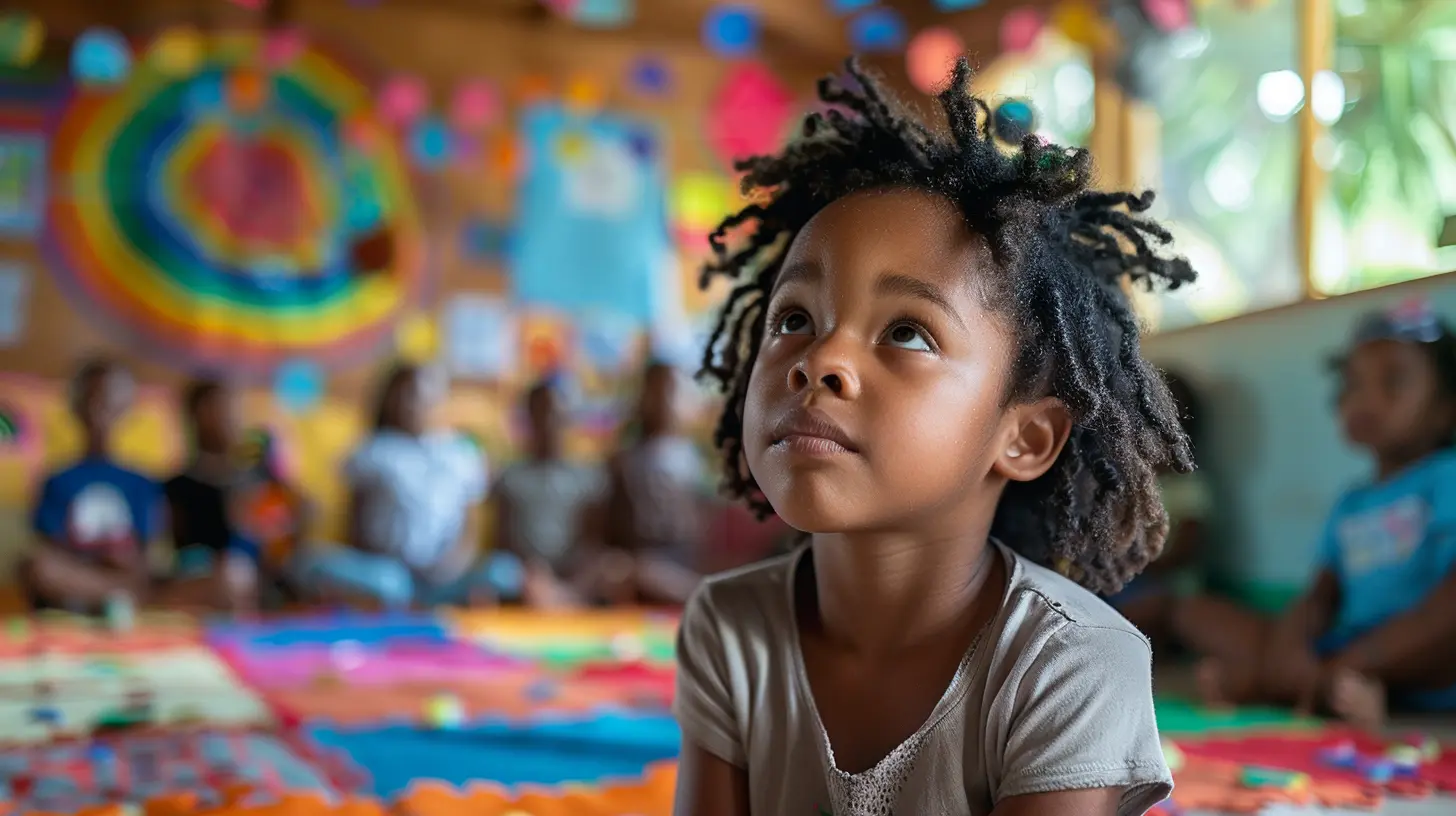
What Exactly Are Open Educational Resources?
Let’s keep it simple. Open Educational Resources are teaching, learning, and research materials that are free to use, modify, and share. That means textbooks, lecture notes, videos, quizzes—basically anything that helps you learn or teach. And the best part? They come with open licenses.So, instead of shelling out hundreds of dollars for a single textbook (ouch), students and teachers can access these materials online—anytime, anywhere. Whether it’s a science book or coding tutorials, OERs are always just a few clicks away.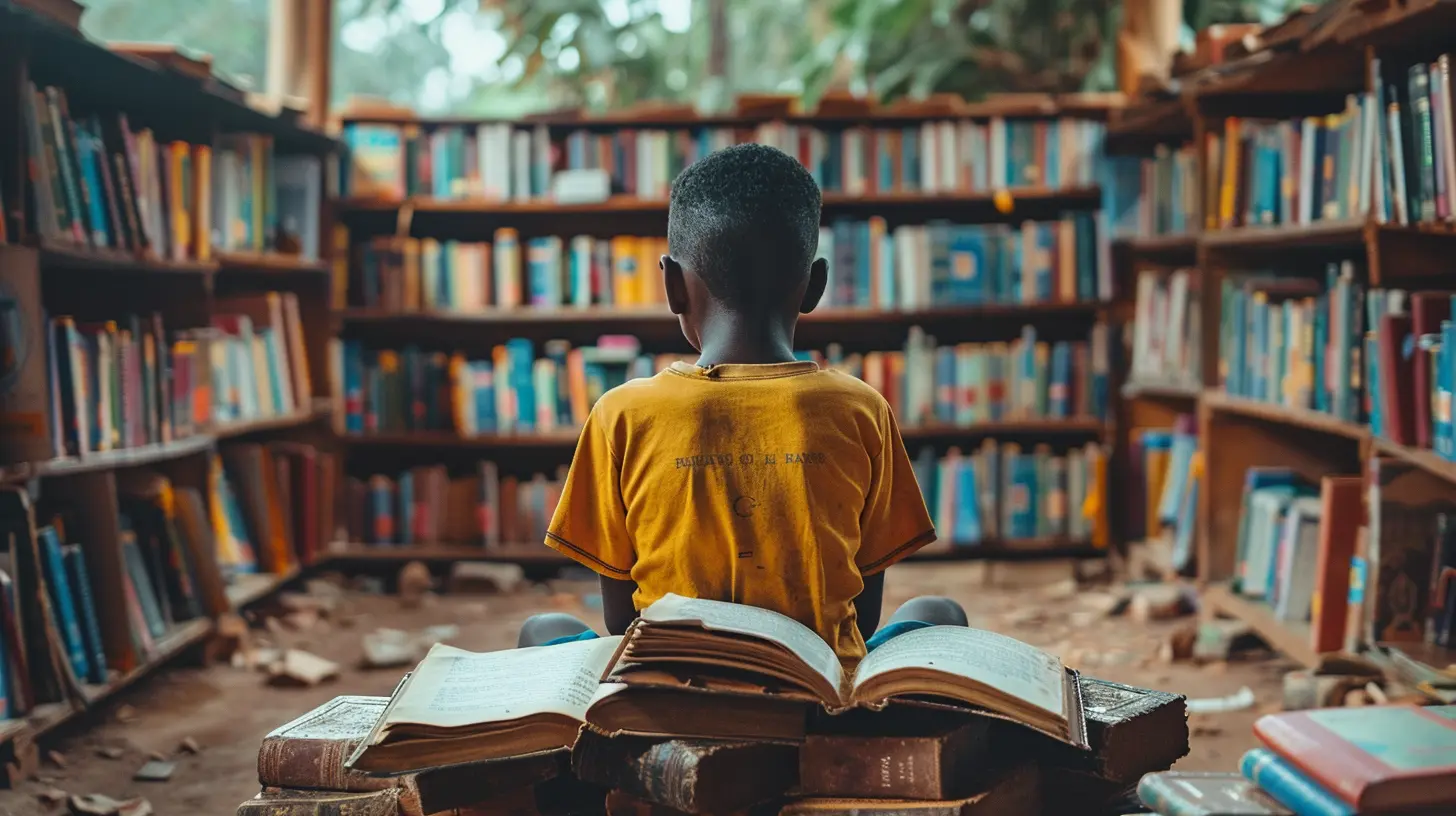
The Education Gap: A Real-World Problem
Now, let’s not sugarcoat it—the gap between privileged and underserved communities in terms of education is massive. Some schools don't even have enough textbooks to go around. Others lack qualified teachers or basic infrastructure like internet access. It’s 2024, and some students are still learning from torn, outdated books—or worse, from nothing at all.Here’s the kicker: these aren't just isolated problems. According to UNESCO, millions of children worldwide still don't have access to proper education. That’s not just a statistic—that's a crisis.
So, the question is: how do we fix this? Enter OER.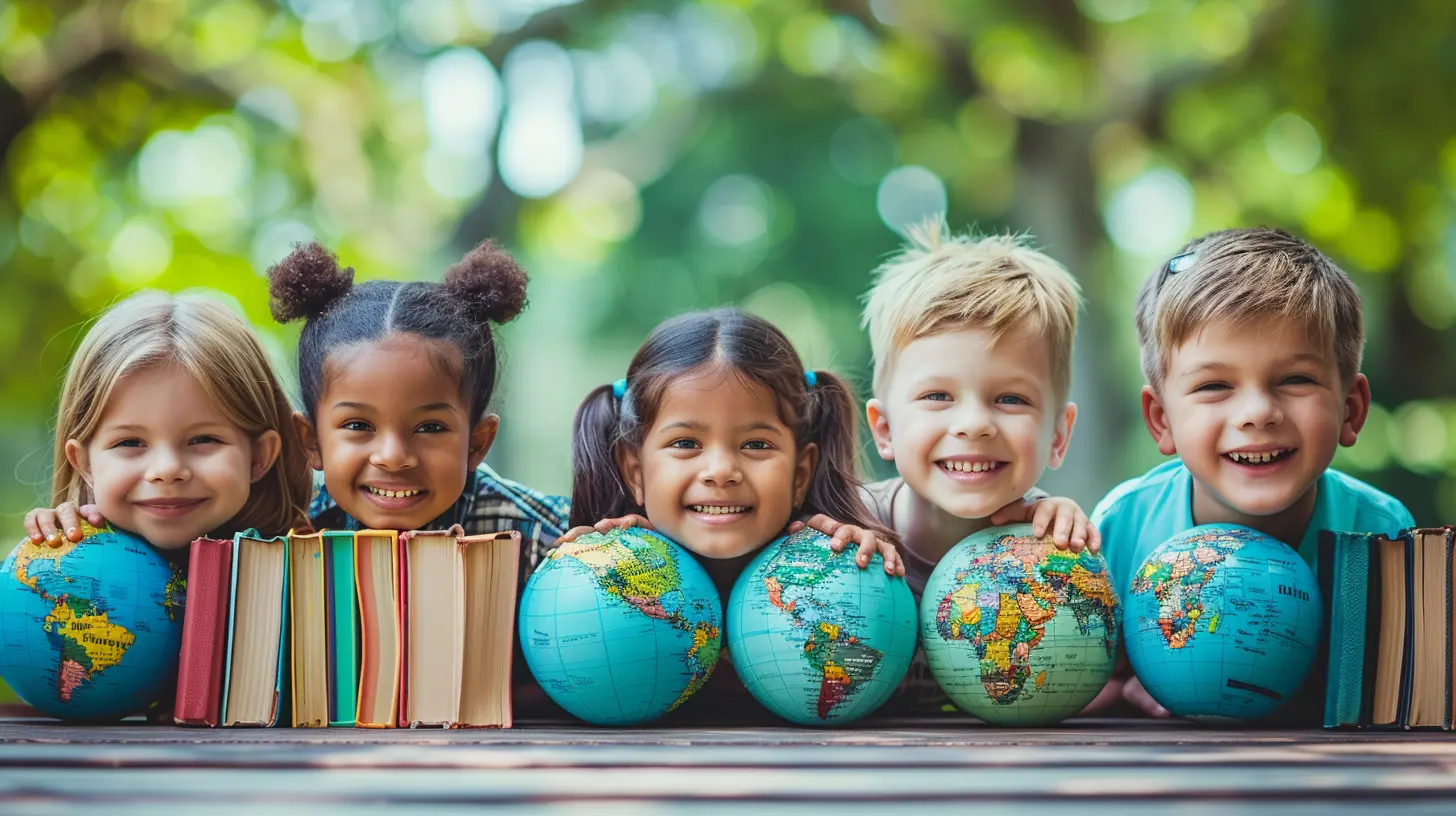
Why OERs Are a Beam of Hope for Underserved Areas
Let’s break down how Open Educational Resources are making a real impact where it's needed the most.1. Affordability: Education at Zero Cost
Cost is one of the biggest barriers to education. Traditional textbooks and materials can burn a hole in anyone's pocket, especially in low-income regions. OERs? Totally free. That’s right—no hidden fees, no subscriptions, no paywalls.This affordability means schools can redirect their already tight budgets toward other essentials—like better classroom infrastructure or teacher training.
2. Accessibility: Learning Without Borders
Imagine trying to study computer science in a school with no internet and outdated computers—that frustration is real. But OERs can be downloaded, printed, and even stored on USB drives. They don’t always require a fancy digital setup.And thanks to initiatives like offline OER libraries, even remote villages can access world-class educational materials. It's like unlocking a treasure chest of knowledge without needing a key.
3. Customization: Made to Fit Local Needs
Not all students learn the same way, and not all cultures teach the same way either. The beauty of OERs lies in their flexibility. You can tweak, translate, and reorganize them to suit your local context.Say you’re a teacher in a rural part of Kenya—you can adapt an OER science module to include examples that are more relevant locally. It’s like tailoring a suit to fit perfectly instead of wearing one off-the-rack.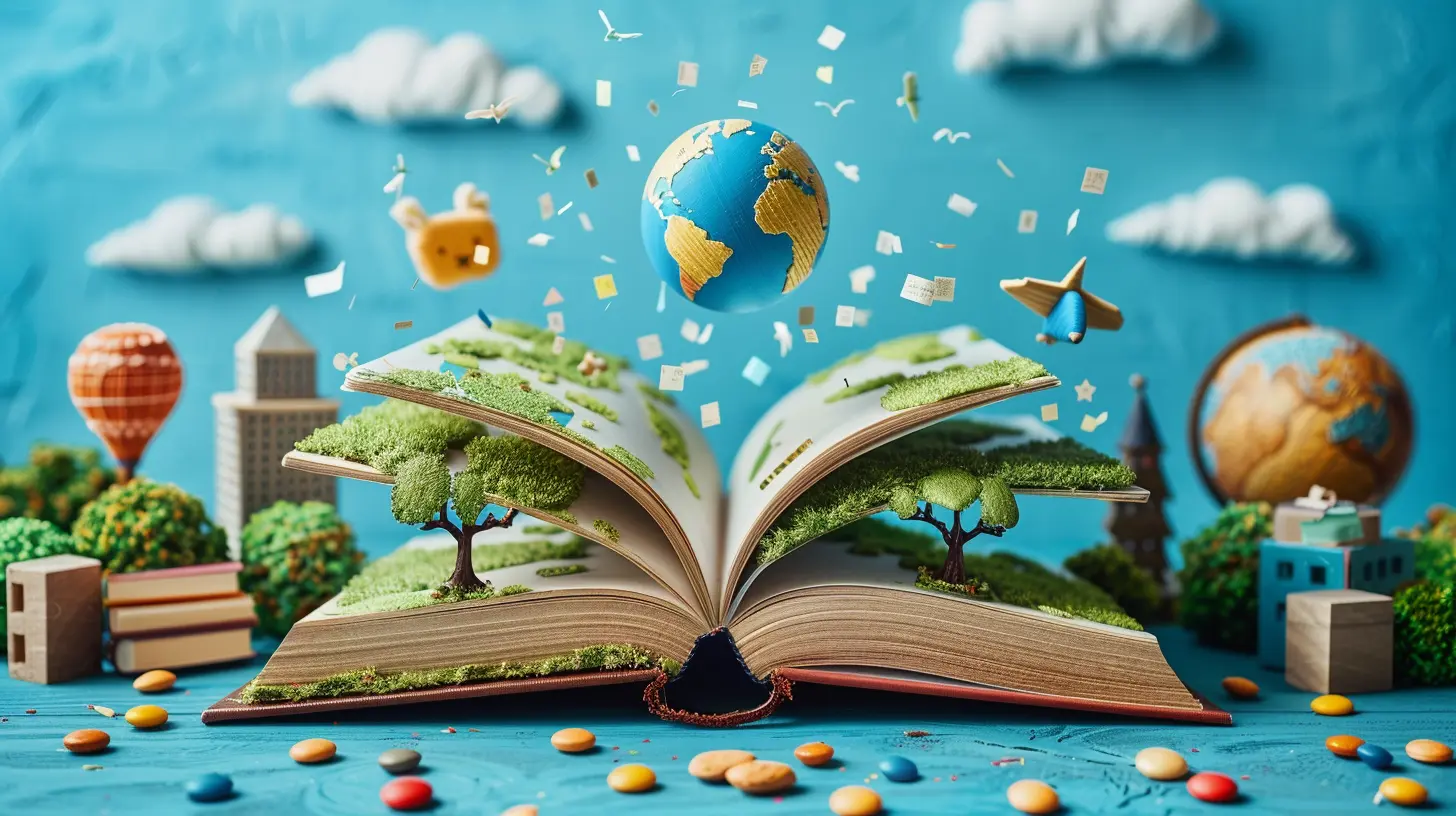
Real-Life Success Stories
Let’s zoom into some examples where OER is doing more than just making noise—it’s changing lives.Rwanda: A Digital Leap in Basic Education
Rwanda's Ministry of Education has embraced OER at a national level. They’ve implemented open digital content in their early childhood and primary education curricula. Students now access interactive lessons and e-textbooks via tablets provided by government initiatives. The result? Better engagement, improved literacy, and a more personalized learning experience.India: Empowering Teachers in Low-Income Schools
In India, the non-profit organization Pratham uses OERs to support teachers in some of the most underserved areas. By providing digital and print-based learning material in native languages, they’re helping teachers deliver impactful lessons—even in resource-starved schools.United States: Bridging Urban Education Gaps
Even in the U.S., OER has found a home, especially in K–12 schools facing budget cuts. Districts in cities like Detroit and Baltimore use OERs to supplement traditional curricula, giving students access to up-to-date materials that schools otherwise couldn’t afford.Challenges and Roadblocks (Because Nothing’s Perfect)
Let’s be real—OER isn’t some magic bullet. It’s powerful, yes, but there’s still work to be done.1. Digital Divide
Sure, OERs are free, but you still need a device and some form of internet to access them. In communities where power outages and weak networks are the norm, this can be a big issue.2. Training and Awareness
Teachers need to know how to find, use, and even adapt OERs for their classrooms. That takes training—something that’s often missing in underserved areas. Without this, the best content in the world might never reach the students who need it.3. Quality Control
Let’s face it: not all free content is good content. Some OERs might be outdated or inaccurate. What’s needed is a strong review system and trusted platforms to ensure quality.How to Make OERs Work Better for Underserved Communities
So, how do we make sure OERs don’t just stay a good idea on paper? Here’s what needs to happen:1. Government Support Matters
Governments should not just encourage but mandate the use of OERs, provide funding for training, and create national platforms where teachers can easily access these resources. When policymakers get involved, change happens faster.2. Community Collaboration
Local communities, non-profits, and international organizations need to work hand-in-hand. Think of it like building a puzzle—when everyone has a piece, the full picture finally comes together.3. Invest in Infrastructure
No, we’re not just talking about better Wi-Fi. We’re talking about devices, power supply, and even portable offline OER libraries. Schools in underserved areas need the hardware to support the software.4. Create Multilingual, Culturally Relevant Content
A math lesson written in English may not make sense to a student in rural Bangladesh who speaks Bengali. OERs should be available in multiple languages and reflect local cultures and realities. That’s what makes learning stick.The Future of OER in Underserved Education
Looking ahead, the potential is massive. With the rise of AI, machine learning, and mobile technology, OERs can become even more adaptive and personalized. Imagine a student in a remote village taking a virtual class from a Harvard professor—fully accessible, totally free, and understandable in their native language.The future isn’t just “bright”—it’s blazing with opportunity.
But here's the deal: we can't wait for the future to fix the present. OERs are already here, already capable, and already changing lives. It's time we start treating them not as a "nice-to-have" but as an essential tool in the fight for educational equity.
Final Thoughts: It’s Time to Rethink Education
Education is a right, not a privilege. And Open Educational Resources are helping us get closer to making that a reality for everyone, not just the fortunate few.If we’re serious about solving the education crisis in underserved areas, we need to stop thinking traditionally and start thinking openly. Literally.
Because at the end of the day, it’s not just about textbooks and lectures—it’s about giving every student a fair shot at success, no matter where they were born or how much money their parents make.
And OERs? They’re the first step in the right direction.
all images in this post were generated using AI tools
Category:
Open Educational ResourcesAuthor:

Anita Harmon
Discussion
rate this article
2 comments
Peyton Cantu
Open Educational Resources can bridge the educational divide in underserved areas, transforming access to knowledge. Empowering learners with free tools not only enhances equity but also ignites innovation and fosters a brighter future.
February 26, 2026 at 5:21 AM
Anita Harmon
Thank you for your insightful comment! I completely agree that Open Educational Resources are crucial in leveling the playing field and empowering learners in underserved areas.
Alessia Lee
Open Educational Resources: because education shouldn't come with a price tag! Let’s give underserved areas a digital high-five and turn the 'knowledge gap' into a 'knowledge gap year'—with zero tuition fees!
February 8, 2026 at 1:34 PM
Anita Harmon
Absolutely! Open Educational Resources empower underserved communities by making quality education accessible to all, fostering equity and reducing barriers to learning.