Open Educational Resources and the Future of Personalized Learning
6 August 2026
Education is evolving faster than ever, and one of the biggest game-changers in recent years has been Open Educational Resources (OER). These freely accessible, openly licensed materials are reshaping how we learn, making education more inclusive, affordable, and tailored to individual needs. But what does this mean for personalized learning? Are traditional textbooks and lecture halls becoming obsolete? Let’s dive into the fascinating world of OER and see how they’re shaping the future of education. 
What Are Open Educational Resources (OER)?
OER refers to any educational material that is freely available for use, sharing, and modification. This includes textbooks, lecture notes, videos, quizzes, research papers, and even entire courses. Unlike traditional resources that often come with hefty price tags and copyright restrictions, OER thrives on the principles of openness and collaboration.Think of it like an all-you-can-eat buffet of knowledge—only, instead of limiting what you can take, you’re encouraged to share, remix, and adapt materials to fit your specific learning needs.
Key Features of OER:
- Free Access – No paywalls, no expensive textbooks. Just open learning for all.- Customizable & Adaptable – Teachers and learners can modify content to match their needs.
- Legally Open – OER materials usually come with Creative Commons licenses, allowing free use and distribution.
- Diverse Content Formats – From interactive simulations to full online courses, the possibilities are endless.
Personalized Learning: A New Era of Education
Personalized learning puts the student at the center of their educational journey. Instead of a one-size-fits-all approach, it adapts to individual learning styles, interests, and paces.Imagine walking into a shoe store where every pair is a perfect fit—no squeezing, no blisters, no compromises. That’s what personalized learning aims to achieve in education.
How Does Personalized Learning Work?
- Self-Paced Learning – Students progress at their own speed instead of following a rigid schedule.- Adaptive Technology – AI-driven platforms adjust lessons based on a student’s strengths and weaknesses.
- Student Choice & Voice – Learners pick projects, assignments, and even their learning path.
- Teacher as a Guide – Instead of lecturing, educators act as facilitators, helping students navigate their personalized journey.
Clearly, it’s a powerful approach—but where does OER fit into all of this? 
How OER Supports Personalized Learning
OER and personalized learning go hand in hand, creating a learning experience that is flexible, engaging, and tailored to the needs of each student. Here’s why OER is a game-changer for personalized learning:1. Flexibility in Learning Materials
Traditional textbooks are static—you get what’s printed. OER, on the other hand, allows teachers and students to modify content to suit their learning needs. If a student struggles with a certain concept, they can access different explanations, interactive exercises, or videos without financial barriers.Think of it as a playlist of learning materials that students can shuffle based on what works best for them.
2. Affordability: Breaking Down Barriers
Let’s face it—education can be expensive. College students spend hundreds (if not thousands) of dollars on textbooks and course materials. OER eliminates this cost, making quality education available to everyone, regardless of financial background.No more choosing between buying a textbook or paying rent!
3. Encouraging Collaboration & Innovation
Since OER is open for modification, educators around the world can collaborate, improve, and share resources in real time. This means better, more up-to-date content for students.Imagine if every teacher could contribute one amazing lesson—pretty soon, we’d have a worldwide library of knowledge, constantly improving and evolving.
4. Accessibility for All Learners
OER is designed to be inclusive—which means resources can be adapted for students with disabilities, language barriers, or unique learning preferences. Whether it’s offering screen-reader-friendly textbooks, translated materials, or interactive videos, OER ensures no student is left behind.5. Encouraging Lifelong Learning
Education doesn’t just stop after school. With OER, learning can continue at any stage of life. Whether you’re a college student, a working professional, or a retiree looking to pick up new skills, OER provides unlimited access to knowledge, anytime, anywhere.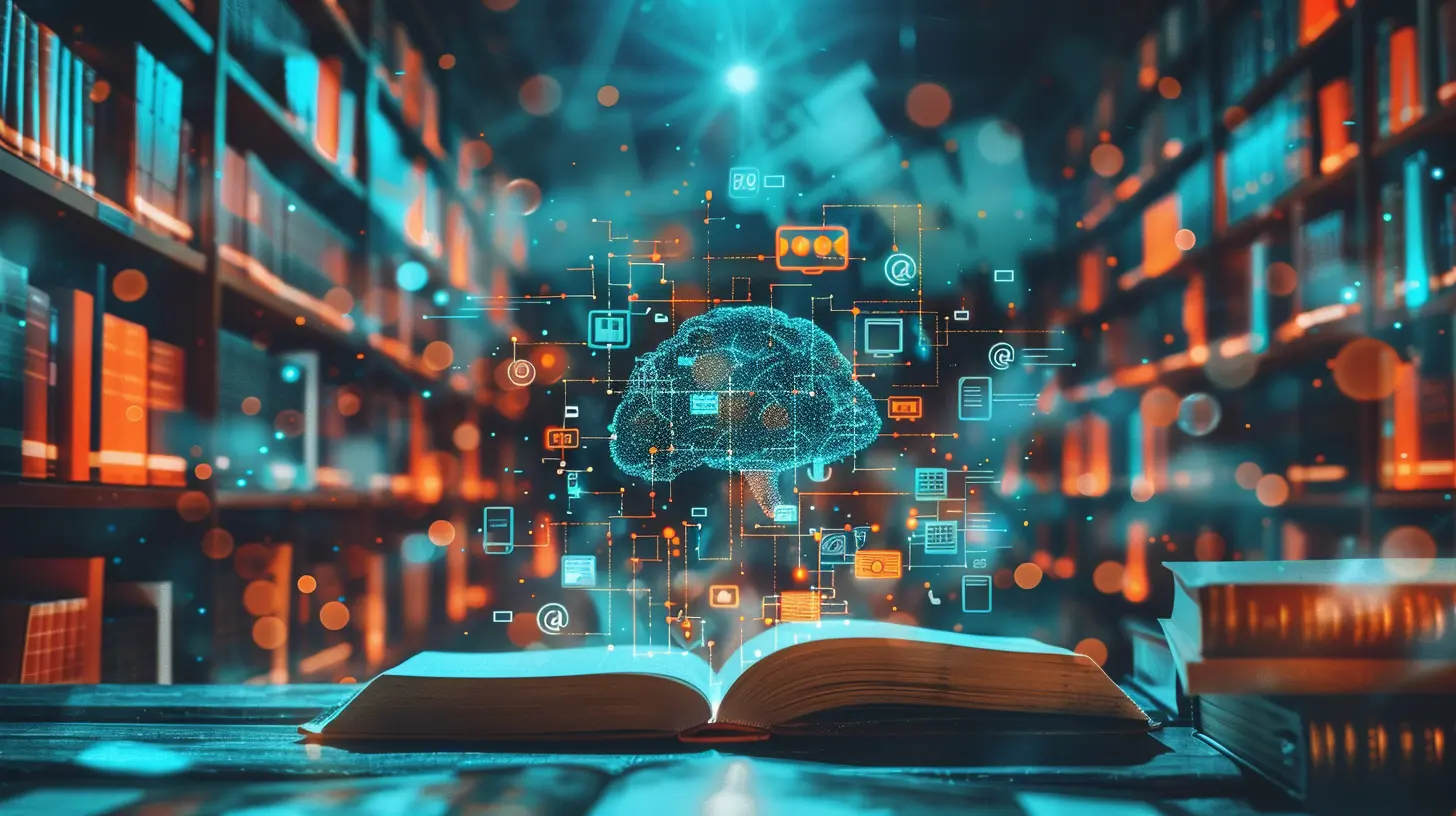
Challenges and Solutions in Implementing OER
As promising as OER is, it’s not without challenges. But don’t worry—solutions are already in the works.Challenge 1: Quality Control
Since OER is user-generated, there’s always the risk of inaccurate or outdated content.Solution: Institutions and educators can implement peer-review systems to ensure high-quality, reliable materials. Platforms like OpenStax and MIT OpenCourseWare are already setting high standards.
Challenge 2: Awareness & Adoption
Many educators and students aren’t aware of OER or how to use it effectively.Solution: Schools and governments need to promote OER initiatives and offer training on how to integrate them into curricula.
Challenge 3: Lack of Digital Access
Not all students have reliable internet or devices to access OER.Solution: Offline versions of OER materials can be created, and governments can invest in digital infrastructure and free public Wi-Fi to bridge the gap.
The Future of OER and Personalized Learning
So, where are we headed? If current trends continue, OER will become even more integrated into mainstream education, leading to:- AI-powered learning platforms that use OER to tailor coursework for each student.
- More government and institutional support to promote OER adoption.
- Greater collaboration among educators globally, leading to better, more diverse learning materials.
- Universal access to quality education, closing learning gaps worldwide.
At the end of the day, education should be about learning, not about barriers. OER is paving the way for a future where every student—regardless of their background—gets equal opportunities to learn, grow, and succeed.
The question isn’t if OER will shape the future of education—it’s how fast we can make it happen.
Final Thoughts
Open Educational Resources and personalized learning are not just buzzwords—they're shaping the future of education. By removing financial and accessibility barriers, OER makes personalized learning more impactful, ensuring students receive education tailored to their needs.As more institutions adopt OER, we move closer to a world where knowledge is truly open and accessible for all. So, whether you’re a student, teacher, or lifelong learner, it’s time to embrace this educational revolution—after all, learning should have no limits.
all images in this post were generated using AI tools
Category:
Open Educational ResourcesAuthor:

Anita Harmon
Discussion
rate this article
1 comments
Sylvia McClellan
Open Educational Resources offer a unique chance to tailor learning experiences for individual needs. By breaking down barriers to access, they empower students to take control of their education, fostering a more engaged and responsive learning environment.
August 10, 2026 at 2:36 AM
Anita Harmon
I completely agree. Open Educational Resources truly enable customization in learning, making education more accessible and engaging for everyone.