How to Build Confidence and Independence in Students with Special Needs
23 January 2026
Building confidence and independence in students with special needs is not just a goal—it's a necessity for their growth and success. Every child deserves the chance to feel capable, valued, and empowered in their learning journey. But how do we, as educators, parents, and caregivers, create an environment that nurtures these qualities?
In this article, we’ll dive into practical strategies that help special needs students develop confidence and independence, creating a path for them to thrive in both school and life.
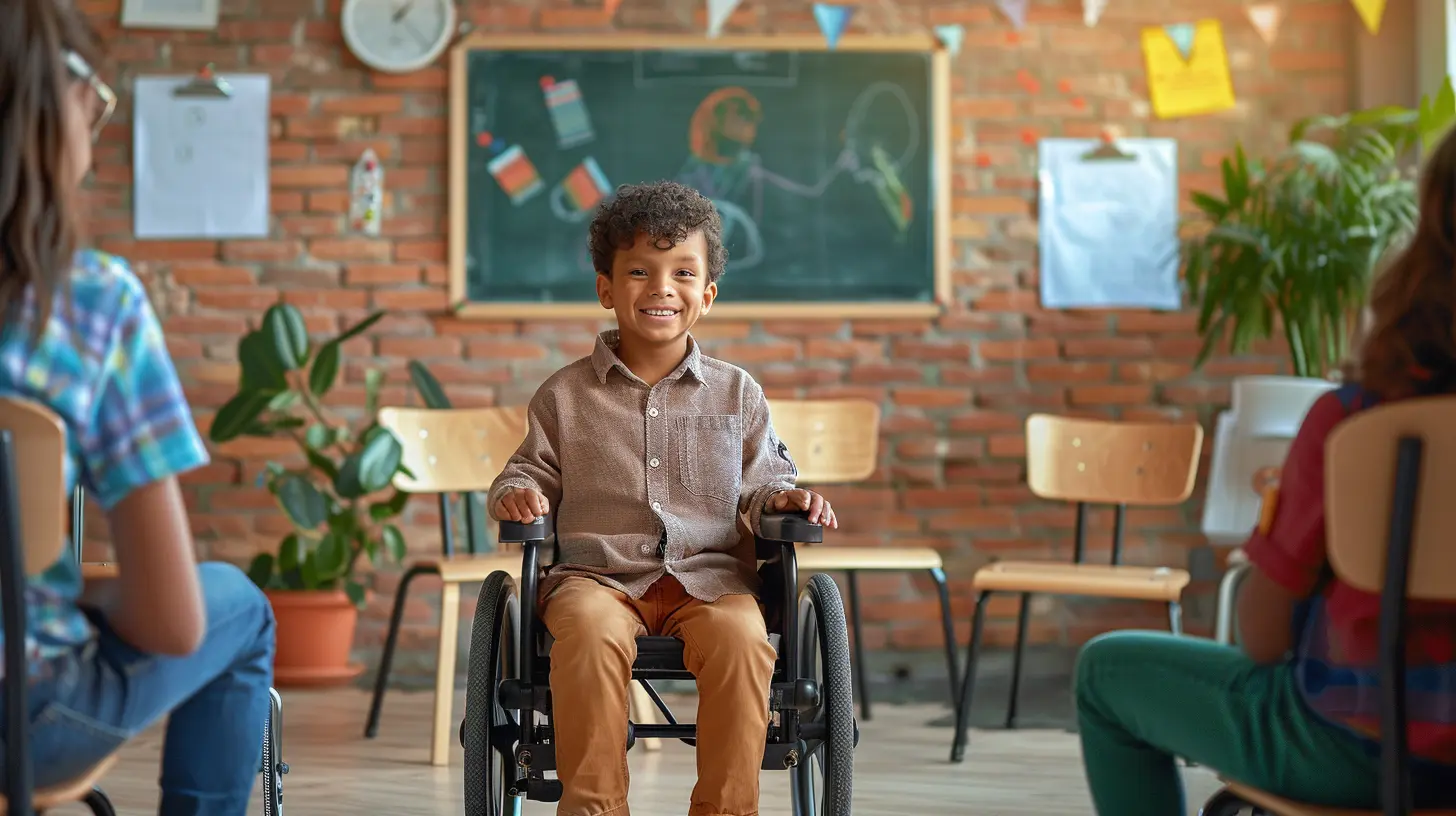
Why Confidence and Independence Matter
Imagine trying to complete a task but constantly second-guessing yourself. Frustrating, right? That's what students with special needs often experience when they lack confidence. Encouraging self-belief and self-sufficiency equips them with the skills they need to tackle real-world challenges.Confidence allows students to try new things without fear of failure, while independence helps them navigate life with less assistance. Together, these qualities foster resilience, problem-solving, and a sense of accomplishment.
Strategies to Build Confidence and Independence
Helping students with special needs become confident and independent learners requires patience, creativity, and the right mindset. Here’s how you can make a difference:
1. Create a Safe and Supportive Environment
Students thrive when they feel safe and accepted. A nurturing environment reassures them that mistakes are part of the learning process.- Use positive reinforcement – Celebrate small achievements to boost confidence.
- Encourage a growth mindset – Teach students that effort leads to improvement.
- Avoid comparisons – Every learner progresses at their own pace. Focus on individual growth rather than competition.
When students feel secure, they’re more willing to take risks and explore new challenges.
2. Set Achievable Goals
Setting realistic, attainable goals gives students a sense of direction and purpose. However, goals should be tailored to their abilities to prevent feelings of frustration or failure.- Start small – Break tasks into manageable steps.
- Make it visual – Charts, checklists, or progress trackers work wonders.
- Celebrate progress – No achievement is too small. Every step forward is worth recognizing.
By accomplishing small goals, students gain motivation to tackle bigger challenges.
3. Encourage Decision-Making
Decision-making fosters independence. Even small choices can build a sense of control and responsibility.- Offer choices – Let students pick activities, snacks, or books.
- Use visual aids – Picture cards or visual schedules can simplify decision-making.
- Respect their choices – Even if the decision isn’t perfect, allowing them to make it helps reinforce autonomy.
When students feel their opinions matter, they develop the confidence to trust their own judgment.
4. Teach Problem-Solving Skills
Life is full of challenges, and students need problem-solving skills to navigate them.- Encourage self-reflection – Ask guiding questions like, "What do you think we should do next?"
- Break problems into steps – Teach a structured approach to finding solutions.
- Allow them to struggle (a little) – Resist the urge to step in immediately. Letting them think through problems builds resilience.
Problem-solving not only builds independence but also strengthens critical thinking skills.
5. Promote Social Skills and Peer Interaction
Confidence often comes from feeling accepted. Social interactions help students develop communication skills, empathy, and self-awareness.- Encourage group activities – Cooperative learning builds teamwork and confidence.
- Teach social cues – Role-playing and social stories can help reinforce positive behaviors.
- Create buddy systems – Pairing students with supportive peers can enhance their social confidence.
When students develop strong social connections, they feel more empowered in their interactions.
6. Use Assistive Technology
Technology can be a game-changer for students with special needs, giving them the tools to express themselves and work independently.- Speech-to-text apps – Help students with writing difficulties.
- Visual schedules – Keep routines structured and easy to follow.
- Learning apps – Interactive games can make learning engaging and accessible.
With the right tech, students can complete tasks they once found overwhelming, boosting both confidence and independence.
7. Encourage Self-Advocacy
Teaching students to speak up for themselves is a crucial step toward independence.- Teach self-expression – Encourage them to voice their needs, preferences, and concerns.
- Role-play real-life situations – Practice conversations about asking for help or expressing opinions.
- Support self-reflection – Help them recognize their strengths and areas for improvement.
When students learn to advocate for themselves, they develop strong self-esteem and a sense of empowerment.
8. Build Daily Life Skills
Independence isn’t just about academics—it’s about thriving in everyday situations.- Teach personal care tasks – Dressing, hygiene, and meal prep are essential skills.
- Encourage responsibility – Assign small chores based on their abilities.
- Practice real-world scenarios – Shopping, using public transport, or handling money builds confidence.
Mastering daily skills gives students a sense of accomplishment and the ability to function more independently.
9. Provide Emotional Support
Students with special needs often struggle with self-doubt. Offering emotional support can make all the difference.- Be patient and understanding – Progress takes time, and frustration can happen.
- Listen actively – Acknowledge their feelings and encourage open communication.
- Encourage positive self-talk – Help them reframe negative thoughts into empowering statements.
Having a strong emotional support system reassures students that they are capable and valued.
10. Encourage a "Can-Do" Attitude
A positive mindset shapes how students approach challenges.- Model confidence – Show them that mistakes are learning opportunities.
- Use encouraging language – Swap "You can't do this" for "You’re still learning, and that’s okay."
- Highlight strengths – Remind them of their unique abilities and talents.
Helping students believe in themselves is one of the greatest gifts you can give.

Final Thoughts
Confidence and independence don’t develop overnight. It takes patience, consistency, and a supportive environment to help students with special needs believe in their abilities.Every small achievement, whether it’s making a decision, solving a problem, or mastering a basic life skill, contributes to their self-growth. As educators, parents, and caregivers, our role is to guide, support, and cheer them on as they navigate their journey toward independence.
By fostering confidence and self-sufficiency, we empower students to step into the world with courage and resilience. Because at the end of the day, every child deserves to feel capable, independent, and unstoppable.
all images in this post were generated using AI tools
Category:
Special EducationAuthor:

Anita Harmon
Discussion
rate this article
2 comments
Christopher Abbott
Empowering students with special needs to build confidence and independence isn’t just about support; it’s about fostering resilience, celebrating small victories, and creating a safe space for growth.
February 13, 2026 at 5:11 AM
Anita Harmon
Thank you for highlighting the importance of resilience and celebrating small victories; they are crucial elements in fostering confidence and independence in students with special needs. Your insights enrich the conversation!
Anna Summers
This article offers valuable insights into fostering confidence and independence in students with special needs. Your compassionate approach and practical strategies can truly make a difference in their lives. Thank you for highlighting the importance of encouraging autonomy—every step toward self-reliance is a step toward empowerment!
January 23, 2026 at 5:25 AM
Anita Harmon
Thank you for your thoughtful feedback! I'm glad you found the insights valuable and appreciate your recognition of the importance of fostering autonomy in students with special needs.