How Self-Directed Learning Will Shape Education in 2027
24 May 2026
Let's be real for a second: the traditional classroom setup is starting to feel like a flip phone in an iPhone world. You know the drill-rows of desks, a teacher droning on, and everyone moving at the same pace whether they get it or not. By 2027, that model is going to look even more outdated. Why? Because self-directed learning isn't just a buzzword anymore. It's the engine that's quietly revving up to reshape how we actually learn, and honestly, it's about time.
Think about it. When was the last time you Googled something random-like how to fix a leaky faucet or why cats purr-and ended up down a rabbit hole of YouTube tutorials and blog posts? That's self-directed learning in action. You didn't wait for a syllabus. You didn't need a teacher to assign homework. You just wanted to know, and you went after it. Now imagine scaling that instinct up for the entire education system. By 2027, that's not a fantasy. It's the reality we're hurtling toward.
Why the Old Model Is Running on Fumes
Look, I'm not here to trash teachers. Teachers are heroes, and they've been holding up a crumbling system with duct tape and coffee for decades. But the factory model of education-where you sit still, absorb info, and spit it back out on a test-was designed for an industrial age that doesn't exist anymore. In 2027, the world will move faster than a TikTok trend. Jobs that don't exist today will be mainstream. Skills like critical thinking, adaptability, and self-motivation will matter more than memorizing the periodic table.The problem is that schools are still treating students like empty vessels waiting to be filled. Self-directed learning flips that script. It says, "Hey, you've got curiosity. Let's run with it." And by 2027, technology will make that leap not just possible, but inevitable.
The Tech That's Fueling the Shift
You can't talk about self-directed learning without talking about the tools. By 2027, AI won't be some sci-fi thing-it'll be your personal tutor, your study buddy, and your career coach all rolled into one. Imagine an AI that watches you struggle with calculus and doesn't just give you the answer, but recommends a specific video, a practice problem, or even a different way to think about it. That's not a robot taking over. That's a tool putting the reins in your hands.And then there's the explosion of open resources. Platforms like Khan Academy, Coursera, and even YouTube have already torn down the walls of the classroom. By 2027, these won't be optional extras. They'll be the main course. Want to learn quantum physics? There's a playlist for that. Need to master Python in three months? There's a roadmap someone else already figured out. The hard part won't be finding information-it'll be choosing what to ignore.
But here's the kicker: technology alone doesn't make you a self-directed learner. It's like giving someone a gym membership and expecting them to get ripped. You still need the drive. The difference by 2027 is that the system will finally start rewarding that drive instead of punishing it.
How It Changes the Classroom (Yes, It Still Exists)
Don't get me wrong-I'm not saying we'll all be learning in isolation, staring at screens in our basements. Classrooms aren't going away. But they'll look different. By 2027, the teacher's role shifts from "sage on the stage" to "guide on the side." Picture this: a history class where instead of lecturing about the Cold War, the teacher helps students design their own research projects. One kid dives into spy tech. Another looks at pop culture. A third studies the economic impact. They all learn the same core content, but they own it.That's the beauty of self-directed learning. It's not about ditching structure-it's about making structure flexible. Schools will start using something called "competency-based progress." You don't move to the next grade because you sat in a chair for 180 days. You move because you actually mastered the material, whether that takes six weeks or six months. For the fast learners, that's a green light to go deeper. For the ones who need more time, it's a safety net.
And let's talk about failure, because that's a huge part of this. In the old model, failure is a scarlet letter-a bad grade that follows you around. In a self-directed system, failure is just a data point. You tried something, it didn't work, you adjust. By 2027, schools will normalize the idea that learning is messy. You don't nail a skill on the first try. You iterate. Like building a Lego castle that keeps collapsing until you figure out the right base.
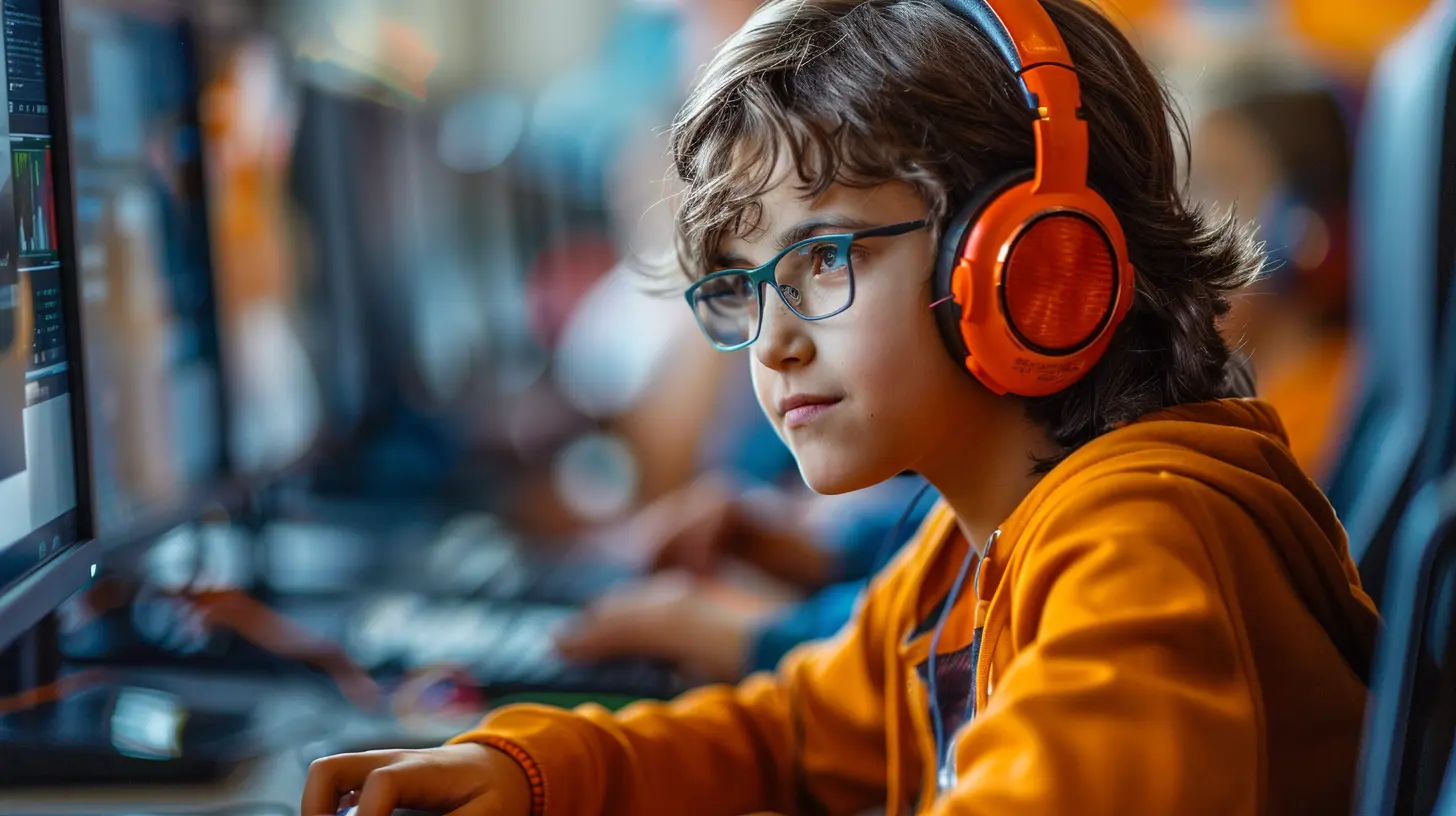
The Real-World Skills Nobody's Teaching
Here's a scary stat: most employers say new grads lack basic skills like time management, communication, and problem-solving. That's because the traditional system spoon-feeds you. Self-directed learning forces you to grow up fast. By 2027, students won't just learn content-they'll learn how to learn.Think about it. When you're self-directed, you have to set your own goals. You have to figure out what resources work for you. You have to keep yourself on track when Netflix is calling your name. These are the exact skills you need in a real job. Nobody's going to hand you a syllabus at work. You've got to figure out what needs to be done and how to do it. By 2027, the kids who've been practicing this since middle school will have a massive head start.
And let's not ignore the elephant in the room: motivation. Critics will say, "But what if kids just play video games all day?" Fair point. But here's the thing-self-directed learning doesn't mean zero guidance. It means giving students agency within a framework. You don't let a 10-year-old decide to never do math. You let them choose whether to learn math through coding, sports analytics, or baking. The subject stays the same. The path changes.
The Role of Parents and Mentors
Parents, you're not off the hook. By 2027, your job will be less about checking homework and more about asking good questions. "What did you discover today?" "What's something you're stuck on?" "How can I help you find the answer?" You become a coach, not a warden.Mentors will also play a bigger role. Imagine a high school student learning graphic design by working with a local web developer once a week. That's not an internship-it's just how learning works. Schools will actively connect students with professionals in the community. By 2027, the line between "school" and "real life" will blur until it's almost invisible.
The Hiccups Nobody Talks About
Let's not sugarcoat it. Self-directed learning isn't a magic wand. Some kids thrive with freedom. Others need more hand-holding. The risk is that we create a two-tier system: the motivated kids soar, and the rest get left behind. That's a real concern, and by 2027, we'll need to address it head-on.The solution isn't to ditch self-direction. It's to build better support systems. That means more one-on-one coaching, better AI that can detect when a student is spinning their wheels, and a culture that celebrates effort over speed. It also means rethinking assessment. If you're learning at your own pace, a standardized test makes about as much sense as using a ruler to measure water.
Another hiccup? Screen time. By 2027, we'll be even more glued to devices. Self-directed learning could easily turn into a Netflix binge of educational content-passive consumption that feels productive but isn't. The key will be active learning. Writing code, building projects, debating ideas. Not just watching videos at 1.5x speed.
What This Means for Higher Ed
Colleges are already sweating. If students can learn high-level skills online for free, why pay tuition? By 2027, universities will have to pivot or perish. We'll see more micro-credentials, stackable certificates, and portfolio-based admissions. The degree won't be the golden ticket anymore. What will matter is what you can actually do.Imagine a 17-year-old who's built a dozen apps, run a small online business, and collaborated with people in three different countries. That portfolio will scream louder than a 4.0 GPA from a school you've never heard of. Self-directed learning makes that possible. It turns education from a passive receipt into an active showcase.
The Bottom Line for 2027
Here's the honest truth: self-directed learning isn't a trend. It's a return to how humans naturally learn. Babies don't need a curriculum to figure out how to walk. They try, fall, watch others, and try again. By 2027, we'll finally stop fighting that instinct and start designing systems that work with it.Will it be perfect? No. There will be chaos, missteps, and kids who game the system. But that's fine. Because the alternative-pretending that every 15-year-old learns best by sitting still and listening to a lecture-is already failing. Self-directed learning gives us a shot at something better: an education that's as unique as the person getting it.
So, what's your next move? If you're a student, start today. Pick one thing you're curious about and dive in. If you're a parent, ask your kid what they'd love to learn and help them find a path. If you're an educator, experiment with giving your students more choice. The future isn't 2027. It's right now. And it's yours to shape.
all images in this post were generated using AI tools
Category:
Self Directed LearningAuthor:

Anita Harmon
Discussion
rate this article
1 comments
Haven McConnell
Self-directed learning empowers individuals to take charge of their education, fostering creativity and critical thinking for the future.
May 29, 2026 at 4:25 AM
Anita Harmon
Absolutely! Self-directed learning is key to shaping innovative thinkers who can adapt and thrive in the future.