How Self-Assessment Fosters a More Engaged Classroom Environment
30 March 2026
Let’s face it—when it comes to education, students are not exactly sprinting into the classroom waving pom-poms, shouting, “Yay! Test time!” And teachers? They’re not always psyched to be the judge, jury, and executioner of every assignment either.
But what if there was a way where students could take the driver’s seat, reflect on their own learning, and (wait for it)... actually become more interested in the journey?
Yeah, I’m talking about self-assessment—the educational equivalent of holding up a mirror to your brain and saying, “Hey, how are we doing in here?”
Let’s unpack how this magical tool can turn sleepy classrooms into buzzing hives of engaged learners—all without needing to bribe students with pizza or bonus points.
What in the World Is Self-Assessment, Anyway?
Before we dive into the deep end, let's splash around in the shallow waters of basics.Self-assessment is simply this: students evaluating or reflecting on the quality of their own work and learning. It’s like a learning selfie, except instead of trying to find your good side, you’re figuring out your weak spots and strengths.
But it’s not just about checking boxes or giving themselves a gold star (although, who doesn’t love a gold star?). It’s about taking ownership of the learning process and knowing what’s working, what’s not, and how to improve.
Think of it like learning with a GPS. You can wander all you want, but unless you know where you are, it’s pretty hard to reach your destination.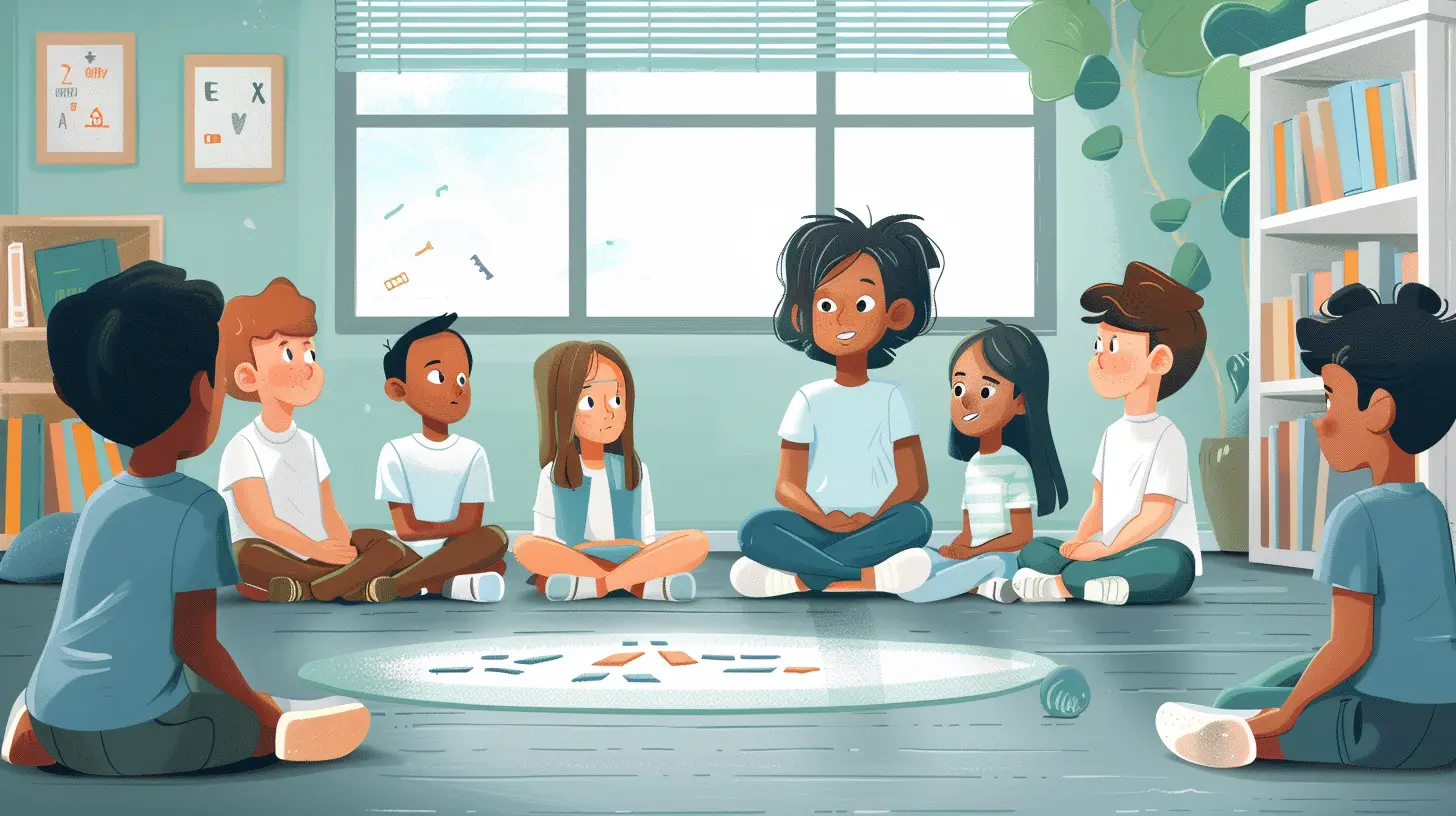
Why Should We Let Students Judge Their Own Work? Isn’t That Like Letting the Fox Guard the Henhouse?
Fair question. We all know students who’d give themselves an A+ for breathing.But here’s the thing—self-assessment isn’t just about assigning grades. It’s about building metacognitive muscles—helping students think about their thinking. It’s like brain yoga.
When students pause, reflect, and ask themselves, “Did I actually understand this?” or “Could I have done better?”, something magical happens. Their brains light up brighter than a kid who just heard recess started early.
Engagement 101: Why Self-Assessment Works Like Classroom Catnip
We all want more engaged classrooms, right? Students leaning in, asking questions, caring about their work. Unicorn stuff.Well, self-assessment is like sprinkling engagement glitter everywhere. Here's why:
1. Students Become Active Participants—Not Passive Zombies
Handing students their own learning compass makes them active navigators, not backseat passengers. Instead of waiting to be told what's right or wrong, they start analyzing their choices, questioning their methods, and identifying patterns in how they learn.Basically, they stop being academic zombies and start becoming learning detectives.
🕵️♂️ “Hmm, I got this math problem wrong. Was it because I rushed? Didn’t understand the formula? Or watched 3 hours of cat videos instead of studying?”
Boom. Engagement.
2. Builds a Growth Mindset Without the Cringe Posters
You’ve probably seen those classroom posters: “Mistakes help us grow!” or “Failure is the first step to success!”Nice sentiment, but if we’re being honest, they can feel a bit... stale.
Self-assessment demonstrates this idea in action. When students reflect on what they did well and where they stumbled, they start seeing learning as a process—not a verdict.
It’s like turning test scores into stepping stones instead of brick walls.
3. Instant Feedback Without the Waiting Game
Remember the agony of waiting for test results? You’d convince yourself you failed algebra and start preparing alternative life plans involving beachside smoothie stands.With self-assessment, students can get immediate insights. Instead of waiting two weeks for a paper to come back bleeding red ink, they think about their own work right after doing it.
It’s like the Amazon Prime of feedback: quick, direct, and no shipping delays.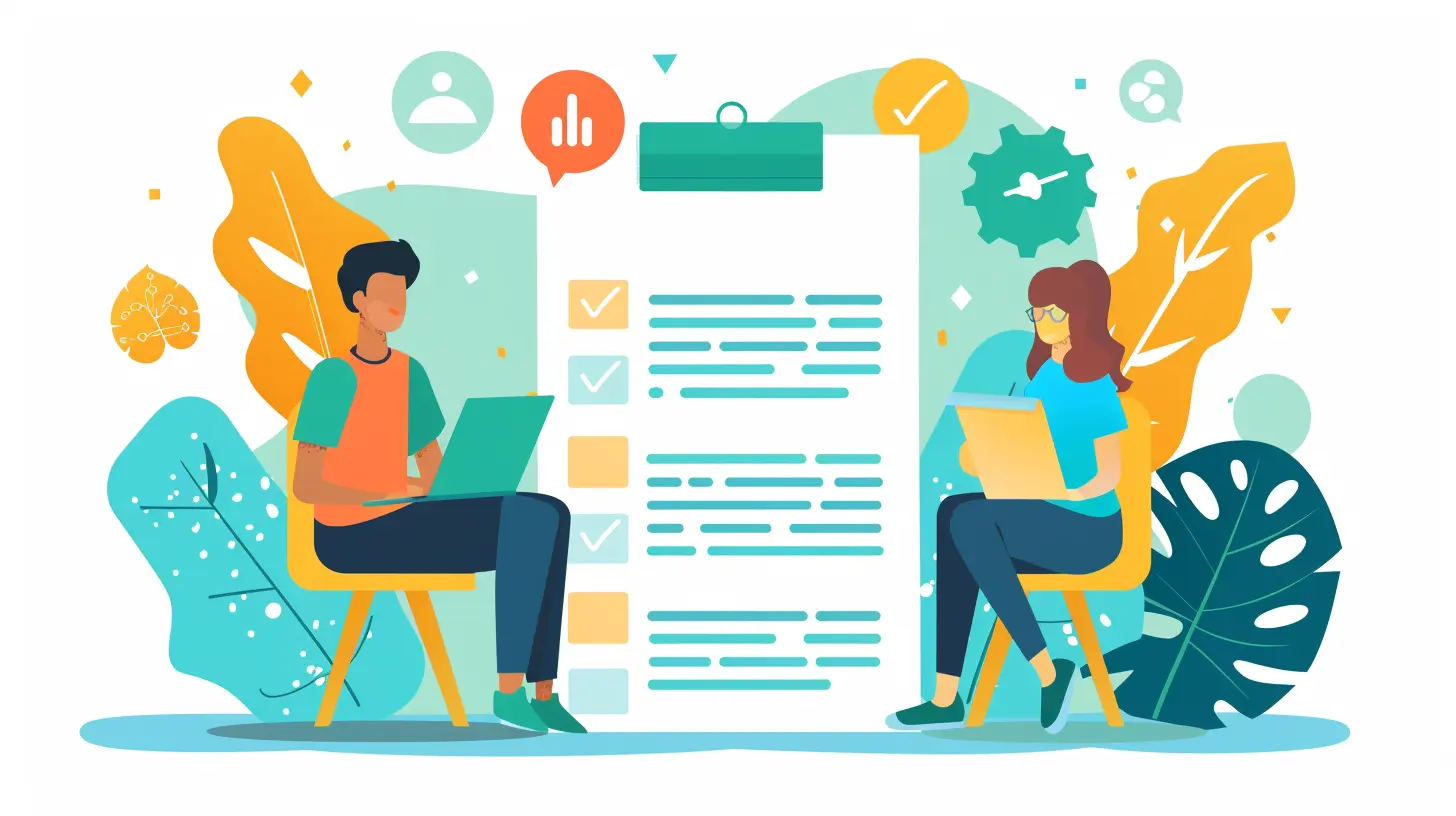
Different Flavors of Self-Assessment (It’s Not One-Size-Fits-All)
Here’s the sweet part: self-assessment comes in many delicious varieties. You don’t have to force every kid to write a reflection journal if they’d rather wrestle a bear.Let’s break down a few tasty options:
✅ Checklists and Rubrics
Want to keep things simple? Give students a checklist or rubric before an assignment and have them rate themselves afterward.Bonus points if they fill out the rubric with the confidence of a reality TV judge: “I give my introduction a 7.5—could've had more spice.”
📝 Learning Logs and Journals
Have students track their progress through journals or logs. It’s like a fitness journal but for your brain.Simple prompts like:
- What did I find easy today?
- What confused me?
- How could I improve next time?
Not only do journals help with self-assessment, but they’re also goldmines for teachers trying to decode what's working.
👥 Peer Reviews
Sometimes seeing how someone else did it makes your strengths and weaknesses clearer. Pair students up and have them assess each other’s work—like an academic buddy system.Just make sure they know this isn’t Fight Club. Constructive only, people.
🎥 Video or Audio Reflections
Not every student is a fan of writing. Let them record reflections instead. They feel more personal and more engaging, and let’s face it—students love hearing themselves talk.Teachers, Don’t Worry—You’re Not Being Replaced
Now, if you’re a teacher reading this and thinking, “Wait, so my students grade themselves and I just lounge around with a coffee?”, sorry to burst that beautiful daydream. But self-assessment isn’t about replacing you. It’s about making your job easier (and a lot more fun).You'll still guide, support, and coach students. But instead of being the only one doing all the thinking, you get company. It's like teaching with a co-pilot.
And bonus? You get insights into how students see their own learning. That’s like having the teacher’s version of X-ray vision.
Common Self-Assessment Pitfalls (And How to Avoid Them Like a Ninja)
Sure, self-assessment sounds great. But it’s not without its potholes. Don’t worry—we’ve got a ninja toolkit for that.❌ Pitfall #1: “I’m Awesome at Everything!”
Overconfidence is real. Some students may think they’re nailing it when they... aren’t.Ninja Move: Model honesty. Show examples where self-assessment was brutally honest and led to massive improvement. Encourage humility and self-awareness.
❌ Pitfall #2: “I Don’t Know How to Self-Assess”
Yep, some students may stare blankly when handed a rubric. That’s normal.Ninja Move: Teach them how to reflect. Practice with easy examples. Use prompts. Think of it like training wheels for their brains.
❌ Pitfall #3: “This Is a Waste of Time”
Some students (and let’s be real—some teachers) may think self-assessment feels fluffy or pointless.Ninja Move: Show the impact. Post before-and-after examples. Celebrate growth. Help students connect the dots between reflection and real improvement.
Real Talk: The Long-Term Perks Are Huge
Let’s zoom out for a second.Sure, self-assessment helps in math class or when writing essays. But it also teaches students some major big-life skills:
- Critical thinking
- Self-awareness
- Responsibility
- Problem-solving
- Motivation
These are the kinds of traits colleges look for. Heck, these are the traits employers drool over. So really, self-assessment is like educational spinach—might not seem glamorous, but it builds strong learners for life.
Classrooms That Don't Feel Like Classrooms? Yes, Please.
When students start owning their learning, something weird and wonderful happens: school stops feeling like prison and starts feeling like a playground (okay, maybe not exactly, but we're getting closer).And more engagement means:
- Fewer distractions
- Better conversations
- Higher quality work
- Less teacher burnout
Honestly, it’s a win-win-win-win.
Final Thoughts: Reflection Is the New Superpower
If kids can reflect on their TikTok strategies, gaming techniques, and ways to convince parents they studied, they can totally reflect on schoolwork, too.Self-assessment isn't a magic wand—but it's pretty darn close. It fosters curiosity, independence, and ownership. And when students see themselves not just as learners but as evaluators of their own growth, the classroom transforms.
No gimmicks. No dog-and-pony shows. Just deeper learning and way more engagement.
So, next time you’re tempted to slap a grade on an essay and move on—pause. Ask your students what they think first.
You might just find the classroom starts feeling way less like a chore and way more like a collaboration.
And hey, you might even start handing out your own gold stars.
all images in this post were generated using AI tools
Category:
Self AssessmentAuthor:

Anita Harmon
Discussion
rate this article
2 comments
Hesper McElroy
Self-assessment transforms passive learners into active participants, fueling engagement and ownership of education. By reflecting on their own learning journeys, students not only grasp content better but also cultivate a richer, more collaborative classroom dynamic. A win-win!
April 6, 2026 at 3:46 AM
Anita Harmon
Thank you for your insightful comment! I completely agree—self-assessment truly empowers students and enhances classroom dynamics. It's a vital tool for fostering engagement and ownership in learning.
Maddox McDaniel
Self-assessment isn’t just a buzzword; it’s the secret sauce for a lively classroom! When students take the reins of their learning, they trade boredom for engagement. So, let’s ditch the old-school methods and embrace self-reflection—because who wouldn’t want to turn up the classroom vibe?
March 31, 2026 at 12:03 PM
Anita Harmon
Absolutely! Self-assessment empowers students and transforms their learning experience, fostering greater engagement and a vibrant classroom atmosphere. It's a game-changer!