How Project-Based Learning is Shaping the Future of Education
31 August 2026
Education has changed a lot over the years. Gone are the days when students sat in rows, silently listening to long lectures, jotting down notes, and memorizing facts just to regurgitate them during exams. Today's world demands hands-on experience, critical thinking, and real-world problem-solving skills. That’s where Project-Based Learning (PBL) comes in.
PBL is not just a passing trend; it's a revolution in education. It’s shaping the way students learn, preparing them for the real world by engaging them in meaningful, hands-on projects. But what makes this approach so effective? And why is it becoming the future of education? Let’s dive in! 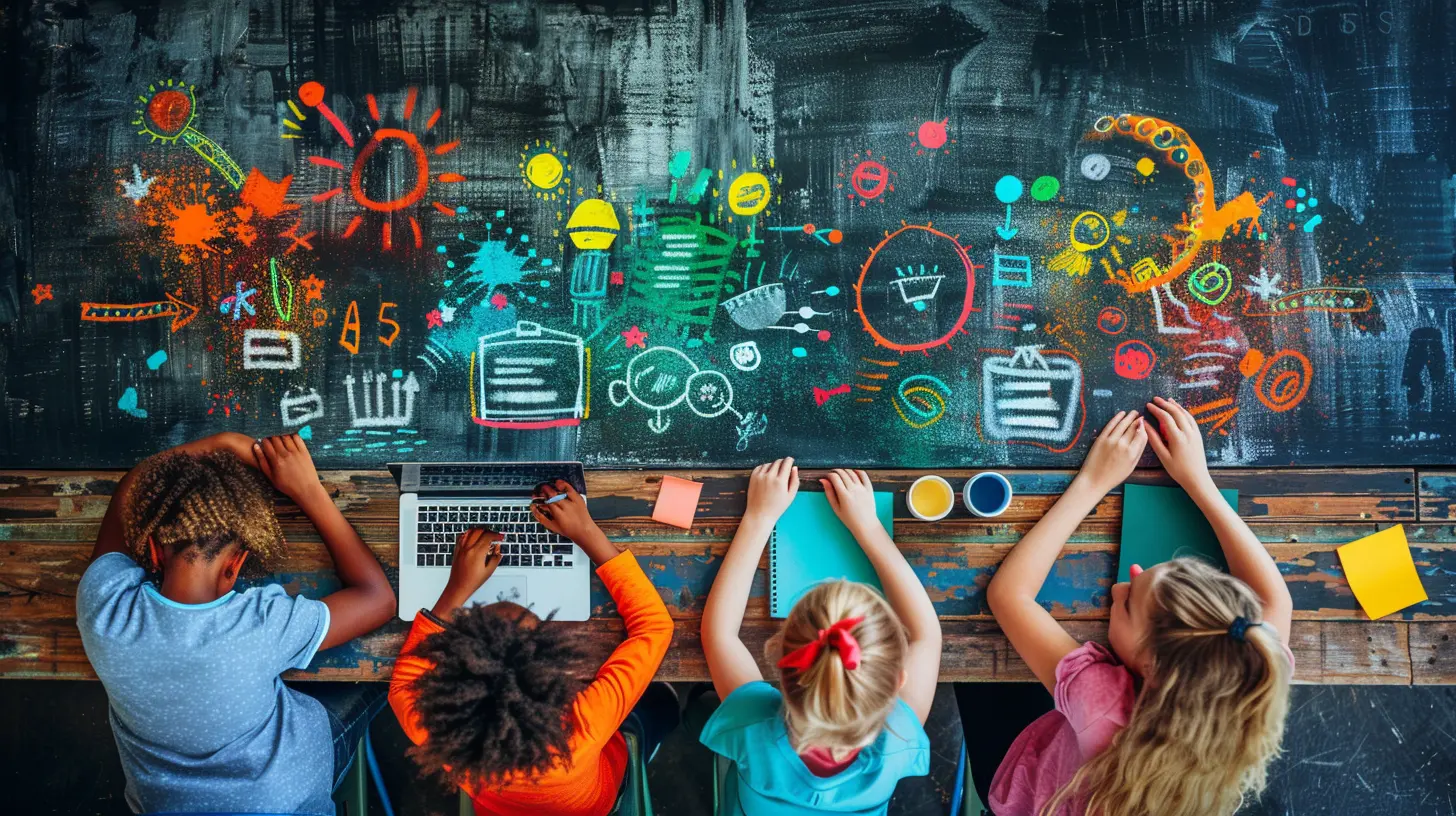
What is Project-Based Learning?
At its core, Project-Based Learning (PBL) is an instructional approach where students learn by actively engaging in real-world and personally meaningful projects. Instead of passively absorbing information, students explore, collaborate, and create—just like in real life.Think of it this way: instead of reading about environmental issues in a textbook, students might work together to design a local recycling program. They research, propose solutions, and present their findings, making learning much more immersive and impactful. 
Why Traditional Learning Methods Are Losing Their Edge
Let’s be real—traditional education has its flaws. Sitting in a classroom for hours, trying to absorb information from a textbook is hardly the most exciting or effective way to learn. Here’s why the old-school approach is becoming outdated:- Lack of Engagement: Listening to lectures and memorizing facts can be boring. Students often lose interest and motivation.
- Limited Real-World Application: Memorizing information for a test doesn’t necessarily mean you understand how to apply it in real life.
- Minimal Collaboration: Traditional learning often focuses on individual performance rather than teamwork, which is a crucial skill in today’s job market.
- One-Size-Fits-All Approach: Every student learns differently, but traditional methods rarely accommodate different learning styles.
The world is evolving, and education must evolve with it. That’s where Project-Based Learning comes in! 
The Key Benefits of Project-Based Learning
PBL isn’t just about making learning "fun"—it has real educational benefits that help students develop essential skills for the future. Here’s how:1. Enhances Critical Thinking and Problem-Solving Skills
When students engage in projects, they’re forced to think critically. They encounter obstacles, analyze situations, and come up with creative solutions, just like in the real world.For example, suppose a class is working on a project about sustainable energy. Instead of memorizing facts about solar panels, they might design a model for a solar-powered home, pushing them to apply what they learn.
2. Encourages Collaboration and Communication
In most careers, working in a team is essential. PBL fosters collaboration by encouraging students to work together, share ideas, debate, and problem-solve as a group.Picture a group of students designing a mobile app. They’ll need to discuss ideas, delegate tasks, and communicate effectively—exactly what they’ll face in the workplace.
3. Makes Learning More Engaging and Meaningful
Ever heard students ask, “When will I ever use this in real life?” With PBL, that question doesn’t come up as often. Projects are relevant, realistic, and connected to the real world, making learning exciting and purposeful.Instead of reading about historical events, students might create a documentary or perform a play about them. This hands-on approach makes learning much more memorable.
4. Develops Independence and Self-Management
PBL encourages students to take ownership of their learning, which helps develop independence. Instead of relying on teachers to provide all the answers, students research, plan, and execute their ideas, teaching them time management and responsibility.Imagine a student working on a business start-up project. They’ll have to set goals, manage deadlines, and stay organized—all essential skills for future success.
5. Prepares Students for the Future Job Market
Many traditional curriculums don’t teach practical skills needed in the workforce. But with PBL, students develop:- Teamwork and leadership skills
- Problem-solving abilities
- Creative thinking and innovation
- Real-world technical skills
Employers prefer candidates who can think on their feet, work well with others, and adapt to new challenges—all skills honed through PBL. 
Real-World Examples of Project-Based Learning
PBL isn’t just a theory—it’s already being used in schools worldwide with incredible success. Here are a few inspiring examples:1. The Edible Schoolyard Project (USA)
Students at this school don’t just read about nutrition and plant life—they grow their own food in a school garden. They learn about biology, sustainability, and healthy eating habits in an interactive and engaging way.2. STEM Robotics Competitions (Worldwide)
Many schools incorporate robotics into their curriculum. Students design, build, and program robots to compete in challenges, learning engineering, coding, and problem-solving all at once.3. Social Entrepreneurship Projects (Various Countries)
Some schools challenge students to create their own startups aimed at solving social problems. This gives them hands-on experience in business, economics, and innovation.These examples prove that learning doesn’t have to happen within four walls—students can engage with real-world problems and develop essential life skills.
How Schools and Teachers Can Implement PBL
So, how can schools shift from traditional methods to a more project-based approach? Here are some practical steps:1. Start Small
Teachers don’t have to overhaul the entire curriculum overnight. Begin with small projects that encourage student engagement and hands-on learning.2. Encourage Inquiry and Curiosity
Instead of handing students fixed lesson plans, let them ask questions and explore topics that interest them. This boosts motivation and engagement.3. Integrate Real-World Problems
Try to connect lessons to real issues—climate change, poverty, technology advancements, etc. This makes learning more relevant and purposeful.4. Foster Collaboration
Group projects help students develop teamwork and communication skills. Encourage collaborative assignments instead of individual-only tasks.5. Use Technology to Enhance Learning
From online simulations to virtual reality experiences, tech can make PBL even more immersive. For instance, students can take virtual field trips or use AI-powered tools to analyze data.Conclusion: The Future is Project-Based
Project-Based Learning is more than just an education trend—it’s a necessary shift in how we teach the next generation. With its ability to boost engagement, develop real-world skills, and prepare students for future careers, PBL is quickly shaping the future of education.As we move forward, it’s essential for schools, teachers, and parents to embrace this new way of learning. After all, education isn't just about passing tests—it's about preparing students for life beyond the classroom.
So, are we ready to rethink education? The future is hands-on, creative, and learner-driven—and PBL is leading the way!
all images in this post were generated using AI tools
Category:
Education ReformAuthor:

Anita Harmon
Discussion
rate this article
2 comments
Heather Morris
Project-based learning sparks creativity and collaboration, making education fun and preparing students for real-world challenges!
September 22, 2026 at 2:33 AM
Tessa Hughes
Project-based learning truly opens the door to a more engaging educational experience. It empowers students to collaborate, think critically, and apply their knowledge in real-world scenarios. I'm excited to see how this approach will continue to shape learning, making it more relevant and enjoyable for everyone involved.
August 31, 2026 at 3:41 AM
Anita Harmon
I completely agree. Project-based learning not only makes education more relevant but also fosters essential skills that students need in today's world. It's exciting to see its impact on engagement and collaboration.