How LMS Analytics Are Shaping Personalized Education
14 November 2026
The landscape of education is evolving rapidly, and at the forefront of this transformation is Learning Management System (LMS) analytics. These analytics are not just numbers on a screen; they are powerful tools that can shape personalized education, tailoring learning experiences to individual needs. This article will delve into how LMS analytics work, their impact on personalized education, and what educators and institutions need to consider when implementing these tools.

Understanding LMS Analytics
What Are LMS Analytics?
LMS analytics refer to the collection, measurement, analysis, and reporting of data generated by learners' interactions within an LMS. This data can include various metrics, such as course completion rates, time spent on tasks, assessment scores, and engagement levels. By analyzing this data, educators can gain insights into how students learn and where they may struggle.The Role of Data in Education
The use of data in education is not new, but the sophistication of LMS analytics offers unprecedented opportunities. Data-driven decision-making allows educators to identify trends, understanding not just what students are learning, but how they are learning. It shifts education from a one-size-fits-all approach to a more customized experience.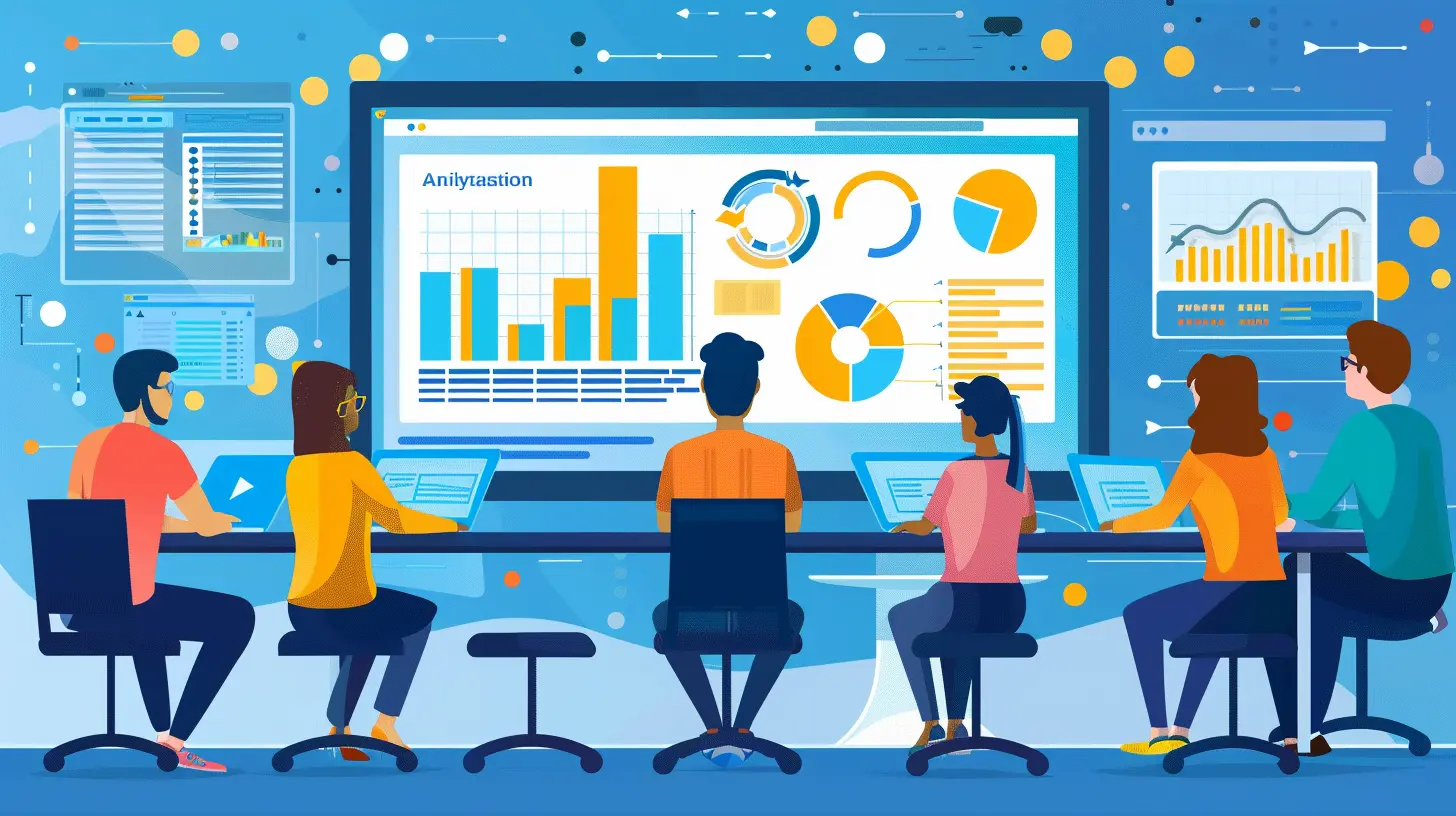
The Impact of LMS Analytics on Personalized Education
Tailoring Learning Experiences
One of the most significant benefits of LMS analytics is the ability to tailor learning experiences. By analyzing data, educators can identify which students need more support and which are excelling. This allows for differentiated instruction, where teaching methods and materials are adjusted based on individual student needs.Example: Adaptive Learning Paths
Consider a scenario where an LMS identifies a group of students struggling with a particular math concept. Instead of continuing with the standard curriculum, the educator can create adaptive learning paths. These paths might include additional resources, like interactive exercises or video tutorials, tailored to the specific needs of those students.Enhancing Engagement
Engagement is critical to successful learning outcomes. LMS analytics can highlight patterns in engagement, showing which resources students interact with most and which ones are underutilized. This information can help educators tweak course content and delivery methods to increase engagement.Real-World Application: Gamification
For instance, an educator may notice that students are not engaging with traditional assessments, leading to low completion rates. By integrating gamification elements-like quizzes with leaderboards or achievements-based on analytics insights, the educator can create a more engaging learning environment that motivates students.Identifying At-Risk Students
LMS analytics can also help in identifying at-risk students early on. By tracking data such as login frequency, time spent on coursework, and assessment performance, educators can spot warning signs of disengagement or academic struggle.Proactive Interventions
When these patterns emerge, proactive interventions can be implemented. For example, if a student logs into the LMS infrequently and has low assessment scores, an educator can reach out to offer support or additional resources before the situation worsens.
Best Practices for Implementing LMS Analytics
Choosing the Right LMS
Not all LMS platforms offer the same level of analytics capabilities. When selecting an LMS, educators should consider the following:1. Data Granularity: Look for platforms that provide detailed analytics, not just aggregates.
2. User Interface: A user-friendly interface can make it easier for educators to interpret data.
3. Integration Capabilities: Ensure the LMS can integrate with other tools, such as student information systems.
Training Educators
Implementing LMS analytics is not just about technology; it requires well-trained educators who can interpret data effectively. Professional development sessions on data literacy can empower teachers to leverage analytics in their instruction.Creating a Culture of Data Use
For LMS analytics to be effective, there needs to be a cultural shift towards data use in education. This involves encouraging educators to view data as a tool for improvement rather than a means of evaluation. Building this culture takes time and commitment but can lead to significant improvements in student outcomes.Privacy and Ethical Considerations
With the rise of data use in education, ethical considerations come into play. Educators and institutions must prioritize student privacy and ensure that data is used responsibly. Clear policies should be in place regarding data collection, storage, and sharing.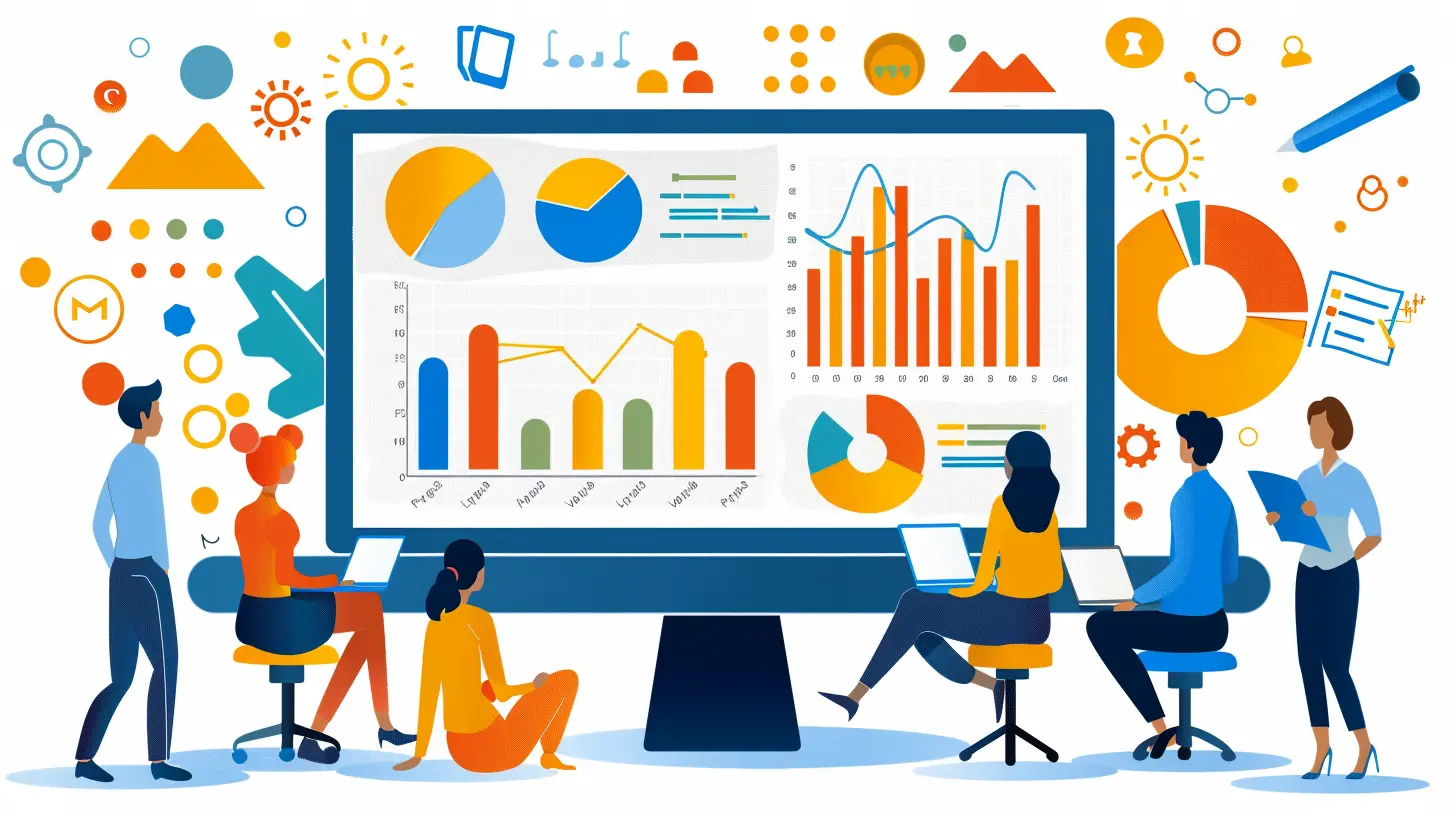
Common Misconceptions About LMS Analytics
Data Equals Knowledge
A common misconception is that simply having data equates to understanding. Data must be analyzed and interpreted thoughtfully. Gathering data without a clear strategy for how to use it can lead to confusion and misguided decisions.One Size Fits All
Another misconception is assuming that analytics will provide a one-size-fits-all solution. While analytics can guide personalized education, each student is unique. It's essential to approach data with flexibility and creativity, tailoring interventions to individual needs rather than applying generic solutions.Overreliance on Technology
While technology plays a crucial role in education today, overreliance on LMS analytics can detract from the human element of teaching. Educators should balance data-driven insights with their professional judgment and experience.Challenges in Using LMS Analytics for Personalized Education
Data Overload
One challenge with LMS analytics is the potential for data overload. With so much information available, educators can feel overwhelmed and unsure of where to focus their efforts.Solution: Prioritize Key Metrics
To combat this, educators should prioritize key metrics that align with specific learning goals. By focusing on a few critical indicators, they can make data more manageable and actionable.Resistance to Change
Implementing new technologies and data practices can be met with resistance from staff who are accustomed to traditional teaching methods.Solution: Communicate Benefits
Communicating the benefits of LMS analytics is essential. Sharing success stories, providing training, and demonstrating how data can enhance teaching can help ease the transition.Limited Resources
Many institutions face budget constraints that can limit the implementation of advanced LMS analytics.Solution: Start Small
Organizations can begin with basic analytics features and gradually incorporate more sophisticated tools as resources allow. This incremental approach ensures that institutions can adjust to new technologies without overextending themselves.
Future Trends in LMS Analytics
AI and Machine Learning
The future of LMS analytics lies in the use of artificial intelligence (AI) and machine learning. These technologies can analyze data patterns more efficiently and make predictive recommendations for personalized learning paths.Implication for Educators
Educators can expect to receive insights on students' predicted performance or areas where they may need support, allowing for even more proactive teaching strategies.Real-Time Analytics
As technology advances, so does the capability for real-time analytics. This means educators can receive immediate feedback on student performance and engagement, allowing them to adjust instruction on the fly.Integration with Other Learning Tools
The future will likely see LMS analytics integrated with various learning tools, providing a more holistic view of student learning. This will enable educators to track a student's journey across different platforms, creating a comprehensive learning profile.Conclusion
LMS analytics are reshaping personalized education by transforming how we understand and respond to student learning. By leveraging data effectively, educators can tailor instruction, enhance engagement, and proactively support students. However, implementing these tools requires careful consideration, training, and a commitment to ethical practices. As we look to the future, the integration of advanced analytics and real-time data will further enhance our ability to provide personalized learning experiences.In this evolving landscape, educators who embrace LMS analytics will be well-equipped to foster student success in ways that were previously unimaginable.
all images in this post were generated using AI tools
Category:
Learning Management SystemsAuthor:

Anita Harmon