How Augmented Reality Will Integrate into LMS by 2027
19 May 2026
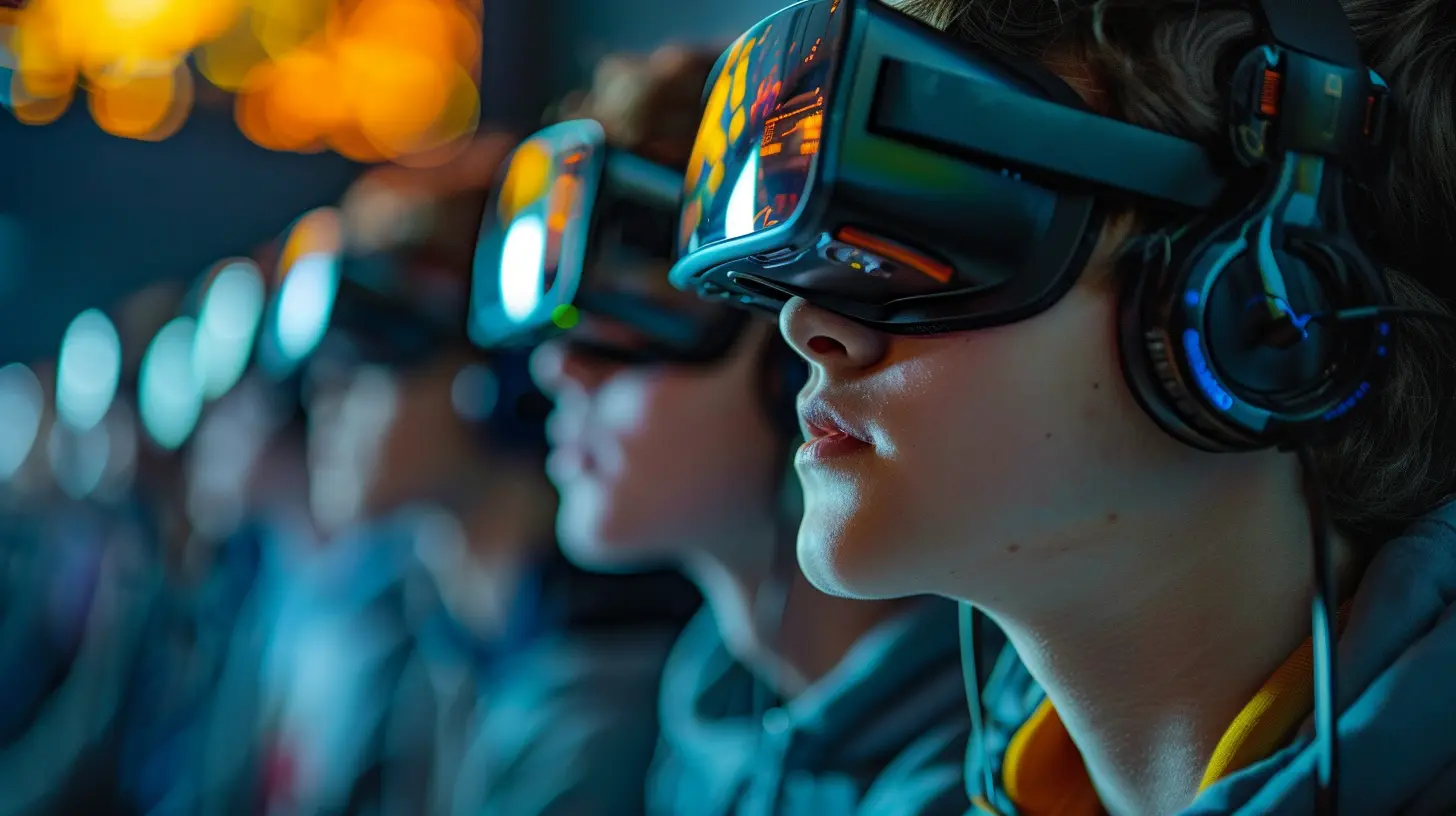
Remember the first time you saw a hologram in a sci-fi movie? It felt like a distant dream. But here we are, in 2025, and augmented reality (AR) is already slipping into our daily lives. You've probably used AR to try on sunglasses before buying them online or to see how a couch fits in your living room. Now, imagine that same magic applied to learning. Not just watching a video about the solar system, but actually seeing planets orbit around your desk. That's where we're heading. By 2027, augmented reality won't just be a cool add-on for Learning Management Systems (LMS). It will be woven into the fabric of how we teach and train. Let's dive into how this integration will actually happen, without the hype, and with a clear look at the nuts and bolts.
The Shift from Flat Screens to Immersive Spaces
Think about your current LMS. It's probably a dashboard full of PDFs, video links, and multiple-choice quizzes. It's functional, but let's be honest-it can be boring. We're asking people to learn complex skills through a flat screen, which is like trying to learn how to swim by reading a brochure about water. By 2027, the LMS will start to feel less like a library and more like a workshop.
The core change is that AR will break the fourth wall of the screen. Instead of clicking "next" on a slide, you'll point your phone or wear a pair of lightweight glasses, and the lesson will pop up right in front of you. For example, a medical student studying anatomy won't just look at a diagram of the heart. They'll see a 3D heart floating in their room, beating in real time, with labels they can touch (virtually) to learn more. The LMS won't just deliver content; it will deliver context. This is a massive leap from passive consumption to active exploration.
Why 2027 Is the Sweet Spot
You might wonder, why 2027? Why not this year? The answer is a mix of hardware maturity and software standards. Right now, AR headsets are still clunky and expensive. The average person doesn't own one. But by 2027, industry analysts predict that lightweight, affordable AR glasses will hit the mainstream, similar to how smartphones became ubiquitous around 2010. At the same time, LMS platforms like Moodle, Canvas, and Blackboard are already building open APIs (Application Programming Interfaces) to support third-party tools. By 2027, these APIs will be robust enough to let AR content plug in directly, without needing a separate app or a tech wizard to set it up.
Think of it like this: In 2020, video conferencing tools like Zoom were a temporary fix. By 2023, they became a permanent part of work. AR in LMS will follow a similar curve. The infrastructure is being laid right now. For instance, WebXR (a standard for browser-based AR) is improving fast. By 2027, you won't need to download a special app. You'll just open a course in your LMS, click a button, and your browser will launch an AR experience. That's the kind of frictionless integration that changes everything.
How AR Will Change Course Design
Let's get practical. How will instructors actually build AR lessons without needing a degree in computer graphics? The answer lies in no-code tools. By 2027, LMS platforms will include drag-and-drop AR builders. Imagine creating a history lesson about ancient Rome. Instead of writing a paragraph about the Colosseum, you'll upload a 3D model (from a library like Sketchfab), place it in the lesson, and add interactive pins. Students will then see the Colosseum on their desk and can tap on its arches to learn about gladiators. It's like turning your course into a museum exhibit.
This shift will also change assessment. Quizzes won't just be multiple choice. An engineering student might have to assemble a virtual engine using AR, and the LMS will track every step-did they put the piston in before the cylinder head? The system will give instant feedback. This is a game-changer for skills-based training. We're moving from "did you read the chapter?" to "can you actually do the task?"
The Role of AI in Making AR Smarter
AR alone is just a pretty picture. But combine it with AI, and you get a tutor that adapts to you. By 2027, LMS platforms will use AI to analyze how you interact with AR content. If you keep struggling with a specific part of a virtual lab, the system will automatically offer a simplified version or a hint. If you breeze through it, it will throw in a harder challenge. This is personalized learning on steroids.
Let's use an analogy. Think of a traditional LMS as a one-size-fits-all textbook. AR with AI is like a private coach who watches your every move and adjusts the drill. For example, a welding student wearing AR glasses will see a virtual overlay on their real workspace. The AI will detect if their hand angle is off by two degrees and highlight the correction. The LMS logs this data, so the instructor knows exactly who needs extra help, without having to hover over each student. It's not about replacing teachers; it's about giving them superpowers.
Breaking Down the Technical Integration
Now, let's talk about the boring but essential stuff: how AR will actually plug into an LMS. The key is interoperability. Right now, most AR content is siloed in its own app. By 2027, standards like SCORM (Sharable Content Object Reference Model) and xAPI (Experience API) will evolve to support AR. Imagine a SCORM package that includes a 3D model and interaction scripts. When a student opens it, the LMS will ping their device to check if it's AR-capable. If yes, it launches the experience. If not, it shows a 2D version. This graceful fallback is critical.
Also, think about data tracking. In 2027, your LMS will track more than just time spent and quiz scores. It will track gaze duration (where you looked), hand movements, and even emotional responses via facial recognition (if you opt in). This sounds a bit creepy, I know, but in a training context, it's powerful. For instance, if a student shows confusion (slower gaze, repeated actions), the LMS can flag that moment for the instructor. The goal is to make learning visible, not just gradeable.
Real-World Use Cases You'll See Soon
Let's paint a picture of what a typical day might look like in 2027 for different learners.
- Healthcare Training: A nursing student puts on AR glasses. The LMS assigns a module on wound care. Suddenly, a virtual wound appears on a mannequin in the room. The student must clean and dress it. The AR system tracks their tool choice and technique. If they miss a step, the wound "worsens" visually, and the LMS logs the error. After the session, the student reviews a heatmap of their performance.
- Corporate Onboarding: A new hire at a manufacturing plant uses a tablet. The LMS guides them through a virtual tour of the factory floor. They point the tablet at a real machine, and AR labels appear, explaining its function. Later, they complete a safety drill where virtual hazards pop up (like a spill or a moving forklift). The LMS scores their reaction time and decision-making.
- K-12 Education: A fifth grader studying biology points their school-issued tablet at a worksheet. A 3D frog appears, and they can dissect it virtually. The LMS tracks which organs they identified correctly. The teacher gets a report showing that the whole class struggled with the digestive system, so they adjust tomorrow's lesson.
These aren't futuristic fantasies. These are demos that exist today in labs. By 2027, they'll be standard features in your LMS subscription.
Challenges That Won't Disappear Overnight
I'd be lying if I said this integration will be smooth. There are real hurdles. First, bandwidth. AR streams a lot of data. Schools and companies in rural areas might struggle with lag. By 2027, 5G will help, but it's not universal. Second, device equity. Not every student will own AR glasses. The solution will be a "bring your own device" approach, where phones and tablets work as entry points. But phone-based AR is less immersive, so the experience won't be equal.
Third, there's the learning curve for instructors. Many teachers today barely use basic LMS features. Asking them to design AR lessons might feel overwhelming. LMS vendors will need to invest in templates and wizards that do the heavy lifting. Think of it like how WordPress made website building accessible. By 2027, we'll see similar "AR templates for dummies" inside LMS platforms.
Finally, privacy. AR can capture a lot of personal data-your location, your movements, even your facial expressions. LMS providers will face pressure to be transparent about how this data is used. Expect regulations similar to GDPR for AR in education. The good news is that this will force better design, not kill the innovation.
The Economic Argument for Integration
Why will companies and schools pay for this? The answer is simple: results. Studies already show that immersive learning improves retention by up to 75% compared to traditional methods. In 2027, the cost of AR hardware will drop, and the ROI will become undeniable. For example, a factory that trains workers using AR can reduce on-the-job errors. An LMS that integrates AR saves money on physical materials (no more expensive mannequins or lab equipment) and reduces travel costs for in-person training.
Think of it as a shift from "learning as a cost center" to "learning as a performance multiplier." The LMS will no longer be a compliance checkbox. It will be a tool that directly improves job readiness. That's a powerful selling point for any organization.
What This Means for You as a Learner or Educator
So, where do you fit in? If you're a student, start getting comfortable with 3D content. Play with AR apps on your phone. The skills you build now-like spatial reasoning and interactive learning-will be second nature by 2027. If you're an educator, start experimenting. Try adding a simple AR model to your next lesson using free tools like Merge Cube or Google's ARCore. You don't need to be an expert. The LMS of 2027 will be forgiving.
And if you're an admin or decision-maker, start asking your LMS vendor about their AR roadmap. Are they investing in WebXR support? Do they have partnerships with AR content libraries? The ones who wait until 2028 will be playing catch-up.
Final Thoughts: The Invisible Revolution
Here's the thing about augmented reality: at its best, it doesn't feel like technology. It feels like an extension of the real world. By 2027, the LMS will stop being a separate place you "go to" and will become a layer over your everyday environment. You'll look at a machine, and the manual will appear. You'll glance at a patient, and the diagnosis steps will float beside them. The learning won't interrupt your work; it will enhance it.
This isn't about replacing human connection. It's about making that connection more effective. The best teachers will still matter, but they'll have AR as their chalkboard. The best courses will still have structure, but they'll feel like adventures. So, the question isn't whether AR will integrate into LMS by 2027. It's whether we're ready to rethink what learning means. Are you?
all images in this post were generated using AI tools
Category:
Learning Management SystemsAuthor:

Anita Harmon
Discussion
rate this article
1 comments
Zaylee McKee
This article offers an intriguing glimpse into the future of education. The potential for augmented reality in learning management systems is exciting. As we embrace technology, it's vital to ensure that these tools enhance learning experiences rather than overwhelm students and educators with complexity. Thoughtful integration will be key.
May 31, 2026 at 11:35 AM