From STEM to STEAM: Why the Arts Matter in Education
14 December 2025
Let’s face it—when people talk about education these days, the conversation usually circles around Science, Technology, Engineering, and Math. Yep, the good ol’ STEM subjects. They're the ones seen as practical, profitable, and packed with future job opportunities. But there’s something BIG missing from that mix. Can you guess? Spoiler alert: It’s the Arts.
Welcome to the world of STEAM—where the ‘A’ in Arts joins forces with STEM to create a more well-rounded, creative, and human-centered approach to learning. In this article, we’re diving deep into why that tiny addition of one single letter (A) is a total game-changer for education.
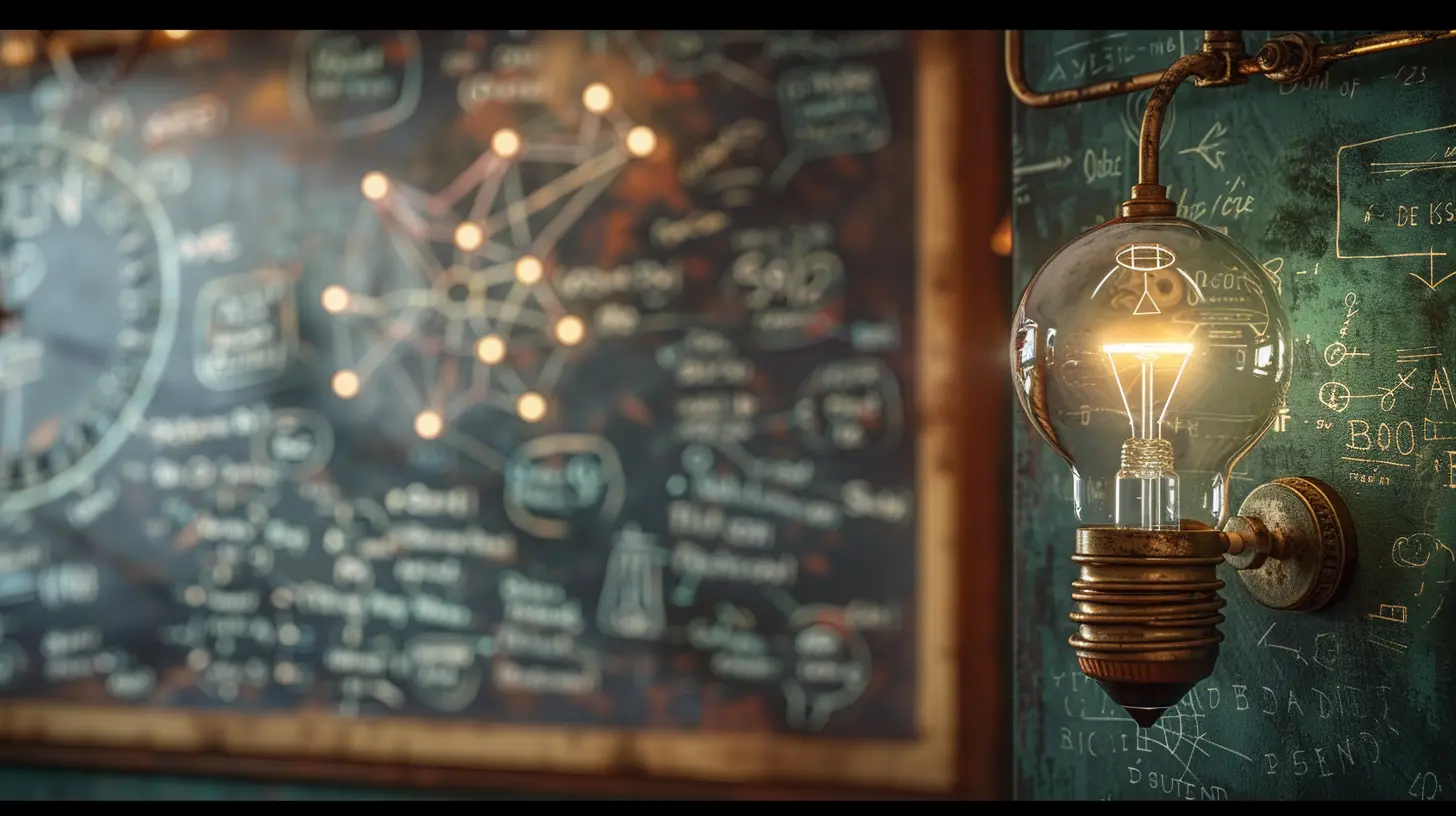
What Is STEAM, Anyway?
You've probably heard of STEM—it’s been education’s golden child for decades. But STEAM? That's STEM's cooler, artsy sibling.STEAM = Science + Technology + Engineering + Arts + Math
By integrating the Arts into the traditional STEM model, STEAM education aims to unlock creativity, innovation, and emotional intelligence—all while still focusing on the technical skills students need to succeed.
Think of It Like This:
Imagine baking a cake (who doesn’t love cake?). STEM gives you the recipe, measurements, and the oven. But the Arts? That’s the icing, the decoration, the creativity that turns a plain cake into a showstopper. Without the Arts, it’s just functional. With the Arts, it’s unforgettable.
Why the Arts Were Left Out (And Why That Needs to Change)
Let’s be real: we live in a world obsessed with productivity and efficiency. Somewhere along the way, education got narrowly focused on job-readiness and forgot about the messy, magical stuff like imagination and expression.The Arts got sidelined because they were seen as “soft” skills, optional, or not directly linked to economic growth. But here’s where the plot twist comes in—they are absolutely essential, especially now.
The Truth About the Modern Workforce
Employers aren’t just searching for coders and engineers. They want problem-solvers, storytellers, and collaborators. They’re craving workers who can think outside the box, communicate ideas, and bring a human touch to high-tech industries.Cue the Arts.

The Arts Amplify STEM—Here’s How
Okay, so how exactly do the Arts enhance STEM learning? Let’s break it down.1. Creativity on Steroids
You can’t innovate without creativity. Period. Einstein didn’t figure out physics without a little imagination. The Arts fuel lateral thinking—basically, the kind of thinking that helps you find unexpected solutions. Whether it's designing a robot or crafting user interfaces, creativity is king.2. Emotional Intelligence
Goodbye, robots. Hello, empathy.The Arts develop soft skills—things like empathy, cultural awareness, and emotional intelligence. These are the traits that help people connect, collaborate, and lead with compassion. In a tech-heavy world, human traits matter more than ever.
3. Stronger Communication
Whether it's writing a report or pitching an idea, communication is key. The Arts give students the tools to express themselves—visually, verbally, and emotionally. That makes for better team players and stronger leaders.4. Better Problem-Solving
Art teaches people to observe, reflect, and experiment. That’s not just good for painting—it’s gold for solving scientific problems or troubleshooting tech issues. The Arts help students approach challenges from multiple angles, which leads to smarter solutions.5. Engaged Learning
We all know the struggle: keeping students engaged, especially in complex subjects. Integrating the Arts makes learning more fun, interactive, and meaningful. When students build a model or compose a song to explain a scientific concept, it sticks.
Real-World STEAM in Action
Still on the fence? Let’s look at how STEAM plays out in real life.Pixar: The Power of Art + Tech
Ever watched a Pixar movie and thought, “How did they make that so beautiful and smart?” That’s STEAM in action. Animators blend storytelling, design, computer science, and mathematics to create magic on screen. It’s proof that science and art don’t just coexist—they thrive together.Architecture & Design
Architecture is a prime example of STEAM. It’s math and engineering, sure—but it's also style, aesthetics, and cultural commentary. The best architects are both builders and artists.Healthcare and Medical Visualization
Think about the detailed illustrations in a medical textbook or the design of healthcare apps. The Arts help translate complex info into visuals that both patients and professionals can understand. That saves lives.The Science Behind STEAM Education
If you’re into research, there’s plenty of data supporting the shift to STEAM.Studies show that students engaged in arts-integrated learning not only perform better across core academic subjects but also demonstrate higher levels of motivation, critical thinking, and attendance. Even the U.S. Department of Education has acknowledged the impact of arts-based learning on student success.
Brainpower Boost
Neuroscientific research reveals that engaging in the Arts activates multiple parts of the brain, building new neural connections. Translation? Arts make you smarter. They improve memory, focus, and even mathematical ability.Resilience and Grit
Art isn’t easy. You fail, revise, try again. That’s grit in action—something that benefits students in every subject and every stage of life.
Why STEAM Matters for the Future of Work
The future is unpredictable. With AI, automation, and global change happening at full speed, the ability to adapt is everything. Guess what? STEAM primes students for exactly that.Jobs That Don’t Exist Yet
Think about that. Many of today's kids will grow up to work in roles that haven’t even been invented. They’ll need skills that go beyond test scores. Creativity, adaptability, storytelling, and emotional intelligence will be their superpowers.Innovation Needs Diversity—Of Thought
STEAM encourages diverse ways of thinking. A team that includes engineers and artists is more likely to come up with truly innovative ideas. That’s because they're tackling problems from all angles, with all kinds of minds.What Schools (and Parents) Can Do Right Now
So how can we bring more STEAM into education? It doesn’t require a full system overhaul. Just small, intentional steps.Start with Integration
Teachers can blend the Arts into STEM lessons. For example, have students sketch cell structures, write poems about physics, or design eco-friendly cities in Minecraft.Create STEAM Labs
Some schools are already building "Makerspaces" or "Innovation Labs" with 3D printers, art supplies, coding kits, and more. These spaces allow kids to dream, design, and bring wild ideas to life.Support Arts Funding
Let’s stop treating the Arts like an extra. They deserve funding, resources, and respect. Advocate for balanced curricula that value both expression and equations.Encourage Personal Projects
Let kids pursue passion projects that combine their interests. A student who loves music and science could create an app that teaches instruments using sound wave theory. The possibilities are endless when we stop limiting them.
Final Thoughts: It’s Time to Make the Shift
Here’s the bottom line: the future doesn’t belong to specialists who only know one thing. It belongs to the curious, the creative, and the collaborative.STEM is powerful, no doubt—but it needs the soul, color, and storytelling that only the Arts can provide. Transforming STEM into STEAM makes education less about rote memorization and more about imagination, courage, and joy.
So, the next time someone suggests your kid should drop Art class to focus on Algebra, just smile and say: “Actually, we’re going for STEAM.
all images in this post were generated using AI tools
Category:
Education ReformAuthor:

Anita Harmon
Discussion
rate this article
2 comments
Zorion Fletcher
Integrating arts into STEM enriches creativity, critical thinking, and holistic learning experiences.
January 16, 2026 at 4:33 AM
Anita Harmon
Thank you! Integrating arts into STEM truly enhances creativity and fosters well-rounded learning, making education more engaging and effective.
Samantha McIlroy
Absolutely loved this article! It's inspiring to see the shift from STEM to STEAM, emphasizing the importance of arts in education. Integrating creativity with science and technology fosters well-rounded thinkers. Let’s continue championing this holistic approach to learning for our future leaders!
December 15, 2025 at 4:31 AM
Anita Harmon
Thank you for your thoughtful comment! I'm glad you found the article inspiring and agree on the importance of integrating arts into education. Together, we can foster a more creative and innovative future!