Exploring Faith and Belief Systems with Respect in Classrooms
20 November 2026
In the intricate tapestry of human experience, faith and belief systems emerge as critical threads, weaving together the rich diversity of perspectives that shape our understanding of the world. In classrooms, these elements can serve as powerful tools for fostering dialogue, empathy, and respect. This article delves into the nuances of teaching about faith and belief systems, offering insights and practical strategies for educators aiming to create a respectful and inclusive environment.

Understanding the Landscape of Faith and Belief Systems
Defining Faith and Belief
At its core, faith signifies a deep trust or confidence in something beyond empirical evidence. It often encompasses religious beliefs, but can also extend to personal philosophies and moral convictions. Belief, on the other hand, can refer to the acceptance of certain ideas or principles as true, which may or may not be tied to a religious framework.The Role of Culture
Faith and belief systems are often intertwined with cultural identity, influencing behaviors, traditions, and community values. As such, discussions in the classroom must acknowledge the cultural contexts in which these beliefs exist. Educators should be aware that a student's beliefs may not only stem from personal experiences but also from the broader societal narratives in which they are embedded.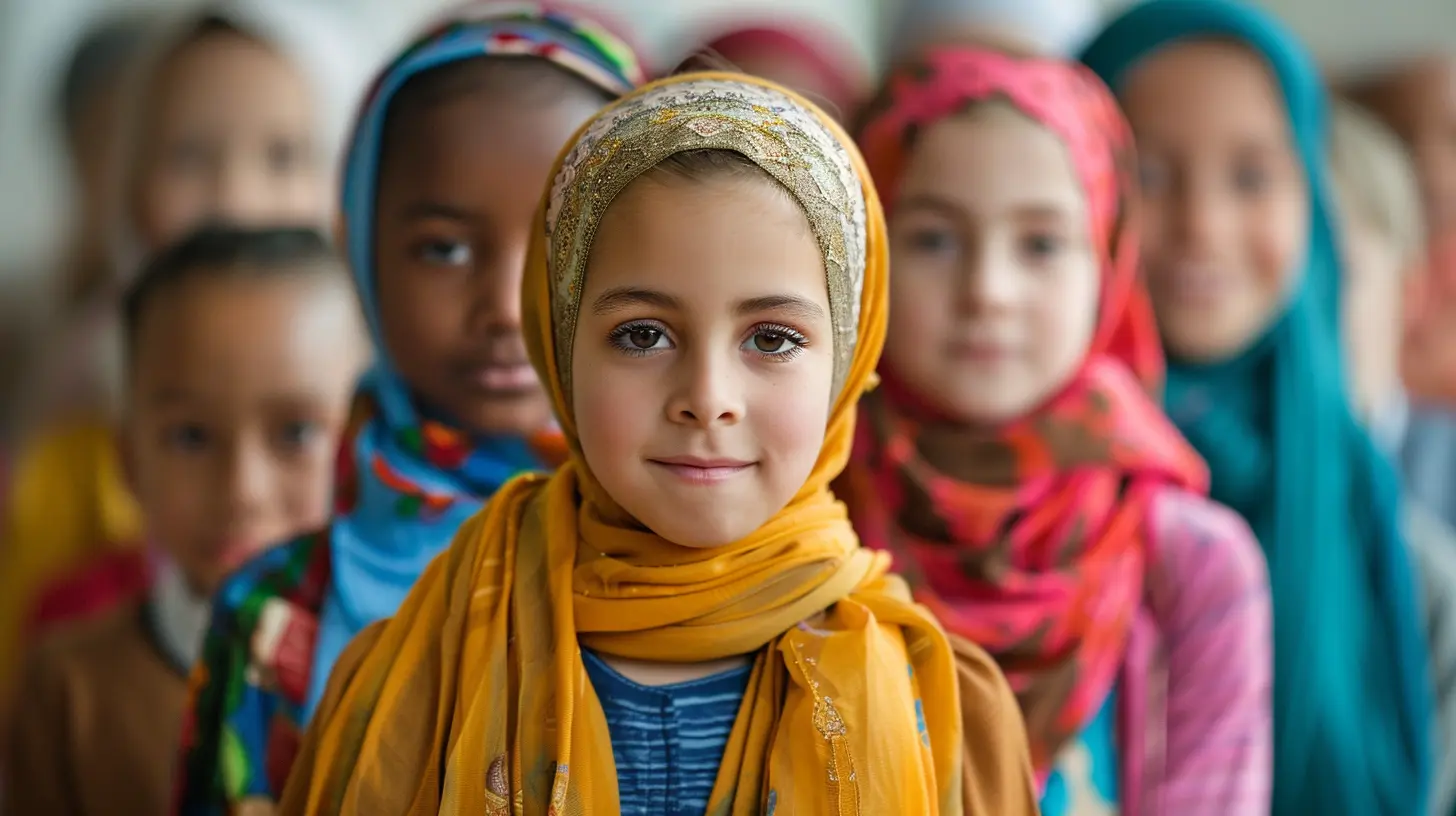
The Importance of Respect in Classroom Discussions
Fostering an Inclusive Environment
Respect is the cornerstone of meaningful dialogue around faith and belief systems. When educators promote an atmosphere of respect, students feel safe to express their views and share their experiences. This inclusivity encourages a richer understanding of diverse perspectives.Encouraging Empathy Through Active Listening
Active listening is a pivotal skill in facilitating discussions about faith. Educators should model this behavior by demonstrating genuine curiosity about students' beliefs. This can be achieved by asking open-ended questions and allowing students to share their stories without interruption. By doing so, educators not only validate students' experiences but also promote empathy among peers.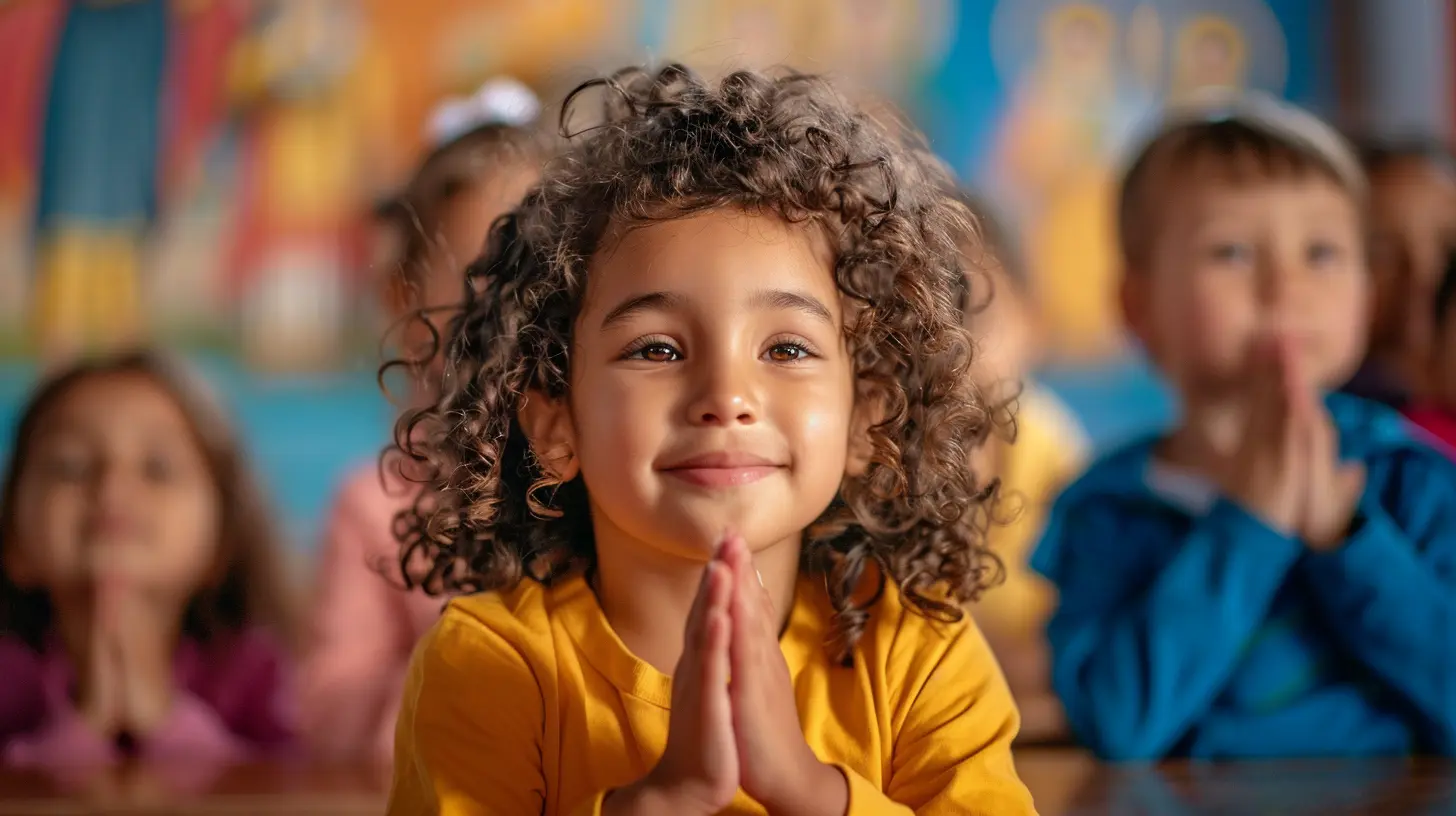
Strategies for Teaching About Faith and Belief Systems
Curriculum Integration
Integrating faith and belief systems into the curriculum can take many forms. Consider the following approaches:Comparative Studies
One effective method is to engage students in comparative studies of different belief systems. This can involve examining the core tenets of various religions, exploring their historical contexts, and discussing their impacts on society. Such comparisons foster a broader understanding and appreciation of diversity.Case Studies and Real-World Examples
Utilizing case studies can provide concrete examples of how faith shapes community actions and responses. For instance, discussing how different religious groups respond to social issues like poverty or climate change can illustrate the real-world implications of belief systems.Creating a Safe Space for Discussions
Ground Rules for Dialogue
Establishing ground rules for classroom discussions is vital. These guidelines should emphasize respect, confidentiality, and the importance of refraining from judgment. By setting clear expectations, educators can create a safe space where students feel comfortable sharing their beliefs.Strategies for Conflict Resolution
Given the sensitive nature of discussions about faith, conflicts may arise. Educators should be prepared to navigate these disagreements constructively. Techniques such as mediation and the use of restorative justice practices can help students address conflicts while maintaining respect for differing viewpoints.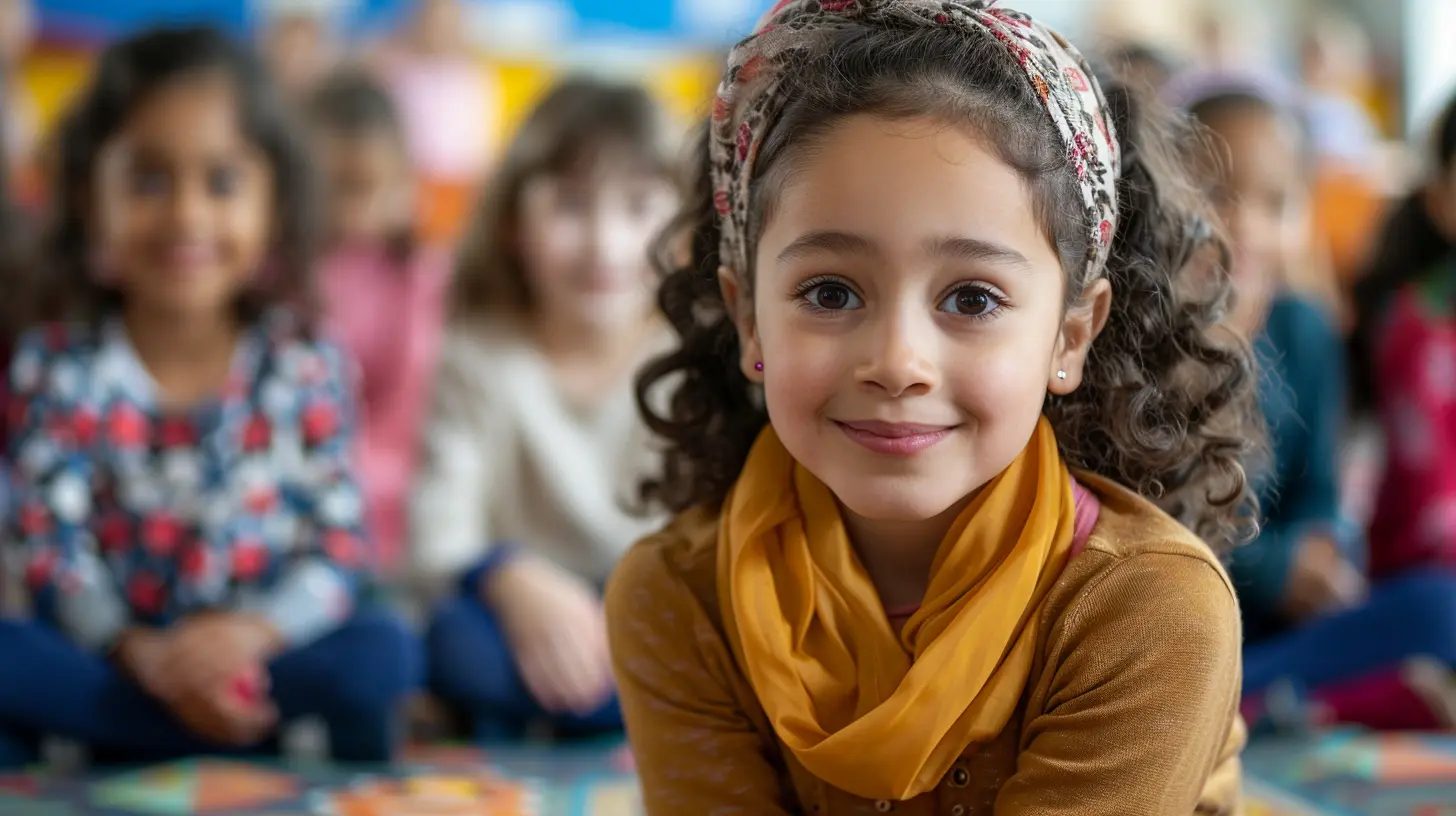
Common Mistakes to Avoid
Oversimplification of Beliefs
One common pitfall is oversimplifying complex belief systems. Educators should be cautious not to reduce faith to mere stereotypes or clichés. Instead, they should encourage deeper exploration to reveal the intricacies of each belief system.Ignoring Student Experiences
Failing to acknowledge the personal experiences of students can lead to disengagement. It's essential that educators validate students' feelings and perspectives, recognizing that their beliefs are often deeply personal.Addressing Misconceptions
Religion Versus Spirituality
A common misconception is that religion and spirituality are synonymous. Educators can clarify that while religion often involves organized practices and communal beliefs, spirituality can be a more individualized experience. This distinction can open up discussions about the various ways people express their faith.The Role of Atheism and Agnosticism
Another important aspect is acknowledging non-religious perspectives. Educators should recognize that atheism and agnosticism are valid belief systems. Including these viewpoints in discussions not only enriches the dialogue but also affirms the experiences of students who identify with them.
Best Practices for Educators
Professional Development
Ongoing professional development is crucial for educators seeking to navigate discussions about faith and belief systems effectively. Workshops that focus on cultural competency and inclusive teaching strategies can equip educators with the necessary tools to foster respectful dialogue.Collaborating with Communities
Building partnerships with local religious and cultural organizations can enhance classroom discussions. These collaborations may provide guest speakers, resources, and real-world perspectives that enrich the learning experience.Real-World Examples of Successful Practices
Interfaith Dialogues
Some schools have implemented interfaith dialogue programs where students from different backgrounds come together to share their beliefs and practices. These initiatives have proven effective in breaking down barriers and fostering mutual respect.The Role of Literature
Incorporating literature that reflects diverse belief systems can serve as a powerful tool for discussion. Books that feature characters from various faith backgrounds can help students empathize with experiences outside their own.
Balancing Perspectives
The Importance of Nuanced Conversations
When discussing faith and belief systems, educators must strive for nuanced conversations that recognize the complexities of these topics. This includes addressing both the positive and negative aspects of belief systems, as well as their historical contexts.Encouraging Critical Thinking
Critical thinking should be at the heart of discussions about faith. Encouraging students to analyze and question various beliefs can lead to a deeper understanding of their own perspectives, as well as those of others.Conclusion
Navigating faith and belief systems in the classroom is a delicate yet rewarding endeavor. By fostering respect, empathy, and critical thinking, educators can create an environment where rich dialogue flourishes. This not only enhances students' understanding of diverse perspectives but also prepares them to engage thoughtfully in an increasingly diverse world.In this journey, educators play a pivotal role in shaping how the next generation interacts with differing beliefs. By embracing the complexities of faith and promoting an atmosphere of respect, we can cultivate a more inclusive society, one classroom at a time.
all images in this post were generated using AI tools
Category:
Multicultural EducationAuthor:

Anita Harmon