Creating Safe Spaces for All Cultural Identities at School
15 November 2026
Creating safe spaces for all cultural identities within the school environment is crucial for fostering an inclusive, supportive, and vibrant educational community. This article discusses the importance of cultural safety, practical strategies for implementation, and the numerous benefits that arise from cultivating such environments.
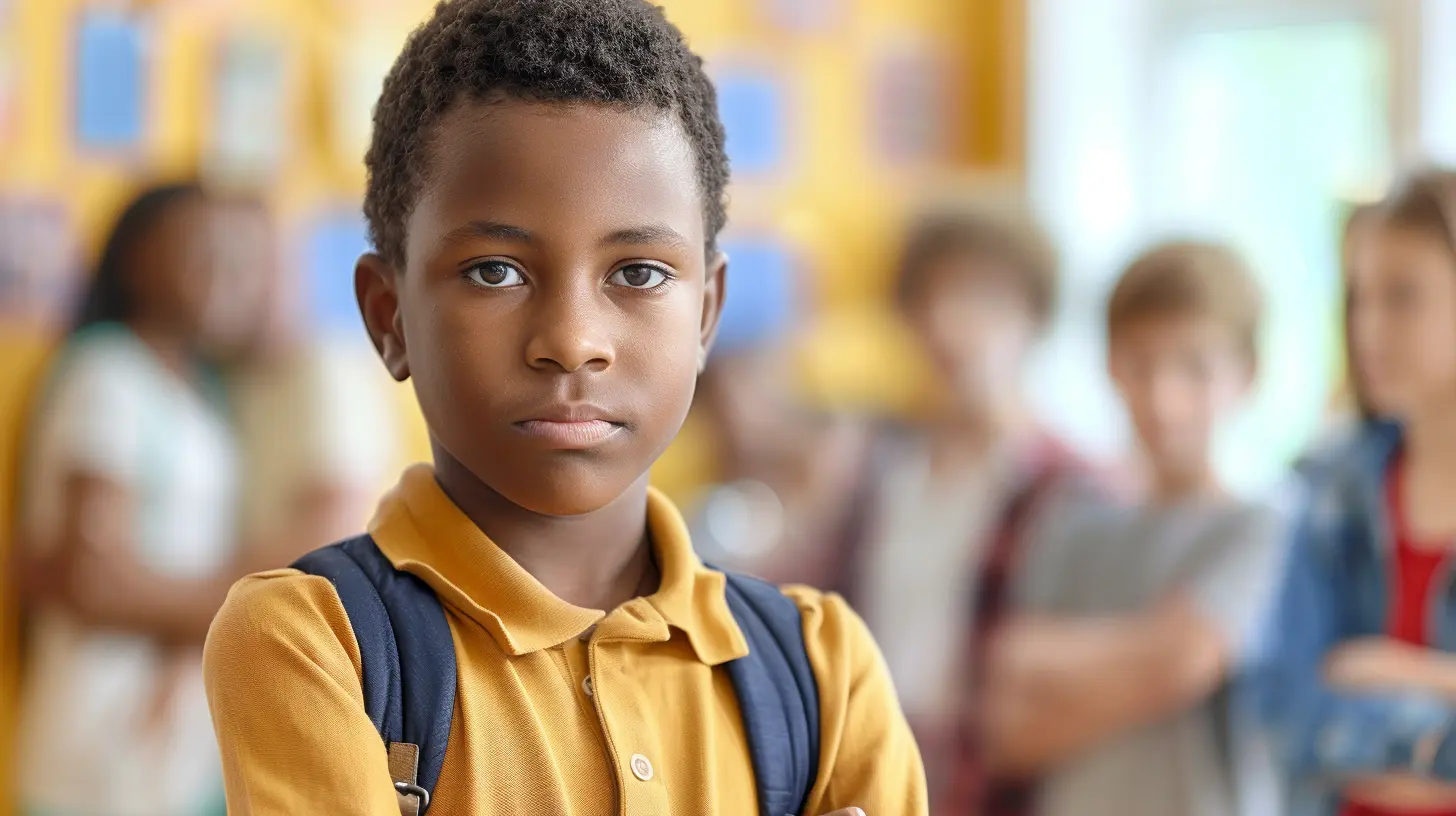
Understanding Cultural Safety
What is Cultural Safety?
Cultural safety transcends the concept of cultural awareness. It is about ensuring that individuals feel secure and respected within their cultural identity. In educational settings, cultural safety means that students from diverse backgrounds can express their identities without fear of discrimination or misunderstanding. Achieving cultural safety involves recognizing power imbalances and actively working to address them.Why is Cultural Safety Important?
Cultural safety is vital for several reasons:1. Emotional Well-being: Students who feel accepted and respected are more likely to engage in learning and participate actively in school activities. This engagement is essential for emotional and psychological well-being.
2. Academic Performance: A supportive environment enhances academic success. Students who perceive their school as a safe space are more likely to excel in their studies.
3. Identity Formation: Schools play a critical role in the development of personal and cultural identity. Acknowledging and celebrating diverse identities helps students form a positive self-concept.
4. Community Building: Cultural safety fosters a sense of belonging and community among students, which can lead to increased cooperation and teamwork.
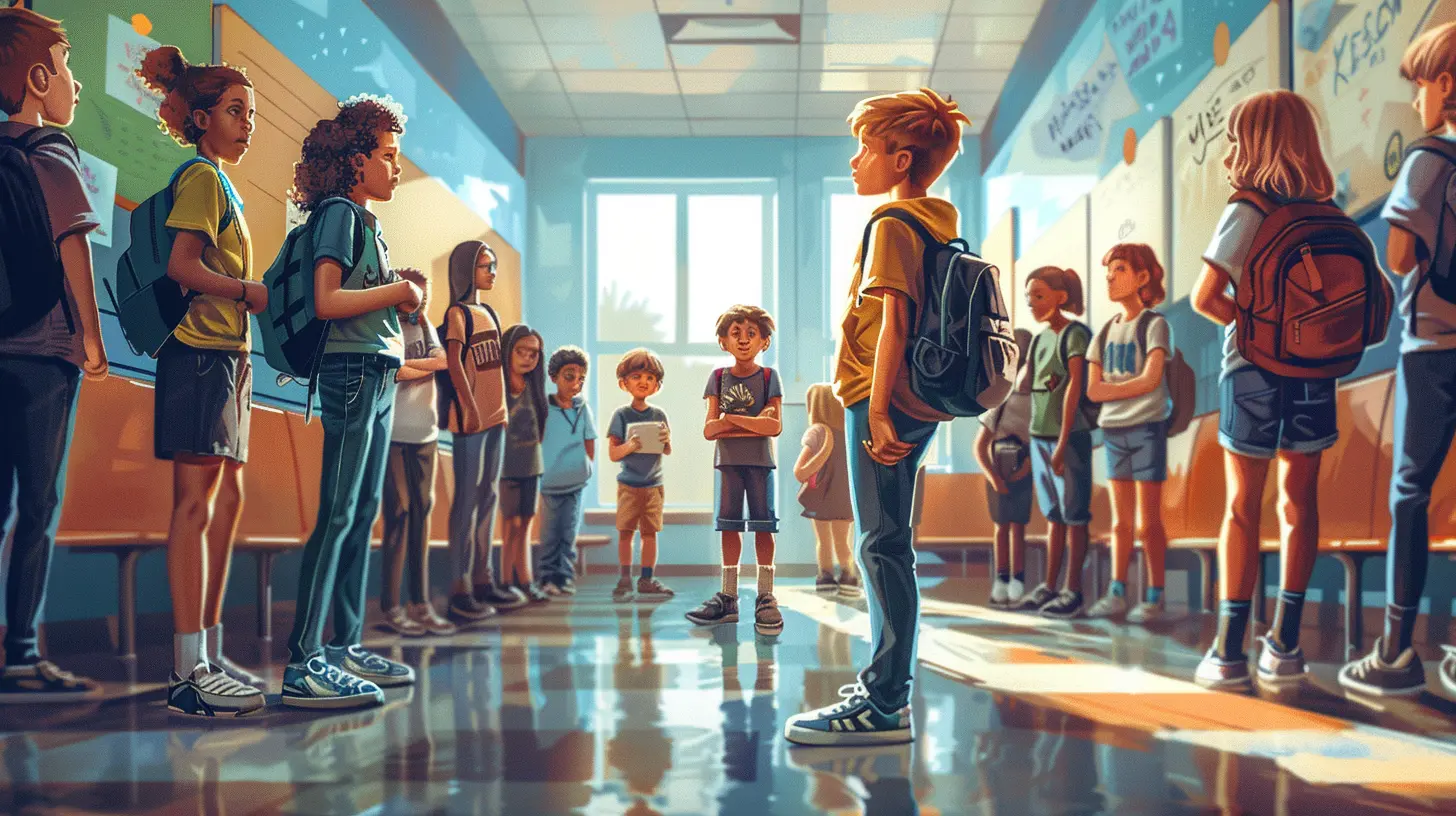
Creating Safe Spaces: Strategies for Implementation
1. Curriculum Inclusivity
What to Consider
An inclusive curriculum reflects diverse cultural perspectives and histories. This approach helps students see their identities represented and valued within the educational framework.Practical Steps
- Diverse Literature: Include texts from a variety of cultural backgrounds. For example, introducing books by authors from different ethnicities can provide students with relatable narratives.- Cultural History: Teach history from multiple viewpoints, especially incorporating stories and contributions from marginalized communities.
- Student Voices: Encourage students to share their experiences and cultural backgrounds through projects, presentations, or discussions.
2. Staff Training and Development
Why It Matters
Educators must be equipped with the skills to create safe spaces. Ongoing professional development can provide teachers with the necessary tools to understand cultural dynamics and navigate sensitive topics.Implementation Ideas
- Cultural Competency Training: Offer workshops focusing on cultural sensitivity, implicit bias, and anti-racism.- Peer Learning: Encourage staff to share successful strategies and experiences related to fostering inclusivity.
- Feedback Mechanisms: Create channels for staff to receive feedback on their approaches to cultural safety, allowing for continuous improvement.
3. Physical Environment
Importance of Space
The physical environment of a school can either support or hinder the creation of safe spaces. A welcoming atmosphere can promote a sense of belonging.Enhancing the School Environment
- Culturally Relevant Decorations: Use art and signage that represent various cultural identities. This can include flags, murals, or student artwork that reflects the diversity of the student body.- Dedicated Safe Spaces: Establish areas within the school where students can gather, reflect, and discuss their cultural identities without fear of judgment.
- Flexible Classroom Design: Arrange classrooms to facilitate collaboration and encourage interaction among students from different backgrounds.
4. Policy Development
Creating Frameworks
Policies that promote inclusivity and protect against discrimination are essential for institutionalizing cultural safety within schools.Key Considerations
- Anti-Discrimination Policies: Develop clear policies that address discrimination and harassment, outlining procedures for reporting and addressing incidents.- Inclusive Programming: Create programs that celebrate cultural diversity, such as cultural fairs, heritage months, or clubs that focus on different cultural groups.
- Community Involvement: Engage parents and community members in policy-making processes to ensure that diverse perspectives are represented.
5. Student Empowerment
Involving Students
Empowering students to take an active role in creating safe spaces is essential for fostering a sense of ownership and responsibility.Empowerment Strategies
- Leadership Opportunities: Encourage students to lead cultural awareness initiatives, such as organizing events or workshops.- Peer Support Systems: Establish mentorship programs where older students support younger peers from diverse backgrounds, fostering a sense of community.
- Feedback Opportunities: Create regular opportunities for students to provide input on their experiences and suggest improvements.
Real-World Examples
Case Study: An Inclusive High School
At a high school in California, the administration implemented a comprehensive program focusing on cultural safety. They introduced a curriculum that included literature from various cultures and provided training sessions for faculty on cultural sensitivity. As a result, they saw an increase in student engagement and a decrease in disciplinary incidents related to cultural misunderstandings.Example of a Cultural Event
A middle school organized a "Cultural Heritage Day," encouraging students to share their traditions through food, music, and art. This event not only celebrated diversity but also fostered connections among students. Feedback indicated that students felt more connected to their peers and more proud of their identities.
Common Mistakes to Avoid
1. Tokenism
One major pitfall in creating safe spaces is treating cultural representation as a checkbox. Simply including a few diverse authors or hosting one cultural event does not equate to genuine inclusivity. Schools must engage with diverse communities continuously rather than superficially.2. Ignoring Intersectionality
Cultural identity is multifaceted. Failing to acknowledge the intersectionality of identities-such as race, gender, socio-economic status, and ability-can lead to oversights in addressing the needs of all students.3. Resistance to Change
Implementing cultural safety measures may face resistance from staff, parents, or even students. It is essential to communicate the benefits of these initiatives clearly and involve stakeholders in the process.Best Practices for Sustaining Safe Spaces
Continuous Reflection
Creating and maintaining safe spaces requires ongoing reflection and adaptation. Schools should regularly assess their practices through surveys, focus groups, and community feedback.Building Partnerships
Collaborating with local cultural organizations, community groups, and families can enrich school programs and provide deeper insights into cultural needs.Celebrating Progress
Recognizing and celebrating milestones in creating a culturally safe environment can reinforce commitment and motivate continued efforts.
Conclusion
Creating safe spaces for all cultural identities at school is not just a goal but a necessity for fostering an inclusive educational experience. By implementing thoughtful strategies focused on curriculum inclusivity, staff training, physical environment, policy development, and student empowerment, schools can truly become places where every student feels valued and respected. These efforts not only enhance individual well-being but also contribute to a harmonious and productive school community.
all images in this post were generated using AI tools
Category:
Multicultural EducationAuthor:

Anita Harmon

