Can We Make Education More Relevant for Future Jobs?
16 September 2026
Education is supposed to prepare us for life, right? But in a world that’s changing faster than ever—where AI, automation, and new industries are constantly emerging—our traditional education system often feels outdated.
How do we make learning align better with future job markets? Should schools focus more on critical thinking, hands-on skills, and real-world applications? In this article, we’ll discuss the gaps in our current education system and explore ways to make it more relevant for the workforce of tomorrow. 
The Gap Between Education and Job Markets
Let’s be honest—many students graduate with degrees but struggle to secure jobs. Why? Because a lot of what they learned in school doesn’t match what employers are actually looking for.Here’s the problem:
- Curriculums are outdated – Many schools still teach skills and theories that were relevant a decade ago but may not be applicable today.
- Lack of real-world experience – Students often memorize information rather than learning how to apply it in practical, real-life scenarios.
- Skills gap – Employers need workers who have soft skills (like communication, teamwork, and problem-solving) along with technical expertise, but these aren’t always emphasized in traditional education.
What’s the solution? We need to rethink how we teach, what we prioritize, and how we prepare students for actual careers. 
Shifting the Focus from Memorization to Practical Learning
The days of just memorizing facts and regurgitating them on a test should be long gone. Knowledge is important, sure—but in today’s world, skills matter just as much. Employers look for workers who are adaptable, creative, and capable of solving complex problems.Instead of stuffing students’ brains with trivia, why not focus on:
- Hands-on projects – Give students real-world problems to solve, not just textbook exercises.
- Internships and apprenticeships – Let students work with professionals in their chosen field before they graduate.
- Team-based learning – Encourage collaboration rather than competition since most jobs require teamwork.
When students get hands-on experience, they not only learn faster, but they also develop critical thinking and problem-solving abilities—two things robots haven’t mastered yet! 
The Role of Technology in Modern Education
Technology is everywhere, so why are so many schools still resisting it? If we want education to be future-proof, we need to integrate AI, coding, data analysis, and digital literacy into the curriculum.Think about it—jobs in AI, cybersecurity, and data science are booming. But how many students are actually learning these skills in school?
By incorporating:
- Coding and programming – Even if students don’t become software engineers, understanding how technology works is a huge advantage.
- AI and automation tools – Familiarizing students with AI will help them adapt to future job markets.
- Online learning platforms – Websites like Coursera, Udemy, and Khan Academy allow students to learn at their own pace.
Tech shouldn’t replace teachers, but it can make learning more engaging and relevant. Schools that embrace technology will give students a head start in the job market. 
Soft Skills Matter Just as Much as Technical Skills
Here’s something schools often overlook: Soft skills are just as important as technical knowledge. Employers don’t just want employees who know their stuff—they want workers who can communicate, collaborate, and lead.Some of the most valuable soft skills include:
- Critical thinking – Being able to analyze problems and make smart decisions.
- Emotional intelligence (EQ) – Understanding and managing emotions, both your own and others’.
- Adaptability – The ability to learn and grow as industries evolve.
- Communication – Writing, speaking, and expressing ideas clearly.
Teaching these skills isn’t about giving lectures. It’s about encouraging debates, discussions, creative assignments, and teamwork. If schools focus on these, they’ll be shaping not just good workers, but great leaders.
Lifelong Learning: The Future of Education
One important thing to realize is that learning doesn’t stop after graduation. Future jobs will require people to keep updating their skills throughout their careers.The idea of lifelong learning is gaining traction, and it makes perfect sense. With industries evolving rapidly, employees will need continuous training to stay relevant.
How can we prepare students for this? By teaching them how to learn rather than just what to learn. A curious, self-motivated learner will always have an advantage over someone who stops learning after school.
Encouraging students to embrace online courses, attend workshops, and stay up to date with new industry trends will set them up for long-term success.
Should We Redesign the Traditional Education System?
Given all these issues, should we completely scrap the current education system? Not necessarily. But we do need some major changes to align education with the future job market.Possible improvements include:
- More flexible curriculums – Let students explore subjects that interest them rather than forcing outdated courses.
- Stronger focus on hands-on experience – Internships, industry collaborations, and practical training should be a requirement.
- Interdisciplinary learning – Encourage students to combine different fields of study, like tech + business or art + AI.
- Updated teaching methods – Move away from rote memorization and emphasize real-world applications.
Education doesn’t need to be reinvented, but it definitely needs to evolve.
Conclusion
So, can we make education more relevant for future jobs? Absolutely—but it requires a shift in how and what we teach.The future job market will reward problem solvers, communicators, and lifelong learners rather than just those with degrees. If schools adapt to this reality, students will be better equipped for whatever the future throws at them.
It’s time to stop teaching for the past and start preparing for the future.
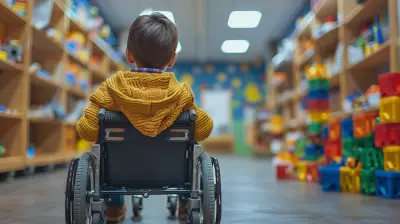
all images in this post were generated using AI tools
Category:
Education ReformAuthor:

Anita Harmon
Discussion
rate this article
1 comments
Noah McCarron
Education must evolve alongside the changing job landscape. By integrating real-world skills and fostering critical thinking, we can better prepare students for future challenges. It's vital to connect learning with the demands of tomorrow's workforce.
September 16, 2026 at 4:11 AM